Michigan River Islands Open to Hunting
It’s easy to feel like you’ve explored every inch of public land in Michigan, isn’t it? You’ve hiked the two-tracks, scouted the clearcuts, and sat in countless stands, sometimes feeling like you’re just one more hunter among many. But what if I told you there’s a whole network of overlooked hunting opportunities literally surrounded by water? This guide will pull back the curtain on hunting Michigan's river islands, revealing how these often-forgotten pockets of land can offer unique, quieter, and incredibly rewarding hunting experiences for deer, waterfowl, and small game.
The Allure of River Island Hunting in Michigan
There’s something truly magical about the idea of an island, even if it’s just a small patch of land in the middle of a winding river. For hunters, these islands can represent a unique frontier, a place where the ordinary rules of public land hunting often don't apply. They hold a special kind of quiet, a sense of wildness that can be hard to find in more accessible areas.
Why River Islands Are Overlooked
Let's be honest, most hunters focus on the vast state forests and game areas. When you're looking at a map, a small island in the middle of a river can easily be dismissed. It looks too small, too isolated, or just too much of a hassle to get to. This perception is exactly what makes them so appealing. The very challenges—like figuring out how to cross the water, or the uncertainty of what lies within a small, dense parcel—deter the casual hunter. We've all been there, frustrated by Opening Day Crowds on Michigan State Land or feeling like every prime spot on dry land has already been scouted and claimed. River islands offer an escape from that pressure. They require a bit more effort, a bit more planning, and a willingness to step outside the typical hunting routine, but that effort is often handsomely rewarded with solitude and undisturbed game.
These landmasses might seem insignificant on a broad map, but zoom in, and you'll find they often present a complex micro-habitat. The notion that "bigger is better" often leads us to overlook these gems. Many hunters prefer to walk in from a road or parking area, which is perfectly understandable. However, the requirement of watercraft, even just waders and a determined attitude, immediately filters out a large percentage of potential competitors. This natural barrier is precisely what allows these islands to become sanctuaries, not just for deer seeking refuge but for ducks, geese, and various small game species that thrive in the rich riparian environment.
The Unique Ecosystems of River Islands
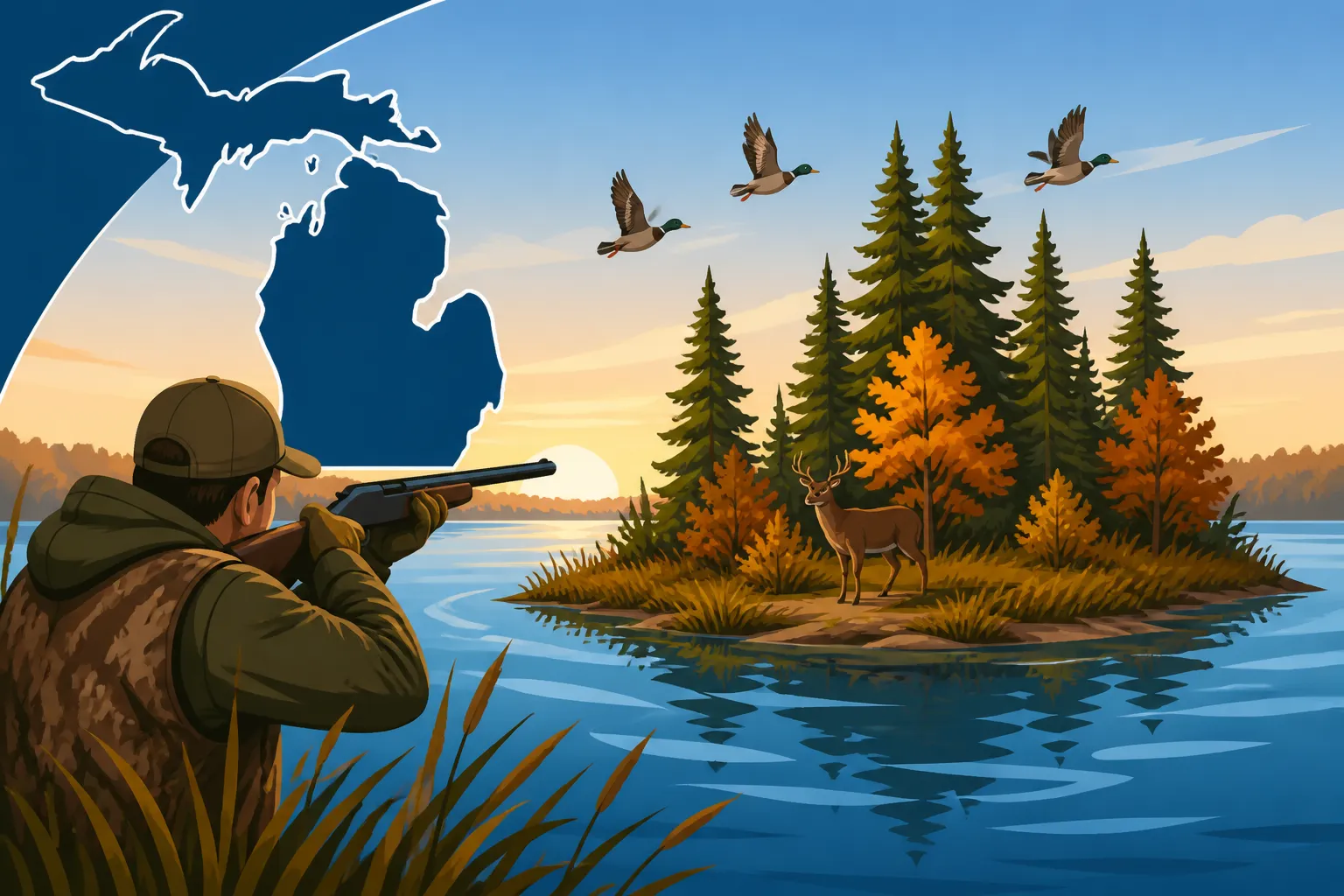
River islands are ecological marvels, mini-sanctuaries where wildlife can thrive with less human disturbance. Think about it: the surrounding water acts as a natural buffer, a moated castle for deer. Once a deer reaches an island, especially one with dense cover, it often feels incredibly secure. These islands are often characterized by a mix of thick brush, tangled dogwood, emergent marsh grasses, and sometimes mature hardwoods or stands of cedar, depending on the river system and elevation. This diverse vegetation provides everything a deer needs: food, water, and bedding cover. Waterfowl, of course, are right at home, using the quiet channels and backwaters for roosting and feeding. Small game like rabbits and squirrels also find fantastic cover and food sources, often isolated from larger land-based predators.
The constant influence of the river—its floods, sediment deposits, and the erosion it causes—shapes these islands into ever-changing landscapes. This dynamic environment creates a rich tapestry of habitat that is often more diverse than a static piece of upland woods. You'll find areas of new growth, pockets of dense thermal cover, and edges where various plant communities meet, all of which are magnets for wildlife. These unique conditions can make hunting river islands feel like a completely different pursuit than hunting adjacent mainland areas, offering a fresh challenge and a truly immersive wild experience. The natural boundaries of the river also mean that game, once on the island, tends to stay there, presenting more predictable movement patterns within the confines of the island itself.
Identifying Huntable River Islands
The first step to unlocking these hidden gems is to know how to find them. It's not always obvious, and it certainly requires a bit more digital legwork than just pulling up a map of a large state forest. But with the right tools and a keen eye, you can pinpoint promising locations.
Navigating Public Land Maps and Tools
This is where modern technology truly shines. Gone are the days of relying solely on paper topo maps, though they still have their place. Your best friend here will be a robust mapping application like onX Hunt or even the Michigan DNR's own Using Michigan's Mi-HUNT Map. These tools allow you to zoom in with incredible detail, showing property lines, satellite imagery, and various public land designations. You'll want to overlay satellite view with public land boundaries to identify any islands that are part of State Game Areas, State Forests, or National Forests. It's crucial to verify land ownership for every island you consider; many are privately owned, and trespassing is never an option. Look for the distinct colors or shading that denote public ground on your mapping app.
When you're scrutinizing the map, pay close attention to the shape and size of the islands. Are they large enough to hold deer, or are they merely small sandbars? Look for a mix of terrain, signs of dense cover, and proximity to known game travel corridors on the mainland. Sometimes an island is just one part of a larger river system that's all public, like sections of the Manistee River Corridor within the Huron-Manistee National Forest. Don't just look for isolated islands; consider braided sections of rivers where numerous smaller islands create a labyrinth of cover. These mapping tools can literally open up a whole new world of hunting possibilities that you never knew existed, transforming an ordinary river into a mosaic of huntable land. The ability to see actual property lines is invaluable; a free version of GoHunt might show you general areas, but for pinpoint accuracy, a premium subscription to a mapping app like onX Hunt is highly recommended.
Researching River Systems with Potential
Michigan is blessed with an abundance of rivers, from the mighty Detroit River to smaller, winding streams. Not all rivers are created equal when it comes to island hunting, though. Larger river systems like the Grand River, Kalamazoo River, Manistee River, and Au Sable River often have more substantial islands, especially in their lower and middle sections where the river broadens or braids. These wider rivers tend to have more developed islands with stable ecosystems. However, don't overlook smaller, lesser-known rivers or even large creeks that might have smaller, but equally productive, islands.
When researching, consider the overall character of the river. Is it heavily used by recreational paddlers or motorboats? High traffic might deter some game, especially deer. Does it have significant stretches of public land along its banks that might include islands? Areas within or adjacent to Michigan State Forest Hunting Rules or Michigan State Game Area Acreage are prime candidates. Look at historical water levels and seasonal flow variations; an island that's easily accessible in late fall might be underwater during spring high flows. The goal is to find rivers that have a combination of public land islands, good surrounding habitat, and reasonable access points for launching a canoe, kayak, or small boat. A little upfront research on flow rates and typical seasonal fluctuations can save you a lot of wasted effort and ensure safer travel.
Accessing and Hunting River Islands
Once you've identified a promising island, the next challenge—and adventure—is getting there and effectively hunting it. This requires careful planning, appropriate gear, and a solid understanding of how game uses these unique landforms.
Planning Your Island Approach
Access is often the biggest hurdle and the primary reason these spots see less pressure. Unless it’s a very shallow river, you're going to need a boat or at least sturdy waders. A canoe or kayak is often ideal for stealth and navigating tight channels. Before you even think about launching, thoroughly scout your entry point. Look for public access sites, boat launches, or legal parking spots along the riverbank. Always check the current river conditions—water depth, current speed, and any potential rapids or obstacles. Safety is paramount; cold Michigan waters can be incredibly dangerous, so wearing a PFD (Personal Flotation Device) is non-negotiable, even if you’re just in waders. Consider the distance you’ll need to paddle or wade and what the weather forecast holds for the day. High winds can make paddling a small craft difficult and dangerous.
Once you’re on the water, strive for a stealthy approach. You want to slip onto the island without alerting any resident game. Paddle quietly, using the current to your advantage where possible. Think about where you will land and secure your craft to prevent it from floating away. When you eventually harvest an animal, especially a deer, consider how you’ll get it back across the water. This is not a task to underestimate. Dragging a deer through water, even shallow water, is incredibly difficult. A game sled or even a small inflatable raft can be a lifesaver for retrieving your animal. Planning for extraction before you even set foot on the island will prevent a lot of headaches later on. Remember, you might be alone out there, and having a realistic recovery plan is part of being a responsible hunter. Recovering a Deer From a Swamp is tough, but recovering one from an island can be even more challenging due to the water barrier.
Tactical Considerations for Island Hunting
Hunting a river island requires a shift in tactics. The confined nature of an island means game movements can be more predictable, but also that your own movements are more likely to be detected. Still-hunting can be incredibly effective here. Moving slowly, watching and listening, and carefully covering ground can yield close-range encounters. If you're hunting with a partner or two, small, quiet deer drives can work wonders on larger islands, using the water as a natural blocker for the deer. Focus on reading the subtle signs: fresh tracks, rubs, scrapes, and bedding areas. The edges of the island, where the land meets the water, are often prime travel corridors, as deer will skirt these areas.
Prevailing winds and thermals are always important, but even more so in a river bottom, where they can be unpredictable. Air currents often follow the river channel, so understanding their direction and how they eddy around the island is vital for setting up a stand or planning your approach. Look for natural funnels—narrow spots on the island, or points that extend into the river—where deer are likely to pass. Hunting a Funnel Between Two Swamps offers similar challenges and opportunities. Due to the proximity to water, these islands can often have thick, tangled cover perfect for a ground blind, especially if you set it up well in advance to let deer get accustomed to it. Since many of these public islands fall under the Michigan baiting ban, learning Hunting Deer Without Bait in Michigan is essential. Focus on natural food sources and travel patterns to increase your odds.
Species-Specific Opportunities on River Islands
While the general concept of island hunting applies to many game species, some animals are particularly well-suited to these unique habitats. Understanding which species thrive on specific islands can help you maximize your success.
Deer Hunting on Secluded Islands
For the deer hunter, river islands often represent a golden ticket to finding mature bucks that have learned to avoid pressure. Bucks, especially older ones, are masters at finding quiet sanctuaries. An island surrounded by water provides just that—a place where they can feel relatively safe from hunters and even some land-based predators. The limited access naturally reduces hunting pressure, allowing deer to establish undisturbed patterns. You might find a single island acting as a daytime bedding area for a buck that feeds on the mainland during the night, or a collection of islands serving as an entire home range for several deer.
When hunting these spots, stealth is even more critical. Since the island is a contained environment, any disturbance can quickly alert every deer present. For bowhunters, setting up a Treestand Setups in Michigan Hardwoods or a well-brushed-in ground blind on a pinch point or known travel corridor is key. Consider using climbing sticks or a tree saddle for minimal impact. For those hunting during Michigan Muzzleloader Season Dates, the dense cover can offer excellent short-range shot opportunities. Scent control becomes paramount; your scent can easily swirl and contaminate a small island. Try to approach from downwind, and if possible, use an entry route that minimizes walking directly through potential bedding areas. Focus on understanding the few main trails deer use to get on and off the island, as well as the internal trails that connect bedding to any sparse food sources present.
Waterfowl and Small Game
River islands are an obvious draw for waterfowl hunters. These secluded spots provide excellent loafing and feeding areas for ducks and geese, especially puddle ducks like mallards and wood ducks. If an island has marshy edges, backwaters, or small pools, it can be a magnet for birds. Jump Shooting Michigan Rivers from a canoe or kayak is a thrilling way to hunt these areas, especially if you can silently paddle around bends and into hidden coves. Setting up a small spread of decoys on a marshy point can also be incredibly effective for passing birds, particularly during the peak of the Michigan Waterfowl Migration Timing. Always know your Michigan Waterfowl Seasons and Zones and abide by bag limits.
Beyond waterfowl, many river islands provide fantastic habitat for small game. Rabbits, especially cottontails in southern Michigan and snowshoe hares further north, thrive in the thick undergrowth often found on islands. The limited land access means fewer predators like coyotes might reach them, contributing to higher populations. If you enjoy Rabbit Hunting With Beagles in Michigan, a small, contained island can be an excellent place to run dogs, provided the water crossing is safe for both you and your canine companions. Squirrels, both fox and gray, will also make their homes on islands with mature mast-producing trees. Squirrel Hunting Michigan Hardwoods on an island can be a surprisingly productive and peaceful experience.
Challenges and Responsible Practices
While river island hunting offers unique rewards, it also comes with its own set of challenges and responsibilities. Being prepared and respectful is crucial for a safe and successful trip.
Safety Concerns and Environmental Awareness
Water safety is, without a doubt, the number one concern when hunting river islands. Michigan waters, even rivers, can be incredibly cold, especially during the fall and winter hunting seasons. Hypothermia is a real threat if you capsize or fall in. Always wear a PFD, even if you’re a strong swimmer. Understand the river's current, potential rapids, and strainers (fallen trees that can trap you or your boat). Weather can change rapidly in Michigan; a calm morning can turn into a windy, choppy afternoon, making crossing difficult and dangerous. Always check the forecast and err on the side of caution.
Beyond personal safety, environmental awareness is critical. These islands are often fragile ecosystems. Practice strict "leave no trace" principles: pack out everything you pack in, including spent shell casings and any trash. Avoid disturbing sensitive vegetation. It is absolutely paramount that you double-check land ownership using a reliable mapping app like onX Hunt or GoHunt. Just because an island is in a river doesn't automatically make it public. Unintentional trespassing on private islands can lead to serious legal consequences and gives all hunters a bad name. Remember, you might encounter other river users—anglers, kayakers, birdwatchers—so be courteous and maintain a positive image for hunters. Knowing Michigan Trespass and Permission Law is essential.
Equipment and Preparedness
Being prepared with the right gear can make or break an island hunt. Here's a quick rundown of essentials:
| Item | Purpose | Considerations |
|---|---|---|
| Watercraft | Access, game retrieval | Canoe, kayak, small john boat. Stable, quiet, appropriate for current |
| PFD (Life Vest) | Personal safety | ALWAYS WEAR IT – even in shallow water |
| Waders/Waterproof Boots | Crossing shallow areas, staying dry | Sturdy, insulated if hunting in cold weather, good traction |
| Dry Bags | Protecting electronics, extra clothing, food | Essential for keeping gear dry |
| Mapping Device | Navigation, property lines | onX Hunt, Mi-HUNT app, or dedicated GPS (with extra batteries) |
| First-Aid Kit | Handling injuries | Essential for any remote hunting |
| Headlamp/Flashlight | Navigating in low light, after dark | With fresh batteries; crucial for evening extraction |
| Game Retrieval Device | Transporting harvested game across water | Sled, small inflatable raft, heavy-duty game bags |
| Communication Device | Emergency contact | Fully charged phone, satellite communicator for remote areas |
| Layered Clothing | Adapting to weather changes | Wool or synthetics are best for moisture management; Cold Weather Sitting Strategy |
| Knives & Processing Gear | Field dressing and potentially quartering game | Sharp knife, bone saw, game bags |
Dressing in layers is absolutely crucial when hunting Michigan, especially near water. Wool Versus Synthetics in Wet Snow highlights the importance of materials that retain warmth even when wet. Your Boots for Michigan Swamps and Snow need to be waterproof, durable, and offer good ankle support. And if you do harvest a deer, having a Sleds and Drags for Snow Country or another means of getting it back to your boat is critical. Always tell someone where you are going and when you expect to return. These small islands can feel incredibly remote, and being prepared for any eventuality is the mark of a seasoned hunter.
Disclaimer
This article is for general informational purposes only and does not constitute professional advice. Laws, prices and regulations vary by location and change over time. Consult a qualified professional for guidance on your specific situation.