Michigan Hunting Camp Costs
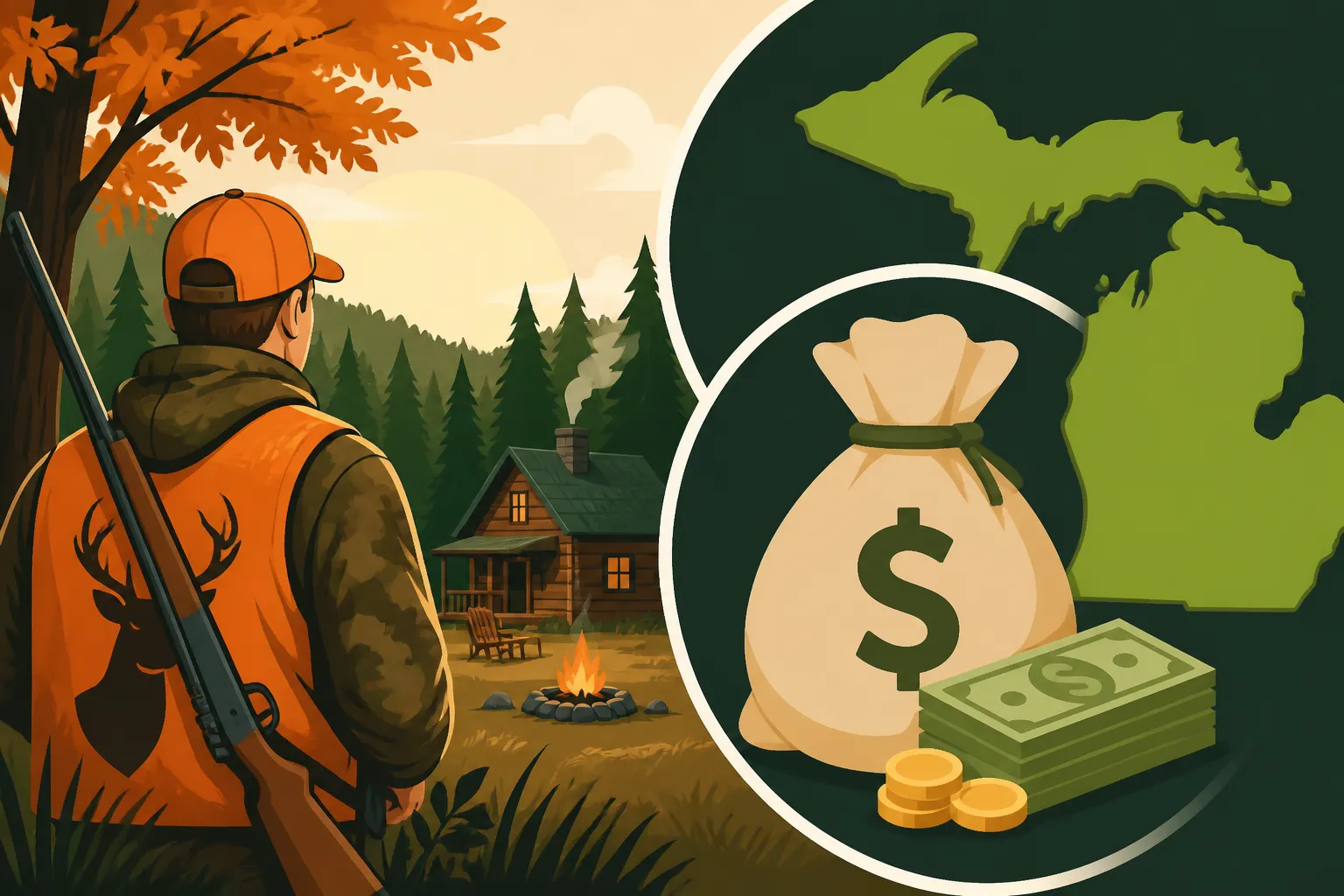
Many Michigan hunters dream of that perfect annual camp, a gathering of friends and family, a tradition steeped in the anticipation of the season. But let's be real: those dreams often come with a looming question mark over the budget. From the cost of simply getting to the hunting grounds to lodging, food, and gear, it’s easy to feel overwhelmed by how quickly expenses can pile up. This guide aims to pull back the curtain on the real costs associated with setting up and running a hunting camp in Michigan, offering practical insights to help you plan your adventure without breaking the bank.
Understanding the Different Flavors of Michigan Hunting Camps
When we talk about "hunting camp," it's not a one-size-fits-all definition in Michigan. Your budget and preferred experience will dictate which style of camp makes the most sense for you and your crew. Each option comes with its own set of financial implications, from virtually free to quite substantial.
The DIY Backcountry Basecamp
This is perhaps the purest form of hunting camp, and often the most budget-friendly. A DIY backcountry basecamp typically involves packing in everything you need, whether by foot, canoe, or ATV, and setting up a temporary camp on public land. Think tents, tarps, a portable stove, and a serious commitment to self-sufficiency. You might be deep in the Hiawatha National Forest Access or tucked away in a remote corner of state land in the Northern Lower Peninsula.
The beauty of this approach is its minimal upfront cost for lodging; you're often utilizing free dispersed camping areas. However, don't mistake "free" for "no cost." You'll still need quality gear that can withstand Michigan's unpredictable weather – a reliable tent, sleeping bags rated for cold nights, cooking equipment, and a robust first-aid kit are all essential. The true cost here often lies in the gear investment, the physical effort required to transport it, and the mental fortitude to endure rougher conditions. It's an investment in experience and independence, often a right of passage for many Michigan hunters.
The Rustic Cabin or Lease Setup
For those looking for a bit more comfort than a tent, but still want a traditional camp feel, a rustic cabin or a seasonal lease is a popular choice. This could be anything from a simple wood-heated shack on private land to a more substantial lodge shared among a group of friends or family. These setups provide a semi-permanent base from which to operate, offering shelter, a place to cook, and often some semblance of warmth and dry storage.
Leasing land or a cabin for the season, or even just for a specific hunt like Michigan's November Firearm Deer Season, involves a significant financial commitment, but one that can be managed effectively if costs are shared among a group. Annual leases in prime hunting areas can vary wildly depending on acreage, location, and amenities, but they usually require a substantial payment upfront. If you’re lucky enough to find a short-term rental cabin, you’ll be looking at nightly or weekly rates. The appeal here is having a home away from home, a consistent base year after year, and the ability to leave some gear on-site, reducing the effort of packing in and out. This often fosters a strong sense of tradition and camaraderie.
The Full-Service Commercial Lodge Experience
At the opposite end of the spectrum from the DIY basecamp is the commercial hunting lodge or guided outfitter service. These operations aim to provide a luxurious, worry-free hunting experience. You typically arrive with your hunting gear, and everything else is taken care of: lodging, meals, guides, game recovery, and often even processing. Many of these lodges operate in key areas for specific species, offering focused hunts for Michigan Black Bear Hunting or Elk in Michigan's Pigeon River Country.
This option commands the highest price point, as you're paying for expertise, convenience, and top-tier amenities. While it might seem extravagant to some, for others, it’s a valuable way to maximize limited hunting time, learn from experienced professionals, or pursue a trophy animal with a higher success rate. The cost is all-inclusive, meaning you usually just show up, hunt, and enjoy. This removes many of the logistical headaches and hidden expenses associated with setting up your own camp, but you'll certainly pay for that convenience.
Breaking Down the Core Expenses of a Michigan Hunting Camp
No matter which type of camp you choose, several core expenses will always be part of the equation. Understanding these categories is the first step in building a realistic budget for your Michigan hunting adventure.
Initial Investment: Purchase, Lease, or Rental Fees
This is often the biggest chunk of change for many hunters. If you're going the DIY route, your "initial investment" might just be a one-time purchase of a high-quality tent and camp stove, perhaps a few hundred dollars that will last for years. For others, it's far more substantial.
When considering a hunting lease in Michigan, you're looking at annual payments that can range significantly. Factors like the size of the parcel, the quality of the hunting (e.g., history of big bucks, specific habitat features like food plots, or proximity to known game trails), and its location (e.g., prime Southern Michigan Farm Country Deer Hunting versus more remote Upper Peninsula timber) all influence the price. These leases often require a multi-year commitment or a substantial deposit, so be sure to read the fine print. Rental cabins, lodges, or even Airbnb-type accommodations in hunting towns will have daily or weekly rates. These can vary drastically by season, with peak deer rifle season often commanding the highest prices. It's always wise to book well in advance for popular times to secure a spot and potentially better rates.
Operational Costs: Food, Fuel, and Supplies
Even if your lodging is free, the day-to-day costs of living in hunting camp can add up. Fuel is a huge one. Whether it’s gasoline for your truck to get to Michigan, gas for your ATV to access remote spots on public land, or propane for your heater and stove, you'll be burning through it. Think about the miles you'll put on scouting, driving to stand locations, and running into town for supplies.
Food is another major category. While camp cooking can be a fantastic part of the experience, groceries for a week or more for several hungry hunters can quickly become a significant expense. Don't forget consumables like firewood, ice, drinking water (if not available at camp), cleaning supplies, and perhaps even some treats or beverages to enjoy around the campfire. Many hunters underestimate these smaller, recurring costs, but they are crucial for a comfortable and functioning camp. Planning meals in advance and splitting grocery duties can help keep this in check.
Equipment and Infrastructure: From Tents to Treestands
Beyond the basic shelter, there's a host of equipment that contributes to the cost of a hunting camp. For a primitive camp, you'll need reliable gear: durable backpacks, sleeping pads, lanterns, and portable cooking systems. If you're using a cabin, you might still need essentials like cooking utensils, bedding, and camp chairs if they aren't provided.
Regardless of your lodging, most hunters will have personal gear costs. This includes things like treestands or ground blinds, trail cameras, scent control products, calls, and navigation tools. If you're aiming for a big deer, you might invest in quality optics, or a specialized Rifle Setups for Michigan Deer or Bow Setups for Michigan Whitetails. Don't forget game processing gear: good knives, game bags, a cooler big enough for your harvest, and potentially a meat grinder or vacuum sealer if you process your own game. These are often one-time or infrequent purchases, but they represent a significant investment in your hunting capabilities and comfort. Consider investing in tools like onX Hunt, which can save you countless hours and fuel by pinpointing public land boundaries and access points before you even leave home.
Factors Influencing Michigan Hunting Camp Costs
The total cost of your Michigan hunting camp is not a fixed number; it's a dynamic figure influenced by a variety of choices and external factors. Being aware of these can help you make informed decisions and manage your budget more effectively.
Location, Accessibility, and Amenities
Just like real estate, the location of your hunting camp plays a massive role in its cost. A lease or cabin deep within the Pigeon River Country State Forest might be more expensive due to its prime elk and deer habitat, but could also be remote and lack amenities like electricity or running water, ironically driving down its rental cost if it's very primitive. Conversely, a cabin closer to towns in the Southern Michigan Farm Country Deer Hunting might cost more due to convenience and access to services, even if the hunting pressure is higher.
Accessibility is also key. Is the camp accessible by paved road, a maintained gravel road, or does it require a 4×4 and careful navigation down a two-track? Easier access often translates to higher costs. Furthermore, the level of amenities offered heavily impacts the price. A cabin with electricity, indoor plumbing, a hot shower, and Wi-Fi will invariably cost more than a primitive dry cabin with an outhouse. If you're looking for public land camping, your best bet for free or low-cost sites will often be in Michigan's State Forests, but remember rules for Dispersed Camping on Michigan State Forest will apply, and amenities will be minimal to non-existent.
Group Size and Shared Expenses
This is perhaps the biggest lever you can pull to influence per-person costs. A solo hunting trip or camp will mean you shoulder all expenses yourself. However, bringing a group of trusted friends or family can drastically reduce individual financial burdens. A larger group can split the cost of a cabin rental, a hunting lease, groceries, and even fuel for scouting trips.
However, a larger group also has its own logistical and financial considerations. More people means more food, potentially more wear and tear on shared resources, and the need for a larger accommodation. Communication is critical when sharing costs. Establishing clear expectations about who pays for what, and how expenses will be divided, can prevent friction and ensure everyone contributes fairly. The camaraderie of a shared camp is often priceless, but effective financial planning is essential to maintain harmony.
Season Length and Target Species
The duration of your stay at hunting camp directly correlates with the overall cost. A weekend trip for Spring Turkey Hunting in Michigan will naturally be less expensive than a two-week deer hunting excursion during the Michigan's November Firearm Deer Season. Longer stays mean more food, more fuel, more time off work (which has an opportunity cost), and potentially higher rental fees.
The target species can also influence costs. Hunting Grouse and Woodcock Hunting in Michigan might require specific gear like bird dogs (and their associated care/food costs), upland vests, and specialized shotguns and ammunition, which differ from the gear needed for deer. A bear hunt often requires specific baiting supplies (if legal in your area and you're employing that method) and heavier caliber firearms, adding to the expense. Understanding the unique requirements of your chosen quarry and the length of your desired hunt will help you forecast your budget more accurately.
Strategies for Managing and Reducing Hunting Camp Costs
While some costs are unavoidable, there are plenty of ways to be smart with your money and make your Michigan hunting camp more affordable without sacrificing the experience.
Embrace the DIY and Public Land Ethos
One of the most effective ways to cut costs is to lean into the spirit of self-reliance and utilize Michigan's abundant public lands. By foregoing expensive lodge fees or private land leases, you can significantly reduce your overhead. Michigan boasts millions of acres of state and national forests, as well as State Game Areas, all open to hunting. This public land offers fantastic opportunities for a more primitive, budget-friendly camp.
This means being comfortable with tent camping, packing your own meals, and navigating without guides. Utilizing apps like onX Hunt can be incredibly valuable here, allowing you to identify public land boundaries, access points, and potential camping spots from your phone, saving you time and fuel during scouting trips. Being prepared for diverse conditions, from setting up on an Aspen Management and Michigan Grouse clearcut edge to finding a spot for Still-Hunting Michigan Cedar Swamps, means your initial gear investment needs to be smart, but once you have it, the "lodging" cost for future trips is virtually zero. You'll gain invaluable experience and a deep connection to the land in the process.
Form a Trustworthy Hunting Crew
The old adage "many hands make light work" also applies to camp finances. Splitting the costs of a lease, a cabin rental, or even just groceries and shared gear among a group of reliable friends can dramatically reduce the per-person expense. This collective approach not only makes the trip more affordable but also enriches the experience with shared memories and camaraderie.
However, choosing your crew wisely is paramount. Financial disagreements can quickly sour a hunting trip. Establish a clear budget and cost-sharing plan before anyone commits. Decide whether expenses will be split evenly, or if certain individuals will contribute more for specific resources. A well-organized group can handle bulk grocery shopping, share cooking duties, and divide the responsibility for camp setup and breakdown, making the whole operation more efficient and enjoyable for everyone.
Smart Gear Investments and Borrowing
Hunting gear can be expensive, but you don't need the latest and greatest of everything to have a successful and enjoyable hunt. Focus on acquiring essential, high-quality, durable items that will last for many seasons. Think about multi-use gear – a good cooler can serve for food storage and game transport. Don't be afraid to borrow specialized items from friends, like a large game cart or a meat grinder, if you only need them occasionally.
Prioritize your gear purchases based on safety and necessity. A reliable safety harness for a treestand is non-negotiable, for example. Over time, you can build up your collection. Look for end-of-season sales, used gear online, or consider making some items yourself if you're handy. A detailed map or a mapping app like onX Hunt is an investment that pays dividends by helping you navigate public land confidently and efficiently, reducing wasted time and fuel when Scouting Michigan Public Land Before Season.
Cooking at Camp and Minimizing Restaurant Trips
Eating out, even at fast-food joints, is a hidden expense that can quickly inflate your hunting camp budget. By planning and preparing most of your meals at camp, you can save a significant amount of money. Embrace simple, hearty camp cooking that fuels you for a day in the woods.
Consider a potluck approach where each member of the crew is responsible for a meal or two. This distributes the cooking duties and adds variety. Meals like chili, stew, pasta, or foil packet dinners cooked over a fire or on a portable stove are economical and satisfying. Buy groceries in bulk before heading to camp, especially for staples. Minimize trips to town for snacks or forgotten items by making a comprehensive list. Saving on food costs means more money for licenses, tags, or that new piece of gear you've been eyeing.
Hunting Camp Cost Comparison
Let's break down a general comparison of potential cost factors across different types of Michigan hunting camps. Remember, these are broad estimates and individual expenses will vary greatly.
| Cost Category | DIY Backcountry Basecamp (Tent) | Rustic Cabin/Lease (Shared) | Full-Service Commercial Lodge |
|---|---|---|---|
| Initial Lodging | Low (Gear purchase) | Medium (Annual lease/rental) | High (All-inclusive package) |
| Annual Fees/Rent | $0 – $50 (Permits/site fees) | $500 – $5,000+ (per group) | Included (Per person/per hunt) |
| Gear Investment | High (Quality tent, sleep sys.) | Medium (Shared amenities/personal gear) | Low (Just personal hunting gear) |
| Food & Drink | Medium (Self-catered) | Medium (Self-catered/shared) | Included (Cooked for you) |
| Fuel & Transport | Medium (Access to remote spots) | Medium (Daily travel to hunt) | Low (Often local transport included) |
| Guiding Service | No | Optional (Extra cost) | Included |
| Game Processing | DIY (Knives, coolers) | DIY or Local processor (Cost) | Often included or available |
| Comfort Level | Basic/Rugged | Moderate | High |
| Time Investment | High (Setup, tear down, cook) | Medium (Some camp duties) | Low (Maximized hunting time) |
Disclaimer
This article is for general informational purposes only and does not constitute professional advice. Laws, prices and regulations vary by location and change over time. Consult a qualified professional for guidance on your specific situation.