Crossbow Rules During Michigan Archery Season
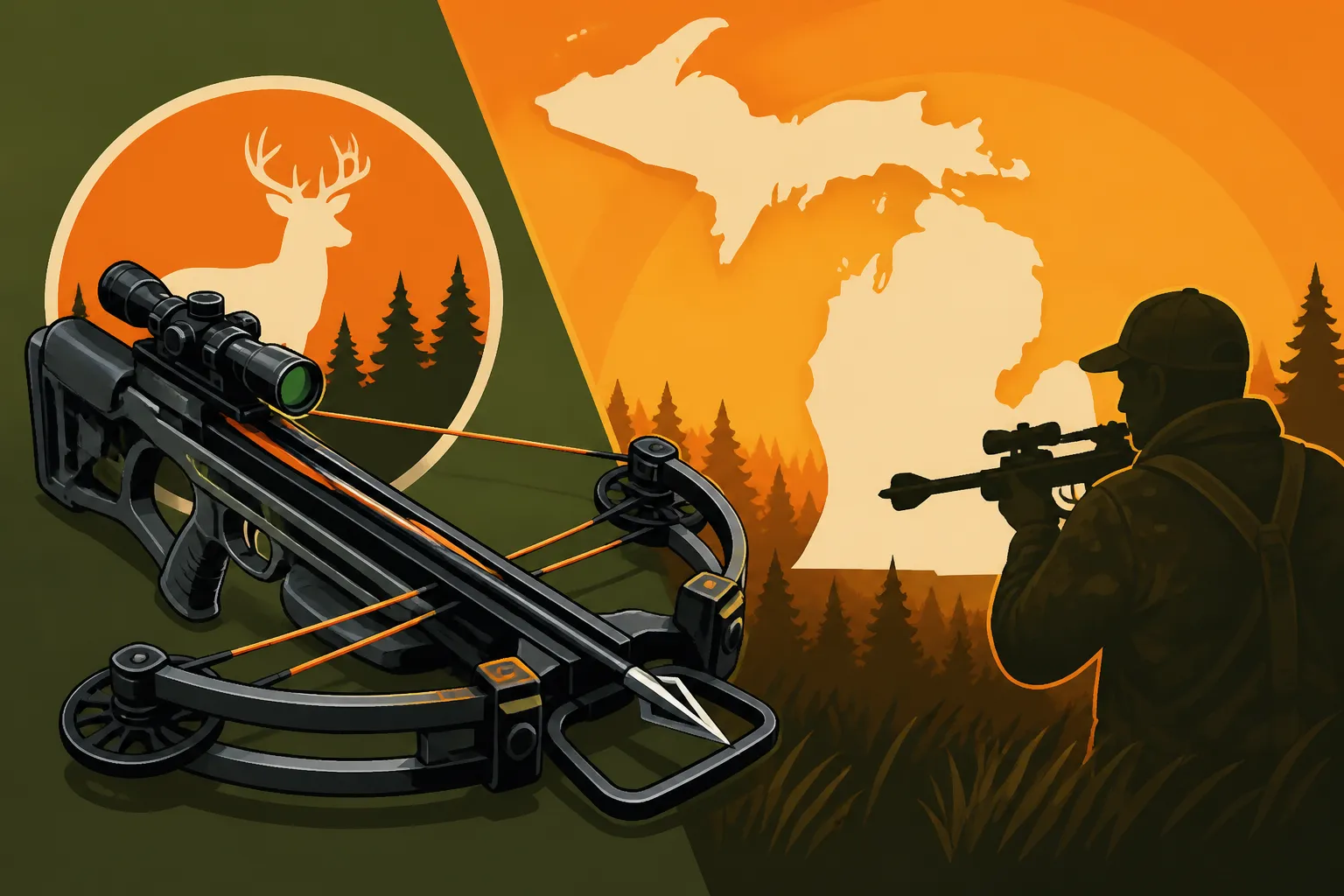
There's a lot of chatter out there about crossbows and whether they're "fair game" during Michigan's archery deer season. Many hunters, especially those of us who grew up slinging arrows from a compound or recurve, often feel a bit of confusion, and sometimes even frustration, when it comes to the legality and perception of crossbows. This guide is here to clear up that confusion, lay out the current rules, and help you understand how crossbows fit into the wider world of Michigan deer hunting.
The Evolution of Crossbow Rules in Michigan Archery Season
For a long time, the use of crossbows during Michigan's archery deer season was a hot topic, often sparking spirited debates around campfires and at sporting goods counters. There was a sense that crossbows were perhaps "too easy" or provided an unfair advantage over traditional bows, leading to restricted use. However, like many things in the world of hunting, regulations evolve to reflect changing demographics, accessibility concerns, and technological advancements.
Historical Context of Crossbow Use
Back in the day, if you wanted to hunt with a crossbow during Michigan's archery deer season, you generally needed a special permit. These permits were typically reserved for hunters with a documented physical disability that prevented them from being able to draw and hold a traditional bow. It was a well-intentioned rule, designed to ensure hunting remained accessible to everyone, but it also created a distinct separation. If you didn't have a medical reason, you were sticking to vertical bows. This created a bit of a divide and certainly didn't simplify things for new hunters or those looking to try a different method. The idea was to preserve the "archery" aspect of archery season, emphasizing the physical challenge of drawing a bow.
Imagine a new hunter, eager to get into deer hunting, perhaps with limited upper body strength or a nagging shoulder injury from years of work. They might have been intimidated by the thought of mastering a compound bow, but a crossbow felt more manageable. Yet, under the old rules, they were often out of luck for the prime archery season unless they went through the permit process. This created a barrier, and the Michigan Department of Natural Resources (DNR) recognized that there was a growing desire for more inclusive hunting opportunities.
Current General Legality for Archery Season
Fast forward to today, and the landscape has changed considerably. Michigan's regulations have evolved to allow the use of crossbows by all hunters during the entire archery deer season. That's right, whether you're a seasoned veteran or just starting out, whether you have a physical limitation or not, a crossbow is now a legal weapon choice throughout the duration of the state's archery season. This change was largely driven by a desire to increase participation, accommodate an aging hunter population, and acknowledge that modern crossbows, while different, still present unique hunting challenges.
This move has been widely welcomed by many, opening the doors for more individuals to enjoy the woods during Michigan's beautiful fall. It means that a hunter who might have aged out of comfortably pulling a compound bow can still participate in the Michigan Archery Deer Season Structure. It also makes it easier for youth hunters, who might not yet have the strength for a high-poundage compound, to get started with a crossbow under a mentor. This shift represents a broader understanding that the goal is often to simply get more people out hunting, fostering a connection to the outdoors and wildlife management.
Specific Crossbow Regulations During Archery Season
While crossbows are now broadly legal, it doesn't mean there are no rules. Just like with firearms or traditional bows, there are specific regulations governing their use, ensuring fair chase and hunter safety. You can't just pick up any crossbow and head into the woods without understanding the technical requirements.
Equipment Specifications and Requirements
Michigan's regulations are generally pretty straightforward when it comes to crossbow specifications. There isn't a strict minimum draw weight, for instance, which you might find with traditional bows. However, the bolt (the crossbow "arrow") and broadhead you use are subject to certain rules.
- Broadheads: You must use broadheads that have at least two sharp cutting edges with a minimum cutting diameter of 7/8 inches. Mechanical broadheads are absolutely permitted, but they must meet that minimum cutting diameter when expanded. This is critical for ensuring a quick, humane harvest. Using target points or field points for hunting is strictly illegal and unethical. Always double-check your broadheads to make sure they meet these specs.
- Bolts: While there's no minimum length specified, your bolts need to be well-matched to your crossbow and tipped with a legal broadhead. Using an undersized or improperly weighted bolt can affect accuracy and kinetic energy, which are both crucial for an ethical shot.
- Scopes and Sights: Crossbows are permitted to have scopes, red dot sights, and other aiming devices, which is a major advantage for many hunters, especially in low-light conditions or when precise aiming is needed. This is one of the features that sets them apart from the traditional iron sights or pin sights often used on vertical bows, offering a different aiming experience.
It's always a good practice to check the current Michigan DNR hunting digests, as specifications can occasionally be updated. What was legal last year might have a slight tweak this year, so stay informed.
Hunter Orange and Other Safety Considerations
Here's where a little confusion can sometimes creep in for crossbow hunters during the archery season. Generally, during the statewide archery deer season, hunter orange is not required. This is because archery hunting is typically done from a static position, often in a tree stand or ground blind, and the season falls outside the main firearm seasons where orange is mandatory for visibility.
However, there are exceptions and important considerations:
- Youth Hunters: If you are a mentor to a youth hunter participating in the Michigan Mentored Youth Licence Rules, or if you are hunting during the early antlerless firearm season, or the Hunting the Michigan Liberty Hunt Weekend, hunter orange rules may apply. Always ensure both you and your mentee are properly visible if required.
- Mixed Seasons: If you are crossbow hunting during a period when another firearm season is open (e.g., small game or fall turkey season), and you are not deer hunting, you might still need hunter orange depending on the specifics of those seasons. It's always best to err on the side of caution and wear orange if there's any doubt about other open seasons in your area. Michigan Hunter Orange Rules covers all the details.
- General Safety: Regardless of legal requirements, common sense safety always prevails. Handle your crossbow with the same respect and care you would a firearm. Be absolutely certain of your target and what's beyond it. Never load a bolt until you are in your stand or hunting position and ready to shoot. Always de-cock your crossbow safely when you're done hunting for the day.
Practical Implications for Michigan Archery Hunters
The widespread legality of crossbows has certainly changed the dynamics of Michigan's archery season. It's broadened the appeal of deer hunting and integrated a new set of tactics and considerations into the hunter's playbook.
Access and Opportunity for Hunters
One of the most significant impacts of the crossbow rule change has been the increased access and opportunity for a diverse group of hunters.
- New Hunters: For those just getting into hunting, crossbows can offer a less daunting entry point than traditional bows. The learning curve for accuracy might feel shorter, allowing them to gain confidence quickly. This helps foster a new generation of hunters, which is vital for conservation efforts and the future of hunting in Michigan.
- Aging Hunters: Many long-time hunters eventually face physical limitations due to age or injury. The ability to use a crossbow allows them to continue participating in the archery season, extending their hunting careers and keeping their passion alive. Imagine a hunter who's spent 40 years in the Michigan woods, and now, thanks to a crossbow, can continue chasing whitetails well into their golden years. This is a huge win for many families and hunting traditions.
- Youth Hunters: Crossbows are an excellent tool for introducing youth to deer hunting. Under Michigan's mentored youth program, a young hunter can learn the ropes with equipment that is easier to handle and aim accurately, building fundamental hunting skills and ethical practices without the added difficulty of drawing a high-poundage bow. This is a common setup for Hunting the Liberty Hunt With a Youth.
- Hunters with Injuries: Temporary or permanent injuries that might prevent someone from drawing a vertical bow no longer necessarily mean missing archery season. A crossbow can provide that bridge, allowing them to remain active in the sport.
This expansion of opportunity means more hunters are out in the woods, enjoying public lands like those detailed in Public Hunting Land in Michigan, contributing to the economy, and supporting conservation through license purchases. It's about breaking down barriers and making hunting more inclusive.
Ethical Considerations and Fair Chase
With any significant change in hunting regulations, discussions around ethics and fair chase are bound to arise. The debate often centers on whether crossbows diminish the "challenge" of archery hunting.
- The "Challenge" Argument: Traditional bowhunters often emphasize the physical skill and close-range encounters inherent in vertical bow hunting. They argue that crossbows, with their greater accuracy at longer distances and lack of a sustained draw, reduce this challenge. It's a valid perspective, rooted in a deep respect for the sport's traditions. Many feel the true essence of archery lies in that direct, physical connection to the shot.
- Modern Hunter's Perspective: On the other side, many crossbow hunters argue that while the mechanics are different, the core challenges of deer hunting remain: scouting, stand placement, scent control, reading deer behavior, and making an ethical shot. They contend that a crossbow is simply another tool, and the skill required to successfully harvest a deer is still substantial. The ability to shoot accurately at 50 yards with a crossbow doesn't automatically mean you'll find a deer at 50 yards. Most shots in Michigan timber are still relatively close range.
- Ethical Shot Placement: Regardless of the weapon, the ethical responsibility of the hunter is paramount. A crossbow's accuracy still requires practice. A well-placed bolt from a crossbow will perform just as ethically as a well-placed arrow from a compound. The hunter must still identify their target, ensure a clear shot, and be confident in their ability to make a clean kill. In many ways, the enhanced accuracy of a crossbow might even lead to fewer wounded animals if hunters are proficient.
- Impact on Deer: From a deer management perspective, the DNR hasn't observed any negative impacts on deer populations due to increased crossbow use. The overall harvest numbers tend to remain within manageable limits, and the fundamental principles of Michigan Deer Seasons and Tags are designed to sustain healthy herds.
Ultimately, the "fair chase" argument often comes down to individual philosophy. What's undeniable is that crossbows have broadened the participant base, ensuring that more people can experience the joys and challenges of hunting in Michigan. For those looking to maximize their opportunities, scouting and understanding deer movement is always key, whether you're using a crossbow, compound, or traditional bow. Tools like GoHunt can be incredibly useful for digital scouting, helping you pinpoint potential hotspots before you even set foot in the woods.
Where to Find the Most Up-to-Date Information
Hunting regulations are not static; they can change from year to year, sometimes with very little notice. It's your responsibility as a hunter to stay informed. Relying on outdated information or hearsay from a buddy can lead to costly mistakes or even legal trouble.
Relying on Official DNR Resources
The absolute best source for current and accurate Michigan hunting regulations is the official Michigan Department of Natural Resources (DNR) website and their annual hunting digests.
- DNR Website: The DNR's website is a treasure trove of information. You can find sections dedicated to deer hunting, crossbow regulations, licensing information, and season dates. Look for direct links to the current year's hunting and trapping guide. This is always the first place you should check if you have questions.
- Hunting Digests: Every year, the DNR publishes detailed digests for various hunting seasons. These physical or downloadable booklets outline all the rules, regulations, season dates, bag limits, and any special provisions for that year. Always download or pick up the latest copy before you head out.
- DNR Offices and Staff: If you have a question that isn't clearly answered in the digests or online, don't hesitate to contact your local DNR office. Conservation Officers and DNR wildlife staff are there to help and provide clarification. It's always better to ask directly than to assume.
Remember that while blogs and forums can offer valuable insights and camaraderie, they are not official sources of legal information. Always cross-reference anything you read with the DNR's published rules. This applies to everything from Michigan Antler Point Restrictions by DMU to specific carcass transport rules.
Utilizing Mapping Tools for Rules
In today's digital age, mapping applications have become indispensable for hunters. While no app replaces the official DNR digest, many provide excellent tools to visualize hunting areas and sometimes even overlay regulation information.
- Mi-HUNT and Other Mapping Apps: The Michigan DNR offers the Scouting With Michigan's Mi-HUNT Map tool, which provides public land boundaries and habitat information. Other popular mapping apps like GoHunt offer detailed satellite imagery, property boundaries, and often incorporate public land data. While these apps are fantastic for navigation and scouting, always verify specific hunting regulations, such as legal shooting hours or weapon-specific rules, with the official DNR digest.
- Understanding Boundaries: Mapping apps can help you understand where specific regulations might apply, for instance, if you're hunting near a specific DMU (Deer Management Unit) that has special rules or if you're near a safety zone. However, the app is a tool, not the rulebook itself. Know your location and cross-reference it with the DNR's written regulations.
- Planning Your Hunt: Use these tools to plan your access points, identify potential treestand locations as discussed in Treestand Setups in Michigan Hardwoods, or scout for prime habitat. Knowing your public land boundaries and understanding whether you're on state forest land, a state game area, or federal land can be crucial, as slight rule variations might exist. Just make sure that for rules, the DNR is your final authority.
By combining detailed mapping and diligent use of official DNR resources, you'll be well-prepared and confident in your understanding of Michigan's crossbow regulations, ready to enjoy a safe and successful archery season.
Disclaimer
This article is for general informational purposes only and does not constitute professional advice. Laws, prices and regulations vary by location and change over time. Consult a qualified professional for guidance on your specific situation.