Michigan’s Fifty Percent Orange Rule
Oh, the age-old debate and confusion surrounding hunter orange! It feels like every season, someone new (or even a seasoned veteran) is scratching their head, wondering exactly what the Michigan Department of Natural Resources (DNR) means by "50 percent hunter orange." It’s not just a fashion statement out there in the woods; it’s a critical safety measure, designed to make sure we all come home safe and sound after a day afield. This guide is here to untangle the requirements, clear up common misconceptions, and help you understand exactly what you need to wear to stay legal and, more importantly, stay visible and safe in Michigan’s diverse hunting landscapes.
The Foundation: Why Hunter Orange Matters So Much
Before we dive into the nitty-gritty of percentages and seasons, let’s talk about why hunter orange is such a big deal. For many of us, the idea of blending into the woods is paramount to successful hunting. You meticulously choose your camo patterns, scent control, and silent movements. Then, suddenly, you’re told to wear a bright, conspicuous color. It feels counterintuitive, doesn't it? But here’s the reality: incidents of hunters mistaking another person for game, especially during firearm seasons, were a serious concern for decades. Hunter orange was introduced specifically to combat this, creating a universally recognizable signal that screams, "I am a human! Do not shoot!"
The Science of Visibility and Safety
The human eye, particularly in low light conditions or through dense cover, has a hard time distinguishing between natural colors. A deer’s brown hide against a backdrop of similar-toned trees, or a turkey’s dark feathers in shadow, can easily blend in. But hunter orange, a fluorescent hue, stands out like a beacon. It’s not a color found in nature, making it instantly identifiable as something unnatural. This high contrast dramatically reduces the chance of misidentification, especially when combined with careful target identification, which is a cornerstone of any Michigan Hunter Safety Requirement course. It’s about being seen by other hunters, not by the game you’re pursuing, and that distinction is crucial for everyone's well-being.
Validating the Frustration: The Camo Conundrum
We get it. You invest in top-tier camouflage, designed to break up your silhouette and make you disappear into the natural environment. Then you're told to slap on a blaze orange vest or hat. It feels like it defeats the purpose, right? Many hunters worry that the bright color will spook deer or other game. And yes, while game animals can perceive color differently than humans, the consensus among wildlife biologists and experienced hunters is that deer, in particular, see hunter orange as a dull gray or brown, not the vibrant color we see. Their vision is adapted to detect movement and changes in light, not necessarily bright hues in the way human vision processes them. So, while it feels odd, your hunter orange isn't screaming "human!" to that big buck; it's just telling other hunters you're there.
When Hunter Orange is Required in Michigan
Michigan's hunter orange requirements are quite specific and depend heavily on the hunting season, the type of game you're pursuing, and sometimes even the specific hunting implement you're using. It's not a blanket rule for all hunting, which often leads to some of the confusion. Knowing when to wear it and when you can legally shed it is key to avoiding a conservation officer interaction and, more importantly, ensuring your safety.
Firearm Deer Seasons and Beyond
The most critical time for hunter orange is undoubtedly during any firearm deer season. This includes the main Michigan Firearm Deer Season Dates in November, the Early Antlerless Firearm Weekend, and the Late Antlerless Firearm Season. During these periods, anyone pursuing deer with a firearm must wear hunter orange. This extends to anyone accompanying a firearm deer hunter. But it's not just deer! This requirement also applies to hunters pursuing bear, elk, or bobcat with a firearm, or coyote during a firearm deer season. The general rule of thumb is: if it's firearm season for a larger game animal, especially deer, you need to be highly visible.
It’s worth noting that if you're out hunting other small game during these firearm deer seasons, you also fall under the orange rule. For example, if you're chasing rabbits or squirrels with a shotgun in November, you'll still need that 50 percent orange. This blanket coverage ensures that the woods are safer for everyone during these high-pressure times. Some hunters find it a bit cumbersome, but the goal is to make sure every individual is clearly identifiable as a human, regardless of what they're actually hunting.
Archery and Special Exemptions
This is where the rules can get a little tricky and where many archers breathe a sigh of relief. Generally, during Michigan's traditional Michigan Archery Deer Season Structure, hunter orange is not required. This means you can go full camo, embracing the stealth aspect of bowhunting. The same goes for fall turkey season or during waterfowl hunting. The logic here is that these methods typically involve different hunting styles, often from a fixed position, and less long-range shooting than firearm hunting, which inherently reduces some of the risks that hunter orange addresses.
However, there's a huge caveat, and this is where many misunderstandings happen: if you are archery hunting during a firearm deer season (for example, if you hold an archery tag and choose to hunt deer with your bow during the November firearm season), then the hunter orange rule does apply to you. It's not about your weapon; it's about the overlap with firearm seasons. Always check the current regulations if you plan to hunt during an overlapping period. It can be a real headache to remember all these nuances, especially when you're trying to figure out if your planned hunt for Michigan Small Game Seasons and Bag Limits might overlap with a local firearm deer hunt. Tools like GoHunt can be invaluable for quickly cross-referencing season dates and specific regional regulations to make sure you're always legal and safe.
Understanding the "Fifty Percent" Rule
So, you know when to wear it, but what exactly does "50 percent hunter orange" mean? This isn't just a suggestion; it's a specific legal requirement designed to ensure sufficient visibility from all angles. It can feel a bit vague when you first read it, leading to a lot of questions about what gear counts and how to measure it. Let's break down the practical application of this rule.
What Counts as Hunter Orange
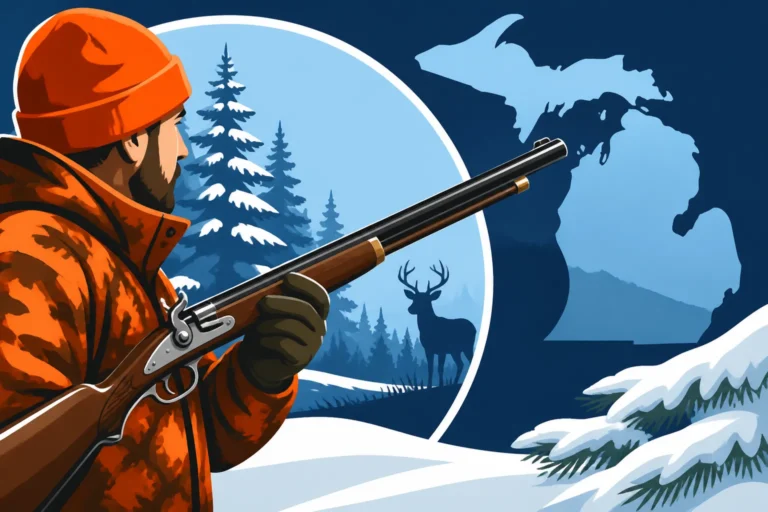
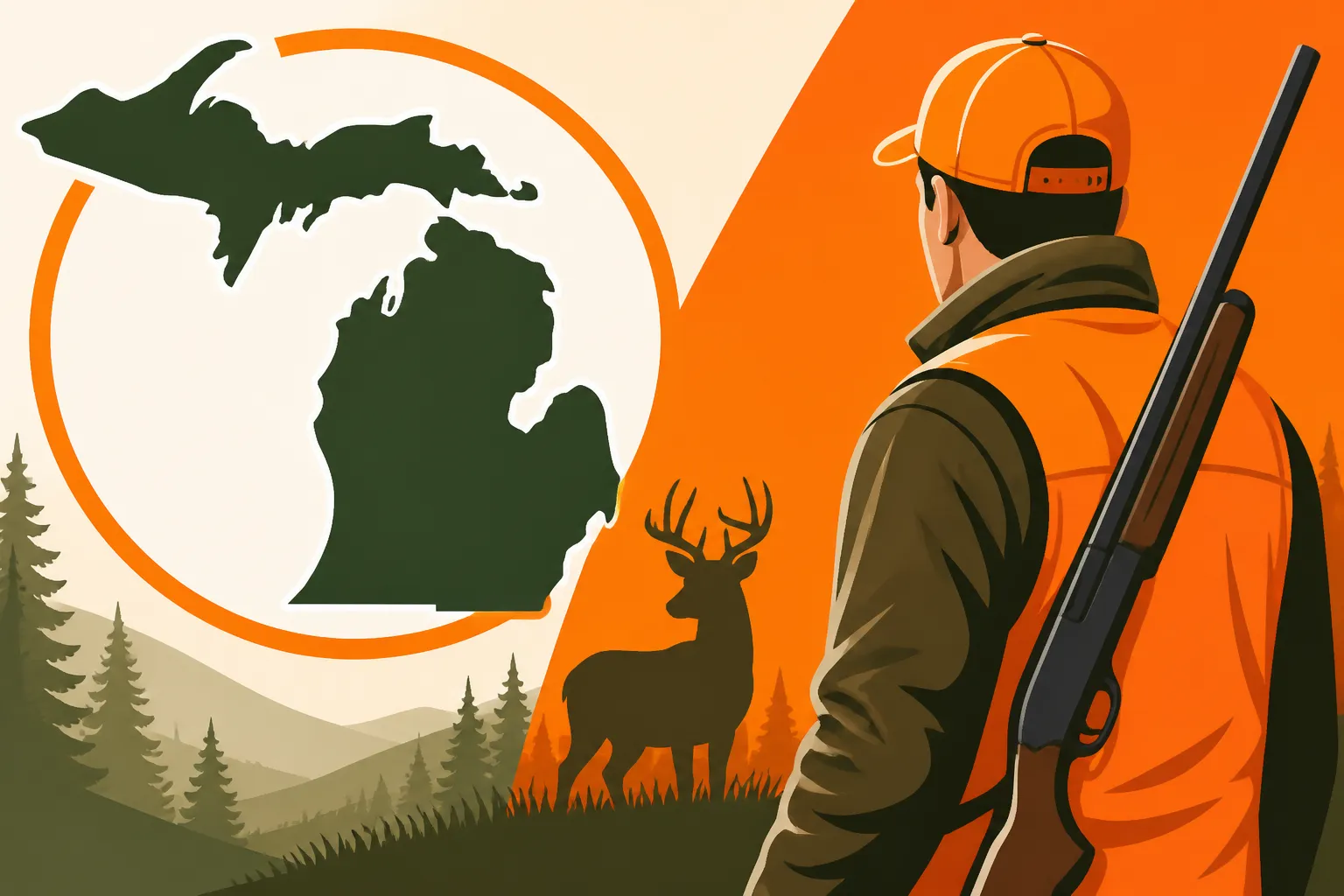
The regulation states that the hunter must wear a "blaze orange cap, hat, vest, jacket or rain gear worn as an outer garment and visible from all sides." Furthermore, the visible portion of those garments must be "50 percent hunter orange." This means it's not enough to have a small patch or trim of orange. The majority of your outer garment, whether it's a hat or a jacket, needs to be that distinctive color.
Let's imagine you have a camouflage jacket with an orange lining that only shows when you pull the zipper down, or a hat that's mostly green with a thin orange stripe. Those would likely not meet the 50 percent rule. The intent is for a significant amount of your body to be covered in orange, making you easily identifiable. Think about it from the perspective of another hunter scanning the woods for movement; they need to see you clearly, even if you're partially obscured by brush. It’s not just about meeting the letter of the law, but ensuring that critical visibility that could prevent a tragic accident. I’ve seen many folks show up to public land during firearm season with what they thought was enough orange, only to find out they needed more. It’s always better to overdo it than underdo it when it comes to safety. The guide How Much Hunter Orange Michigan Requires delves even deeper into this.
Practical Application and Material Considerations
When you're outfitting yourself, think about the total surface area your outer layers present. A good hunter orange vest or full jacket, combined with an orange hat, is generally the easiest way to meet and exceed the 50 percent rule. Your hunting pack, while often orange, doesn't typically count towards this requirement since it's an accessory, not a garment worn on your body. The material should also be durable and visible; faded orange might still be "orange," but its effectiveness diminishes.
Consider the layering for comfort and warmth, especially during the cold Michigan November firearm season. You'll likely have a base layer, mid-layers, and then your outer hunter orange garment. When choosing your outer layer, look for quality materials that are both warm and quiet, but always prioritize visibility. Sometimes you might need to wear an orange vest over your favorite insulated camo jacket. It's not always the most stylish look, but safety trumps fashion in the field. This can play a big role in your Layering for a Michigan Deer Stand strategy.
| Season/Game Type | Hunter Orange Required? | Key Exceptions/Notes |
|---|---|---|
| Firearm Deer Season (Nov. 15-30) | YES | Applies to all hunters, even those with archery tags or pursuing small game. |
| Early Antlerless Firearm Weekend | YES | All hunters afield during this specific weekend. |
| Late Antlerless Firearm Season | YES | All hunters afield during this specific season. |
| Bear, Elk, Bobcat (with firearm) | YES | Applies to hunters of these species using firearms during their respective seasons. |
| Coyote (with firearm, during firearm deer season) | YES | Coyote hunters must wear orange if hunting during any firearm deer season. |
| Archery Deer Season (no firearm season overlap) | NO | Stealth camo is legal and common for pure archery seasons. |
| Fall Turkey Season | NO | Turkey hunters typically use full camouflage. |
| Waterfowl Hunting | NO | Waterfowl hunters are usually in blinds or camouflaged setups. |
| Small Game (shotgun/rimfire, outside firearm deer season) | NO | While not required, some small game hunters choose to wear orange for added safety, especially in dense areas. |
| Michigan Mentored Youth Licence Rules Hunters | YES (Mentor & Youth) | Both the mentored youth and their qualified adult mentor must wear hunter orange. |
Exemptions and Special Situations
Michigan's hunter orange regulations, while primarily focused on safety during firearm seasons, do have specific exemptions and special considerations that can be confusing if you don't read the fine print. These aren't loopholes to exploit, but rather acknowledgments of different hunting practices where the risk profile changes. Understanding these nuances is crucial for staying legal and ensuring you're safe in all scenarios.
Specific Hunting Methods and Game
As mentioned, waterfowl hunters are generally exempt from hunter orange requirements. This makes perfect sense; you're often hidden in a blind or camouflaged boat, trying to blend in with your surroundings to attract birds. Wearing bright orange would defeat the entire purpose. Similarly, wild turkey hunters during spring and fall seasons are typically in full camouflage, trying to mimic natural elements to call in wary gobblers. The same applies to specific predator hunting scenarios, such as night hunting for coyotes where visibility is naturally low anyway.
However, the key is always context. If you are hunting a typically exempt species, but you're doing so during an open firearm deer season, the deer season's orange requirements will often supersede the species-specific exemption. For example, if you're trying to call in coyotes during the November firearm deer season, you and any companions must be wearing 50 percent hunter orange. This is also covered in the internal post When Michigan Requires Hunter Orange. It's a layer of safety protocol that ensures anyone with a firearm in the woods during specific periods is clearly visible.
Mentored Youth and Safety Zones
One particularly important area where hunter orange is consistently required, regardless of the usual exemptions, is for participants in the Michigan Mentored Youth Licence Rules program. Both the mentored youth and their qualified adult mentor must wear hunter orange. This emphasizes safety for new, often younger, hunters learning the ropes. It’s an excellent way to instill good safety habits from the start and provide maximum visibility for those who might be less experienced in identifying game or understanding their surroundings.
Another area of safety, though not directly tied to hunter orange requirements, are Michigan Safety Zone Rules. These are areas around occupied buildings where discharging a firearm is prohibited. While hunter orange increases your visibility in the general hunting woods, safety zones are about protecting private property and homes. Always be aware of your surroundings, both in terms of other hunters and proximity to dwellings, regardless of what you're wearing.
Beyond the Minimum: Maximizing Your Visibility
While meeting the "50 percent hunter orange" rule is the legal minimum, true safety-conscious hunters often go above and beyond. The woods can be unpredictable, and ensuring you're seen isn't just about avoiding a ticket; it's about making sure everyone gets home safely. Thinking proactively about visibility, especially when sharing public land, is a sign of a responsible hunter. Even with mapping apps like GoHunt, which can show you land boundaries and other public land information, you can't see every other hunter.
Strategic Placement of Orange
It's not just the amount of orange, but where it's placed. While a hat and vest cover the general requirement, consider adding orange to other areas. Some hunters will tie an orange band around the trunk of the tree their stand is in (and remove it at the end of the day, of course). Others might use orange flagging tape to mark their route in and out, especially if they're still-hunting or stalking in dense cover. The idea is to break up your silhouette with that unmistakable color from multiple angles. When you're sitting still, partially obscured by brush, or moving through thickets, having orange visible from more than just your chest and back can be a lifesaver.
Think about how you move through the woods. If you're carrying a deer on your back, ensure that your orange remains visible. Some hunters even put an orange vest over the deer itself if they're dragging it out. This isn't a legal requirement, but it's a common-sense safety measure, especially if you're coming out near dusk.
Choosing Quality Gear
Not all hunter orange is created equal. Faded, dirty, or dingy orange clothing will be less effective than vibrant, clean gear. Fluorescent orange has dyes that can degrade over time and with sun exposure, reducing its reflective properties. Investing in quality hunter orange gear that holds its color is a smart move. Look for materials that are durable, quiet, and comfortable for long hours in the field. Some manufacturers, like those found through GoHunt's gear reviews, offer excellent options that combine practicality with high visibility.
Additionally, consider the difference between a simple orange vest and a full hunter orange jacket. While a vest might meet the 50 percent rule, a full jacket offers significantly more coverage and is often preferred in colder weather. The more visible surface area you present, the better your chances of being seen by another hunter, especially during popular times on public lands where Hunting Pressure on Michigan State Land can be high.
The Broader Impact on Hunting Culture
Michigan's hunter orange rule isn't just a legalistic detail; it’s a cornerstone of our hunting culture, especially on public lands where many of us share the woods. It's a silent agreement among hunters that we prioritize safety and respect for one another. This shared understanding helps foster a safer environment, even when we don't know the other individuals out there.
Fostering a Culture of Safety
The visible presence of hunter orange across the landscape during critical seasons reinforces a safety-first mindset. It’s a constant reminder to identify your target and what is beyond it before you ever raise your firearm. It communicates to everyone that safety is paramount, and that we are all responsible for looking out for each other. This collective commitment to safety helps maintain hunting as a generally safe outdoor pursuit, despite the inherent risks involved.
When you're walking into a piece of Michigan State Forest Hunting Rules land during the firearm season, seeing other hunters in their blaze orange is reassuring. It means they're following the rules, they're visible, and hopefully, they're practicing safe hunting habits. It's a simple, effective way to reduce the anxiety of sharing the woods with strangers and allows everyone to focus on their hunt with a greater sense of security.
Respecting the Rules and Each Other
Ultimately, abiding by Michigan's hunter orange rules is about respecting the law and, more importantly, respecting your fellow hunters. It's about acknowledging that even in our pursuit of wild game, human life and safety come first. Whether you agree with the precise percentage or not, the intent is clear: reduce accidental shootings. By conscientiously wearing the required orange, we contribute to a safer, more responsible hunting community in Michigan. It's a small act that has a massive impact on the well-being of everyone who steps into our beautiful woods.
Disclaimer
This article is for general informational purposes only and does not constitute professional advice. Laws, prices and regulations vary by location and change over time. Consult a qualified professional for guidance on your specific situation.