Packs for a Day on State Land
Heading out for a day of hunting on Michigan's vast public lands can be an incredible experience, but it also comes with unique challenges. Far too many hunters find themselves either lugging around a pack stuffed with unnecessary weight, making every step a chore, or realizing they've forgotten something absolutely essential miles from the truck, leading to frustration, discomfort, or even safety concerns. This comprehensive guide is here to help you navigate the often-overlooked art of choosing, packing, and organizing the perfect day pack so you can focus on the hunt itself, rather than what's weighing you down or what you left behind.
The Unique Demands of Michigan State Land Hunting
Michigan offers an incredible amount of public land, from sprawling state forests and game areas to national forests, but this abundance of access comes with its own set of considerations for what you carry and how you carry it. Unlike hunting a small private parcel where your truck might be just a short walk away, state land often means significant distances, varied terrain, and an increased need for self-sufficiency.
Covering Ground and Varying Terrain
Think about some of your favorite Michigan hunting spots. Are they flat, open fields? Probably not for long. More often, you're navigating through dense aspen cuts, slogging through cedar swamps, or climbing gentle ridges in mature hardwoods. All of this demands a pack that moves with you, doesn't snag on every branch, and distributes weight comfortably. You might start your day with a brisk walk down a two-track, then veer off into thick cover, pushing through brush for hours. A poorly designed or overloaded pack can turn an enjoyable stalk into an exhausting ordeal, leaving you too winded to make a shot or too sore to continue. The ability to cover ground efficiently, especially when scouting for sign or still-hunting, is paramount. Whether you're considering Entry Routes on Flat Michigan Ground or slogging through Hunting Michigan Cedar Swamps, your pack plays a critical role in your endurance and agility.
Unpredictable Michigan Weather
If there's one thing Michigan is known for, it's weather that can't make up its mind. A crisp, cool October morning can quickly turn into a surprisingly warm afternoon, only to be followed by a sudden rain shower or even a few snowflakes. November firearm season often brings rain, sleet, and sometimes heavy snow. Being prepared for these rapid changes is crucial for comfort and safety. Your pack needs to be capable of holding extra layers, rain gear, and perhaps even a spare pair of gloves or a dry hat. Getting soaked and cold miles from your vehicle isn't just unpleasant; it can be dangerous. A properly packed bag allows you to adapt to whatever Mother Nature throws your way, ensuring you can stay out longer and remain focused. When you're thinking about Clothing for a Michigan November, remember it all has to fit somewhere.
The "Self-Reliance" Factor
When you're deep in a state forest, far from paved roads and often out of cell service, you become your own primary support system. There's no quick run to the truck for a forgotten item, and if you get a deer down, you're responsible for getting it out. This self-reliance impacts your packing strategy significantly. You need to carry not just what you might use, but what you absolutely need to handle potential situations: navigation aids, basic first aid, fire-starting materials, and the tools to field dress and begin to process an animal. The heavier demands of hunting remote public lands mean your pack needs to be more than just a glorified tote; it's a mobile base camp, ensuring you have the essentials for both success and survival.
Choosing the Right Day Pack for Michigan Adventures
Selecting the right day pack isn't about finding the most expensive or trendiest option; it's about matching the pack to your specific hunting style, the duration of your hunt, and the amount of gear you typically carry. Michigan's varied hunting opportunities, from early archery to late-season small game, mean that one pack might not perfectly fit every scenario, but there are versatile options.
Hydration Packs and Minimalist Vests
For those fast-paced, highly mobile hunts where every ounce counts, a minimalist approach might be ideal. Think early season archery hunts where you're not wearing many layers, or a swift grouse hunt with a dog. Hydration packs, essentially a water bladder with minimal storage, are fantastic for staying hydrated without adding bulk. They're often streamlined and quiet, perfect for slinking through the woods. Similarly, some hunters prefer vest-style packs, particularly for upland bird hunting. These vests often have numerous pockets for shells, a game bag for birds, and sometimes a small pouch for water and snacks. They keep essentials close at hand and distribute weight across your shoulders and back, leaving your waist free for climbing or crawling. The downside, of course, is limited capacity; you won't be stowing much more than the absolute necessities, making them less suitable for longer, colder deer hunts requiring more layers or recovery gear.
Small to Medium Day Packs (1500-2500 cubic inches)
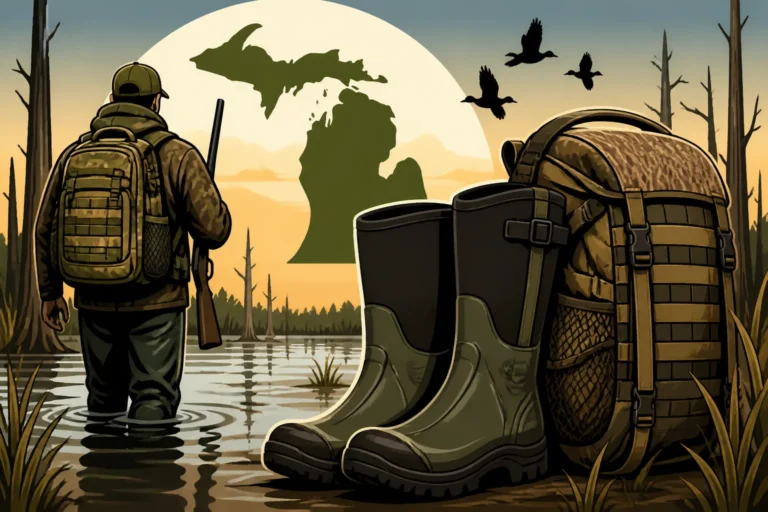
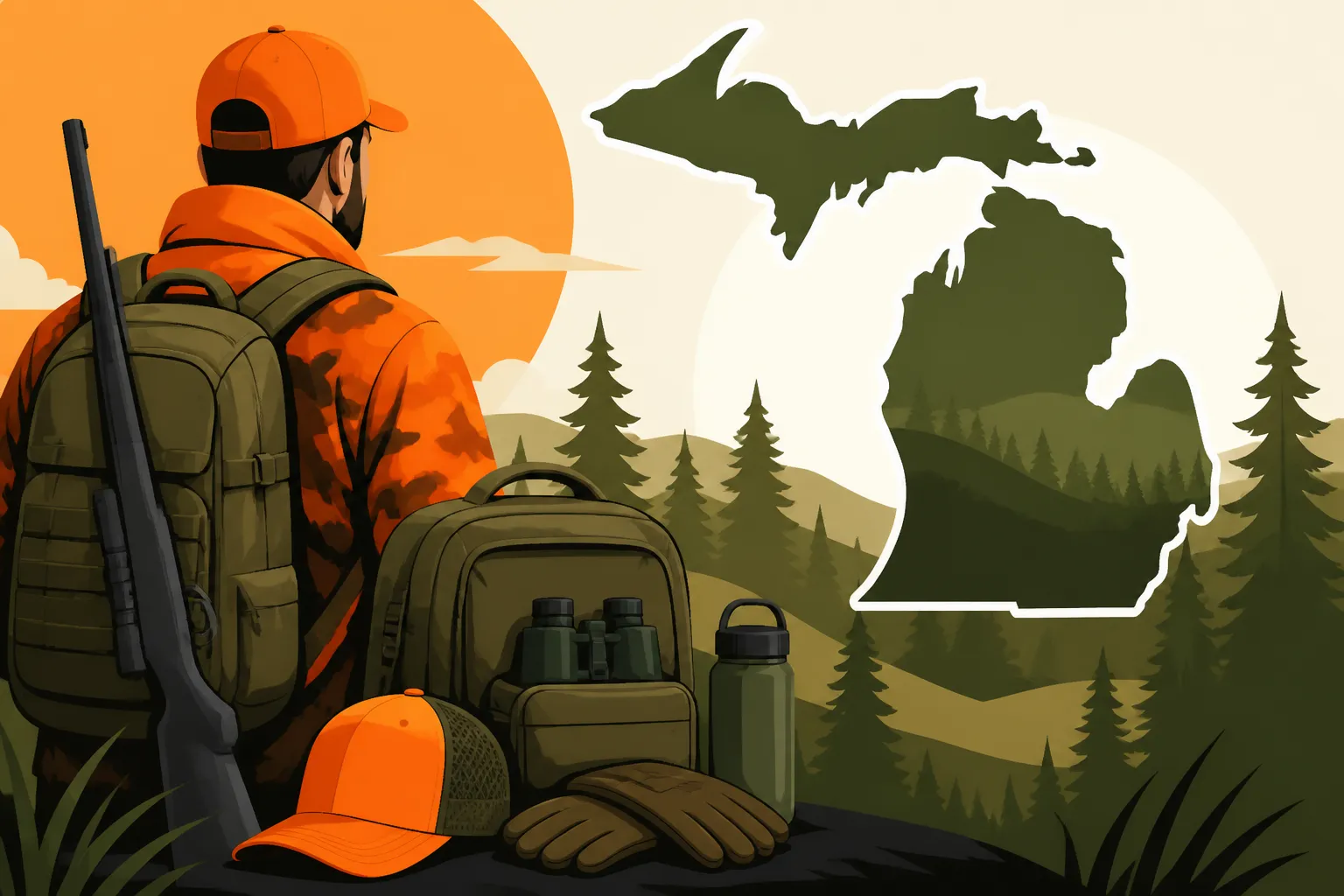
This category represents the workhorse for most Michigan day hunters. A pack in the 1500-2500 cubic inch range offers a fantastic balance of capacity, comfort, and maneuverability. It's large enough to hold all your essentials for an all-day sit in a treestand—extra layers, rain gear, lunch, water, calls, a rangefinder, and a basic first-aid kit. At the same time, it's not so bulky that it will hinder your movement through thick brush or create excessive noise. Look for features like multiple compartments to keep gear organized, external compression straps to cinch down your load when the pack isn't full, and perhaps a padded hip belt to transfer weight off your shoulders. Many of these packs also feature quiet fabrics and zippers, which are crucial when silence is key. They are versatile enough for most deer, turkey, or even longer small game excursions. If you're looking to upgrade or researching options, resources like GoHunt often feature reviews and comparisons of packs in this popular size range, helping you narrow down your choices based on material, features, and comfort.
Frame Packs (Internal/External) for Potential Hauls
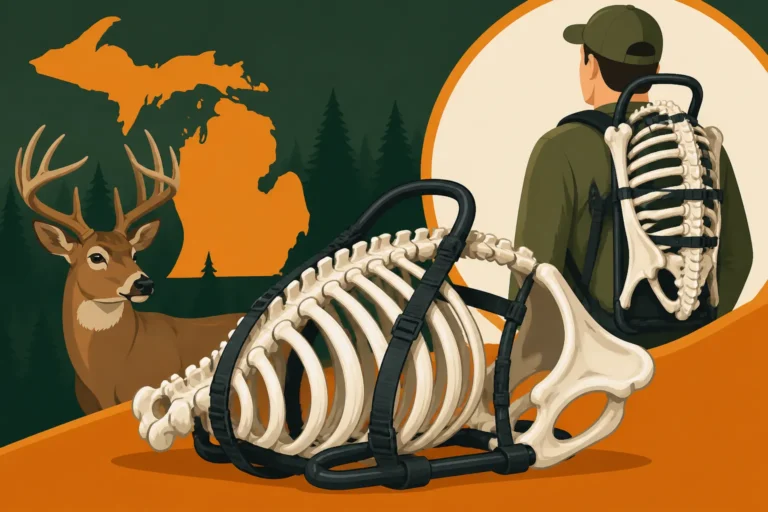
While the term "day pack" usually implies lighter loads, Michigan hunters on state land sometimes face the happy problem of needing to pack out a substantial animal. If your hunting plans involve significant distances from your vehicle, or if you're specifically targeting larger game like bear or elk (should you be lucky enough to draw a tag), a pack with a strong frame, whether internal or external, might be a smart choice for a day pack. These packs excel at carrying heavy, awkward loads. An internal frame pack offers better integration with your body for agility, while an external frame can be a workhorse for truly massive loads or lashing items to the exterior. Even if you're not planning to pack out an entire deer, the ability to comfortably carry a boned-out animal in a Frame Packs for Boning Out a Deer is a huge advantage over trying to drag it for miles. Many hunters will bring a smaller, dedicated "day pack" and leave a larger frame pack at camp or in the truck, only retrieving it if they are successful. However, some newer hunting packs ingeniously combine the features of a comfortable day pack with the load-carrying capability of a light frame, allowing you to compress it down when empty and expand it for the haul out.
Essentials for Your Michigan Day Pack
Knowing what to put in your pack is just as important as the pack itself. Every item should have a purpose, especially when you're carrying it all day long over varied terrain. Think about categories of gear: safety, sustenance, and hunting-specific tools. This methodical approach helps ensure you don't forget critical items while also avoiding unnecessary bulk.
Safety and Navigation Gear
When you venture onto Michigan's state land, particularly in less trafficked areas or the vast expanse of the Upper Peninsula, safety and navigation become paramount. Getting disoriented or injured far from help is a real concern. Always carry a reliable GPS unit or a smartphone with downloaded maps, such as the Scouting With Michigan's Mi-HUNT Map. Don't rely solely on cell service; it's often non-existent in remote areas. Complement your digital tools with a physical compass and a map, and know how to use them. A high-quality headlamp with fresh batteries, or a spare set, is non-negotiable, especially for walking out after dark. You never know when a quick afternoon hunt might extend past sunset. Consider packing a small, basic first aid kit to handle minor cuts, scrapes, or blisters, which can quickly become major issues when you're miles from civilization. Items like pain relievers, bandages, antiseptic wipes, and moleskin are invaluable. Lastly, a small fire-starting kit (lighter, waterproof matches, fire starter tinder) could be a lifesaver in an unexpected overnight situation. These items are light but provide immense peace of mind. For more detailed advice on handling emergencies, consider reviewing information like First Aid Kits for Remote Upper Peninsula Ground.
Comfort and Sustainment
A comfortable hunter is a patient hunter, and patience often leads to success. Staying hydrated and fueled throughout the day is crucial. Always carry more water than you think you'll need; a good rule of thumb is at least 1-2 liters, depending on the temperature and your activity level. Electrolyte packets can also be a game-changer on warm days. Pack calorie-dense, easy-to-eat snacks like trail mix, energy bars, or jerky. These keep your energy levels stable without requiring a big sit-down meal.
Beyond food and water, think about layers. As discussed, Michigan weather can be fickle. Even if it starts warm, bringing a packable rain jacket, an extra fleece or wool layer, and perhaps a dry pair of gloves can make the difference between a miserable, cold retreat and a comfortable extended hunt. A small sit pad can also increase comfort during long sits on cold or damp ground. The goal is to avoid shivering or being drenched, which saps focus and energy. You can learn more about strategic layering in articles like Layering for a Michigan Deer Stand.
Hunting-Specific Tools
This category will vary based on what and how you're hunting, but there are some common denominators for Michigan hunters. For deer hunting, this includes a good quality rangefinder, especially if you're bowhunting or hunting in thick cover where distances can be deceiving. A pair of binoculars is essential for spotting game or identifying movement without drawing attention. Calls (deer, turkey, predator) are often carried, along with extra ammunition or broadheads.
If you're successful, you'll need a Field Dressing Knives Worth Carrying and perhaps a small game saw. Some hunters also carry game bags to protect meat from dirt and insects, especially during warmer archery seasons. A roll of flagging tape can be useful for marking a blood trail or your path back to the vehicle. For upland birds, you'll need extra shotgun shells and possibly a dog leash. Take a moment before each hunt to specifically consider what tools are absolutely necessary for that particular day and that particular game species. Websites like GoHunt often provide excellent gear reviews and detailed checklists that can help tailor your packing for specific hunting scenarios or gear considerations like Rangefinders in Thick Cover.
| Pack Type | Capacity (Approx. Cu In) | Best Use Cases in Michigan | Pros | Cons |
|---|---|---|---|---|
| Hydration Pack/Vest | 100-500 | Run-and-gun turkey, grouse, early archery | Lightweight, agile, easy hydration access | Very limited storage, no heavy hauling |
| Small Day Pack | 1500-2000 | Bow/firearm deer, fall turkey, rabbit | Versatile, good balance of size & capacity | Might struggle with heavy meat hauls |
| Medium Day Pack | 2000-2500 | Longer deer sits, colder weather, bear | Holds layers, food, essentials, comfortable | Can feel bulky in very thick cover |
| Frame Pack (Day-capable) | 2500+ | Remote deer hunting, bear, potential meat out | Excellent load carrying, can haul heavy loads | Heavier, sometimes noisier, less agile |
Packing Smart: Organization and Fit
Having the right gear is only half the battle. How you organize and carry it within your pack profoundly impacts your comfort and efficiency. A well-packed bag feels lighter, allows for quicker access to essential items, and protects your gear from the elements.
Strategic Loading
Think of your pack as having different zones. Heavy items should be placed closest to your back and slightly above your hips, allowing your strong core muscles to bear the weight. This improves balance and reduces strain on your shoulders. Items you might need quickly, like a rangefinder, grunt tube, map, or water bottle, should go in external pockets or the top compartment for easy access without digging through everything. Less frequently accessed items, like your rain gear or extra layers (unless weather is highly unpredictable), can be placed at the bottom. This systematic approach means you spend less time fumbling and more time hunting. Imagine trying to silently pull out your rattling antlers only to have them snag on your rain jacket at the bottom of your pack – strategic loading prevents these frustrating moments.
Customizing the Fit
Even the best pack will feel terrible if it's not fitted properly. Most modern hunting packs come with adjustable shoulder straps, a sternum strap, and a hip belt. Start by loosening all straps. Put the pack on, then fasten the hip belt so it rests comfortably over your hip bones, transferring most of the weight. Then, tighten the shoulder straps just enough so the pack doesn't pull away from your back; they should carry some weight, but not all of it. Finally, buckle and adjust the sternum strap to prevent the shoulder straps from digging in or slipping off, ensuring they sit across your chest comfortably. Walk around, adjust, and re-adjust until the pack feels like an extension of your body, distributing the load evenly and preventing chafing or hot spots during long treks, especially if you're navigating uneven terrain. A properly fitted pack is a silent, comfortable partner on any hunt.
Weatherproofing Your Contents
Michigan is synonymous with moisture, whether it's damp snow, drizzling rain, or morning dew. Protecting your gear from the elements is non-negotiable. Many packs come with integrated rain covers, which are fantastic for quick deployment. If yours doesn't, consider purchasing a separate rain cover. Beyond the external cover, think about internal waterproofing. Use dry bags or sturdy Ziploc-style freezer bags for items that absolutely cannot get wet, like your phone, maps, first aid kit, extra socks, or fire-starting materials. Even items like extra ammunition or calls can benefit from being in a sealed bag. This layered approach to weather protection ensures that even if your outer pack gets soaked, your critical gear remains dry and functional, preventing a ruined hunt or, worse, a dangerous situation.
Disclaimer
This article is for general informational purposes only and does not constitute professional advice. Laws, prices and regulations vary by location and change over time. Consult a qualified professional for guidance on your specific situation.