Cold Weather Sitting Strategy
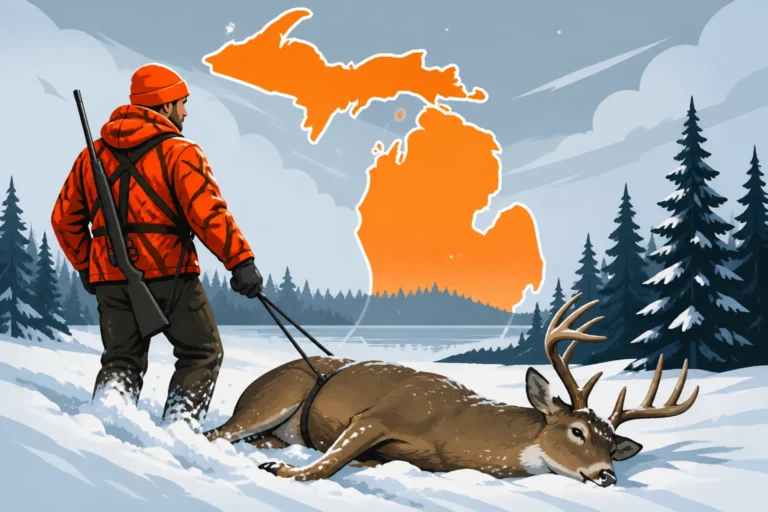
There’s nothing quite like the biting chill of a Michigan November morning, or the deep freeze of a late December sit, to make you question every life choice that led you to a deer stand. The cold can be downright brutal, turning what should be an exciting hunt into an exercise in shivering misery. This guide is all about equipping you with the knowledge and strategies to not just endure those frigid hunts, but to truly thrive, staying warm, alert, and ready when that big buck finally steps out.
Understanding Michigan's Winter Chill
Michigan's cold weather isn't just a simple drop in temperature; it's a complex beast of dampness, wind, and varying conditions that can penetrate even the hardiest hunter's defenses. From the lake-effect snows of the Upper Peninsula to the open, windy farm fields of the Lower, understanding what you're up against is the first step in beating the cold.
The Impact of Wind Chill and Humidity
You might check the forecast and see 20 degrees Fahrenheit, but if there's a stiff wind blowing across an open field, that "feels like" temperature can plummet into the single digits or even below zero. This is wind chill, and it's a hunter's worst enemy. Wind strips away the thin layer of warm air your body naturally creates around itself, making you lose heat at an accelerated rate. This is particularly noticeable in wide-open areas or on exposed ridges. You'll feel it creeping into your gloves, seeping through your jacket, and freezing your ears.
Beyond just the direct wind, Michigan's humidity levels can also play a subtle but significant role. Even if the air isn't physically wet with rain or snow, high humidity makes the air feel colder because water conducts heat away from the body much more efficiently than dry air. This is why a 30-degree day in Michigan can feel far more piercing than a 30-degree day out West, where the air is often much drier. The dampness here just seems to get into your bones, making proper insulation that can handle moisture absolutely critical. Ignoring these factors is a surefire way to cut your hunt short.
How Different Seasons Bring Different Cold
The "cold" in early November during Michigan's November Firearm Deer Season is a different beast entirely from the "cold" of late December during the Muzzleloader Deer Hunting in Michigan season. In early November, you might get crisp, frosty mornings that warm up nicely by midday, allowing for lighter layering. However, the potential for rain or sleet is still high, and a wet cold is a devastating cold. You might start a morning hunt comfortable, only to be soaked and shivering an hour later if you're not prepared for precipitation.
By contrast, late-season hunting often means consistent, deep freezes. The ground is usually frozen solid, lakes are iced over, and snow is a constant presence. While you might not have the same risk of rain, the sheer duration of extreme cold means your gear needs to provide maximum insulation for hours on end without fail. The sun offers little warmth, and once the temperature drops, it usually stays down. You need to adjust your expectations and your gear strategy accordingly. For example, a successful strategy for Hunting the Peak Rut Week in Michigan might look very different from a strategy for Hunting Michigan's Late Archery Season, even if both involve cold weather.
Layering for Maximum Warmth and Mobility
The secret to staying warm in a Michigan deer stand isn't about wearing one giant, bulky coat. It's all about layering. This allows you to trap warm air, manage moisture, and adjust to changing conditions throughout the day. Getting this right means the difference between an enjoyable hunt and one where you're constantly thinking about getting back to the truck.
The Art of the Base Layer
Your base layer is arguably the most important part of your cold weather system. This is the layer directly against your skin, and its primary job is to wick moisture (sweat) away from your body. Sweat is your enemy in the cold because as it evaporates, it rapidly cools your skin, leading to hypothermia. This is why cotton is absolutely forbidden for base layers; it absorbs moisture and holds it there, making you cold and clammy.
Instead, opt for high-quality synthetics or merino wool. Merino wool, in particular, is a fantastic choice because it wicks moisture, insulates even when damp, and has natural odor-fighting properties—a huge bonus when you're spending long hours in the woods. Look for medium to heavy-weight base layers for Michigan's colder hunts. A good set of long johns and a long-sleeve top from brands like Smartwool, Minus33, or Sitka can make a world of difference. Remember, even if it's freezing, walking to your stand can make you sweat. That moisture needs to move away from your skin immediately, so you stay dry and warm once you settle in.
Mid-Layers for Insulation
Once your base layer is doing its job, your mid-layers are all about trapping air and providing insulation. This is where you build up the bulk of your warmth. Fleece, down, and synthetic puffy jackets are excellent choices here. The key is to have multiple, thinner mid-layers rather than one thick one. This creates more dead air space, which is what actually keeps you warm.
For example, you might wear a lightweight fleece pullover over your merino base layer, followed by a heavier fleece jacket, and then perhaps a synthetic insulated vest or jacket. This allows you to add or remove layers as needed. Walking into the stand? Maybe just the base and a light fleece. Sitting still for hours in a stiff breeze? Pile on all the mid-layers. Brands like Patagonia, Arc'teryx, and even budget-friendly options from Cabela's or Bass Pro Shops offer excellent mid-layer choices. The beauty of this system is its versatility. Our detailed guide on Layering for a Michigan Deer Stand dives deeper into specific combinations.
Outer Layers for Protection
Your outer layer, or shell, has a critical dual role: to protect you from the elements (wind, rain, snow) and to provide a final layer of insulation. It needs to be windproof and, ideally, waterproof or at least highly water-resistant. This is where you want something durable and quiet, as noise can be a big issue when deer hunting, especially on a still, cold morning.
Look for insulated hunting parkas and pants that are designed for cold weather. These often have a durable outer fabric, a waterproof membrane (like Gore-Tex or similar), and some form of built-in insulation, whether it's synthetic or down. For Michigan, a good outer layer should be able to handle a surprise snow squall or a steady drizzle without soaking through. It also needs to be roomy enough to accommodate all your base and mid-layers without compressing them, which would reduce their insulating power. When choosing between materials, consider our insights on Wool Versus Synthetics in Wet Snow for optimal performance.
Essential Gear for Long, Cold Sits
Beyond clothing, several pieces of specialized gear are absolutely crucial for a comfortable and effective cold weather sit. These are the items that can turn a miserable outing into a memorable one, keeping you in the stand longer and increasing your chances of success.
Foot and Hand Warmth
Cold feet and hands are often the first things that send a hunter packing. They’re also the hardest to keep warm. For your feet, forget cotton socks entirely. Layering wool or synthetic socks is key. Start with a thin wicking liner sock, then a thicker wool or blended sock over it. Your boots need to be waterproof, insulated, and most importantly, sized correctly to allow for thick socks and still have enough room for air circulation. If your boots are too tight, they’ll restrict blood flow and your feet will get cold much faster. Look for boots rated for extreme cold, like those from Schnee's or Lacrosse, and refer to our guide on Insulated Boots for All-Day Sits for specific recommendations.
For hands, a layering approach works best here too. Thin liner gloves that allow for dexterity are great for handling your bow or rifle. Over those, use insulated mittens or "shooters mitts" that flip back, allowing quick access to your trigger finger. Hand warmer packets, like those from HotHands, are an absolute game-changer. Place them in your mittens or in a hand muff. A good hand muff, perhaps one that attaches to your waist, can be a lifesaver, providing a warm pocket for your hands without hindering movement or needing to take off gloves every time you need to grab something. Don't underestimate the power of Hand Warmers That Last a Full Sit.
Elevated Stands and Ground Blinds
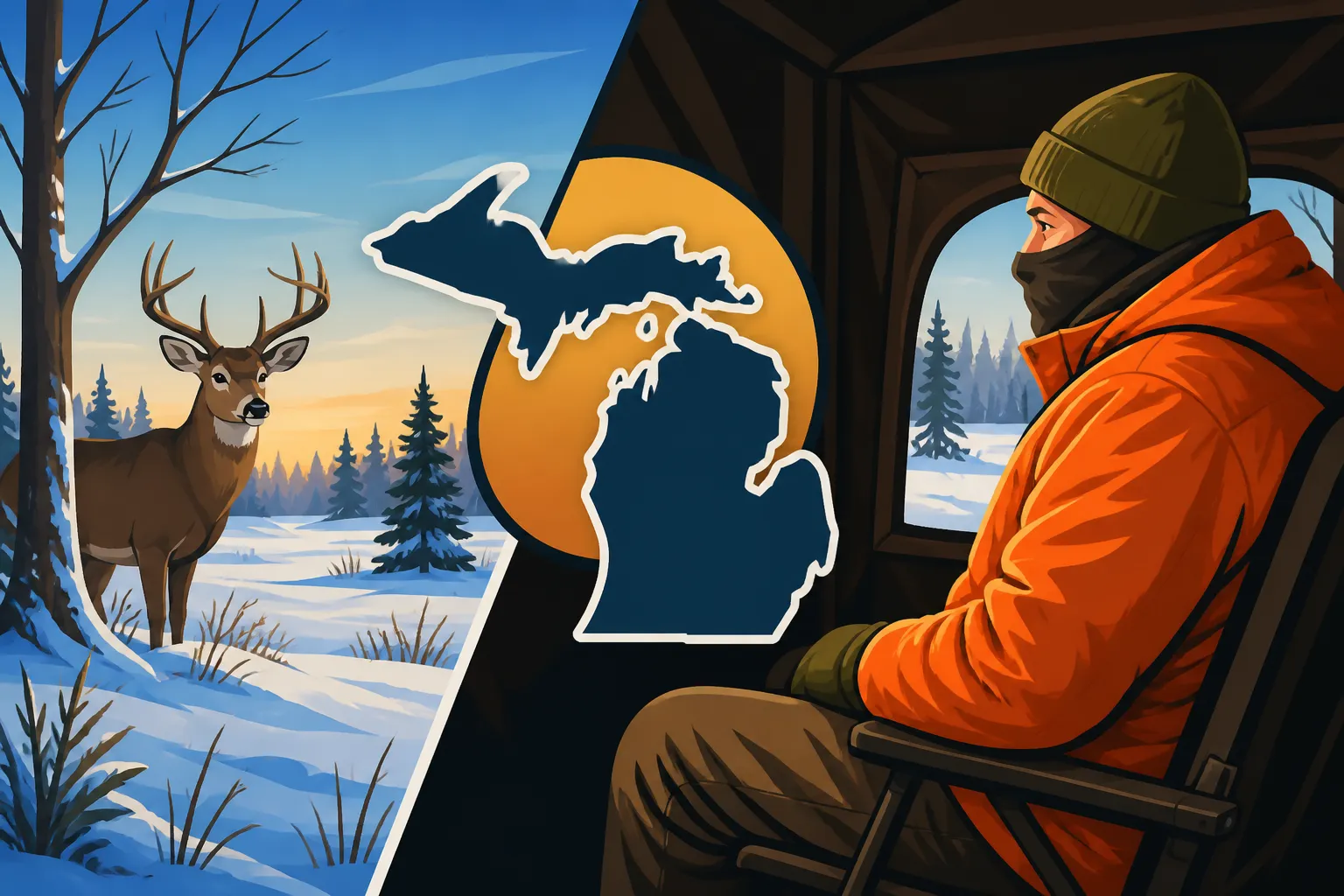
Whether you're in a treestand or a ground blind, modifying your setup for cold weather can significantly improve your comfort. For treestands, a quality cushion or a small piece of insulated foam will provide a barrier between you and the cold metal or plastic of the stand. Consider a heated seat cushion if you really struggle with lower body warmth. A wind screen that attaches to your stand can also make a huge difference, blocking those biting gusts that cut through your layers.
In a ground blind, the immediate advantage is being out of the direct wind, but the floor can still transfer cold. Lay down a thick piece of carpet, foam mats, or even a tarp with leaves piled on top to insulate the floor. A small, portable propane heater (used with extreme caution and proper ventilation!) can also provide a surprising amount of warmth in a blind. When setting up, think about strategic placement. Using tools like the GoHunt app for detailed mapping and terrain analysis can help you find optimal spots that offer natural wind breaks or sun exposure for a warmer hunt. Our article on Using a Ground Blind on Michigan State Land offers more specific advice on optimizing your setup.
Food, Drink, and Accessories
What you put into your body can have a big impact on how well it generates heat. Pack calorie-dense snacks like nuts, trail mix, and high-energy bars. These provide the fuel your body needs to keep its internal furnace burning. A thermos filled with hot coffee, tea, or even just hot water can be incredibly comforting and provide a welcome internal warmth boost. Sip it slowly throughout your sit.
Beyond sustenance, consider a few other accessories. A good headlamp with fresh batteries is vital for walking to and from your stand in the dark, especially if you're Tracking a Deer in Michigan Snow. A small, lightweight backpack is perfect for carrying all these essentials, along with extra layers you might shed or add throughout the day. Check out our recommendations for Packs for a Day on State Land to find the right fit for your needs. Even something as simple as a wide-brimmed hat or facemask can protect your face from windburn and reduce heat loss from your head.
| Item Type | Key Features for Cold Weather | Why It Matters | Recommended Material/Example |
|---|---|---|---|
| Base Layer | Moisture-wicking, quick-drying, insulating | Keeps sweat away from skin, prevents chilling | Merino wool, Synthetic (polyester) |
| Mid-Layer | Traps warm air, breathable | Provides bulk insulation, allows layering adjustment | Fleece, Down, Synthetic Puffy |
| Outer Layer | Windproof, waterproof/resistant, quiet | Blocks wind, repels precipitation, retains heat | Insulated parka & pants with Gore-Tex/similar |
| Footwear | Waterproof, insulated, roomy | Keeps feet dry and warm, prevents frostbite | Insulated rubber boots, pack boots (e.g., Schnee's) |
| Handwear | Layered dexterity, strong insulation | Protects vulnerable extremities, allows weapon use | Liner gloves + Insulated mittens/shooters mitts |
| Headwear | Windproof, covers ears and neck | Prevents significant heat loss from head/neck | Wool beanie, balaclava, insulated hood |
| Accessories | Energy-rich, internal warmth, visibility | Sustains energy, comforts, aids navigation | Hot thermos, high-cal snacks, hand warmers, headlamp |
Mental Fortitude and Safety in the Cold
Hunting in cold weather is as much a mental game as it is a physical one. It tests your resolve and your patience. But beyond just toughing it out, there are crucial safety considerations you must always keep in mind to ensure you make it home safely.
Managing Discomfort and Maintaining Focus
It's easy to get discouraged when the cold starts to set in. Your nose is running, your fingers are stiff, and every movement feels like an effort. However, succumbing to the cold too early means missing opportunities. Try to break your sit into smaller segments. Tell yourself you'll stay for another hour, then another. Focus on the positive aspects: the crisp air, the quiet woods, the unique challenge. Staying mentally engaged is critical.
Use your senses. Scan the woods for movement, listen for the crunch of leaves or the distant sound of a branch snapping. Practice your calls, even if you don't use them frequently, just to keep your hands and mind active. If you're using a mapping app like GoHunt, take a few minutes to review the terrain, identify potential deer movement patterns, or mark new sign you've spotted. This keeps your mind active and away from the cold. Remember, deer are still moving in the cold, often seeking Late-Season Food Sources for Whitetails or bedding down in thermal cover like cedar swamps as detailed in Reading a Michigan Cedar Swamp for Deer. If you're packed up and gone, you'll never know what walked by.
Preventing Hypothermia and Frostbite
The biggest dangers in cold weather hunting are hypothermia and frostbite. Hypothermia occurs when your body loses heat faster than it can produce it, leading to a dangerously low body temperature. Symptoms include shivering, confusion, slurred speech, and loss of coordination. Frostbite is the freezing of body tissue, typically affecting fingers, toes, ears, and nose. It can cause numbness, a waxy appearance, and eventually tissue damage.
To prevent these, always:
- Dress in layers: As discussed, this is non-negotiable.
- Stay dry: Avoid sweating as much as possible, and immediately change any wet clothing. Carry an extra set of dry base layers in a waterproof bag if you have a long walk in.
- Stay hydrated and fed: Your body needs fuel to generate heat.
- Know your limits: Don't push yourself past the point of safety. If you are uncontrollably shivering, losing feeling, or becoming confused, it's time to get out of the woods.
- Communicate: Let someone know where you're hunting and when you expect to be back. Carry a fully charged cell phone (keep it close to your body to preserve battery life in the cold).
Planning Your Entry and Exit
Your strategy for getting to and from your stand is just as important as your sitting strategy. A brisk walk to the stand can make you sweat, leading to rapid chilling once you sit still. Plan your Entry Routes on Flat Michigan Ground carefully to minimize exertion. Walk slowly, shedding a layer or two if necessary, and carry them in your pack. Put those layers back on only once you're settled in your stand.
When exiting, especially after dark, be mindful of frozen, uneven terrain. The cold can make your body stiff, increasing the risk of a fall. A good headlamp is essential, and consider carrying trekking poles for stability, especially if you're navigating rough ground or snow. Having a clear plan, taking it slow, and being prepared for all conditions will help you extend your time in the Michigan woods and ensure a safer, more productive hunt.
Disclaimer
Hunting is an inherently dangerous activity. This guide provides general information and strategies for cold weather hunting in Michigan. Always prioritize safety, understand and follow all Michigan hunting regulations, and be prepared for rapidly changing weather conditions. The author and publisher are not responsible for any accidents, injuries, or legal issues that may arise from using the information presented here.