The Michigan Base Licence Explained
Navigating the world of Michigan hunting licenses can feel like trying to track a mature buck through a dense cedar swamp – confusing, challenging, and with plenty of hidden obstacles. Many new and even seasoned hunters get tripped up on the nuances of what each license covers, and perhaps more importantly, what it doesn't. This comprehensive guide aims to clear the fog, breaking down the Michigan Base Licence, its purpose, who needs it, and how it fits into your overall hunting plans in the Great Lakes State.
Understanding the Cornerstone: What Exactly is the Michigan Base Licence?
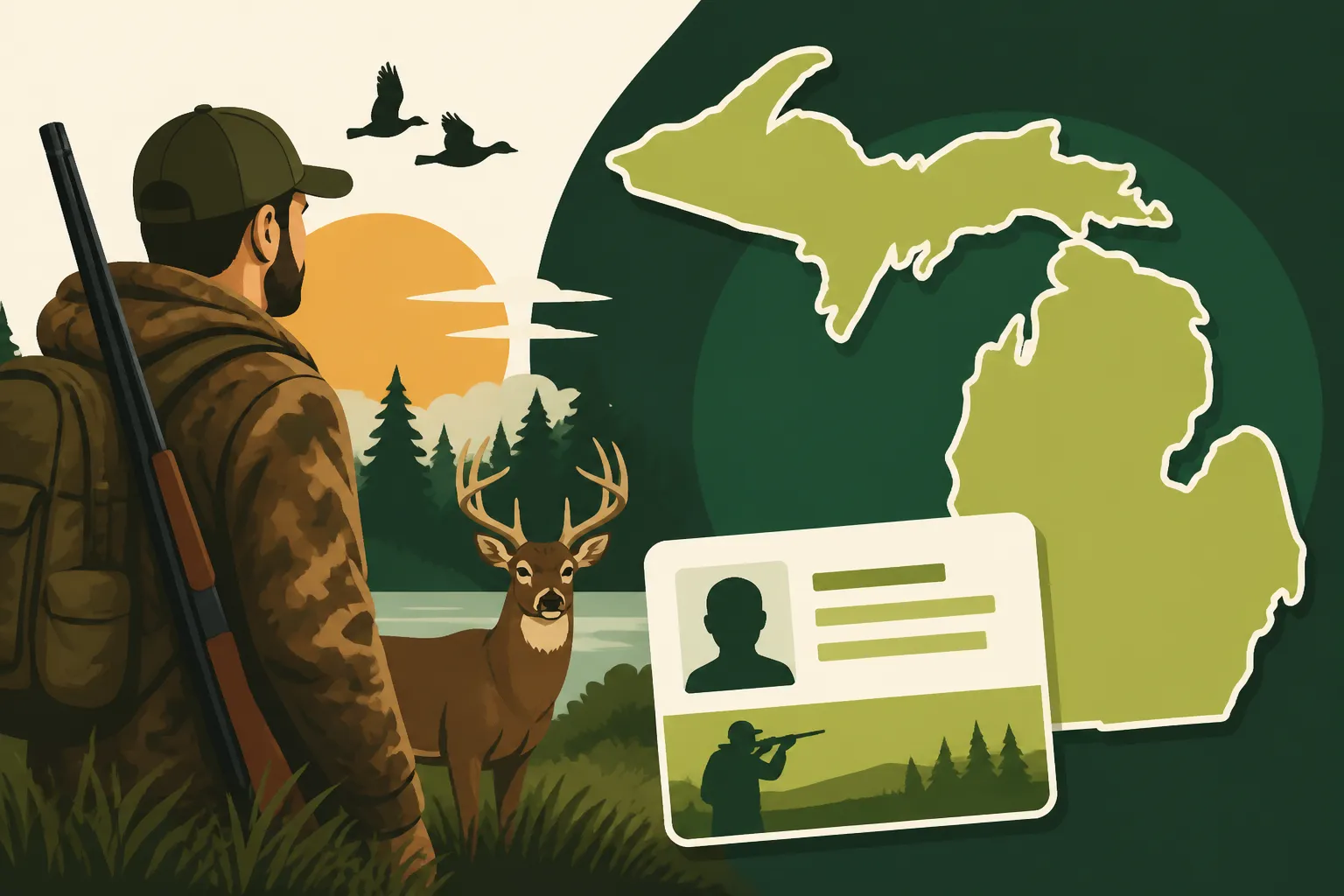
Let's be honest, trying to figure out which license you need before you even set foot in the woods can be a headache. You hear about deer tags, turkey permits, small game licenses, and then there’s this "Base Licence" that seems to be the foundation for everything. So, what is it? The Michigan Base Licence is exactly what its name implies: the fundamental, entry-level permit required for almost anyone who wants to hunt in Michigan, regardless of what species they are pursuing. It's not a tag for a specific animal, but rather your official authorization to be a hunter in the state. Think of it as your hunting membership card for Michigan. Without it, you can't purchase any other game-specific licenses, apply for drawings, or legally participate in hunting activities.
More Than Just a Piece of Paper: Its Core Purpose
The Base Licence isn't just a bureaucratic hurdle; it serves several critical functions. Firstly, it legally identifies you as a hunter within Michigan's system. This allows the Michigan Department of Natural Resources (DNR) to track hunter numbers, understand participation trends, and enforce regulations effectively. When you buy that Base Licence, you're not just getting permission to hunt; you're also contributing to the intricate system that manages and conserves Michigan's vast wildlife resources.
Secondly, the funds generated from the sale of Base Licences are a cornerstone of Michigan's conservation efforts. This money goes directly towards wildlife habitat restoration, population surveys, disease monitoring (like CWD and Bovine TB), law enforcement, and hunter education programs. So, while it might feel like just another fee, every Base Licence purchased plays a vital role in ensuring that Michigan's diverse game populations thrive for generations to come. It’s a direct investment in the future of hunting in our state.
A Foundation for All Hunting Pursuits
Without a valid Base Licence, you literally cannot legally purchase any other hunting license in Michigan. It’s the prerequisite for everything else. Want to hunt deer during Michigan's November Firearm Deer Season? You need a Base Licence first, then a deer license. Planning to pursue pheasants or rabbits during Michigan Small Game and Furbearer Seasons? Base Licence, then small game license. Dreaming of spring turkey hunting? You guessed it – Base Licence, then apply for a turkey permit.
Even if you're a seasoned outdoors person relying on tools like GoHunt for detailed mapping and hunting strategy, that Base Licence is your undeniable ticket to participate. It confirms you’ve met the foundational requirements to be a hunter in Michigan, allowing you to then specialize in whichever game animal calls to you. It streamlines the process by ensuring all hunters are registered and contributing to conservation from the outset.
Who Needs to Buy This Licence? Demystifying Eligibility
The rules around who needs to buy a Michigan Base Licence can sometimes feel like a moving target, especially when considering residents, non-residents, and various age groups. It's crucial to understand your specific category to ensure you're compliant and avoid any unintentional legal troubles. The DNR has specific provisions, and knowing them upfront can save you a lot of grief.
Michigan Residents: Your Local Advantage
For Michigan residents, purchasing a Base Licence is typically straightforward. If you're 17 years of age or older and plan to hunt any game animal in Michigan, you need to purchase one. The only exception is if you're hunting under the Mentored Youth Hunter program as a mentee, which we’ll discuss shortly. Otherwise, consider it an annual tradition right alongside checking your treestand setups and patterning your shotgun. The cost for a Michigan Resident Base Licence is significantly less than for non-residents, a benefit our local hunters appreciate, acknowledging their continued contributions to the state's economy and conservation year-round. It's part of the package deal of being a resident and enjoying the incredible hunting opportunities Michigan offers.
Non-Residents: Navigating the Out-of-State Process
Michigan is a popular destination for hunters from other states, especially for those pursuing big whitetails or enjoying Michigan's Black Bear Hunting. If you're coming from out-of-state to hunt in Michigan, you absolutely need a Nonresident Base Licence. This is a common point of confusion for those who might hold a hunting license in their home state and assume it transfers. It doesn't. Michigan has its own distinct licensing system, and out-of-state hunters must comply with it fully.
The cost for a Michigan Nonresident Base Licence is higher than for residents, a standard practice across most states to help offset the costs of managing resources for a larger hunting population. While the price might seem steep to some, it grants you access to Michigan's diverse hunting landscapes, from the sprawling forests of the Upper Peninsula to the rolling farmlands of Southern Michigan Farm Country Deer Hunting. Just like residents, you'll need this Base Licence before you can even think about buying a deer tag or applying for a bear drawing.
Youth and Seniors: Special Provisions and Exemptions
Michigan recognizes the importance of encouraging new hunters and supporting those who have dedicated years to the sport.
For youth, the Michigan Mentored Youth Licence Package offers a fantastic opportunity. Children under 17 years of age can participate in hunting without purchasing an individual Base Licence, provided they are accompanied by a licensed adult mentor. This program is specifically designed to introduce youngsters to hunting in a safe and supervised environment, making it easier for families to get out into the woods together. The mentor must be 21 or older, have a valid Michigan hunting license (including the Base Licence), and comply with all hunting rules. This mentorship allows young hunters to try different types of hunting, from small game to deer and turkey, under the wing of an experienced hunter. It’s an invaluable tool for passing on hunting heritage.
For senior hunters, Michigan offers reduced rates on many licenses, including the Base Licence. While the specific age and discount can vary, generally, hunters aged 65 and older qualify for these reduced fees. It's a small way to acknowledge a lifetime of contributions to hunting and conservation in Michigan and to ensure that hunting remains accessible as people age. Always check the current year's Michigan Hunting Licences and What They Cost to confirm the latest rates, as they can occasionally be adjusted.
What Your Base Licence Doesn't Cover: Avoiding Common Pitfalls
Understanding what the Base Licence does cover is one thing, but knowing its limitations is equally, if not more, important. Many hunters, particularly those new to Michigan or returning after a long hiatus, sometimes assume the Base Licence is an all-encompassing pass. This misconception can lead to serious legal issues if you're not careful. The Base Licence is merely your ticket to play the game; it doesn't tell you which game you can hunt or where.
Beyond the Base: The Need for Game-Specific Tags
This is where many hunters get tripped up. The Base Licence does not allow you to hunt deer, turkey, bear, or even small game on its own. It's simply the foundation. For each specific game animal you intend to pursue, you will need to purchase an additional, separate license or tag.
For example, if you want to hunt white-tailed deer, after you purchase your Base Licence, you'll then need to buy a Michigan Deer Licence and Combo Options or an Michigan Antlerless Deer Licences. These specific tags are what allow you to actually harvest a deer. The same applies to turkey; after your Base Licence, you'll need a turkey permit, often obtained through a drawing process during Michigan Spring Turkey Applications and Units. Small game, waterfowl, and furbearers all have their own specific license requirements as well. This tiered system ensures that each hunting activity contributes directly to the management of that specific species, allowing for more targeted conservation efforts.
Understanding Draw Seasons and Preference Points
For highly sought-after species like bear and elk, simply buying a Base Licence and a game-specific tag isn't enough. Michigan employs a lottery or drawing system for certain species due to limited quotas and high demand. For instance, to hunt Michigan's Black Bear Population, you must first have your Base Licence, then apply for the Michigan Bear Licence Drawing. Your application then enters you into a drawing for a chance to receive a bear hunting license for a specific Bear Management Unit (BMU).
This process often involves building up "preference points" over years of applying, increasing your odds of drawing a tag in the future. The Base Licence is essential for even applying for these drawings. Without it, your application won't be considered. It's a commitment to the process, signaling your intent to participate and supporting the underlying management of these special hunting opportunities. You can often find information about these draws and your current preference point status through services like GoHunt, which consolidate vital hunting data.
Federal Requirements: Duck Stamps and HIP Certification
If you're planning to hunt migratory birds, such as ducks or geese during Great Lakes Waterfowl Hunting in Michigan, your Michigan Base Licence and state waterfowl stamps aren't the only requirements. Federal regulations come into play as well. All waterfowl hunters 16 years of age and older are required to purchase a Federal Migratory Bird Hunting and Conservation Stamp, commonly known as a Federal Duck Stamp.
Additionally, you must be Harvest Information Program (HIP) certified. Michigan HIP Certification for Bird Hunters is a simple, annual registration that collects basic information about your past migratory bird hunting activities. This data is vital for federal wildlife agencies to monitor harvest trends and manage migratory bird populations across North America. Both the Federal Duck Stamp and HIP certification are required in addition to your Michigan Base Licence and any state waterfowl permits. For anyone interested in hunting migratory birds, these federal requirements are non-negotiable and easily overlooked by first-timers.
Acquiring Your Base Licence: Where and How to Purchase
Once you understand what the Michigan Base Licence is and who needs it, the next logical step is figuring out how to get one. Fortunately, the Michigan DNR has made the purchasing process quite accessible, offering several convenient options to ensure hunters can obtain their licenses with minimal hassle. Whether you prefer the digital convenience of online platforms or the personal touch of in-person transactions, Michigan has you covered.
Online Convenience: The Michigan DNR E-Licensing System
For many modern hunters, the internet is the easiest way to purchase licenses, and Michigan's DNR e-licensing system is robust and user-friendly. You can visit the Michigan DNR website, navigate to the licensing section, and purchase your Base Licence (and any other necessary game-specific tags) from the comfort of your home. This system is available 24/7, making it perfect for those last-minute purchases or for planning your hunting season well in advance.
The online platform allows you to create an account, manage your profile, view your past license purchases, and even check on application statuses for lottery hunts. It's an efficient way to handle all your licensing needs, especially if you're a non-resident planning a trip and need to secure your Michigan Nonresident Licence Options before arriving in the state. Just make sure to print out a physical copy of your license or save a digital version on your phone, as you'll need to carry proof of purchase while hunting.
In-Person Options: Retailers and DNR Customer Service Centers
For those who prefer a more traditional approach, or simply don't have reliable internet access, Michigan's vast network of authorized license retailers is a lifesaver. You can find these retailers in sporting goods stores, bait shops, some convenience stores, and many other local businesses across the state. These agents are equipped to sell all types of Michigan hunting and fishing licenses, including the Base Licence.
Purchasing in-person allows you to ask questions, get immediate confirmation, and often connect with local hunters or shop owners who can offer valuable advice about local conditions. Additionally, you can visit a Michigan DNR Customer Service Center if you're near one. These centers offer comprehensive assistance for all DNR services, including licensing, and can be particularly helpful if you have complex questions or need help with a unique licensing situation. Both options provide a tangible, printed license right away, which many hunters still prefer to carry in the field.
Leveraging the Michigan DNR Hunt Fish App
In an age where our smartphones are practically extensions of ourselves, The Michigan DNR Hunt Fish App is an incredibly useful tool for Michigan hunters. Available for both iOS and Android devices, this app allows you to purchase licenses, including the Base Licence, directly from your phone. It integrates seamlessly with the e-licensing system, meaning any purchases made through the app are immediately reflected in your online DNR account.
Beyond purchasing, the app serves as a digital repository for your licenses, making it easy to display proof of purchase to a conservation officer if requested. It also provides access to hunting regulations, season dates, and even allows you to report your harvest right from the field. For hunters who rely on digital navigation and information, this app, similar to how many use GoHunt for mapping, is an indispensable companion, streamlining the entire licensing and hunting experience.
Important Considerations and Common Misconceptions to Clarify
Even with a good grasp of the Base Licence, there are still nuances that can trip up even experienced hunters. Understanding these finer points and dispelling common misconceptions is key to a smooth and enjoyable hunting season in Michigan. From license validity periods to specific requirements for new hunters, a little extra knowledge goes a long way.
Licence Year and Expiration: Don't Get Caught Off Guard
One of the most frequent points of confusion is the "licence year" and its expiration. Michigan hunting licenses operate on a specific annual cycle, which doesn't necessarily align with the calendar year. Typically, Michigan hunting licenses for the current year become available in March and are valid through the following March (e.g., March 1st, 2024, to March 31st, 2025). This can be particularly confusing for deer hunters, as the primary firearm deer season occurs in November, but the license purchased in March is still valid.
It’s absolutely critical to double-check the expiration date on your Base Licence and any other tags you purchase. Don't assume that because you bought it for the current year, it's valid for all hunts that take place within that calendar year if they stretch into the next license cycle. Getting caught hunting with an expired license, even unintentionally, can result in fines and other penalties. Make it a habit to renew your Base Licence each spring, well before the fall hunting seasons begin.
Mentored Youth Program: An Entry Point for New Hunters
We briefly touched on the Mentored Youth program, but it's worth diving into a bit more detail, as it’s a fantastic gateway for young people into the hunting community. The Michigan Mentored Youth Licence Package allows youth under 17 to hunt without purchasing individual licenses, including the Base Licence, as long as they are accompanied by a licensed adult mentor. This package includes tags for deer, bear, turkey, and small game.
The beauty of this program is its simplicity and emphasis on safety and education. The mentor is responsible for ensuring the youth hunter follows all regulations and uses appropriate safety measures. It's an opportunity for kids to try hunting without the financial barrier of multiple licenses, allowing them to gain experience across various species. It’s important to remember that the mentor must have their own valid Base Licence and game-specific tags for the species being hunted, as they are ultimately responsible for the youth's actions and ensuring a legal hunt. This program is truly instrumental in nurturing the next generation of Michigan hunters.
Hunter Safety Requirements: A Prerequisite for Many
Before you can even consider purchasing your Michigan Base Licence, especially if you're a new hunter, you need to understand the Michigan Hunter Safety Requirement. In Michigan, anyone born after January 1, 1960, must successfully complete an approved hunter safety course to purchase a Michigan hunting license. There are a few exceptions, such as for those participating in the Mentored Youth program or individuals holding an Apprentice License, but for the vast majority of new adult hunters, hunter safety is mandatory.
The hunter safety course covers crucial topics like firearm safety, wildlife identification, hunting ethics, first aid, and Michigan hunting laws. It's designed to ensure hunters are knowledgeable, responsible, and safe in the field. You can take these courses online or through traditional in-person classes, with options often available through local organizations or DNR-certified instructors. Make sure you get your hunter safety certificate before you head to the retailer or online portal to buy your Base Licence, as you'll typically need to provide proof of completion.
The Investment: Understanding Licence Costs and Conservation Impact
It’s easy to look at the cost of a hunting license and just see a number. But when you purchase a Michigan Base Licence, you’re not just paying for the privilege of hunting; you're making a direct investment in the future of wildlife and public lands in Michigan. Understanding where your money goes can help connect the dots between your personal passion and broader conservation efforts.
Breaking Down the Price Tag: What Your Money Supports
The cost of a Michigan Resident Base Licence Cost or Michigan Nonresident Base Licence Cost might seem like a simple fee, but it’s carefully calculated to support a wide array of programs. A significant portion of these funds directly support the Wildlife Division of the Michigan DNR. This includes wildlife research and population surveys for species like White-Tailed Deer Across Michigan, Wild Turkeys in Michigan, and many others. It also covers habitat improvement projects on public lands, disease monitoring for issues like Chronic Wasting Disease in Michigan, and the enforcement of hunting regulations by conservation officers.
In essence, your Base Licence fee helps pay for the boots on the ground, the scientists in the labs, and the heavy equipment working to ensure healthy ecosystems and robust game populations. It's a fundamental pillar of the "user pays, public benefits" model that underpins wildlife management in North America, where hunters and anglers are often the primary funding source for conservation.
Conservation Efforts Funded by Licence Sales
The impact of hunting license sales extends far beyond just game animals. Many conservation initiatives funded by the Base Licence benefit non-game species, critical ecosystems, and outdoor recreation for everyone. For example, habitat improvements designed to benefit deer or grouse often create thriving environments for songbirds, pollinators, and other wildlife. Money from license sales also contributes to the maintenance of public hunting lands, ensuring access for hunters, hikers, birdwatchers, and other outdoor enthusiasts.
The Pittman-Robertson Act, a federal program, further amplifies the impact of your license dollars. This act places an excise tax on firearms, ammunition, and archery equipment, with the revenue then apportioned to states for wildlife restoration projects. To receive these federal funds, states must demonstrate that they have a functioning wildlife agency and a system for collecting hunting license fees. So, your Michigan Base Licence is not only funding state-level conservation but also unlocking crucial federal matching funds, creating a powerful synergy for wildlife management.
Comparing Resident vs. Nonresident Costs
As previously mentioned, there's a noticeable difference in the Michigan Resident Base Licence Cost versus the Michigan Nonresident Base Licence Cost. This tiered pricing structure is standard across most states and reflects a few key factors. Residents, through their taxes and ongoing presence, contribute continuously to the state's infrastructure and conservation efforts. Non-residents, while welcome and valued, typically spend a shorter amount of time in the state and do not contribute to the same degree through other means.
The higher non-resident fee helps balance this, ensuring that all users of Michigan's wildlife resources contribute equitably to their management and sustainability. It also helps manage demand for certain species in popular hunting areas. While it might be a larger outlay for out-of-state hunters, the cost grants access to some truly incredible hunting opportunities in one of the most diverse hunting states in the Midwest. When you use tools like GoHunt to plan your Michigan hunting adventure, factoring in these license costs is an essential part of your budget.
| License Type | Eligibility | Cost (approx.) Resident | Cost (approx.) Non-Resident | What it Allows (Base) | Additional Tags Needed For |
|---|---|---|---|---|---|
| Base Hunting Licence | Age 17+, all hunters | $11 | $151 | Allows purchase of game-specific tags | Deer, Turkey, Bear, Small Game, Waterfowl, Furbearer |
| Mentored Youth Licence Package | Under 17, with licensed mentor | $0 | $0 | Allows youth to hunt most species | None (included in package) |
| Apprentice Hunting Licence | New hunters (certain conditions) | Same as Base | Same as Base | Allows hunting without Hunter Ed (limited time) | Deer, Turkey, Bear, Small Game, Waterfowl, Furbearer (with mentor) |
| Senior Base Hunting Licence | Age 65+ | $5 | $151 | Allows purchase of game-specific tags | Deer, Turkey, Bear, Small Game, Waterfowl, Furbearer |
Note: Costs are approximate and subject to change. Always verify current prices on the Michigan DNR website or through the Michigan DNR Hunt Fish App.
Disclaimer
The information provided in this guide is for informational purposes only and is not a substitute for official Michigan Department of Natural Resources (DNR) regulations. Hunting laws and regulations can change frequently. Always consult the most current Michigan Hunting and Trapping Digest and the DNR website before engaging in any hunting activities.