Michigan Fur Harvester Licence Rules
Navigating the world of fur harvesting in Michigan can feel like deciphering a cryptic ancient scroll, especially when you're trying to figure out all the specific licence rules and requirements. It's a unique pursuit, often requiring different skills and knowledge than traditional deer or bird hunting, and the regulations can be just as distinct. This comprehensive guide is here to untangle the Michigan Fur Harvester Licence rules, helping you understand who needs one, how to get it, and what regulations you absolutely need to follow to enjoy this rewarding activity legally and ethically.
Understanding the Michigan Fur Harvester Licence
For anyone looking to engage with Michigan's furbearer populations, whether through trapping or specific hunting methods, the Michigan Fur Harvester Licence is your essential key. It’s not just another tag you pick up; it signifies your commitment to understanding and adhering to the unique practices and conservation efforts surrounding these valuable wildlife resources. Many hunters might assume their standard deer or small game license covers everything, but when it comes to fur, there's a specific pathway you need to follow.
Who Needs a Fur Harvester Licence?
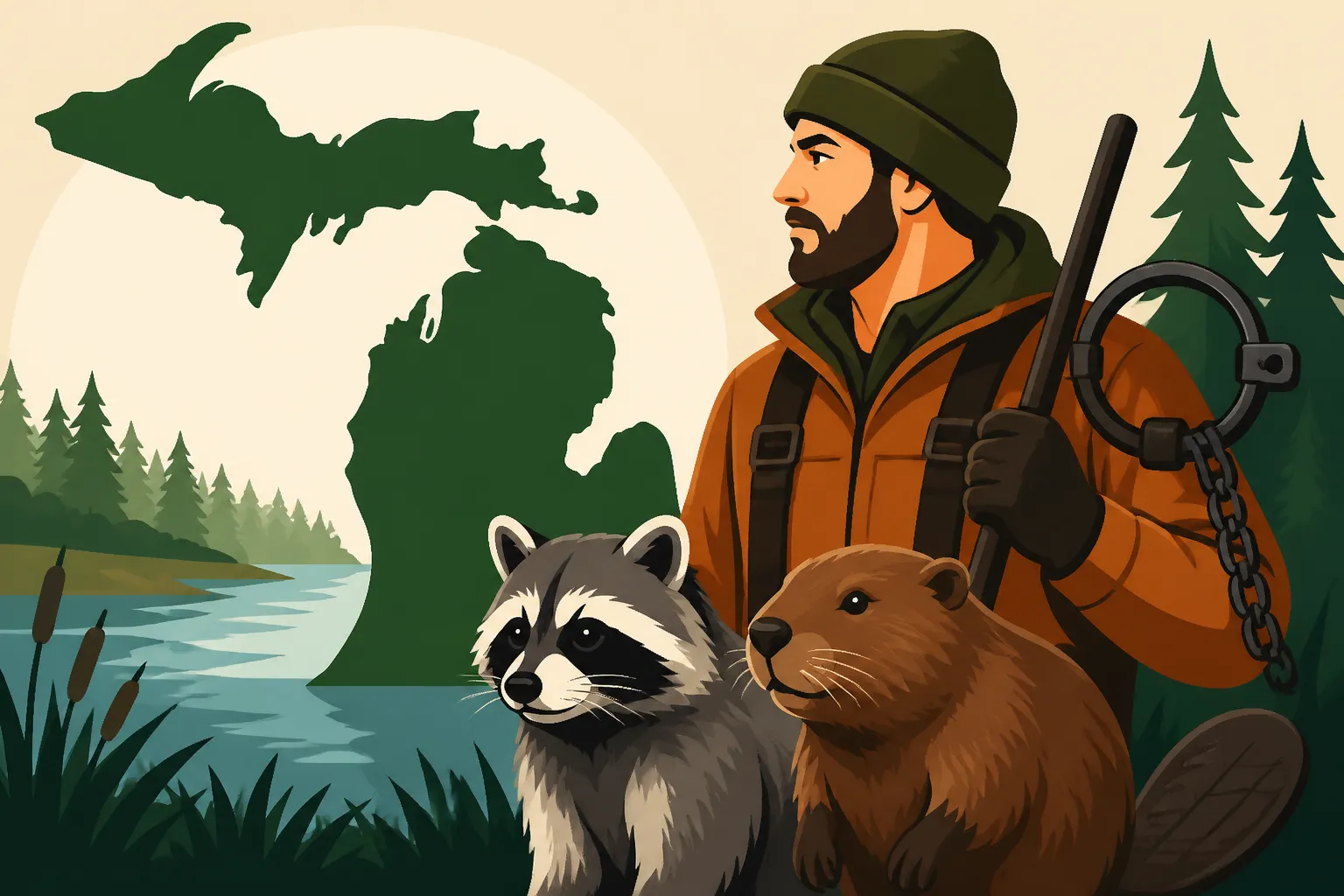
Simply put, if you plan to trap furbearers in Michigan, you absolutely need a Fur Harvester Licence. This isn't optional; it's a legal requirement designed to ensure responsible and ethical practices. This includes species like muskrat, beaver, mink, raccoon, skunk, fox (red and gray), weasel, coyote, bobcat, and otter. Even if you're only targeting a couple of animals for their pelts or for nuisance control, the licence is mandatory. For folks specifically hunting furbearers like coyotes or fox, a regular small game licence might suffice, depending on the season and method. However, if your intent is to harvest for fur, particularly through trapping, the Fur Harvester Licence is what you need. It's also required for hunting bobcat or otter, even if you're using conventional hunting methods. The Michigan Department of Natural Resources (DNR) wants to track all fur harvesting activity to manage populations effectively, and your licence is a big part of that.
What Species Are Covered?
The Fur Harvester Licence covers a broad spectrum of Michigan's furbearer species. These are animals often sought for their pelts, but also play crucial roles in the ecosystem. Common species that fall under this licence when trapped or specifically hunted for fur include:
- Muskrat: Found in wetlands and waterways across the state.
- Beaver: Known for their dam-building, also widely distributed.
- Mink: Sleek, semi-aquatic predators often found near water.
- Raccoon: Highly adaptable, found in urban, rural, and wilderness areas.
- Red and Gray Fox: Solitary hunters, common throughout Michigan.
- Coyote: A widespread predator, often hunted as well as trapped.
- Bobcat: A more elusive furbearer, found primarily in northern Michigan.
- Otter: Playful, aquatic mammals requiring specific management.
- Skunk and Weasel: Less frequently targeted but still covered.
It's vital to note that while you might be able to hunt coyotes or fox during certain periods with a general small game licence (check the Michigan Small Game and Furbearer Seasons for details), if you're using traps, or if you're specifically targeting bobcat or otter, the Fur Harvester Licence is the correct and only legal pathway. The distinction ensures that those engaging in trapping or targeting protected furbearers have the specialized knowledge required.
How to Obtain Your Michigan Fur Harvester Licence
Getting your Michigan Fur Harvester Licence isn't just about handing over some cash; it involves demonstrating a foundational understanding of trapping and furbearer management. The state takes the harvesting of these animals seriously, and for good reason—it requires a different set of skills and ethical considerations than most other hunting pursuits. It's not uncommon for new hunters to be surprised by the additional steps, but they're there to protect both you and the animals.
Eligibility and Hunter Safety Requirements
One of the most important requirements for obtaining a Michigan Fur Harvester Licence, especially for those new to the activity, is completing a state-approved fur harvester education course. This course covers everything from furbearer identification and biology to responsible trapping techniques, trap setting, equipment, ethics, and regulations. It’s a comprehensive program designed to instill safe and humane practices. Much like the general Michigan Hunter Safety Requirement, this education is crucial for ensuring participants are well-prepared.
There are, however, some exceptions. If you were born before January 1, 1980, you are generally exempt from the fur harvester education requirement, as it's assumed you would have learned responsible practices through experience. Additionally, if you've held a Michigan Fur Harvester Licence in the past, you typically won't need to retake the course. For those who need it, these courses are offered by certified instructors across the state, often through local conservation clubs or DNR-sponsored events. They’re invaluable not just for the legal requirement, but for the practical knowledge you’ll gain.
Purchasing Your Licence
Once you've met the education requirements (or qualify for an exemption), purchasing your Michigan Fur Harvester Licence is relatively straightforward. You have a few convenient options:
- Online: The Michigan DNR website is a fantastic resource. You can purchase your licence directly from their e-licensing portal from the comfort of your own home. This is often the quickest and easiest method for many.
- DNR Offices: You can visit any Michigan DNR customer service center across the state. Their staff can assist you with the purchase and answer any questions you might have.
- Authorized Retailers: Many bait shops, sporting goods stores, and other retailers that sell hunting and fishing licenses are authorized to sell fur harvester licences as well. This can be a great option if you're already out stocking up on gear.
The cost of a Fur Harvester Licence varies depending on whether you are a Michigan resident or a non-resident. Residents typically pay a lower fee, usually around $25, while non-residents face a higher price point, often closer to $150. These fees contribute directly to wildlife management and conservation efforts in the state. For up-to-date pricing, it's always best to check the official DNR website or the current hunting and trapping digest. While the Michigan Resident Base Licence Cost covers some general hunting, the fur harvester licence is a distinct purchase. Remember, you can also manage many of your Michigan hunting and fishing needs directly from your phone using The Michigan DNR Hunt Fish App, making it easier than ever to keep your licences in order.
Important Rules and Regulations for Fur Harvesters
The sheer volume of rules and regulations associated with fur harvesting can be daunting. It’s not enough to simply have a licence; you need to understand the nuances of when, where, and how you can harvest furbearers. Missing a small detail could lead to significant issues, so paying close attention to the specifics is paramount.
Season Dates and Bag Limits
Just like deer or turkey hunting, furbearer seasons in Michigan are highly specific and vary by species, location (often by Upper Peninsula vs. Lower Peninsula), and method (hunting vs. trapping). Bag limits and even possession limits are also in place to ensure sustainable populations. It's not a free-for-all; these regulations are in place because the DNR constantly monitors furbearer populations to prevent overharvesting and protect the health of the resource.
For example, beaver and muskrat trapping seasons typically run through the fall and winter, often opening in October or November and extending into March or April, but these dates can vary by management unit. Coyote hunting is often open year-round with some restrictions, but specific trapping seasons exist. Bobcat and otter seasons are much shorter and often require special tags or permits, with very strict quotas and geographical restrictions. For the most current and detailed information on Michigan Trapping Season Opening Dates and all other furbearer seasons, always consult the current Michigan Hunting and Trapping Digest. This digest is updated annually and available on the DNR website, where you can find exact dates, zones, and any special conditions.
Here's a simplified look at common trapping season ranges in Michigan (always verify with the current digest):
| Species | Typical Season Start (Fall) | Typical Season End (Spring) | Notes |
|---|---|---|---|
| Muskrat | Oct 25 – Nov 1 | Mar 31 | Varies by Upper/Lower Peninsula & specific zones |
| Mink | Oct 25 – Nov 1 | Mar 31 | Often concurrent with muskrat seasons |
| Beaver | Nov 1 – Nov 10 | Apr 30 | Specific dates and zones for early & late seasons; often quota-based |
| Raccoon | Oct 1 – Oct 25 | Mar 31 | Hunting and trapping dates differ |
| Fox (Red) | Oct 1 – Oct 25 | Mar 31 | Hunting and trapping dates differ |
| Fox (Gray) | Oct 1 – Oct 25 | Mar 31 | Hunting and trapping dates differ |
| Coyote | Year-round hunting | Mar 31 (trapping) | Trapping season typically Nov – Mar |
| Bobcat | Dec 10 | Jan 31 | Limited areas, special permit required, quota based |
| Otter | Nov 1 | Mar 31 | Limited areas, special permit required, quota based |
Trapping and Snaring Regulations
The regulations surrounding trapping and snaring are particularly detailed, and for good reason: they address animal welfare, public safety, and ethical harvesting. Michigan has specific rules on the types of traps you can use, their sizes, and how they must be set.
For instance, certain types of body-gripping traps (like Conibear traps) have restrictions on where and how they can be deployed, especially near public trails or residential areas, to prevent accidental injury to pets or people. Foothold traps also have size limitations to ensure they are appropriate for the target species and minimize harm. All traps must generally be clearly marked with your DNR Sportcard number or identification.
Snaring, while legal for certain furbearers like coyotes and beaver, also comes with its own set of rules. Snares must be constructed in a specific way, often with a "stop" to prevent them from closing too tightly, and a "break-away" feature if they're set for coyotes to allow deer to break free. There are also restrictions on where snares can be set, typically requiring them to be submerged or at a certain height to avoid catching non-target animals like deer or domestic dogs.
Perhaps one of the most critical regulations is the daily trap check. All traps and snares must be checked at least once every 24 hours. This ensures that any captured animal is dealt with humanely and promptly, reducing stress and preventing suffering. Failing to adhere to these rules can result in stiff Michigan Wildlife Violation Penalties, including fines, loss of hunting/trapping privileges, and even jail time for serious infractions.
Tagging and Reporting Requirements
After a successful harvest, reporting your take is another non-negotiable step. While some species, like raccoon or fox, might only require you to possess your valid licence, others have more stringent tagging and sealing requirements. This is particularly true for highly managed furbearers like bobcat and otter.
If you harvest a bobcat or otter, for example, you are typically required to have the pelt or carcass sealed by a DNR official within a specific timeframe (often within five to seven days of the kill). This sealing process verifies that the animal was legally taken and helps the DNR collect valuable biological data, such as sex, age, and location of harvest. This data is critical for understanding population health and setting future season structures. For these species, you'll often be issued a special permit or tag when you apply for the season, which must be attached immediately upon harvest. Always check the specific regulations for the species you are targeting to ensure you comply with all tagging, sealing, and reporting obligations. You can find detailed information on these requirements in the annual Hunting and Trapping Digest or on the Michigan DNR website. This helps maintain a clear picture of Coyotes and Bobcats in Michigan populations and other furbearers.
Navigating Public and Private Lands as a Fur Harvester
Knowing where you can legally set your traps or hunt furbearers is just as important as knowing the rules themselves. Michigan offers a vast amount of public land, but private land still requires respect and explicit permission. Understanding land access ensures you're harvesting legally and maintaining positive relationships with landowners and fellow outdoor enthusiasts.
Accessing Public Hunting Lands
Michigan is fortunate to boast millions of acres of public land, including state forests, state game areas, and national forests, all of which offer opportunities for fur harvesting. However, simply being "public" doesn't mean it's a free-for-all. You still need to be aware of local regulations, land-use restrictions, and the presence of other recreational users.
- State Forests and State Game Areas: These lands are managed by the Michigan DNR and are generally open to fur harvesting, provided you follow all state regulations. Remember that some areas might have specific rules regarding vehicle access, camping, or other activities that could impact your trapping or hunting. Always check local signs or contact the specific land manager if you have questions.
- National Forests (Huron-Manistee, Ottawa, Hiawatha): Managed by the U.S. Forest Service, these vast tracts in the northern Lower and Upper Peninsulas also offer extensive opportunities. Similar to state lands, general hunting and trapping regulations apply, but there might be specific rules for wilderness areas or certain designated zones.
When utilizing public lands, it's incredibly helpful to use mapping tools. Services like onX Layers for Michigan Land Status can be invaluable for identifying property boundaries, knowing exactly where you are, and understanding land ownership. This helps prevent accidental trespass and ensures you're operating within legal boundaries. Remember that on public land, traps or snares must be clearly marked with your identification, and they cannot be permanent fixtures. You should always practice Leave No Trace principles, packing out everything you pack in, and leaving the land better than you found it. For a deeper dive into methods, you might explore resources on Predator and Furbearer Hunting in Michigan.
Obtaining Private Land Permission
While Michigan has abundant public land, a significant portion of the state, especially in agricultural regions, is privately owned. If you plan to trap or hunt furbearers on private land, you absolutely must obtain permission from the landowner before setting foot on their property. This isn't just common courtesy; it's the law.
Michigan law generally requires explicit permission to hunt or trap on private land. While not always legally mandated, it's always a good idea to get Do You Need Written Permission in Michigan? This protects both you and the landowner, providing clear documentation of the agreement. A simple written note outlining the dates, areas, and specific activities allowed can prevent misunderstandings or accusations of trespassing.
Tips for obtaining private land permission:
- Be Respectful and Prepared: Approach landowners politely, ideally in person. Have your Fur Harvester Licence and any relevant permits ready.
- Explain Your Intentions: Clearly articulate what you plan to do (e.g., "I'd like to set a few muskrat traps along your creek edge," or "I'm looking to hunt coyotes in your back forty"). Explain your methods and commitment to ethical practices.
- Offer to Help: Sometimes, landowners might be more amenable if you offer to help with small chores or address nuisance animals (like beaver damaging trees).
- Know the Property: Having some knowledge of their property (e.g., from aerial maps) can show you've done your homework and are serious.
- Leave it Better: If granted permission, always follow through on your promises, respect their property, and leave no trace. Consider offering some harvested fur or meat as a thank you.
Remember, building a good relationship with landowners can open up opportunities for years to come. Showing respect for their property and their wishes is key.
Disclaimer
The information provided in this guide is for general informational purposes only and is not intended as legal advice. Hunting and trapping regulations in Michigan can change frequently. Always consult the most current Michigan Hunting and Trapping Digest, the Michigan Department of Natural Resources (DNR) website, or contact a DNR official directly for the most accurate and up-to-date rules and regulations before engaging in any fur harvesting activities.