Michigan’s Elk Herd Size and History
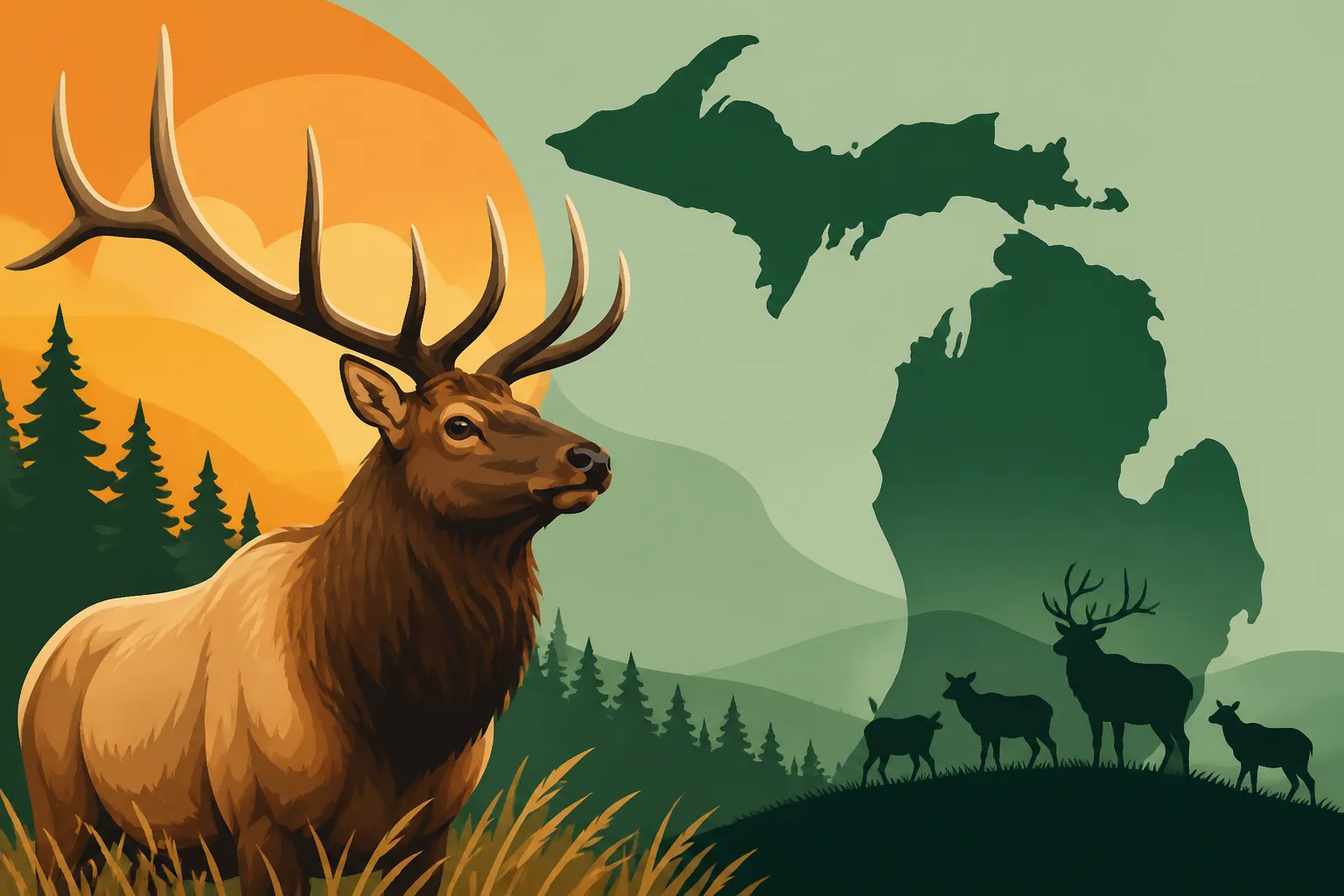
Imagine standing in the vast timber of northern Michigan, the air crisp, and suddenly, that unmistakable bugle echoes through the woods. It's a sound that stops you dead in your tracks, a primal call that speaks of wildness and grandeur. For many Michiganders, the very idea of elk roaming our state is a source of immense pride, but understanding how this magnificent herd came to be, its current size, and the complex journey it’s taken is a challenge many find daunting. This comprehensive guide will unravel the fascinating story of Michigan's elk, diving deep into their history, current population dynamics, and the dedicated efforts to ensure their future in the Great Lake State.
The Long Road to Restoration: Michigan's Elk History
The presence of elk in Michigan today is a testament to dedicated conservation efforts, but it wasn't always this way. Our state, like many others in the Midwest, once had a thriving population of native elk, majestic animals that were an integral part of the ecosystem. However, unchecked hunting pressure and massive habitat destruction in the 19th century led to their complete disappearance from the Michigan landscape. It's a sobering reminder of how quickly even abundant wildlife can vanish without thoughtful management.
Native Elk Extirpation and Early Attempts at Return
Long before European settlers arrived, Michigan was home to a robust population of eastern elk, a subspecies of elk that once roamed vast sections of the eastern United States. These magnificent creatures were a key component of the state's wilderness, their movements shaping forest ecosystems. But as human populations grew, so did the demand for land and resources. Rampant logging cleared immense tracts of forest, destroying critical habitat, and unregulated market hunting decimated their numbers. By the late 1800s, the eastern elk was extirpated from Michigan, meaning they were completely wiped out from the state. The silence they left behind was a stark indicator of what had been lost.
The idea of bringing elk back began to gain traction in the early 20th century, a time when many states were starting to recognize the importance of wildlife conservation. The initial attempts were often small-scale and faced significant challenges. Imagine the logistics of moving large, wild animals across states in an era without modern transportation or veterinary care! Despite these hurdles, a handful of forward-thinking individuals and conservation groups were determined to see elk return to their ancestral ranges. These early efforts laid the groundwork for the more successful reintroduction programs that would follow, demonstrating a growing public desire to restore Michigan's natural heritage.
The Defining Reintroduction and Early Management
The most significant and successful reintroduction effort began in 1918 when seven elk were released near Wolverine in Cheboygan County, establishing the core of what we now know as Michigan's elk herd. These initial animals, brought from western states, found a landscape that, despite past damage, still offered enough suitable habitat to allow them to establish a foothold. This small group of seven proved incredibly resilient, adapting to Michigan's challenging climate and diverse terrain. This pivotal moment set the stage for a remarkable conservation success story.
From these humble beginnings, the herd slowly grew and expanded its range. Early management focused primarily on protection, as the population was still incredibly fragile. The success of this reintroduction didn't just happen by chance; it required careful monitoring, enforcement of hunting regulations (once seasons were eventually established), and an understanding of the elk's needs. The herd became a symbol of what could be achieved when humans committed to restoring what had been lost, offering hope for other struggling species across the state. The early days were marked by cautious optimism, with conservationists watching closely to see if these majestic animals would truly reclaim their place in Michigan's wild lands. For more on this specific event, you can read about The Seven Elk Released in 1918.
Understanding Michigan's Current Elk Population
Fast forward to today, and Michigan boasts a thriving, albeit carefully managed, elk herd. However, getting an accurate count of these elusive animals is no small feat. The Michigan Department of Natural Resources (DNR) invests considerable time and resources into monitoring the herd, using a combination of methods to provide the most reliable estimates possible. Hunters, wildlife enthusiasts, and landowners all play a role in contributing to this ongoing effort.
DNR Population Estimates and Monitoring Methods
The DNR's primary method for estimating Michigan's elk population involves extensive aerial surveys conducted during the winter months, typically when snow cover makes elk easier to spot against the white landscape and deciduous trees have shed their leaves. Biologists fly fixed-wing aircraft over specific elk management units, systematically counting animals and observing herd composition. These flights are meticulously planned and executed, often covering thousands of square miles of dense forest and open clearings. The data collected from these surveys, combined with advanced population modeling techniques, allows the DNR to generate a yearly population estimate.
Beyond aerial surveys, the DNR also utilizes other methods to track the health and distribution of the herd. These include observations from staff, reports from hunters and the public, and even specialized studies on elk movement and habitat use. Every piece of information contributes to a clearer picture of the herd's dynamics, helping wildlife managers make informed decisions about hunting quotas and habitat improvements. Keeping tabs on the herd is crucial for ensuring its long-term viability, and these estimates are often the foundation upon which all other management strategies are built. You can find more specific information on the latest counts in Michigan Elk Population Estimate.
How Harvest Numbers Influence Herd Management
Hunting plays a vital, albeit controversial for some, role in managing Michigan's elk herd. The annual elk hunt is not merely a recreational activity; it's a critical tool the DNR uses to regulate population size, maintain herd health, and minimize conflicts with landowners. Each year, only a very limited number of elk licenses are issued through a lottery system, making it one of the most sought-after tags in the state. The number of licenses available, and whether they are "any elk" or "antlerless only" tags, is directly tied to the DNR's population estimates and management goals.
When the population is at a healthy, sustainable level within its desired range, harvest quotas might be adjusted to maintain that balance. If the herd is growing too quickly in certain areas, causing increased agricultural damage or disease concerns, the DNR may increase the number of tags to reduce density. Conversely, if harsh winters or other factors lead to a decline, quotas might be significantly reduced or even suspended to allow the herd to rebound. This precise control over harvest numbers is what prevents the population from outstripping its habitat or becoming a widespread nuisance. For those interested in participating, understanding Michigan Elk Application Rules is the first step.
| Year | Estimated Elk Population | Harvest Quotas (Approx.) | Notes on Management |
|---|---|---|---|
| 2010 | ~800 | ~200 | Focused on slow growth and range expansion. |
| 2015 | ~1,200 | ~250 | Herd approaching management objective, increased focus on reducing agricultural damage. |
| 2020 | ~1,300 | ~260 | Stable population, managing distribution. |
| 2023 | ~1,250 | ~200 | Recent adjustments to maintain target population, emphasizing antlerless harvest in certain areas. |
Note: These numbers are illustrative and simplified for demonstration. Actual DNR reports provide more granular data.
Where Michigan's Elk Call Home
While Michigan's elk population is relatively contained compared to some western states, their range is not static. Understanding where these magnificent animals prefer to live and how their movements are influenced by habitat availability is key to appreciating their presence in the state. The vast majority of Michigan's elk reside within a specific geographical area, a stronghold that provides the necessary resources for their survival and reproduction.
The Core Range: Pigeon River Country State Forest
The heart of Michigan's elk country is undoubtedly the Pigeon River Country State Forest, a sprawling expanse of mixed hardwood and conifer forests, wetlands, and open areas located in the northeastern Lower Peninsula. This nearly 110,000-acre forest, often referred to simply as "The Pigeon," offers an ideal mosaic of habitat types that elk require: dense cover for bedding and protection, open clearings for foraging, and numerous water sources. It's a truly wild place, characterized by rolling hills, pristine rivers, and vast tracts of public land that provide ample room for the herd to roam. You can learn more about this special place at Elk in Michigan's Pigeon River Country.
The Pigeon River Country isn't just a place where elk exist; it's where they thrive. The extensive public ownership within this region allows for comprehensive habitat management practices, such as timber harvests designed to create early successional growth (new shoots, shrubs, and grasses) that elk browse. This strategic approach ensures a continuous supply of high-quality forage and cover, critical for a robust and healthy herd. It's here that you have the best chance of encountering elk, whether you're a hunter with a coveted tag or a wildlife enthusiast hoping to catch a glimpse of these impressive animals. For more detail on their living arrangements, check out Where Michigan Elk Live.
Dispersal and Habitat Preferences
While the Pigeon River Country remains the undisputed epicenter of Michigan's elk population, these animals are not confined to its boundaries. As the herd grows and individuals seek new territories, elk will naturally disperse into surrounding areas. This dispersal can lead them into private lands, agricultural fields, and even closer to human developments. While exciting for some, it can also lead to increased human-elk conflicts, particularly related to crop damage or vehicle collisions. The DNR monitors these dispersal patterns closely, as they inform adjustments to elk management unit boundaries and hunting strategies.
Elk are adaptable animals, but they generally prefer a mix of forest and open areas. They're grazers, so they need access to grasslands, agricultural fields, or early successional forest clearings where they can feed on grasses, forbs, and young woody browse. Dense forest stands provide essential cover for bedding, especially during harsh winters, and for calving. They also rely on water sources, whether rivers, streams, or natural springs. Understanding these habitat preferences is vital for both conservation efforts and for hunters planning their strategy during Michigan Elk Hunt Periods. Hunters often use tools like GoHunt to understand these habitat patterns on a granular level, overlaying public land maps with vegetation data to predict elk movement and bedding areas.
Factors Influencing the Elk Population's Health
Managing a wild animal population, especially one as magnificent and complex as elk, involves constant vigilance and adaptation. Michigan's elk herd faces a variety of challenges, from environmental pressures to potential disease outbreaks, all of which influence its overall health and trajectory. The DNR, along with various partners, works tirelessly to mitigate these threats and ensure the long-term well-being of the herd.
Disease Concerns and Prevention
One of the most significant concerns for any large ungulate population is disease, and Michigan's elk are no exception. While the herd has generally been healthy, wildlife managers are constantly on guard against potential outbreaks. Chronic Wasting Disease (CWD), a fatal neurological disease affecting deer, elk, and moose, is a persistent threat in Michigan. Although CWD has primarily been detected in deer in the Lower Peninsula, the proximity to elk country means constant monitoring and preventative measures are essential to keep it from spreading into the elk herd. The potential impact of CWD on Michigan's elk would be devastating, both ecologically and economically.
Another historical concern, though now largely mitigated in the elk herd, is Bovine Tuberculosis (bTB). This bacterial disease was once a significant issue in deer and elk populations in certain areas of Michigan. Intensive testing, combined with specific management strategies, has greatly reduced its prevalence in elk. However, the threat of re-emergence or new diseases means that strict protocols, including carcass testing and monitoring of sick animals, remain crucial. These efforts often involve collaborations with landowners and hunters, who are asked to report unusual observations or submit samples from harvested animals. These preventative measures are critical to maintaining a healthy and robust elk population.
Habitat Loss and Fragmentation
Despite the protected status of the Pigeon River Country State Forest, habitat loss and fragmentation remain long-term challenges for Michigan's elk. As human populations expand and development encroaches on wild areas, the contiguous habitat that elk need can shrink and become broken up into smaller, isolated patches. This fragmentation makes it harder for elk to move between different areas, limiting their access to seasonal food sources, breeding grounds, and winter cover. It also increases their likelihood of encountering roads, leading to more vehicle collisions, and brings them into closer contact with humans, potentially leading to conflicts.
Conservation efforts are often focused on maintaining and enhancing habitat connectivity, creating corridors that allow elk and other wildlife to move safely across the landscape. This might involve strategic land acquisitions, conservation easements on private property, or working with landowners to implement elk-friendly practices. While the core elk range is largely protected, pressures from surrounding development require ongoing attention to ensure that the herd has sufficient room to grow and thrive without significant human-wildlife conflicts. Balancing development with the needs of a wild elk herd is a delicate act, requiring sustained commitment and collaboration.
Balancing Hunting Pressure with Herd Health
As discussed earlier, regulated hunting is an essential tool for managing Michigan's elk herd. However, striking the right balance between hunter demand and herd health is a continuous challenge for the DNR. Michigan's elk tags are highly coveted, with thousands of applicants annually vying for a very limited number of permits. This intense demand means that every decision about harvest quotas, season dates, and Michigan Elk Management Unit Boundaries is met with significant public interest and scrutiny. Many hunters use platforms like GoHunt to analyze drawing odds and understand the harvest data for specific units, trying to maximize their chances.
The DNR's goal is to maintain a healthy, free-ranging elk population that is within the social and biological carrying capacity of its habitat. This means preventing overpopulation, which can lead to habitat degradation and increased disease transmission, while also ensuring the herd remains robust and genetically diverse. Decisions on how many Michigan Elk Licences Are Issued often involve complex models that consider past harvest success, current population estimates, birth rates, mortality rates, and public feedback. It's a careful dance between providing recreational opportunity and fulfilling the core mission of wildlife conservation.
Experiencing Michigan's Elk: Beyond the Hunt
While the limited elk hunt captures much of the public's attention, the opportunity to simply observe these magnificent animals in their natural habitat is a draw for countless individuals each year. Michigan's elk are a tremendous asset for wildlife tourism, offering unique experiences that connect people with the state's wild side. Beyond their aesthetic appeal, elk also contribute significantly to Michigan's economy and ecological health.
Best Places for Elk Viewing and Photography
For those hoping to catch a glimpse of Michigan's elk, the Pigeon River Country State Forest is, once again, the premier destination. The DNR maintains several designated elk viewing areas within the forest, often with established overlooks and interpretive signs to enhance the experience. The late afternoon and early morning hours are typically the best times for viewing, as elk are most active during these periods. Patience is key, as these are wild animals and sightings are never guaranteed.
The most spectacular time to witness elk is during the fall rut, typically from mid-September through early October. This is when bull elk are bugling, challenging rivals, and gathering cows, creating an unforgettable auditory and visual spectacle. Thousands of visitors flock to the Pigeon River area during this time, hoping to hear the echoing calls and perhaps see a dominant bull. Respecting wildlife by maintaining a safe distance, not disturbing their natural behavior, and following all posted regulations is paramount to ensure these viewing opportunities remain available for everyone. Information on When Michigan Elk Bugle can help plan a trip.
Conservation Funding and Public Partnerships
The continued existence and health of Michigan's elk herd wouldn't be possible without substantial funding and broad public support. A significant portion of conservation funding comes directly from hunters through license fees and excise taxes on hunting equipment (via the Pittman-Robertson Act). These funds are crucial for supporting DNR research, habitat management, disease monitoring, and law enforcement efforts related to elk. So, even if you never apply for an elk tag, your support of hunting conservation helps these animals.
Beyond direct funding, public partnerships are vital. Local conservation groups, private landowners, and even tourism agencies often collaborate with the DNR on projects aimed at habitat improvement, public education, and addressing human-elk conflicts. For example, programs might exist to help farmers mitigate Elk Damage to Michigan Farms, fostering coexistence. The Michigan Department of Natural Resources also partners with other organizations to maintain and expand the elk viewing infrastructure and educational opportunities. This collective investment, from hunters to nature enthusiasts, underscores the shared value placed on Michigan's wild elk population.
The Future of Michigan's Elk Herd
Looking ahead, the story of Michigan's elk is one of ongoing dedication and evolving challenges. While the restoration has been a monumental success, ensuring the herd's prosperity for generations to come requires forward-thinking strategies and adaptability in the face of new environmental and social pressures.
Adapting to Climate Change and Environmental Shifts
Climate change presents a complex and evolving challenge for Michigan's elk herd. Shifts in temperature patterns, altered precipitation, and more frequent extreme weather events can directly impact elk habitat, food availability, and migration patterns. For example, changes in snowfall could affect winter survival, while prolonged droughts could reduce forage quality. The DNR and its partners are already considering these potential impacts, working to implement habitat management practices that promote resilience and adaptability.
This might include diversifying forest types to better withstand disease or fire, restoring wetlands crucial for water resources, or managing timber in ways that create a wider variety of browse. Understanding how plant communities might shift with a changing climate is key to ensuring elk have reliable food sources and cover. It’s a long-term game, requiring consistent monitoring and a willingness to adjust strategies based on the best available science. The health of the elk herd is intrinsically linked to the health of the broader ecosystem, making these environmental considerations paramount.
Balancing Growth, Public Perception, and Coexistence
The success of Michigan's elk restoration has also brought new management complexities related to public perception and coexistence. As the herd thrives, there's always a discussion about whether to allow the population to grow larger, or perhaps expand its range. While many hunters and wildlife enthusiasts would welcome more elk, there are also legitimate concerns from agricultural producers about crop damage and from motorists about increased vehicle collisions.
The DNR's challenge is to find a sustainable balance that satisfies diverse stakeholders. This involves ongoing public engagement, clear communication about management goals, and creative solutions for human-elk coexistence. Programs that compensate farmers for damage, or strategies that gently discourage elk from moving into heavily populated areas, are all part of this intricate balancing act. The future of Michigan's elk herd depends not just on biological factors, but also on the public's continued support and willingness to share the landscape with these magnificent animals.
Ultimately, the elk herd in Michigan is a shining example of what conservation can achieve when people are committed. From their near extinction to their current status as a treasured wildlife resource, these animals embody the wild spirit of our state. Whether you're drawn to the thrill of an elk hunt (which often requires understanding Michigan Elk Draw Odds) or simply the chance to witness them in their natural habitat, Michigan's elk are a powerful reminder of the importance of protecting our natural heritage.
Disclaimer
Please remember that hunting regulations, seasons, and wildlife population estimates can change. Always consult the latest Michigan Department of Natural Resources (DNR) regulations and official publications before planning any hunting or wildlife viewing activities. This content is for informational purposes only and does not supersede official DNR guidelines.