Drummond Island and Eastern Upper Peninsula
For many Michigan hunters, the vast expanse of the Eastern Upper Peninsula, and particularly the enigmatic Drummond Island, can feel like stepping into a different world entirely. The sheer scale, the dense timber, and the unique challenges present a daunting prospect, often leading to frustration for those used to the more fragmented landscapes of the Lower Peninsula. This guide is designed to demystify hunting these incredible regions, offering a realistic look at the opportunities, the obstacles, and the strategies you'll need to find success and truly appreciate the wild beauty of Michigan's far north.
The Eastern Upper Peninsula's Unique Hunting Landscape
The Eastern Upper Peninsula (EUP) is a wild, rugged, and incredibly diverse region, offering a hunting experience unlike any other in Michigan. It's a land of big timber, vast swamps, and deep solitude, which can be both exhilarating and challenging. Understanding its distinct character is the first step toward successful hunting here.
Geographic Overview and Habitat Types
When you think of the EUP, picture endless tracts of mixed forest. We're talking about towering stands of hardwoods—maple, beech, and oak—interspersed with dark, dense cedar swamps, pockets of thick conifer, and aspen cuts. This mosaic creates incredible cover and diverse food sources for wildlife. The proximity to the Great Lakes, like Lake Superior, Lake Michigan, and Lake Huron, also plays a significant role, moderating temperatures in some areas but also bringing harsh lake-effect snow in others. Areas around Paradise, Newberry, or Cedarville, for instance, have distinct variations in their habitat makeup. You might find yourself still-hunting through mature timber one day and pushing through a tag-alder thicket the next. The rolling terrain, while not mountainous, often features subtle ridges and draws that are crucial for deer movement, especially in poor weather.
The sheer scale of public land here is a hunter's dream, but it can also be overwhelming. Unlike the smaller, more parcelized public lands in the Lower Peninsula, the EUP offers contiguous blocks of state and national forest stretching for miles. This means opportunities for true wilderness hunting experiences, but it also demands a higher level of preparation and navigational skill.
Deer Herd Dynamics
The whitetail deer herd in the EUP operates under a different set of rules than its southern counterparts. Here, winter severity is the single biggest factor influencing deer numbers and antler growth. Brutal winters with deep, persistent snow can take a heavy toll on the herd, especially fawns and older deer. This means that population numbers can fluctuate significantly year to year, and it often leads to a more dispersed deer population. You won't typically find the same high densities as in southern farm country. Upper Peninsula Deer Yarding and Winter Movement is a phenomenon every EUP hunter needs to understand; deer will concentrate in dense cedar swamps to escape deep snow, and these areas become critical hunting grounds, particularly in the late season.
Another key difference is the limited influence of agriculture. While there are some farms, especially closer to the Lake Michigan shoreline, much of the EUP is forested. This means deer rely heavily on natural browse, acorns (when available), and forest openings. Hunting strategies often revolve around finding these natural food sources and identifying bedding areas within the expansive timber. Forget about hunting standing cornfields unless you're in one of the few agricultural pockets. Bucks here tend to be survivors, often older and craftier due to the pressures of harsh winters and more widespread predation from coyotes and, in some areas, wolves.
Other Game Species Opportunities
While deer hunting often takes center stage, the EUP is a treasure trove for hunters interested in other species. Black bears thrive in these vast, wild forests, and getting a tag for Michigan Black Bear Hunting is a highly sought-after opportunity, though it requires applying for the drawing. The dense cover and plentiful natural food sources make it prime bear habitat.
For upland bird enthusiasts, the EUP is legendary. Ruffed grouse and woodcock flourish in the region's aspen cuts and alder runs. You can spend days walking logging trails and dense cover, enjoying challenging wingshooting opportunities. Grouse and Woodcock Hunting in Michigan is a beloved tradition up here, and the sheer amount of habitat means you can often find solitude, even during peak season. Turkeys are also present, especially in areas with a mix of hardwoods and fields, though perhaps not in the overwhelming numbers seen in some parts of the Lower Peninsula. Waterfowl hunting along the Great Lakes shorelines or inland marshes can be phenomenal, offering chances at diverse duck and goose species. Even small game, like snowshoe hares in the northern reaches, provides ample opportunity for those who enjoy a brisk chase in the snow.
Drummond Island: An Island Hunting Experience
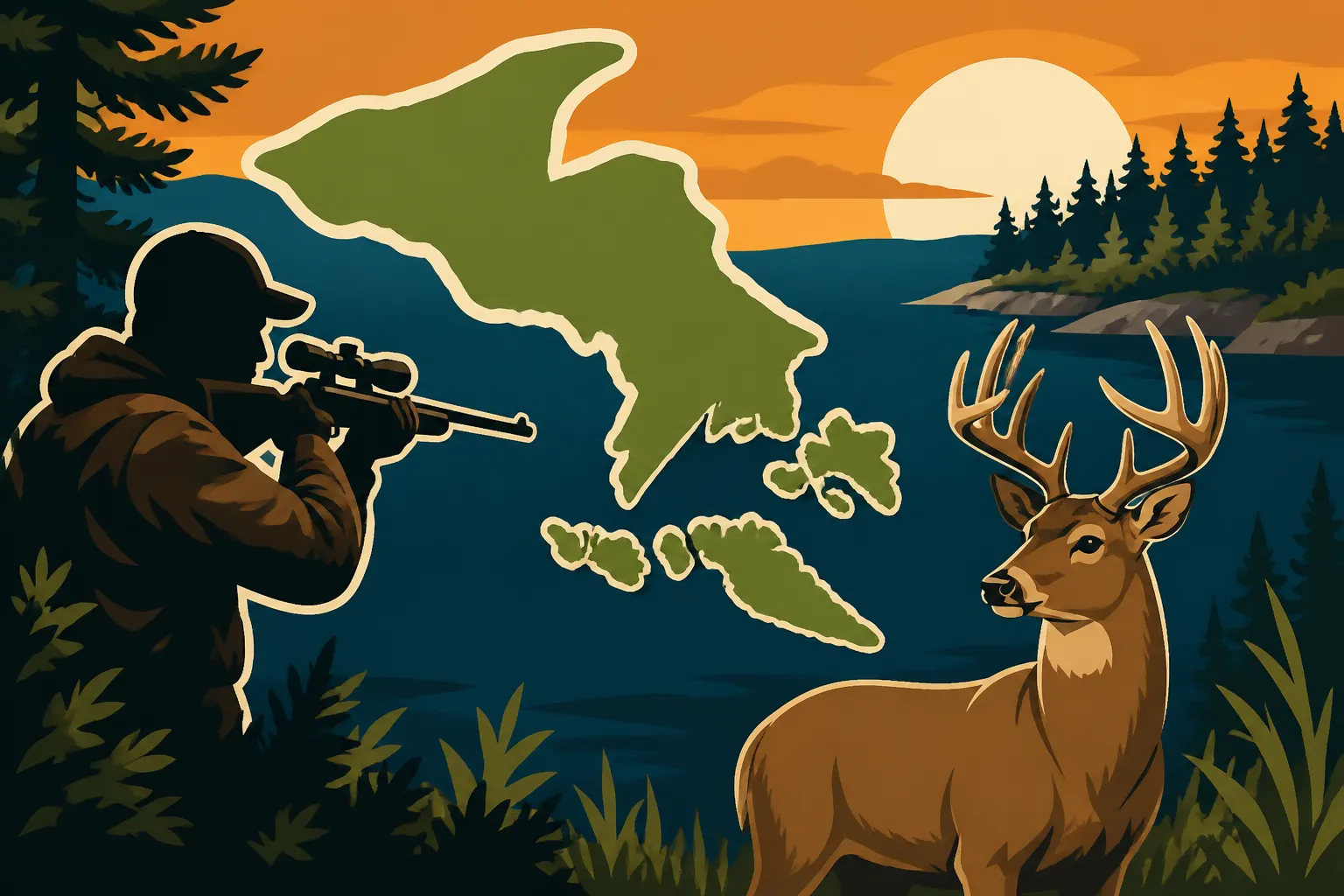
Drummond Island, nestled in Lake Huron just off the eastern tip of the Upper Peninsula, offers a truly unique and often challenging hunting adventure. It's an island paradise for deer hunters, but it comes with its own set of logistical considerations and hunting dynamics that set it apart from the mainland.
Access and Logistics
Getting to Drummond Island is an experience in itself. You'll need to take a ferry from DeTour Village, which operates regularly, but it’s still a variable to factor into your travel plans, especially if you're bringing a lot of gear or a large group. The ferry schedule can change with weather or season, so always check ahead. Once on the island, you'll find a more remote atmosphere than even much of the mainland EUP. Services are more limited, meaning you need to be largely self-sufficient. Pack all your essentials, from extra fuel to first-aid supplies, and don't rely on finding that obscure piece of gear you forgot once you're there.
Roads on the island are a mix of paved, gravel, and rough two-tracks. A reliable vehicle, preferably with four-wheel drive, is highly recommended, especially if you plan to explore deeper into the island's interior, particularly during or after wet weather. Consider your accommodation options well in advance, whether it's a rental cabin, a motel, or dispersed camping on public land, which is a popular choice for many hunters. The remoteness is part of the appeal, but it demands meticulous planning.
Deer Hunting on Drummond
Drummond Island has a reputation for its deer herd, particularly its larger-bodied deer. The island's geography and limited pressure in some areas can allow deer to reach older age classes, and the challenging terrain ensures they're often elusive. The deer density isn't necessarily exceptionally high across the entire island, but pockets of excellent habitat can hold good numbers. Hunting strategies here often involve scouting vast areas, understanding prevailing wind patterns coming off Lake Huron, and being prepared for long walks into remote sections.
The island's cover is a mix of dense cedar swamps, thick conifer, and some scattered hardwoods, creating a challenging environment for visibility but excellent security for deer. Hunters often focus on transition areas between these habitat types, or along the numerous low ridges and drainages. Hunting pressure can be localized, with areas near road access receiving more attention, while deeper tracts of public land see far fewer hunters. This means willing hunters can find significant solitude, but it requires effort and good navigation. Because it’s an island, deer movement isn't influenced by migrating across large landmasses; instead, they move within the island's confines, adapting to local food sources and cover.
Other Island Game
While deer are the primary draw, Drummond Island also offers opportunities for other game species. Small game, particularly snowshoe hares, can be found in abundance in the dense conifer thickets. Waterfowl hunting around the island's many bays and inlets can be productive, offering chances at various duck species, especially during migration. Some hunters target coyotes, which are present on the island, though often elusive. However, the unique, isolated ecosystem of Drummond means that some species common on the mainland EUP, like bear or turkey, are generally not found here, or are present in extremely limited numbers that make hunting them impractical or impossible. Always check current regulations for specific species before planning an island hunt.
Navigating Public Lands and Access
The vast amount of public land in the Eastern Upper Peninsula and on Drummond Island is a huge draw for hunters, but it can also be intimidating. Knowing how to effectively navigate these expansive tracts and understand access rules is crucial for a successful and safe hunt.
Understanding State and National Forests
Much of the hunting opportunity in the EUP lies within the sprawling state and national forests. The Hiawatha National Forest covers a significant portion of the central and eastern U.P., offering diverse habitats and extensive access. Similarly, the Lake Superior State Forest and others manage vast tracts of timberland. These lands are generally open to hunting, but it's important to understand any specific regulations regarding vehicle access, camping, or the use of permanent treestands. Michigan State Forest Hunting allows for a wide range of activities, but always double-check the rules for the specific area you plan to visit.
The sheer scale of these forests means that you can often walk for miles without encountering another hunter, a stark contrast to some more popular areas in the Lower Peninsula. This solitude is part of the appeal, but it also means you need to be prepared for self-reliance. Understanding topographical maps and being able to identify features like ridges, drainages, and swamps will be far more beneficial than just cruising two-tracks. Looking for subtle changes in timber types, which indicate differences in soil or moisture, can lead you to prime deer habitat.
Utilizing Mapping Tools for Success
In a region as vast and wild as the EUP, modern mapping tools are absolutely indispensable. Forget relying solely on paper maps, though a physical map and compass are always wise backups. Applications like onX Hunt and GoHunt have revolutionized how hunters interact with public land. These apps allow you to see property boundaries, land ownership, topography, and aerial imagery right on your phone, even when you're out of cell service (by downloading maps beforehand). This is critical for knowing exactly where you are, identifying potential access points, and avoiding accidental trespass.
When scouting or hunting, I personally rely heavily on these apps. I'll mark potential bedding areas, identify funnels between swamps and uplands, and plan my entry and exit routes. Features like tracking your path, measuring distances, and even checking wind direction can be invaluable in these big woods. For instance, when I'm Scouting Michigan Public Land Before Season, I’m often using the aerial imagery to pinpoint obscure clearcuts or hard-to-reach cedar thickets that might hold deer later in the year. The Mi-HUNT map, provided by the Michigan DNR, is another fantastic resource that shows public land access points and habitat types, and it integrates well with these digital platforms for comprehensive planning.
Commercial Forest Land and Private Holdings
Beyond state and national forests, the EUP also has a significant amount of Commercial Forest Act (CFA) land. These are privately owned timberlands that are enrolled in a program that grants public access for hunting and fishing in exchange for a tax break. These parcels can be excellent hunting grounds, but it's crucial to understand the rules and respect the landowner's property. While they are generally open for foot access, vehicle access is typically restricted to dedicated roads or at the landowner's discretion.
Private land is also a factor, particularly in areas with more agriculture or scattered rural residences. Unlike CFA land, private land requires explicit permission from the landowner to hunt. Knocking on doors and building relationships with landowners can unlock access to some fantastic hunting opportunities, especially for species like deer or turkeys that might be drawn to agricultural fields. Always be courteous, respectful, and willing to follow any specific rules the landowner might have. For some, gaining Getting Private Land Permission in Michigan can be the key to consistent success. Always remember to clearly understand and respect boundaries, whether on public, CFA, or private land.
| Feature | Eastern Upper Peninsula Mainland | Drummond Island |
|---|---|---|
| Primary Access | Roads, two-tracks, state/national forest trailheads | Ferry from DeTour Village, then island roads/two-tracks |
| Dominant Habitat | Vast mixed forests, cedar swamps, aspen cuts, some agriculture near coasts | Dense cedar swamps, conifer thickets, scattered hardwoods, limestone bluffs |
| Deer Herd Dynamics | Heavily influenced by winter severity, dispersed population, reliance on natural browse | Stable island population, larger-bodied deer, localized pressure, unique island movement |
| Other Game Species | Bear, turkey, grouse, woodcock, waterfowl, coyotes, small game | Snowshoe hares, waterfowl, coyotes (limited bear/turkey presence) |
| Hunting Pressure | Variable; high near popular access points, low in deep woods; spreads out over season | Localized near access; very low in interior; dependent on ferry traffic |
| Logistical Challenge | Navigating vast public land, long walks, remote conditions | Ferry schedule, limited services, island-specific planning |
| Key Strategy | Finding wintering areas, natural food sources, adapting to dispersed deer, extensive scouting | Understanding island topography, focusing on transition zones, preparing for solitude |
Strategies for Eastern U.P. and Drummond Island Whitetails
Hunting in the EUP and on Drummond Island demands a shift in strategy from what many hunters might be used to in the southern half of the state. These are big woods deer, often more wary and less patternable around consistent food sources due to the sheer size of their range.
Adapting to Big Woods Tactics
In the vast tracts of the EUP, big woods deer hunting tactics become paramount. This isn't usually about sitting over a small food plot or a well-used trail between two woodlots in farm country. Instead, it's about covering ground quietly, reading subtle sign, and understanding how deer use the expansive habitat. Still-hunting, moving slowly and deliberately through the woods, becomes incredibly effective. You're constantly scanning, stopping, and listening, using the terrain and cover to your advantage. Still-Hunting Michigan Cedar Swamps can be particularly productive, as these areas often hold deer even outside of winter.
Key to this approach is understanding how deer use different forest types. They might bed in thick young conifer, browse in an older aspen cut, and travel along a faint ridge connecting two swamps. Rather than focusing on a single pinch point, you're looking for broader patterns of movement across the landscape. This requires a different kind of scouting, often involving many miles on foot, even outside of hunting season. Look for old rubs and scrapes from previous years, and try to visualize how deer might travel through an area during different conditions, such as high winds or approaching snow.
Hunting Near Cedar Swamps and Wintering Areas
Cedar swamps are arguably the most critical habitat feature for deer in the EUP, especially as the season progresses and the weather turns cold. These dense, lowland areas provide thermal cover and protection from deep snow, becoming crucial wintering areas, or "yards." As winter approaches, deer will naturally funnel into these areas. Learning Reading a Michigan Cedar Swamp for Deer is an art form. Look for subtle ridges within the swamp, edges where the cedar transitions to hardwoods, or islands of higher ground.
Hunting these areas demands patience and often specialized gear. Rubber boots or chest waders are essential for navigating the wet, boggy terrain. Accessing the heart of a large swamp can be incredibly challenging, but it’s often where the biggest bucks will be found seeking refuge. In the late archery or muzzleloader seasons, when snow is deep, hunting the periphery of a known deer yard or along the travel corridors leading into it can be highly productive. This also ties into the concept of Upper Peninsula Deer Yarding and Winter Movement, as understanding these seasonal shifts is crucial for late-season success.
Dealing with Pressure and Solitude
One of the great appeals of hunting the EUP and Drummond Island is the potential for solitude. Compared to some of Michigan's more popular hunting destinations, you can often find yourself truly alone in the woods for days. However, it's unrealistic to think there's no hunting pressure. Areas close to paved roads, well-maintained two-tracks, and popular trailheads will see more hunters, especially during the firearm season.
The key is to adapt. If you arrive opening day and find vehicle after vehicle parked along a two-track, don't despair. Instead, use your mapping tools like onX Hunt to identify areas a mile or two (or more!) away from the obvious access points. Most hunters won't venture far from their vehicles. Those who are willing to put in the effort, and manage Entry Routes on Flat Michigan Ground strategically, can find overlooked pockets of deer habitat that receive minimal pressure. This might mean crossing a small creek, navigating a dense patch of blowdowns, or simply walking farther than most are willing. The reward for this extra effort is often a more relaxed deer population and a greater chance at encountering an older, wiser buck. Remember, even in "big woods," a little bit of pressure can push deer into the thickest, nastiest cover, which is exactly where you want to be hunting.
Essential Gear and Preparation
Hunting the Eastern Upper Peninsula and Drummond Island isn't just about strategy; it's also about having the right gear and being prepared for whatever conditions Michigan's wild north can throw at you. From unpredictable weather to remote terrain, your equipment choices can make or break your hunt.
Clothing for Variable Weather
Michigan weather, especially in the EUP, can be famously fickle. A warm, sunny October morning can quickly turn into a cold, driving rain or even snow by afternoon, especially with the influence of the Great Lakes. Layering is not just a suggestion; it's a necessity. Start with a good base layer of merino wool or synthetics to wick away moisture. Over that, add insulating layers like fleece or down, and top it all off with a waterproof and windproof outer shell. Clothing for a Michigan November is a prime example of needing adaptable gear.
Consider packing multiple hat options – a light one for walking in, a warm insulated one for sitting. Gloves or mittens are also crucial, often a thin pair for dexterity and a heavier, warmer pair for colder sits. Don't forget rain gear, even if the forecast looks clear; a sudden shower can make for a miserable hunt if you're not prepared. For late-season hunts, a well-insulated jacket and pants are non-negotiable, as sitting still in single-digit temperatures requires serious warmth.
Navigation and Safety
In expansive public lands where cell service can be spotty to non-existent, reliable navigation and safety equipment are paramount. Your smartphone with downloaded maps (like onX Hunt) is excellent, but it's an electronic device with a battery that can die. Always carry a physical compass and a paper map of your hunting area. Knowing how to use them together, even if you typically rely on GPS, is a critical skill for Scouting Michigan Public Land Before Season or during the hunt.
A reliable headlamp with extra batteries is essential for navigating to and from your stand in the dark. A basic first-aid kit, a whistle, and fire-starting materials (even waterproof matches and a lighter) should always be in your pack. Consider carrying a small, portable power bank to recharge your phone or other electronic devices. If you're hunting alone, or in a very remote area, a satellite messenger or personal locator beacon could literally be a lifesaver, allowing you to call for help even without cell service. Communication is key, especially if you're venturing deep into the woods with a hunting partner; two-way radios can be invaluable on a deer drive or when trying to coordinate.
Processing and Extraction
Successfully harvesting an animal in the EUP or on Drummond Island is only half the battle; getting it out of the woods can be the real challenge. Unlike areas with plentiful road access, you might be looking at a long drag or carry, often through thick cover, swamps, or deep snow. Having the right tools for field dressing, quartering, and extraction is vital.
A sharp, durable knife (with a backup), a bone saw (or knowledge of the gutless method), and a few game bags are essential for proper field dressing and meat care. For extraction, a sturdy deer sled is a game-changer when there's snow on the ground; it makes pulling a deer much easier than dragging it directly. For uneven or rocky terrain, a deer cart can be beneficial, though they can be cumbersome in thick timber. If you're hunting truly remote areas, consider the possibility of quartering your animal and packing it out in a frame pack, particularly if you're successful with something larger like a bear. And don't forget the proper means to report your harvest according to Michigan Deer Seasons and Tags or other game species regulations. Being prepared for the retrieve means your hard-earned success doesn't turn into a logistical nightmare.
Disclaimer
This article is for general informational purposes only and does not constitute professional advice. Laws, prices and regulations vary by location and change over time. Consult a qualified professional for guidance on your specific situation.