Baiting and Hound Hunting for Michigan Bear
The dream of pursuing a Michigan black bear, whether it’s through the strategic setup of a bait station or the thrilling chase with a pack of well-trained hounds, is a powerful draw for many hunters. But let's be honest, trying to navigate the unique regulations, understand the specific tactics, and then apply for the right tags can feel like trying to solve a Rubik's Cube in the dark. This comprehensive guide will walk you through everything you need to know about successfully baiting and hound hunting for Michigan bear, helping you unravel the complexities and increase your chances of a successful hunt.
Understanding Michigan's Bear Hunting Framework
Michigan offers some fantastic opportunities for black bear hunting, but it's not a free-for-all. The state's Department of Natural Resources (DNR) manages the bear population meticulously to ensure its health and sustainability, and that means a highly regulated hunting season. Before you even think about buying bait or training a pup, you need to grasp the foundational rules and the overall picture of bear management here in the Great Lake State. It’s a system designed to spread hunting pressure and ensure a healthy population for generations to come.
Michigan's Diverse Bear Management Units (BMUs)
Michigan is divided into several Bear Management Units (BMUs), and knowing which unit you’re interested in, or ultimately draw a tag for, is absolutely crucial. These units define where you can hunt, when you can hunt, and often, the specific regulations that apply. For instance, the Upper Peninsula has BMUs like the Red Oak, Drummond Island, and Newberry, while the northern Lower Peninsula has units like Baldwin, Gladwin, and Fife Lake. Each BMU has different quotas for bear tags, reflecting the varying bear densities and habitat conditions in that area. This system allows the DNR to fine-tune harvest goals, preventing over-harvest in one area while potentially allowing more opportunities in another. It’s worth noting that the "general" Upper Peninsula (UP) and Northern Lower Peninsula (NLP) rules often differ slightly, reflecting the distinct ecological characteristics of these regions. Understanding these boundaries is your first step in planning any Michigan bear hunt, especially since your bear license will be specific to a drawn unit. You can dive deeper into the specifics in our guide on Michigan Bear Management Units.
The Role of Regulated Bear Hunting
Regulated bear hunting in Michigan isn't just about recreation; it's a vital tool in wildlife management. Black bears are an important part of Michigan's ecosystem, but their populations need to be kept in balance with available habitat and human communities. Too many bears in one area can lead to increased conflicts with people, livestock, and property, while too few can indicate habitat issues or other problems. Hunting helps maintain a healthy population size, age structure, and sex ratio. Both baiting and hound hunting play significant roles in this management strategy, offering effective methods for hunters to harvest bears. These methods allow for selective harvest, and for hunters to develop a deep understanding of bear behavior and habitat. The DNR closely monitors harvest numbers and applies scientific data to adjust quotas and regulations each year, ensuring the long-term health of Michigan's Black Bear Population.
Population Health and Michigan's Black Bear
Michigan's black bear population is thriving, a testament to effective management and abundant habitat. Across the state, from the dense forests of the Upper Peninsula to the more fragmented woodlands of the northern Lower Peninsula, bears are doing well. The DNR conducts extensive research, including mark-recapture studies, den checks, and harvest data analysis, to estimate bear numbers and assess their overall health. This scientific approach informs the quota setting process for each BMU. While severe winters in the Upper Peninsula can sometimes impact bear cub survival, the overall trend has been positive. Hunters play a critical role in providing data through harvest reporting, which helps biologists monitor the population. Understanding that your hunt contributes to this larger conservation effort can add another layer of meaning to the experience. For more detailed information on current population estimates, check out our piece on How Many Black Bears Michigan Has.
Mastering the Art of Bear Baiting
Bear baiting is a highly effective and popular method for hunting black bears in Michigan. It involves establishing a food source that consistently draws bears to a specific location, allowing hunters to observe and potentially harvest a bear. But it's far more than just dumping out some donuts; it's a strategic process that requires patience, knowledge of bear behavior, and strict adherence to regulations. Done correctly, baiting offers a unique opportunity to study bears up close and personal, often leading to a more controlled and ethical shot opportunity.
Choosing and Setting Up Your Bait Site
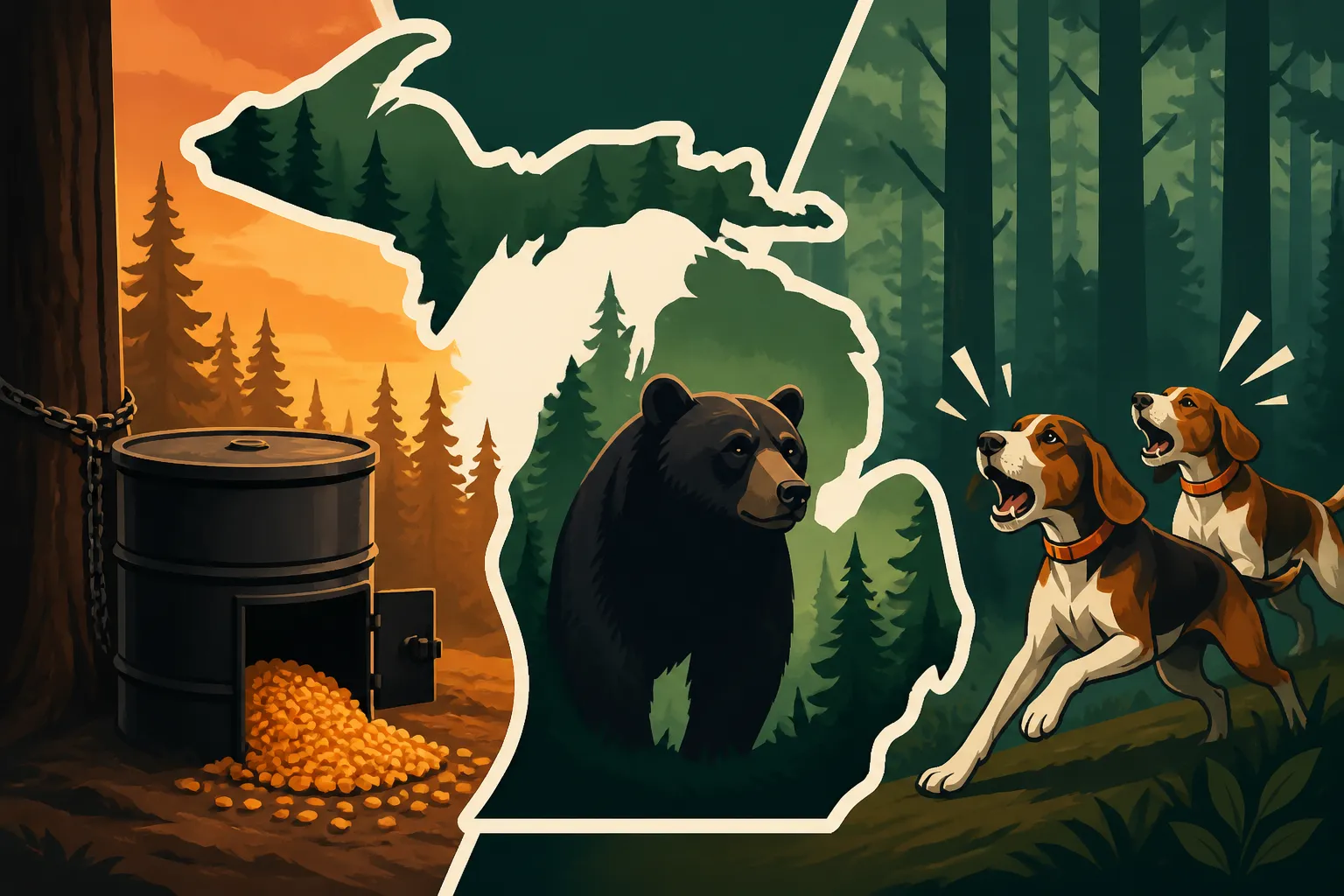
The success of your baiting operation hinges on selecting the right location. You're looking for areas that bears naturally frequent, usually near dense cover, water sources, and travel corridors. Think about transitions: where a swamp meets a hardwood ridge, along the edge of a thick cedar swamp, or near natural food sources like wild berry patches or acorn flats. Look for signs like tracks, scat, and rubbed trees. A remote, quiet spot away from heavy human disturbance is always ideal. Once you've identified a promising area, you need to establish your bait station. This typically involves securing a barrel or similar container to a tree, ensuring it's sturdy enough to withstand a bear's curiosity. Many hunters will create a "crib" or secure a log over the bait to make bears work for it, prolonging their stay and increasing repeat visits. Remember, discretion is key; you want to make it as unobtrusive as possible to other hunters and wildlife. Good access for yourself is important, but not so obvious that it draws unwanted attention to your spot.
The Science and Strategy of Bear Baits
Bears are opportunistic omnivores, meaning they'll eat just about anything, but they have a particular fondness for high-calorie, sugary, and fatty foods. This is where the "science" of baiting comes in. Popular bait items include pastries, donuts, leftover candy, cooking grease, meat scraps (though some restrictions apply to certain animal parts, so always check current regulations), and corn. A successful bait mixture often includes a strong scent component to attract bears from a distance, like anise oil or discarded fry grease, combined with a highly palatable food source. Don't just dump it; strategically place it to make bears work a bit, encouraging them to stay longer. Some hunters will incorporate a "starter bait" of strong-smelling, easily accessible items, then gradually transition to harder-to-get, longer-lasting foods. Consistency is vital; bears are creatures of habit, and regular bait replenishment encourages them to return. Keeping a log of bear visits, weather conditions, and bait consumption can provide invaluable insights into bear patterns and help you refine your strategy. It’s not just about putting food out; it’s about creating an irresistible and reliable dining experience for the bears.
Navigating Baiting Regulations and Best Practices
Michigan has very specific rules regarding bear baiting, and ignorance is no excuse for violating them. First and foremost, you must always verify the current legal dates for baiting in your specific BMU. Typically, baiting is allowed for a set period before the hunt and throughout the season, but these dates can change annually. The amount of bait allowed per site is also regulated, usually limited to a specific volume per 10-square-foot area. Certain types of bait, especially those containing deer or elk parts, are often prohibited to prevent the spread of diseases like CWD or Bovine TB. Always check the current Michigan DNR hunting regulations for specific prohibitions.
Beyond legality, consider best practices:
- Safety: Always approach your bait site cautiously, especially during low light. Bears can be present. Make noise as you approach.
- Cleanliness: Remove all trash and non-biodegradable materials when the season ends. We're guests in their home.
- Respect: Place your bait in a location that won't interfere with other hunters or public land users.
- Monitoring: Use trail cameras to monitor your site. This helps identify individual bears, understand their patterns, and confirm legal shooting light. Some hunters even use apps like GoHunt to log their trail camera data and scout new locations.
- Disease Prevention: Never use bait that shows signs of mold or spoilage, as this can transmit diseases.
- Bear Behavior: Observe how bears approach and interact with the bait. This can tell you a lot about their wariness and habits, which is crucial for determining your stand placement.
Remember, Michigan has very strict Michigan Baiting and Feeding Rules, so staying current with these regulations is paramount to a legal and ethical hunt.
The Thrill of Hunting Bear with Hounds
For those who crave an adrenaline rush and the immersive experience of working with highly specialized dogs, hunting bear with hounds in Michigan is an unparalleled adventure. This method involves using a pack of trained dogs to track a bear, eventually treeing or baying it on the ground, allowing the hunter to approach for a shot. It's a physically demanding and mentally engaging pursuit that fosters an incredible bond between hunter and dog.
Developing a Skilled Pack of Bear Hounds
A successful hound hunt starts long before the season opens, with dedicated training and conditioning of your dog pack. Bear hounds, typically breeds like Plott Hounds, Walkers, or a mix of various hound types, are bred for their exceptional scenting abilities, stamina, and determination. Training involves teaching them to follow a bear track exclusively, ignore other wildlife, and to "tree" or "bay" a bear reliably. This is often done using leashed training, release over bear scent trails, and eventually, introducing them to wild bears under controlled conditions. Physical conditioning is just as important as mental training. These dogs will cover many miles over challenging terrain, so a rigorous exercise regimen is essential. This might involve long runs, swimming, and even specialized treadmills. Furthermore, the pack must learn to work together, supporting each other during a chase and communicating effectively with their handlers. Just like any team, a strong leader and cooperative members are key to a successful hunt.
The Dynamics of a Bear Chase and Treeing
Once a fresh bear track is found, often through scouting or "road hunting" for tracks, the hounds are released. The chase begins, a symphony of baying and barking as the dogs pursue the bear through the wilderness. This can be a short, intense sprint or a multi-hour endurance test, covering vast distances across various terrains, from dense swamps to steep hillsides. Hunters, often following on foot or using ATVs on designated trails, rely on GPS trackers on their dogs to monitor their progress and location.
The goal is for the hounds to either "tree" the bear – force it up a tree where it feels safe from the dogs – or "bay" it on the ground, holding it at bay with their barking and presence. Once the bear is treed or bayed, the hunter approaches cautiously, assessing the situation, the bear's size, and the safety of the shot. This moment, standing at the base of a tree, looking up at a magnificent Michigan black bear, is the culmination of hours, days, and even years of preparation and effort. It's a profound experience that highlights the incredible instinct and training of the hounds.
Adhering to Hound Hunting Laws and Ethics
Hound hunting for bear is a traditional method, but it comes with its own set of stringent regulations in Michigan. As with baiting, hunters must be aware of the specific season dates and BMU rules for hound hunting.
- Dog Registration: All dogs used for bear hunting must be registered with the DNR, and many require specific identification tags.
- GPS Collars: The use of GPS tracking collars is not only permitted but highly recommended for the safety of the dogs and to prevent their loss.
- Road Hunting: While scouting for tracks from a vehicle is common, actual pursuit of bears with dogs must comply with all road and off-road vehicle regulations.
- Private Land: Always obtain explicit permission before allowing your dogs to pursue a bear onto private property. Trespassing with hounds is a serious offense.
- Dog Welfare: Responsible hound hunters prioritize the health and safety of their dogs. This includes providing adequate water during chases, checking for injuries, and ensuring they are in peak physical condition.
- Hunter Orange: While dogs are pursuing a bear, hunters often wear hunter orange, particularly when moving through cover to the treed animal, to ensure visibility and safety for all involved. For more on general safety, refer to our guide on Michigan Hunter Safety Requirement and How Much Hunter Orange Michigan Requires.
The bond between a hound hunter and their pack is truly unique, a partnership built on trust and mutual respect. This method offers an immersive, physically demanding, and deeply rewarding way to connect with the Michigan wilderness and its black bears.
Securing Your Michigan Bear Tag
Unlike deer or turkey hunting, securing a Michigan bear tag isn't as simple as walking into a retailer and buying one. Michigan bear hunting operates on a limited quota system, meaning only a certain number of tags are issued each year for specific Bear Management Units (BMUs). This makes drawing a tag a competitive process, often requiring multiple years of applying to accumulate preference points. Patience and strategy are key elements in eventually getting your name drawn.
Understanding the Bear Drawing Process
The Michigan bear drawing is essentially a lottery. Hunters apply for a specific BMU and hunt period (e.g., Hunt Period 1, 2, or 3, which have different dates). Your chances of drawing a tag depend on the number of available tags in that unit, the number of applicants, and the number of preference points you've accumulated. The DNR conducts the drawing annually, typically in the late spring or early summer, and notifies applicants of their results. It’s a nail-biting wait for many, but knowing the system helps manage expectations. If you are unsuccessful in drawing a tag, you automatically receive a preference point for the next year's drawing, increasing your odds in subsequent applications. This system is designed to give loyal applicants a better chance over time. Details on how to apply and the deadlines can be found in our comprehensive article on Michigan Bear Licence Drawing.
Leveraging Michigan Bear Preference Points
Preference points are the lifeblood of Michigan's bear drawing system. For every year you apply for a bear license and are unsuccessful in drawing a tag, you earn one preference point. These points accumulate, and in subsequent drawings, applicants with more preference points have a significantly higher chance of being drawn for a limited quota unit. Essentially, they give you seniority in the lottery.
It's a strategic game:
- Consistency is Key: The most crucial thing is to apply every single year, even if you don't plan to hunt that particular year, just to keep accumulating points. If you miss a year, you lose all your accumulated points.
- Strategic Unit Choice: Researching the draw odds for different BMUs is critical. Some units are much harder to draw than others, meaning they require more preference points. You might choose to apply for a harder-to-draw unit if you have many points and are aiming for a specific hunt, or opt for an easier unit if you want to hunt sooner.
- Understanding Point Systems: The DNR uses a tiered system where a certain percentage of tags are awarded based on preference points, and the remainder are often drawn randomly among all applicants, regardless of points. This ensures everyone has a chance, but those with points have a definite advantage. For a deeper dive into this system, check out How Michigan Bear Preference Points Work.
Researching Units and Improving Your Odds
This is where the real homework comes in. To truly maximize your chances, you need to research each BMU thoroughly. Look at:
- Historical Draw Odds: The Michigan DNR publishes historical draw odds for each BMU and hunt period. This data is invaluable for understanding how many points are typically needed to draw a tag in a given unit.
- Bear Population Trends: While all units have bears, some have higher densities or better habitat, potentially leading to more tags and better hunting. Information on Michigan Bear Harvest Trends can give you an idea of success rates in different units.
- Public Access: Consider the amount of public land in a unit. Some units might be easier to draw but have limited public access, which could make your hunt challenging if you don't have private land connections.
- Hunt Style Preference: If you prefer baiting, look for units with good road access for hauling bait. If you prefer hounds, consider units with expansive tracts of public land.
Tools like GoHunt can be incredibly valuable here. They often compile and analyze draw odds, unit statistics, and hunter success rates, making it much easier for you to sort through the data and make an informed decision on which BMU to apply for based on your preference points and hunting goals. Using such resources can give you a significant edge in navigating the complex world of limited quota drawings and help you apply confidently.
Beyond the Kill: Responsible Bear Hunting
Harvesting a Michigan black bear is an immense privilege, and with that privilege comes a profound responsibility. The hunt doesn't end when the shot is taken; it extends to how you handle the animal post-harvest, how you interact with other users of the land, and how you contribute to the ongoing conservation efforts. Ethical behavior and responsible practices are cornerstones of a truly successful and meaningful bear hunt.
Field Care and Transport of Your Harvest
A bear is a large, powerful animal, and proper field care is essential to preserve the meat and hide. As soon as possible after the harvest, you'll need to field dress the bear, removing the entrails to allow the carcass to cool down quickly. Bear meat, especially from a properly cared-for animal, is delicious, but it can spoil rapidly if not handled correctly.
- Cooling: Get the carcass cooled as fast as possible. In warmer early seasons, this might mean quartering the bear and placing the meat in game bags in coolers with ice. In colder conditions, hanging the bear can facilitate cooling.
- Hide Care: If you plan to have the hide tanned or mounted, skinning should be done carefully and the hide properly prepped and cooled to prevent hair slippage. Get it to a taxidermist or freezer quickly.
- Transport: Michigan has specific rules for transporting harvested game, especially across CWD zones. Ensure you understand and comply with all Michigan Carcass Transport Restrictions. You'll also need a plan for physically moving the bear out of the woods, which can be a significant challenge given their size. A heavy-duty game cart, a sled in snowy conditions, or even just good old-fashioned muscle and teamwork might be necessary. Some hunters bone out the meat in the field to lighten the load, a practice that also helps in cooling.
Critical Post-Harvest Reporting
One of the most important responsibilities of a Michigan bear hunter is to properly report their harvest. This isn't just a bureaucratic step; it's a critical part of the DNR's management strategy. Harvest data provides vital information on population health, hunter success rates, and the impact of regulations.
- Validation: Immediately after killing a bear, you must validate your kill tag by notching the appropriate dates and removing the correct tab. This makes the tag void for further use.
- Reporting Deadline: You are typically required to report your bear harvest to the DNR within 72 hours of killing it. This can often be done online through the DNR's harvest reporting system or the Michigan DNR Hunt Fish App, or in person at a designated check station.
- Physical Check: In many cases, especially in certain BMUs or for specific research purposes, you may be required to bring your bear to a DNR check station. Here, biologists can collect samples (teeth for aging, tissue for disease testing) and biological data that are invaluable for scientific management.
Failing to properly tag and report your harvest can result in penalties and compromises the integrity of Michigan's wildlife management efforts. Always prioritize this step to ensure the future of bear hunting opportunities.
Ensuring Quality Bear Meat Safely
Bear meat is a delicious and often underappreciated wild game, but like all wild game, it requires careful handling. One critical concern with bear meat is the potential for Trichinella parasites. While relatively rare, proper cooking is essential to kill these parasites.
- Cooking Temperature: Always cook bear meat to an internal temperature of at least 160°F (71°C) to ensure any potential Trichinella larvae are destroyed. A meat thermometer is your best friend here.
- Processing: Consider having your bear professionally processed, especially if you're new to handling large game. Processors are equipped to handle the large carcass and ensure proper cuts. If you do it yourself, maintain sterile conditions and work quickly.
- Freezing: Freezing bear meat does not kill Trichinella, so relying solely on freezing is not a safe practice. Always follow the proper cooking temperature guidelines.
- Taste: The flavor of bear meat can vary depending on its diet. Bears that have been feeding heavily on berries and nuts often have a milder, sweeter flavor than those that have been scavenging or eating fish. Experiment with different recipes; bear roasts, burgers, and stews are all popular. You can learn more about Handling Bear Meat Safely in our dedicated article.
By following these responsible practices, you not only honor the animal you've harvested but also contribute to the positive perception of hunting and ensure the continued health and enjoyment of Michigan's bear population for generations to come.
| Bear Management Unit (BMU) Category | Typical Location | Characteristics for Hunters | Draw Odds (General) | Primary Hunting Method |
|---|---|---|---|---|
| Upper Peninsula (U.P.) | Northern Michigan | Expansive wilderness, dense forests, fewer roads, higher bear density. | More favorable for points, but can be competitive. | Hound hunting, baiting, spot & stalk. |
| Red Oak, Newberry, Drummond Island, Baraga | U.P. | Remote, challenging terrain, excellent habitat. | Vary, some are harder than others depending on quota. | Hounds (significant), Baiting |
| Northern Lower Peninsula (NLP) | Central/Northern Lower | Mixed forests, more fragmented habitat, more roads, lower bear density. | Often harder to draw with fewer points. | Baiting (dominant), some hound hunting. |
| Baldwin, Gladwin, Fife Lake, Traverse City | NLP | More accessible, closer to population centers, higher hunter pressure. | Generally tougher, requiring more points. | Baiting (primary), some still-hunting. |
| South-Central Lower Peninsula | Lower Michigan | Very limited, occasional permits. | Extremely rare, often special permits. | Baiting, opportunism |
Disclaimer
Please note that hunting regulations, season dates, and quotas are subject to change annually. Always consult the official Michigan Department of Natural Resources (DNR) website and current hunting digests before planning any hunt. This guide is for informational purposes only and does not supersede official DNR regulations.