Climbing Sticks for Rough Bark
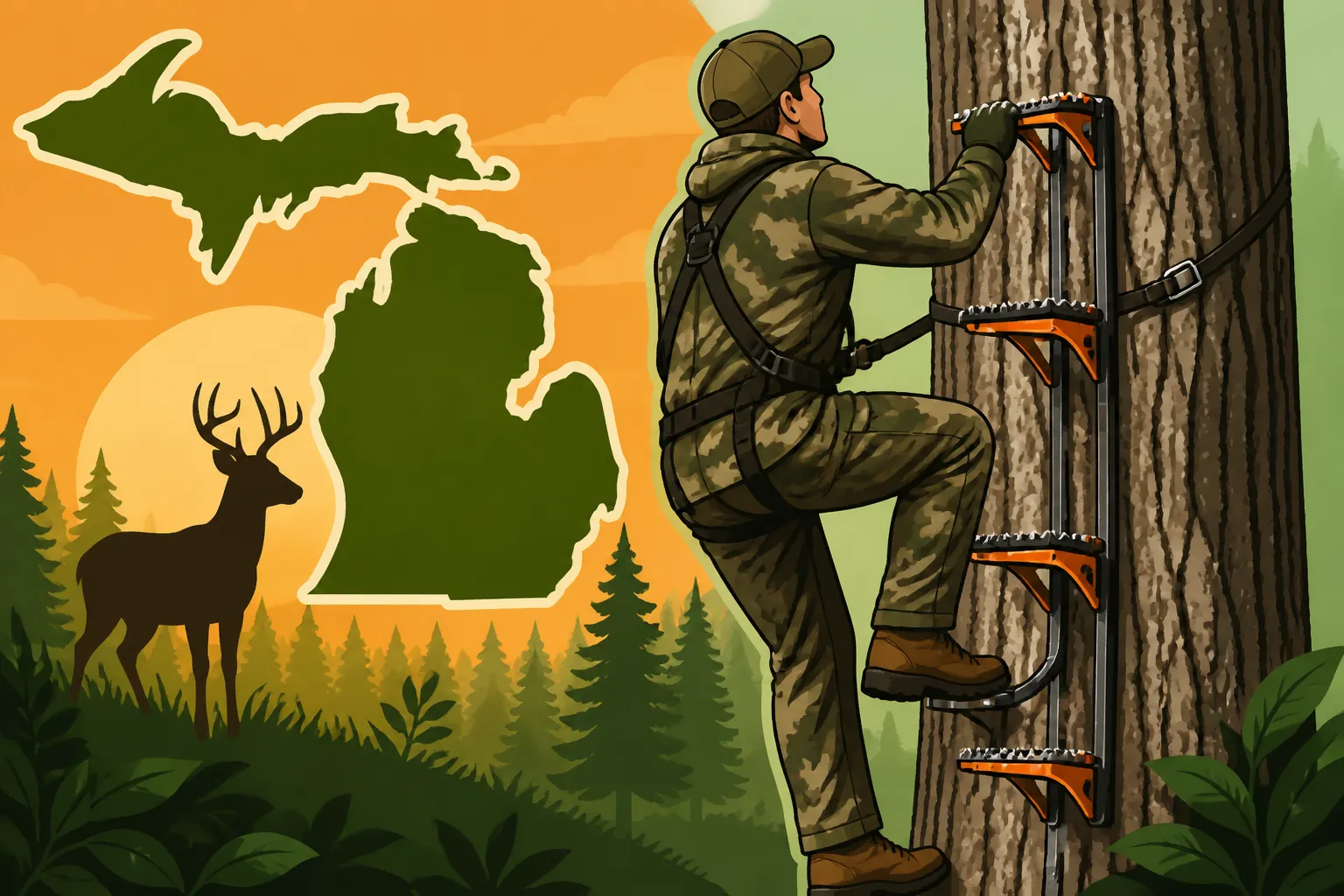
If you've ever found yourself wrestling a climbing stick against the gnarled, deeply furrowed bark of a Michigan oak or a seasoned hickory, only for it to slip, twist, or refuse to bite, you know the frustration is real. This guide is dedicated to helping you choose and effectively use climbing sticks specifically designed to tackle Michigan's most challenging, rough-barked trees, ensuring a stable and safe ascent to your treestand.
The Michigan Hunter's Bane: Why Rough Bark Makes Climbing Tough
Michigan's forests are a tapestry of diverse tree species, from towering pines to sprawling maples, and some of the most frustrating for a treestand hunter are those with truly rough, deeply fissured bark. We've all been there, trying to find that perfect tree only to discover its surface makes a standard climbing stick feel like it's trying to grip a bowling ball. It's not just an annoyance; it can seriously impact your hunting success and, more importantly, your safety.
The Struggle for Grip on Gnarly Trunks
Think about the deeply ridged bark of a mature oak, the shaggy plates of a shagbark hickory, or even the craggy surface of an older, dominant maple. Traditional climbing sticks, especially those with smooth or small standoffs (the parts that press against the tree), often struggle to find purchase on these irregular surfaces. Instead of digging in and holding firm, they want to slide, pivot, or simply not sit flush against the trunk. This lack of a solid, stable connection can feel incredibly unsettling when you're attempting to climb.
It's a constant battle, trying to muscle the stick into submission, tightening the strap repeatedly, only for it to feel less than secure. This instability not only saps your confidence but can also introduce unwanted noise as the stick shifts or rubs against the bark, broadcasting your presence to every deer within earshot. For public land hunters in Michigan, where trimming limbs or using screw-in steps is often prohibited, getting a reliable grip on these challenging trees is an everyday reality that demands the right gear and technique.
Safety Hazards and Equipment Damage
Beyond the frustration, a climbing stick that won't hold firm on rough bark presents a very real safety hazard. Even a slight shift or pivot of a stick when you put your weight on it can throw you off balance, especially if you're carrying your bow or firearm. The last thing any hunter needs is to feel precarious 15 or 20 feet up a tree. This is precisely why Safety Harnesses and Lifelines are non-negotiable every single time you leave the ground, but even the best harness can't prevent the fear or lost focus that comes from an unstable climb.
Furthermore, a poorly gripping stick can cause damage – both to the tree and your equipment. When you're constantly trying to overtighten straps to compensate for poor grip, you can inadvertently girdle or abrade the tree's bark, leaving an unsightly and unethical mark. This is particularly important when hunting on Michigan State Forest Hunting Rules land, where minimizing your impact is part of being a responsible steward. Your gear also takes a beating, with straps potentially fraying from excessive friction or the stick's metal components scraping and wearing down as they fight for purchase. Investing in sticks designed for these conditions can save you from costly repairs or, worse, a ruined hunt or injury.
Anatomy of a Rough-Bark-Friendly Climbing Stick
Not all climbing sticks are created equal, especially when it comes to tackling the challenging surfaces of Michigan's rough-barked trees. The key lies in understanding the specific design elements that allow a stick to grip securely, remain stable, and provide a safe and confident ascent. It's about more than just being lightweight; it's about intelligent engineering that addresses the unique physics of a deeply textured tree trunk.
Aggressive Standoffs and Pivoting Attachments
The part of the climbing stick that makes direct contact with the tree is called the standoff. For rough bark, you want standoffs that are designed to bite and conform. Look for features like longer standoffs that project further from the main stick body, allowing them to dig past loose bark and into the firmer wood underneath. Many effective designs incorporate aggressive, pointed "claws" or deeply serrated edges on these standoffs. These aren't just for show; they're engineered to maximize friction and create multiple points of contact, preventing the stick from sliding or pivoting laterally.
Beyond fixed, aggressive standoffs, some of the most innovative climbing sticks feature pivoting or articulating attachments. Imagine trying to clamp a perfectly flat board to a curved, bumpy pipe; it only truly touches at a few points. Pivoting attachments solve this by allowing the stick's contact points to individually adjust and mold to the unique contours of the tree's trunk, even if it's not perfectly round or smooth. This adaptive grip creates a much more stable and secure platform, enhancing both safety and confidence during your climb.
Superior Strapping Systems for a Vice-Like Hold
Even the most aggressive standoffs won't perform if the strapping system can't cinch the stick tightly to the tree. For rough bark, cam buckle straps are often superior to traditional pull-through buckles. Cam buckles offer a mechanical advantage that allows you to apply significantly more tension, creating a vice-like grip that minimizes movement. This is crucial for maintaining stability on irregular surfaces where a loose strap means a shifting stick.
Pay attention to the strap's material and width. Wider straps distribute pressure over a larger surface area, which not only helps grip but also reduces the chance of damaging the tree bark. Look for durable, weather-resistant webbing that won't fray easily and, importantly, remains silent when being cinched or released. Many hunters appreciate straps that are also long enough to accommodate larger diameter trees, especially when hunting old-growth timber stands or finding that perfect wide-trunked oak on a Hunting a Funnel Between Two Swamps transition. When researching options, platforms like GoHunt often have detailed reviews and specifications that highlight these construction details, helping you discern truly robust options.
Robust Construction and Stable Steps
The overall construction of the climbing stick plays a huge role in its stability on rough bark. Whether you opt for lightweight aluminum or slightly heavier but incredibly sturdy steel, the key is rigidity. A stick that flexes or twists under your weight will feel inherently unstable, regardless of how well its standoffs grip. Look for solid welds, reinforced attachment points, and a design that prioritizes minimizing any give or wobble once installed.
The steps themselves also contribute significantly to the climbing experience. They should be wide enough to comfortably accommodate your insulated hunting boots, even in the depths of a Michigan November when your feet might be a bit stiff. Non-slip surfaces are paramount, ensuring secure footing in wet or icy conditions. Pay attention to how the steps are attached to the main stick; they should be rock-solid, with no squeaks, creaks, or wobbles that could give away your position or undermine your confidence during the ascent or descent.
| Feature | Benefit for Rough Bark | What to Look For |
|---|---|---|
| Aggressive Standoffs | Maximizes points of contact, digs into bark | Longer projections, pointed "claws," deeply serrated edges |
| Pivoting Attachments | Conforms to irregular tree contours | Articulating points, adaptive tree contact |
| Cam Buckle Straps | Achieves tighter, more secure cinch, less slippage | Durable webbing, quiet operation, appropriate length |
| Strap Width/Material | Distributes pressure, enhances grip, tree-friendly | Wider straps, anti-fray material |
| Rigid Construction | Prevents flex/wobble, improves stability | Quality welds, minimal moving parts, durable materials |
| Stable, Non-Slip Steps | Secure footing, confidence, accommodates bulky boots | Serrated surfaces, wide platforms, solid attachment |
Tactical Setup and Maintenance for Optimal Performance
Having the right climbing sticks is only half the battle; knowing how to properly deploy and maintain them is equally crucial for ensuring a safe and successful hunt, especially when dealing with Michigan's challenging terrain and weather. A little preparation and careful execution can make all the difference when you're preparing for Hunting the Michigan Rut in November or any other critical time in the woods.
Mastering the Ascent on Challenging Trees
Before you even pull out your first stick, take a moment to assess the tree. On rough bark, loose pieces of bark or small twigs can prevent a secure purchase. Give the trunk a quick once-over, clearing away any obvious debris where your standoffs will make contact. Identify the side of the tree that offers the best "flat" spots for your stick to sit, even if they're small. Sometimes, rotating the stick slightly can help you find a better bite. This kind of careful Scouting Michigan Public Land Before Season extends to your tree selection and setup on hunt day.
When installing the first stick, ensure it's low enough to step onto comfortably from the ground, but also high enough to prevent accidental dislodgement. Cinch the strap as tightly as possible using your cam buckle system. Then, a crucial step: lean into the stick, using your body weight to "set" it firmly against the tree. This helps the standoffs dig in and can reveal any lingering instability before you commit to the climb. As you ascend, aim for a consistent climbing path, positioning each subsequent stick to create easy, safe steps. Sometimes, on a particularly gnarled tree, you might need to slightly angle sticks or even walk them around the trunk a bit to find that optimal, no-slip position before securing the strap. Remember, patience and precision here prevent problems later. Treestand Setups in Michigan Hardwoods always benefit from meticulous stick placement.
Pre-Season Checks and Long-Term Care
Just like you wouldn't head into the woods with an un-zeroed rifle, you shouldn't rely on climbing sticks that haven't been thoroughly inspected. Before opening day, take the time to go over every component of your sticks. Check the straps for any signs of fraying, cuts, or excessive wear. Inspect the cam buckles for rust, bent parts, or anything that might hinder their smooth operation. Examine the metal body of the sticks for cracks, especially around welds or attachment points. This proactive inspection can catch a potential failure point before it becomes a dangerous situation in the field.
A great way to build confidence and identify any quirks with your sticks is to practice setting them up in your yard on a variety of trees. Simulating the conditions you'll face – perhaps wearing your Cold Weather Sitting Strategy gear to get used to bulky layers – will make you more efficient and confident when it matters most. After each hunting season, or even after particularly wet hunts, make sure your climbing sticks are thoroughly cleaned of mud, sap, and debris, and dried completely before storage. This prevents corrosion of metal parts and extends the life of your straps. You might even find replacement straps or accessories on sites like GoHunt, ensuring your investment lasts. Proper care ensures your sticks are reliable year after year, especially if you're frequently utilizing them on Public Hunting Land in Michigan where wear and tear can be significant.
Disclaimer
This article is for general informational purposes only and does not constitute professional advice. Laws, prices and regulations vary by location and change over time. Consult a qualified professional for guidance on your specific situation.