Dove Hunting Rules in Michigan
For many Michigan hunters, the idea of pursuing mourning doves can still feel a bit new, perhaps even a little mysterious. If you grew up in a household where deer, grouse, or ducks were the traditional quarry, the rules and nuances of dove hunting might seem like a foreign concept, causing confusion about how to legally and ethically participate. This comprehensive guide is designed to cut through that uncertainty, providing you with all the essential information on Michigan's dove hunting rules so you can confidently enjoy this challenging and rewarding sport.
The Unique Experience of Dove Hunting in Michigan
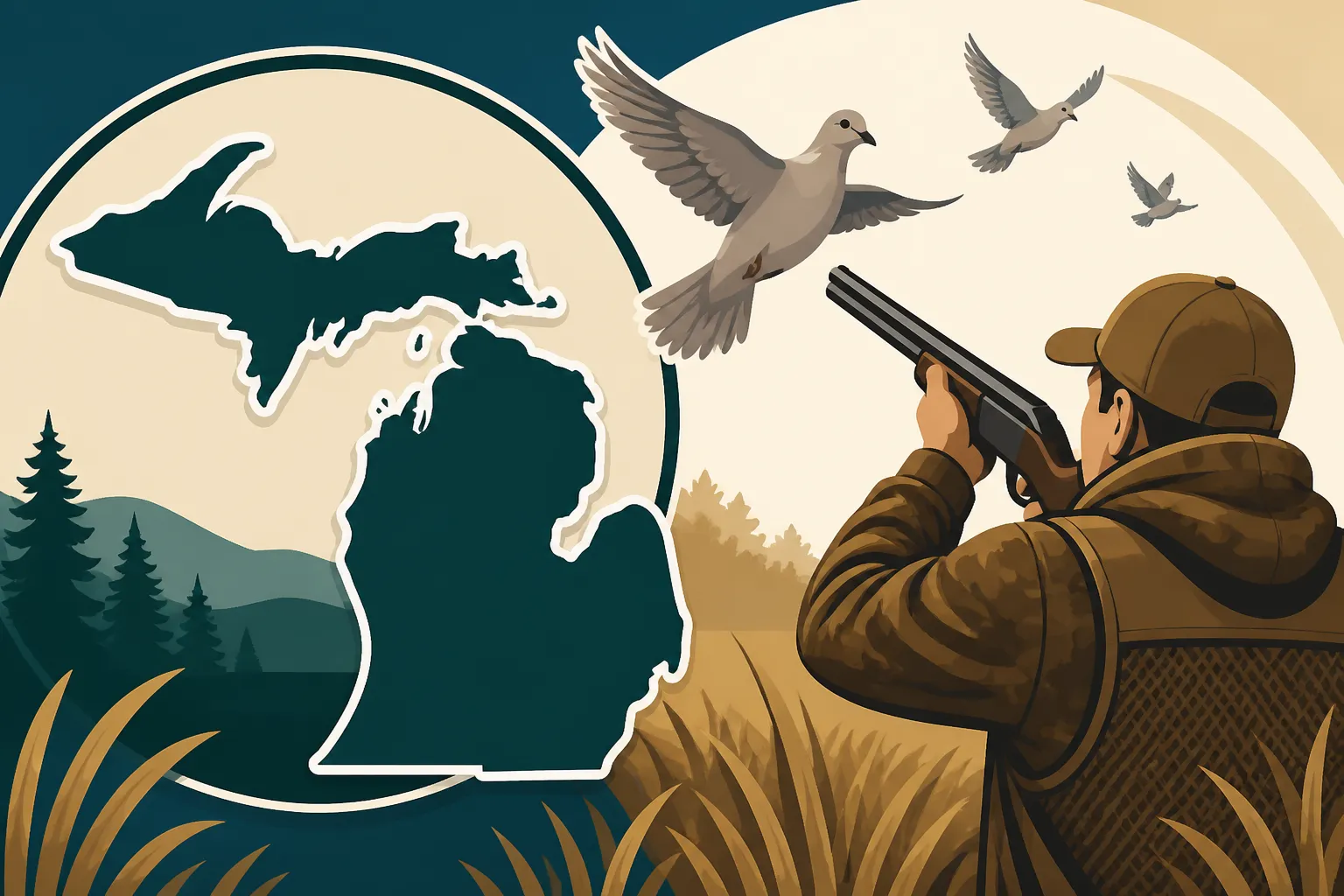
Mourning dove hunting, while long-standing in many southern states, only became a legal hunting opportunity in Michigan in 2004. This relatively recent addition to Michigan's hunting calendar means that a generation of hunters might not have grown up with it as an option, leading to some lingering questions and even resistance from those unfamiliar with the sport. However, for those who embrace it, dove hunting offers a fantastic way to extend time afield in the early fall, hone wing-shooting skills, and enjoy a delicious table fare.
A Relatively Recent Opportunity for Hunters
Before 2004, Michigan was one of the few states that did not allow mourning dove hunting. The decision to open a season was met with considerable debate, highlighting how deeply ingrained certain hunting traditions are and how much education is sometimes needed when new opportunities arise. The Michigan Department of Natural Resources (DNR), supported by biological data indicating a healthy and abundant dove population, ultimately established a season. This move aligned Michigan with most other states and recognized mourning doves as a migratory game bird, subject to federal and state regulations. For many, it's a welcome early-season hunt that bridges the gap between small game and waterfowl seasons, offering a unique challenge unlike any other. It’s an ideal way to get warmed up for the year or introduce new hunters to the field without the heavy gear or intense physical demands of other pursuits.
The Appeal of Fast-Paced Wing-Shooting Action
If you've never hunted doves, prepare for some seriously fast-paced action. Mourning doves are incredibly agile, capable of darting and weaving at impressive speeds. This makes for a challenging target, and it’s not uncommon for experienced hunters to go through a good number of shells to hit their bag limit. Think of it as skeet or trap shooting, but with unpredictable live targets and a much more rewarding outcome. Fields often host dozens, if not hundreds, of doves feeding on waste grain or seeds, providing continuous flight patterns throughout the day, particularly during morning and late afternoon feeding flights. This continuous action helps keep new hunters engaged and is a fantastic way to sharpen your bird-shooting reflexes. Many hunters set up on field edges, near water sources, or along flight corridors where doves travel between roosting and feeding areas.
Understanding Michigan's Dove Hunting Regulations
Navigating the rules for any hunting season can be a bit tricky, and dove hunting is no exception. Because mourning doves are migratory birds, their hunting seasons and regulations are set through a cooperative federal and state process. This means Michigan’s rules must adhere to federal guidelines established by the U.S. Fish and Wildlife Service, which oversees migratory bird management. Understanding these specifics is crucial to ensure a legal and enjoyable hunt.
Required Licenses and Endorsements
Before you even think about loading your shotgun, you need to make sure your paperwork is in order. To hunt mourning doves in Michigan, you'll need a few things:
- Michigan Base License: This is the fundamental license required for any hunting activity in the state. If you already have your annual Michigan Hunting Licences and What They Cost for other game, you’re good to go on this front.
- Michigan Small Game License: Dove hunting falls under small game.
- Federal Migratory Bird Hunting Stamp (Duck Stamp): Here's where some hunters new to doves might get tripped up. Even though doves aren't ducks, they are migratory game birds, and federal law requires hunters aged 16 and older to purchase this stamp to hunt any migratory game bird. This stamp is essential.
- Harvest Information Program (HIP) Registration: This is also mandatory for all migratory bird hunters, regardless of age, each year. It’s a free, quick registration process where you answer a few questions about your previous year's hunting success. This data helps wildlife agencies monitor harvest and population trends. You can usually complete your Michigan HIP Certification for Bird Hunters when you purchase your licenses online or at a license vendor.
Keep in mind that rules can sometimes change, so it's always a smart move to consult the current Michigan DNR Hunting and Trapping Digest or their website before heading afield. A quick check on the GoHunt app can also confirm you have all the necessary credentials for the season.
Season Dates and Bag Limits
Michigan's mourning dove season is designed to coincide with their migration patterns, offering hunters a window of opportunity while populations are high. The season typically runs from early September through early November, but the exact dates can vary slightly year to year. It's usually a continuous season, unlike the split archery deer seasons you might be familiar with.
The daily bag limit for mourning doves is generous, set at 15 birds per hunter. This is a federal guideline adopted by Michigan. The possession limit is three times the daily bag limit, meaning you can have up to 45 doves in your possession after multiple days of hunting. These limits are crucial for sustainable harvest, ensuring that enough doves survive to migrate south and return to breed. It's easy to lose track of your count when the action is hot, so having a good system to keep track of birds bagged is important. Many hunters simply run a string through their birds and tie off when they reach their limit.
Legal Shooting Methods and Restrictions
Michigan has specific rules regarding the firearms and ammunition allowed for dove hunting, primarily influenced by federal migratory bird regulations.
- Shotguns Only: You must use a shotgun, 10-gauge or smaller. Rifles and handguns are not permitted for dove hunting.
- Plugged Shotguns: Your shotgun must be plugged, meaning it cannot hold more than three shells in total (one in the chamber, two in the magazine). This is a federal requirement for all migratory bird hunting and a critical safety and conservation measure.
- Nontoxic Shot: This is a big one. For dove hunting, hunters must use nontoxic shot. While lead shot is still allowed for many upland birds on private land, it is prohibited for all migratory bird hunting. This rule is in place to prevent lead poisoning in birds that might ingest spent shot. Steel shot is the most common and affordable nontoxic option, but bismuth and tungsten-based alternatives are also available. Ensure you're buying the correct shot for your hunt.
- Legal Shooting Hours: Like most hunting in Michigan, there are specific legal shooting hours. Generally, dove hunting is allowed from ½ hour before sunrise to sunset. This gives hunters ample time during the prime morning and evening feeding flights. Always double-check the exact times in the current hunting digest, or use a reliable app that provides Michigan Legal Shooting Hours for your specific location.
Adhering to these methods ensures a safe and legal hunt, contributing to the responsible management of Michigan's wildlife resources.
Hunter Orange and Safety Zones
While some hunting seasons demand bright colors, hunter orange requirements for dove hunting in Michigan are a bit different than for deer or bear hunting.
- No Hunter Orange Requirement: For mourning dove hunting, there is generally no hunter orange requirement by Michigan state law. This is because dove hunting typically occurs in open fields where visibility is good, and it's not during the firearm deer season when blaze orange is strictly enforced. However, many hunters choose to wear some form of high-visibility clothing, like a hat, especially if hunting in a group or near other hunters. It’s always a good idea to consider safety first.
- Safety Zones: Regardless of the game you're pursuing, Michigan's safety zone rules are always in effect. You cannot discharge a firearm within 150 yards (450 feet) of an occupied dwelling, house, lodge, or other building, or any barn or other structure used in connection with a farm operation, without obtaining permission from the owner or occupant. This is a critical rule to remember, especially when hunting on public land or near rural residences. Always know your surroundings, and if in doubt, move further away.
Taking these precautions, even when not legally mandated, promotes a safe and respectful hunting environment for everyone.
Practical Considerations for Dove Hunters
Beyond the rules, there are practical aspects to dove hunting that can make or break your experience. Being prepared, knowing where to go, and practicing good ethics are just as important as having the right licenses.
Scouting for Hot Spots
Doves are creatures of habit, and finding where they feed and water is key to a successful hunt. This often involves some pre-season scouting.
- Agricultural Fields: Doves love waste grains like wheat, corn, and sunflowers. Fields that have recently been harvested or are specifically planted for doves (often by private landowners or at certain managed public areas) are prime locations. Look for areas with bare ground mixed with stubble.
- Water Sources: Doves need to drink frequently, especially in early fall. Ponds, shallow creeks, or even muddy puddles can be magnets for doves, particularly in the late afternoon.
- Gravel Roads and Bare Patches: Doves often consume grit to aid digestion. Look for doves congregating on gravel roadsides, sandy patches, or bare dirt areas.
- Power Lines and Dead Trees: These offer ideal perching spots for doves to rest and survey their surroundings before dropping into a field. Setting up near these flight paths can be very effective.
Using tools like the GoHunt app or Michigan's Mi-HUNT map can help you identify potential public land fields or accessible areas that might hold doves. Look for private land that fits the bill too, and don't be afraid to knock on doors to ask for permission for Hunting Small Private Tracts in Michigan; many landowners welcome responsible dove hunters.
Setting Up for Success
Once you’ve found a promising spot, how you set up can significantly impact your shoot.
- Concealment is Key: Doves have excellent eyesight. Wearing camouflage or blending into the existing cover is crucial. Pop-up ground blinds or even just positioning yourself against a fenceline, a hedgerow, or some standing vegetation can provide enough cover.
- Decoys: Just like ducks or geese, dove decoys can be incredibly effective. Setting up a few static dove decoys on a fence line or a tree limb, or using a motorized spinning-wing decoy (like a Mojo Dove), can draw birds into range. Place them in open areas where passing doves can easily spot them.
- Retrieval: Doves are small birds, and it’s surprisingly easy to lose them in thick cover, especially when the action is fast. If you have a retrieving dog, this is where they truly shine. If not, mark each downed bird mentally, walk directly to it, and pick it up immediately. Having a good game vest with a large pouch is helpful for holding your birds and shells.
- Practice Your Swing: Doves are fast and erratic. If you're new to wing shooting, a bit of practice at a sporting clays course before the season can pay huge dividends. You'll be surprised how many shots it takes to bring down a limit!
Respecting Land and Fellow Hunters
Good sportsmanship and respect are paramount, especially when hunting doves, which often brings hunters into closer proximity.
- Permission for Private Land: Always secure explicit permission before hunting on private land. This is not just a courtesy; it's the law. Trespassing can quickly sour landowner relations and jeopardize future hunting opportunities for everyone.
- Public Land Etiquette: If hunting on public land, be mindful of other hunters. Give them ample space. Don't crowd another hunter's setup, and communicate if you're approaching or leaving an area. Shared resources require shared respect.
- Leave No Trace: Pack out everything you pack in – spent shell casings, snack wrappers, and anything else. Leave the field cleaner than you found it. This helps maintain access and a positive image for hunters.
- Safety First: Always follow fundamental firearm safety rules. Be absolutely sure of your target and what's beyond it. A busy dove field can have birds flying in all directions, so situational awareness is critical.
A good hunt isn't just about the birds you bag, but the experience and the reputation you build for yourself and the hunting community.
Common Misconceptions and Troubleshooting
Despite being a legal and popular hunting opportunity, dove hunting in Michigan still sometimes faces scrutiny or is misunderstood. Let's clear up some common points of confusion.
Dispelling Myths About Dove Hunting
One of the biggest misconceptions often comes from a lack of familiarity. Many people, including some hunters, initially opposed dove hunting in Michigan due to concerns about the population. However, mourning doves are one of the most abundant game birds in North America, with populations numbering in the hundreds of millions. They have a high reproductive rate, often raising multiple broods in a season, making them resilient to hunting pressure. The carefully managed seasons and bag limits are designed to ensure sustainable populations year after year.
Another common myth is that it's "too easy" or "not sporting." Anyone who has actually tried to hit a fast-flying dove can tell you that this is far from the truth! Their erratic flight patterns make them one of the most challenging targets for wing shooters. It's an excellent way to improve your shooting skills for other species, like pheasants or even when Hunting Michigan's Fall Turkey Season.
Reporting Your Harvest
Unlike deer or bear, there is no mandatory harvest reporting system for mourning doves in Michigan. Once you've purchased your required licenses, including your HIP endorsement, you don't need to report how many doves you've taken. The HIP program itself collects the necessary harvest data through pre-season questionnaires and periodic surveys. However, it’s a good practice to mentally keep track of your harvest and reflect on your success, perhaps even logging it in a hunting journal, to track your own progress and contribute to a personal understanding of local populations.
Table of Michigan Dove Hunting Quick Reference
To help keep all these details straight, here's a handy quick reference table for Michigan's mourning dove season:
| Category | Detail | Important Notes |
|---|---|---|
| Required Licenses | Base License, Small Game License, Federal Duck Stamp, HIP Registration | All hunters 16+ need Federal Duck Stamp; all hunters need HIP. |
| Season Dates | Typically Early September – Early November | Check current year's DNR Digest for exact dates. |
| Daily Bag Limit | 15 doves | Federal limit, adopted by Michigan. |
| Possession Limit | 45 doves | Three times the daily bag limit. |
| Shooting Hours | 1/2 hour before sunrise to sunset | Confirm exact times in DNR Digest or reliable app. |
| Legal Shotgun Gauge | 10-gauge or smaller | Shotguns only. |
| Magazine Capacity | Plugged to 3 shells maximum (1 chamber, 2 magazine) | Federal migratory bird rule. |
| Ammunition Type | Nontoxic shot required | Steel, bismuth, or tungsten-based; no lead shot. |
| Hunter Orange | Not required, but recommended for safety in groups | Safety zone rules still apply (150 yards from occupied buildings). |
| Harvest Reporting | Not required (HIP registration covers data collection) |
This table provides a concise overview, but remember that the full hunting digest is your ultimate resource for official regulations. Whether you're a seasoned veteran looking for a new challenge or a newcomer to the hunting world, dove hunting offers a unique and exciting experience that's well worth exploring in Michigan.
Disclaimer
The information provided in this guide is intended for general informational purposes only and does not constitute legal advice. Hunting regulations can change, and it is the responsibility of each individual hunter to review and comply with all current federal, state, and local hunting laws and regulations. Always consult the official Michigan Department of Natural Resources (DNR) hunting and trapping regulations for the most up-to-date and accurate information before engaging in any hunting activities.