Michigan Grouse Enhanced Management Site List
For many Michigan grouse hunters, finding consistent cover can feel like a game of chance. You hear the stories, you see the old cuts on a map, but actually locating active, birdy habitat can be a real frustration. This guide is here to shed some light on those prime locations by exploring Michigan's Grouse Enhanced Management (GEM) Sites, explaining what they are, where to find them, and how to make the most of your hunting efforts there.
What are Grouse Enhanced Management GEM Sites?
Imagine a place where the Michigan DNR actively manages the landscape with one primary goal: to make it ideal for ruffed grouse. That's essentially what a Grouse Enhanced Management (GEM) Site is. These aren't just random patches of woods; they are carefully planned and maintained areas designed to provide the specific habitat needs of one of Michigan's most beloved upland game birds.
The Rationale Behind GEM Sites
For decades, many Michigan hunters have felt the sting of declining grouse numbers in areas that once teemed with birds. It’s a common lament around the campfire: "The birds just aren't where they used to be." While Ruffed Grouse and Woodcock in Michigan are still present, habitat loss and the natural ebb and flow of Ruffed Grouse cycles have made consistent hunting a tougher proposition. The mature forests, while beautiful, simply don't offer the dense, brushy cover that grouse need for nesting, brooding, and escaping predators.
This decline led to a recognition that something proactive needed to be done. Without active management, many forests naturally age beyond the point where they are useful for young forest-dependent species like grouse. Hunters, conservation groups, and the DNR all recognized this critical need. The GEM site program emerged as a direct response to this challenge, creating dedicated zones where habitat objectives specifically prioritize ruffed grouse.
It’s about more than just maintaining existing populations; it’s about strategically creating and improving habitat to ensure future generations of grouse, and future generations of hunters, can enjoy the thrill of a flushing bird. These sites represent a concerted effort to reverse trends and create pockets of prime habitat in a landscape that's constantly changing.
Active Management for Young Forest Habitat
So, what exactly does "enhanced management" entail? For ruffed grouse, it all comes down to creating and maintaining young forest habitat. Grouse are often referred to as a "young forest specialist" because they thrive in areas where trees are regenerating after disturbances like logging or fire. This typically means stands of aspen, birch, and other pioneer tree species that are anywhere from 5 to 25 years old.
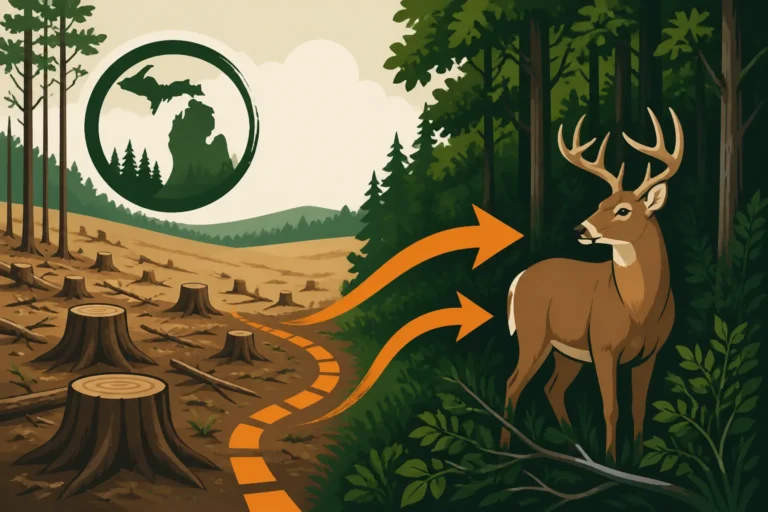
The primary tool for creating this habitat within GEM sites is carefully planned timber harvesting. This isn't just indiscriminate logging; it's a scientific approach. Large sections of mature trees, especially aspen, are clear-cut to stimulate vigorous regrowth. When aspen is cut, its root system sends up thousands of new shoots, creating an incredibly dense, almost impenetrable thicket within a few years. This thick cover provides vital protection from avian predators like hawks and owls, and ground predators like coyotes. Aspen Management and Michigan Grouse is a cornerstone of this strategy.
Beyond clear-cutting, GEM sites might also incorporate other practices. You'll often find areas with strategically left "leave trees" or small patches of uncut timber that provide nesting cover or mature drumming logs. These logs, typically fallen trees or stumps, are essential for male grouse to perform their drumming display, attracting mates and establishing territory. The goal is to create a mosaic of different age classes of young forest, ensuring that as one section ages out, another is coming into prime condition. This guarantees a continuous supply of suitable habitat over the long term.
Finding Michigan's Designated GEM Sites
The beauty of GEM sites is that they're designed for you, the hunter. They're not secret spots; they're publicly advertised areas where the DNR has done the work to improve grouse habitat. Knowing where they are and how to interpret their features is key to planning a successful hunt.
Locating GEM Sites on Public Land
Michigan is blessed with an abundance of Michigan Public Hunting Land in Michigan, and a significant portion of GEM sites are located within these vast tracts of state and national forest. This means accessibility for every hunter who purchases a license. The challenge, however, isn't finding public land, but finding the right public land – the parcels that are actively managed for grouse.
The absolute best resource for current GEM site information is the Michigan DNR's website. They typically publish maps and detailed descriptions of each site, often broken down by individual management areas. These resources are invaluable, detailing boundaries, recent timber cuts, and even access points. It's always a good idea to check the most up-to-date information before you head out, as management activities are ongoing and maps can be updated. Beyond the DNR's official sources, modern mapping applications like onX Hunt have become indispensable tools for public land hunters. Many of these apps offer layers that delineate public and private land, and sometimes even highlight habitat types or recent timber sales, helping you identify potential GEM site characteristics on the ground.
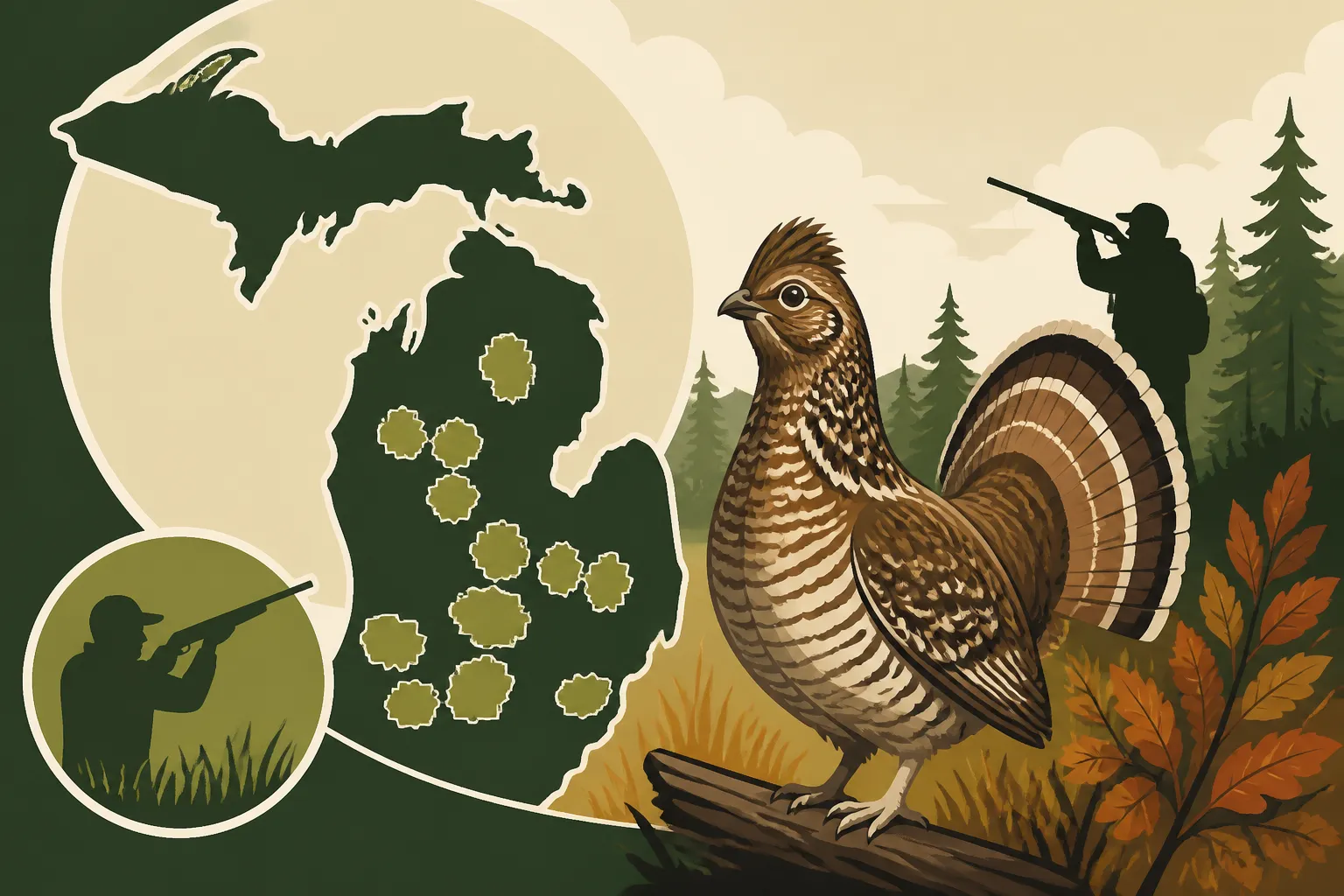
Geographically, you'll find GEM sites primarily concentrated in the northern Lower Peninsula and throughout the Upper Peninsula. These are the regions with the most extensive aspen and mixed conifer forests, which are crucial for grouse. Counties known for their logging history often have the most potential. While southern Michigan offers limited opportunities for wild grouse, the northern reaches are where the dedicated efforts for GEM sites really shine.
Deciphering the GEM Site Map and Details
Once you've located a GEM site on a map, the next step is to understand what you're looking at. These aren't just outlines on a page; they're blueprints for where grouse are likely to be. Most maps will clearly delineate the boundaries of the GEM site itself, but more importantly, they often show individual timber harvest units within that boundary. These units are usually marked with dates, indicating when the cutting occurred. This information is critical because grouse habitat is constantly changing.
Understanding How Old a Cut Should Be for Grouse is paramount. A fresh cut (1-4 years old) will be too open and offer little cover, while a very old cut (25+ years) might have grown too tall and lost its density. The sweet spot is often 5-20 years post-cut, where the aspen saplings are dense enough to provide overhead cover and hinder predators but are still walkable. Look for a mosaic of these age classes – areas that were cut 5 years ago right next to areas cut 15 years ago, creating diverse cover. This provides birds with options as their needs change throughout the season.
Beyond cut dates, pay attention to topography, proximity to water, and other features. Swamps or alder thickets bordering aspen cuts can be grouse magnets, offering different food sources and escape routes. Utilize these maps for your Scouting Michigan Public Land Before Season. Even if you can't walk the ground, studying these maps can give you a significant advantage, allowing you to prioritize areas, plan your walking routes, and identify potential entry and exit points. Think of these maps as your guide to the best grouse cover Michigan has to offer, and use them to minimize wasted time on less productive ground.
Effective Hunting Strategies for GEM Sites
Hunting grouse on GEM sites is all about understanding the habitat you're in and adapting your approach. These managed areas often present a mix of cover types and stages of forest regeneration, requiring a flexible strategy to consistently find birds.
Tactics for Different Young Forest Stages
When you step into a GEM site, you'll encounter a variety of young forest stages, and each demands a slightly different approach. In the densest young aspen, typically 5-15 years old, grouse will hold incredibly tight. This is the kind of cover where you're nearly pushing through solid walls of saplings. Here, Grouse Hunting Michigan Aspen Cover means walking slowly, stopping frequently, and being ready for a bird to explode from underfoot with little warning. Your shots will be close, quick, and often through a maze of branches. Keep your gun mounted and your eyes scanning for any subtle movement or a break in the cover. Don't be afraid to zig-zag; birds will often run rather than flush, and changing your direction can push them into the air.
As you move into slightly older aspen stands, say 15-25 years old, the cover might be a bit more open, but still dense enough to hold birds. These areas often feature more mature drumming logs and thicker undergrowth. Focus on the edges of these stands, where they meet a more mature forest, a swamp, or a clear-cut of a different age. These "transition zones" are excellent places for grouse to feed and find cover. In these areas, you might get a slightly longer shot, but still need to be quick.
Remember to incorporate other cover types often found within or adjacent to GEM sites. Alder runs, often found along creek bottoms or wetland edges, are prime spots for woodcock but also attract grouse. Mixed conifer stands might offer thermal cover in colder weather, drawing birds in. Vary your walking patterns and pay attention to what kind of cover you're consistently finding birds in, as this can change throughout the season and even day-to-day.
Timing Your Hunts for Success
The timing of your hunt can significantly impact your success on GEM sites. Michigan's Michigan Grouse Seasons Dates typically run from mid-September through January 1st, offering a wide window of opportunity, but each period has its own challenges and advantages. Early season, particularly September and early October, means the leaves are still on the trees. This creates incredibly dense visual cover, making birds hold very tight and shots extremely difficult. However, it also means birds are less wary and more predictable in their feeding patterns. Focus on areas with abundant mast (like acorns, if available) and soft-mast berries, which are key food sources.
As the season progresses into late October and November, the leaves begin to fall. This is often a favorite time for many grouse hunters. The cover thins, making it easier to see flushing birds and get a shot off. Birds might be a bit wilder, flushing further out, but they are also easier to spot on the ground or identify when they take flight. In late season (December and into January), snow can be a game-changer. A light snow cover makes tracking easier and can often concentrate birds in areas with good thermal cover, like dense conifers adjacent to aspen cuts, or areas with persistent food sources.
Weather also plays a critical role. Overcast, damp days often see birds holding tighter, while bright, sunny days can make them a bit more active and prone to flushing wild. Avoid hunting during high winds, as birds will be hunkered down and difficult to hear. Always check the forecast and plan your hunt around optimal conditions for both bird activity and hunter comfort.
| Season Segment | Typical Cover Conditions | Grouse Behavior | Hunting Strategy |
|---|---|---|---|
| Early Season (Sept-Early Oct) | Dense leaves, thick undergrowth | Hold tight, often run, feed on soft mast | Slow walk, stop-and-go, focus on berry bushes |
| Mid-Season (Late Oct-Nov) | Falling leaves, opening cover | May flush wilder, feeding on buds/catkins | Faster pace, work edges, ready for longer shots |
| Late Season (Dec-Jan) | Bare branches, potential snow | Concentrate in thermal cover, feed on buds | Focus on conifers, swamp edges, track in snow |
Gear and Ethical Considerations for GEM Sites
While the thrill of the flush is what we chase, being properly equipped and upholding ethical hunting standards are just as vital to a successful and enjoyable experience on Michigan's GEM sites.
Essential Gear and Scouting Tools
When hunting grouse in Michigan's thick cover, your gear can make or break your day. A lightweight, fast-swinging shotgun is paramount. Many hunters prefer a 20-gauge or even a 28-gauge with open chokes, like improved cylinder or skeet, given the close-quarters flushing inherent to grouse hunting. Your Choke Choice for Fast Flushes is critical for effective patterns in dense cover. For ammunition, smaller shot sizes like 7.5 or 8 are generally preferred, as they provide a dense pattern for quick, close shots without over-penetrating.
Footwear is another non-negotiable item. You'll be doing a lot of walking, often through wet, uneven, and brushy terrain. Good quality, waterproof Boots for Walking Michigan Aspen Cuts with ankle support are essential. Consider briar-resistant brush pants or chaps to protect your legs from thorns and thick undergrowth. A comfortable upland vest with plenty of game bag space and shell loops is part of standard Upland Gear for Michigan Grouse Cover. Hydration is key, so ensure your vest or pack has capacity for water.
Beyond the physical gear, modern technology has given us incredible scouting tools. Mapping apps like onX Hunt are invaluable on GEM sites. They allow you to pinpoint your exact location, track your progress, mark flush points, and most importantly, show you property lines and timber cut boundaries. This helps you understand the habitat and stay on public land. Even if you're hunting grouse without a dog, these tools can help you cover ground efficiently and systematically. A reliable GPS or a fully charged phone with a mapping app is arguably as important as your shotgun when navigating these dynamic managed areas.
Responsible Hunting and Conservation
Hunting on GEM sites comes with a responsibility to uphold ethical standards and contribute to conservation efforts. These sites are a shared resource, and respecting other hunters is paramount. This means giving other vehicles plenty of space in parking areas, being mindful of noise, and always knowing your shooting zones. If you encounter another hunter, a friendly wave and a brief chat about whether they've seen anything is often appreciated, but always respect their space and their hunt plan. Leaving no trace, packing out everything you pack in, is also fundamental.
These enhanced management areas are a direct investment in the future of Michigan Ruffed Grouse Numbers Today and their habitat. By hunting these sites, you're not just enjoying a recreational pursuit; you're participating in a cycle of conservation. The license fees and excise taxes on hunting equipment directly fund these habitat improvement projects. Understanding the "why" behind these sites – the dedication to maintaining diverse, healthy forests – helps reinforce your role as a conservationist.
Always ensure you are up-to-date on all current Michigan hunting regulations, including bag limits, season dates, and any specific rules for the area you are hunting. Responsible hunting means understanding the resource, respecting the land, and ensuring that these opportunities continue for generations to come. Your actions in a GEM site reflect on all hunters, so let's make sure that reflection is a positive one, demonstrating our commitment to wildlife and wild places.
Disclaimer
This article is for general informational purposes only and does not constitute professional advice. Laws, prices and regulations vary by location and change over time. Consult a qualified professional for guidance on your specific situation.