Hunting Sharonville State Game Area
Stepping onto any piece of public land in Michigan can feel like walking into a labyrinth, especially when you're looking for prime hunting ground. You've heard whispers about places like Sharonville State Game Area, a place that holds promise but also the very real challenge of competition and navigating unfamiliar territory. This guide is here to cut through that uncertainty, offering you a realistic, boots-on-the-ground look at how to approach hunting Sharonville State Game Area and improve your odds of success.
Getting to Know Sharonville State Game Area
Sharonville State Game Area (SGA) isn't just another patch on the map; it's a dynamic and diverse landscape offering a variety of hunting experiences. Understanding its makeup is the first step toward crafting a successful strategy. Many hunters get frustrated because they treat all public land the same, but each SGA has its own personality, and Sharonville is no exception.
Where It Is and What It Looks Like
Located in portions of Washtenaw and Jackson counties, Sharonville SGA is part of that southern Michigan farm country tapestry. What makes it interesting, and sometimes challenging, is its patchwork nature. You're not looking at one continuous block of timber here. Instead, you'll find a mosaic of habitat types: old fields reverting to scrub, younger timber stands, mature hardwoods, pockets of wetland, and often bordering active agricultural lands. This mix is crucial because it directly influences where game animals live and move.
Imagine walking a fence line that separates a freshly cut cornfield from a thick patch of young pines. That edge habitat is a magnet for deer, rabbits, and pheasants. Then, just beyond, you might drop into a low, marshy area with cattails and willow thickets – perfect for waterfowl, or perhaps a hidden travel corridor for a wary buck moving through water. These transitions are key. The terrain is generally flat to gently rolling, without any major elevation changes to speak of, which means wind direction and thermal drafts play a different role than they would on a steep ridge. It’s not the vast, unbroken wilderness of the Upper Peninsula, and approaching it with that mindset will only lead to disappointment. Instead, think "broken country" where movement between small cover patches is constant.
What You Can Hunt Here
Sharonville SGA offers a solid array of opportunities for the Michigan hunter, primarily focused on deer, small game, and upland birds. It's a testament to the diverse habitat that so many species can thrive, or at least survive, in close proximity to human activity.
Deer hunting is a major draw. The combination of agricultural fields providing abundant food and dense cover for bedding and security makes it a reliable spot for whitetails. You'll find both antlered and antlerless deer, and understanding Michigan Deer Seasons and Tags is paramount here. Hunters often report seeing good numbers of deer, though the pressure, especially during the firearm season, can be considerable. It’s rare to find an untouched piece of ground, so adjusting your expectations and tactics for heavily hunted areas is essential. Don't go in expecting to find a secluded wilderness buck; expect to work for a deer that is constantly aware of human presence.
For small game enthusiasts, Sharonville can be fantastic. Rabbits and squirrels are plentiful in areas with brush piles, old farmsteads, and mature timber. If you enjoy the fast-paced action of upland bird hunting, you might find pheasants in the CRP (Conservation Reserve Program) fields and grassy areas, especially earlier in the season. Michigan Small Game and Furbearer Seasons will outline the specific dates, but suffice it to say, if you bring a shotgun and a good pair of walking boots, you’ll likely find something to chase. Waterfowl can also be present, particularly if the SGA includes accessible ponds or marshy areas that attract ducks and geese during migration.
Navigating the Terrain: Challenges and Considerations
Successfully hunting Sharonville SGA means confronting its unique terrain challenges. It’s not always about dense woods; sometimes it's about navigating fields, ditches, and the edges where they meet. The most common frustration among new public land hunters is feeling lost or not understanding how to efficiently cover ground without spooking game.
Because the area often consists of a mix of open fields and thick cover, entry and exit routes become critical. You don't want to silhouette yourself against an open field at dawn or dusk, giving every deer in the county a clear view of your approach. Instead, look for ditches, treelines, or brushy corridors that offer concealment. This type of landscape also means that deer often stage in thicker cover before moving into fields to feed, or vice-versa. Understanding these patterns is key. For example, a swamp edge or a dense patch of dogwoods adjacent to a cornfield can be a prime ambush spot. You'll often find yourself traversing these diverse landscapes in a single hunt, demanding versatility in your movement and observation. Entry Routes on Flat Michigan Ground becomes incredibly important here.
Another aspect is the sheer "walkability" of the area. Some parts might be fairly open and easy to traverse, while others, particularly old field edges or thickets, can be a brutal push. Be prepared for briars, standing water in low areas, and uneven footing. Wearing sturdy Boots for Michigan Swamps and Snow is not just a suggestion, it’s a necessity, even if you’re not planning a dedicated swamp hunt. The boundaries of the SGA are generally well-marked, but it's always wise to confirm your location with a reliable mapping tool to avoid inadvertently trespassing onto private parcels.
Strategies for Success at Sharonville SGA
To truly excel at hunting Sharonville SGA, you need a blend of modern tools and classic woodsmanship. It's about being prepared, being smart, and being adaptable. The pressures of public land mean that the "easy" spots are often picked over, so you need to look for those less obvious opportunities.
Pre-Season Scouting with Technology
Before you ever set foot in the woods, the real hunt for knowledge begins at home. This is where tools like onX Hunt become absolutely invaluable. I can't stress enough how much a good digital map can reduce frustration and increase efficiency on public land.
Start by pulling up Sharonville SGA on your mapping app. Look for the boundaries – they'll be clearly delineated. Then, zoom in on the satellite imagery. This is where you can identify potential hotspots without disturbing the deer or other game. Look for:
- Funnels and Pinch Points: These are natural travel corridors, like a narrow strip of woods between two large fields, or where a thick swamp comes close to a road. Deer will almost always use the path of least resistance and greatest cover.
- Cover Types: Distinguish between open hardwoods, dense conifer thickets, marshland, and old fields. Deer will bed in the thickest cover and move through more open timber.
- Water Sources: Ponds, creeks, or even drainage ditches can be important, especially during warmer early archery seasons.
- Access Points and Parking: Locate designated parking areas and understand how far you'll need to walk to get away from the road. The further you're willing to walk, often the less pressure you'll encounter.
- Adjacent Private Land: Pay close attention to the boundaries. Private agricultural fields next to public cover can create incredible hunting opportunities, as deer will often feed on private land and bed on public. Remember to always respect those property lines – Finding Michigan Property Lines is crucial.
I've spent countless hours virtually scouting with onX Hunt, marking potential stand locations, identifying key transitions, and even planning my entry and exit routes down to the minutia. This preparation helps immensely when you finally step into the field. Knowing where you are and where you're going, especially in the dark before dawn, can be a game-changer. The Michigan DNR also offers the Using the Michigan Mi-HUNT Map, which provides useful public land information, though often less detailed in terms of satellite imagery than commercial apps.
Deer Hunting: Archery to Late Season
Deer hunting at Sharonville SGA means dealing with pressure, but it also means adapting to a resource that is consistently present.
Archery Season (Early and Late): The early archery season can be hot and humid, and deer are still relatively patterned around food sources. Focus on feeding areas near heavy cover. Stand placement along transition lines between fields and woods, or near water sources, can be productive. As the season progresses into October and the pre-rut, deer become more active. Look for scrape lines along two-tracks or field edges. When Michigan splits its archery season, the renewed pressure can shift deer patterns significantly, so be ready to adjust. Hunting the Pre-Rut in Late October can be a great time to be in the woods, as bucks start cruising.
Firearm Season: This is when Sharonville truly sees high hunter density. Deer drives are common on many Michigan public lands, and while smaller than typical Upper Peninsula drives, you might encounter groups working the cover. If you prefer to sit, getting deep into less accessible areas, often those surrounded by swamps or thickets, can pay off. Focus on thick cover that other hunters might overlook or deem too difficult to penetrate. Areas with good security cover adjacent to feeding areas are goldmines, even if they're small. Be extremely conscious of Michigan Hunter Orange Rules during this time. Hunting Pressure on Michigan State Land is a very real factor during firearm season, and you'll need tactics that account for it.
Muzzleloader and Late Archery: These seasons offer a different challenge – often cold weather and sometimes snow. Deer will be heavily focused on available food sources to build energy. If there's standing corn nearby, or specific mast crops like acorns (if you're lucky enough to find a patch), deer will concentrate there. Look for late-season food sources like waste grain in harvested fields, or browse in young clearcuts. The key is to find where the deer are feeding and then set up a stand or ground blind on a travel corridor leading to or from that food source. Muzzleloader Tactics in December Cold requires specific gear and preparation.
| Deer Hunting Season | Primary Focus | Tactics to Consider | Key Considerations |
|---|---|---|---|
| Early Archery | Food & Water | Field edges, transition lines, water sources | Warm weather, deer patterns, scent control |
| Mid-Archery (Pre-Rut) | Cruising bucks, scrapes | Travel corridors, pinch points, funnels, mock scrapes | Increased buck movement, calling |
| Firearm Season | Security cover, escape routes | Deep woods, thickets, swamps, high-pressure areas | High hunter density, safety orange, strategic entry/exit |
| Muzzleloader/Late Archery | Late food sources | Waste grain, browse, south-facing slopes (warmth) | Cold weather gear, tracking in snow, low deer movement |
Chasing Small Game and Upland Birds
Sharonville's mixed habitat makes it great for small game. Many hunters overlook these opportunities, focusing solely on deer, which means less competition for you!
Rabbits and Hares: Look for thick, brushy areas, old fence rows, overgrown pastures, and the edges of timber stands. Rabbits love dense cover to hide from predators. Walking these areas slowly, kicking brush piles, or still-hunting quietly can often jump a rabbit. If you have a good rabbit dog, this area can be fantastic.
Squirrels: Mature oak and beech stands are prime squirrel territory. In early fall, you'll often find squirrels cutting acorns or nuts, leaving tell-tale sign on the ground. Still-hunting through these areas, stopping frequently to listen and scan the treetops, is a classic and effective method. If you know Squirrel Hunting Michigan Hardwoods, you'll do well here.
Pheasants: While not as abundant as in some other regions, Sharonville's mixture of old fields and grassy areas can hold pheasants. Early in the season, before heavy snows, focus on taller grasses, cattail marshes, and the edges of cornfields (if accessible). A good bird dog is a huge asset, but careful walking and pushing cover can still flush birds. Check if any parts of the SGA participate in Michigan's pheasant release program, which might increase your chances.
Always be aware of other hunters and make sure you're wearing enough How Much Hunter Orange Michigan Requires when chasing small game during concurrent deer seasons. This is critical for safety on public land.
Rules, Etiquette, and Staying Safe on Public Land
Hunting public land like Sharonville SGA comes with a responsibility to know the rules, respect other users, and prioritize safety. The popularity of these areas means you're almost never truly alone, so a good dose of common sense and courtesy goes a long way.
Understanding Michigan's Public Land Rules
Michigan has a comprehensive set of regulations that apply to all state game areas. You need to know them inside and out. These aren't just suggestions; they are laws designed to ensure safety and fair chase for everyone.
- Licensing and Tags: Ensure you have all the necessary Michigan Hunting Licences and What They Cost and specific tags for the game you are pursuing. Always have them on your person.
- Hunter Orange: During specific firearm seasons, hunter orange requirements are strict. Ensure you and your hunting party are wearing the legally required amount. This is not negotiable.
- Legal Hours: Hunting is only permitted during legal shooting hours, which typically begin 30 minutes before sunrise and end 30 minutes after sunset. Use a reliable app or chart to know these times precisely.
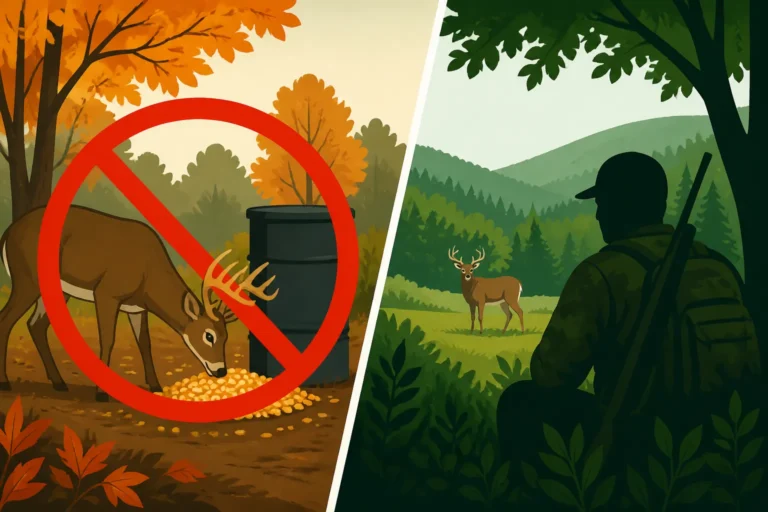
- Prohibited Activities: Pay attention to signs regarding baiting (which is generally banned in the Lower Peninsula for deer), target shooting, or vehicle access restrictions. While general hunting on state land is often permitted, there might be specific areas within Sharonville that have unique rules or closures. Check with the Michigan DNR for any specific local ordinances.
- Treestands and Blinds: If you're using a treestand or ground blind, know the rules for placement and removal on public land. Generally, stands must be removed at the end of the season, and damaging trees is prohibited. Treestand Rules on Michigan State Land are in place for a reason.
Being knowledgeable about these regulations isn't just about avoiding a ticket; it's about being a responsible hunter and contributing to a positive public image for all of us.
Being a Good Steward and Neighbor
Public land hunting often means sharing the woods with others – whether they are other hunters, hikers, birdwatchers, or even mountain bikers. Good etiquette makes the experience better for everyone.
- Respect Others' Space: If you arrive at your planned spot and see another hunter's vehicle, or hear shots, consider moving to a different area. There's plenty of ground to cover, and crowding someone else's hunt is poor form.
- Quiet Entry and Exit: Be mindful of noise, especially at dawn and dusk. Slamming car doors or loud conversations can ruin a hunt for you and others. Opening Day Crowds on Michigan State Land can be frustrating, but your actions contribute to the overall atmosphere.
- Leave No Trace: Pack out everything you pack in, including spent shell casings, food wrappers, and any trash. Leave the area cleaner than you found it. This includes properly disposing of game waste.
- Respect Boundaries: Use your onX Hunt app or physical map to ensure you're always aware of where public land ends and private land begins. While Retrieving Game From Private Land has specific rules, prevention is always better than confrontation. A quick glance at your GPS can save you a lot of headache.
- Communicate, Don't Confront: If you encounter another hunter, a friendly nod or a quiet conversation is always better than aggression. We're all out there for similar reasons, even if our methods differ.
Essential Gear for Sharonville's Challenges
Being prepared with the right gear can make or break your hunting experience at Sharonville, especially given its varied terrain and potential for long walks.
- Mapping Device: As mentioned, a reliable GPS unit or a smartphone with a mapping app like onX Hunt is indispensable. Knowing exactly where you are, where the boundaries lie, and how to navigate back to your vehicle in the dark is critical. Consider downloading offline maps, as cell service can be spotty in some areas.
- Comfortable, Durable Boots: You'll be doing a lot of walking through varying conditions – possibly wet fields, uneven ground, and brush. Good waterproof boots with ankle support are crucial. You don't want blisters or wet feet cutting your hunt short.
- Layered Clothing: Michigan weather is famously unpredictable. Dress in layers so you can add or shed clothing as temperatures and activity levels change. Even a warm fall day can turn cold quickly, or vice-versa if you're slogging through heavy cover. Clothing for a Michigan November is a good starting point, even for other seasons.
- Small Pack: A small day pack is great for carrying essentials: water, snacks, extra layers, a field dressing kit, a headlamp, and a small first-aid kit. You'll appreciate having water after a long push through thickets. Don't underestimate the utility of Packs for a Day on State Land.
- Navigation and Safety Tools: Besides your mapping app, carry a compass as a backup. A whistle can be useful in an emergency. Always let someone know where you're going and when you expect to return.
Sharonville State Game Area might present its challenges, but with good planning, a solid understanding of the terrain, adherence to regulations, and a respectful attitude, it offers rewarding hunting experiences. It's a place where Michigan's diverse wildlife thrives, and with the right approach, you can be a part of its rich hunting tradition.
Disclaimer
This article is for general informational purposes only and does not constitute professional advice. Laws, prices and regulations vary by location and change over time. Consult a qualified professional for guidance on your specific situation.