Knives and Saws Worth Carrying
Oh, the age-old question that plagues every Michigan hunter after a successful shot: "Now what do I use to actually break down this animal?" We’ve all been there, standing over a downed deer, fumbling with a dull, inadequate knife or struggling with a saw that’s more toy than tool. This guide is all about cutting through the confusion (pun intended!) and helping you choose the right knives and saws to carry in the field, ensuring you’re prepared for efficient, hygienic game processing, no matter the conditions or the game you're after here in our beautiful state.
The Essential Field Dressing Kit: More Than Just a Blade
When you're out in the Michigan woods, whether it's a dense cedar swamp in the U.P. or a sprawling agricultural field in the Lower Peninsula, being prepared for the immediate task of field dressing is paramount. It’s not just about getting the job done; it’s about doing it cleanly, efficiently, and with respect for the animal and the meat you'll be taking home. Your field dressing kit is the first line of defense against spoilage and wasted effort.
Why Quality Steel Matters in the Michigan Backcountry
You know the feeling. You're trying to make a precise cut, and your blade just drags, tears, or worse, slips. That’s usually a sign of poor quality steel or a poorly maintained edge. In the Michigan backcountry, where you might be working in cold, wet conditions or trying to get through tough hide and connective tissue, a sharp, durable blade is non-negotiable. Good steel holds an edge longer, meaning fewer interruptions for sharpening in the field, which can be a real pain with cold hands. It also resists corrosion better, a crucial factor when dealing with blood and moisture. Think about trying to gut a big whitetail buck when the temperature drops to freezing; you want a knife that works with you, not against you. High-carbon stainless steel is a popular choice for hunting knives because it offers a good balance of edge retention, corrosion resistance, and ease of sharpening. A reliable blade is an investment, but it pays dividends in safety, efficiency, and less frustration.
Fixed Blades vs. Folding Knives for Initial Field Work
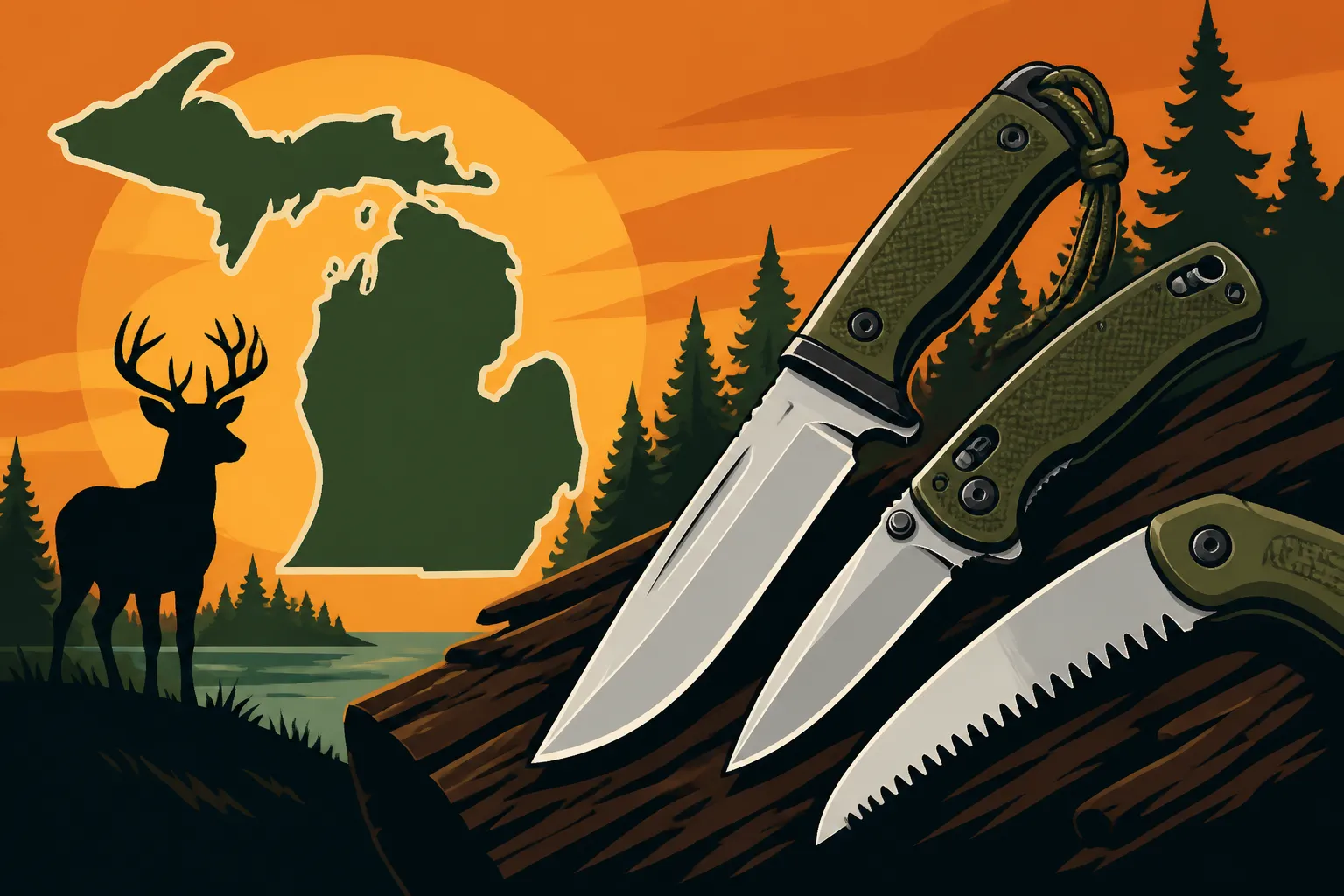
This is a classic debate among hunters, and honestly, both have their place, but for initial field dressing, many experienced Michigan hunters lean towards a fixed blade.
- Fixed Blades: These knives offer superior strength and stability because there's no hinge point to fail or collect debris. They are typically easier to clean thoroughly, which is a huge bonus for hygiene when dealing with game meat. When you're working deep inside a carcass, the last thing you want is a blade that could potentially fold on you, or a handle that's caked with blood and difficult to sanitize. Many fixed blades come with a sturdy sheath that can be worn comfortably on your belt, ensuring quick and easy access when you need it most. For big jobs like processing a large deer or even a Michigan black bear, the robust nature of a fixed blade really shines.
- Folding Knives: While incredibly convenient for everyday carry and smaller tasks, folding knives have some drawbacks in a field dressing scenario. The hinge mechanism can become clogged with hair, blood, and tissue, making cleaning difficult and potentially harboring bacteria. They might not offer the same rigidity as a fixed blade, and there's always that small chance of accidental closure if the lock mechanism isn't solid. However, modern folding knives with strong lockbacks or frame locks are significantly more robust than older designs. They can be a great backup or primary knife for smaller game like turkeys or rabbits, or for quick tasks where you don't need to get too messy.
My personal preference, especially when hunting deer in the Michigan fall, is to carry a good quality fixed blade for the bulk of the field dressing work, and a sturdy folder for smaller, cleaner tasks like cutting cordage or opening food packages.
Gut Hooks and Specialty Blades: Are They Worth It?
You see them advertised everywhere – knives with a little hook on the spine, designed to zip through hide without puncturing internal organs. So, are these gut hooks and other specialty blades genuinely useful additions to your kit, or just marketing hype?
- Gut Hooks: For many hunters, a gut hook can be a fantastic tool, especially when making that initial cut to open the body cavity of a deer. They do exactly what they claim: they allow you to open the hide from the inside out, lifting it away from the viscera and preventing accidental punctures. This is especially helpful if you're not super experienced or if you're working in low light. Some hunters find them to be a real time-saver, creating a cleaner opening cut with less risk. However, they can be tricky to sharpen properly, often requiring specialized tools, and if you don't use them regularly, they might just add unnecessary weight. If you're confident in your knife skills with a standard blade, you might not find a gut hook essential, but it can certainly make the process smoother.
- Specialty Blades (Interchangeable or Replaceable): Some systems offer handles that accept different blades, including specialized caping blades, boning blades, or even saw blades. Brands like Havalon or Gerber offer incredibly sharp, often disposable, scalpel-like blades. These can be amazing for caping or fine detail work where a razor-sharp edge is critical, and the ability to simply swap out a dull blade for a new one in seconds is a huge advantage. However, these blades are incredibly thin and can break if twisted or used improperly, so they demand a delicate touch. For overall field dressing, a single sturdy knife is often more practical, but for specific tasks like caping a trophy buck head for the taxidermist, these specialty blades are hard to beat. When you're trying to get that perfect cape off a big Michigan buck, a scalpel-sharp edge is key. Meat Care Gear for Michigan Hunters delves into some of these considerations further.
| Knife Type | Pros | Cons | Best Use Cases |
|---|---|---|---|
| Fixed Blade | Strong, durable, easy to clean, reliable lock. | Less compact, might be heavier. | General field dressing, heavy-duty cuts, skinning, quartering. |
| Folding Knife | Compact, convenient for EDC, often lighter. | Hinge can trap debris, harder to clean, potential lock failure. | Small game, backup knife, camp tasks, utility. |
| Gut Hook Knife | Prevents organ punctures, speeds initial opening. | Harder to sharpen, less versatile for other cuts. | Initial hide opening, especially on deer. |
| Replaceable Blade | Razor-sharp edges, no sharpening needed in field, sterile. | Blades are fragile, prone to breaking, higher running cost. | Caping, fine detail work, boning in the field with care. |
Saws and Bone Processing: Breaking Down Big Game
Field dressing is just the start. Once the internal organs are out, you might face the next big challenge: breaking down the animal for transport, especially if you're hunting deep in Michigan's state forests or if you've harvested a large deer or bear. That's where a good saw comes into play. Trying to hack through bone with a knife is not only ineffective but incredibly dangerous and can ruin your blade.
The Role of a Saw in Quartering a Michigan Whitetail
Imagine you've just dropped a beautiful 8-pointer far back in the Huron-Manistee National Forest. You've got to get that deer out, and dragging it whole might be a multi-hour ordeal, if not impossible through thick brush or deep snow. This is where quartering the animal in the field becomes a game-changer. A saw allows you to cleanly separate the pelvis, split the sternum, or remove limbs at joints, turning a bulky carcass into manageable pieces that can be packed out more easily.
For deer, you'll often use a saw to split the pelvis bone if you're going to completely open the body cavity for thorough cleaning, or to separate the rib cage from the spine if you're planning on boning out the meat in the field. This saves your knife edge from bone contact and makes the process much more efficient. Whether you're dealing with a hefty buck from the Upper Peninsula or a solid doe from southern Michigan farm country, having the right saw can be the difference between a smooth extraction and an exhausting, frustrating struggle. This is especially true when you're trying to minimize drag distance or get the meat cooled quickly. Getting a Deer Out of a Michigan Cedar Swamp often requires breaking down the animal to avoid exhausting yourself.
Choosing the Right Saw for Different Scenarios
Just like with knives, there's a variety of saws designed for different tasks. The best choice depends on what you're hunting and your preferred processing method.
- Folding Bone Saws: These are perhaps the most popular choice for big game hunters. They're compact, lightweight, and often feature aggressive teeth designed to glide through bone and cartilage with relative ease. A good quality folding bone saw can quickly dispatch a pelvis or sternum, making field dressing or quartering much simpler. They fold away safely, protecting the blade and preventing accidental cuts during transport. Look for one with a comfortable, non-slip grip, especially since you'll likely be using it with bloody hands or in cold weather.
- Frame Saws: Less common in the field, but excellent for more extensive processing at camp, frame saws (like a butcher's saw) offer maximum rigidity and a larger blade. They're not practical for deep backcountry hunts due to their size, but if you're bringing a deer back to a hunting cabin or processing station, a frame saw makes quick work of larger bones.
- Reciprocating Saw (Cordless): For the truly ambitious or those processing multiple animals at a hunting camp, a cordless reciprocating saw fitted with a meat-cutting blade is a powerful tool. This isn't for in-field use, typically, but for home or camp butchering. It's incredibly fast, but requires careful handling to avoid bone dust contaminating meat and can be overkill for most individual hunters.
For most Michigan deer hunters, a reliable folding bone saw is the go-to. It balances portability with effectiveness, letting you break down an animal into more manageable pieces without adding significant bulk to your pack. This becomes critical if you’re trying to pack out a deer from a remote area where vehicle access is restricted, or even just Dragging a Deer Through Michigan Snow over a long distance.
The "Gutless Method" and Minimal Saw Use
The "gutless method" has gained significant popularity, especially among backcountry hunters and those dealing with large animals like elk, or even a hefty Michigan black bear, where removing the entire carcass is impractical. As the name suggests, this method involves skinning and deboning the animal in the field without ever opening the body cavity to remove the entrails. This approach significantly reduces weight for packing out and can be much cleaner, as you're not spilling gut contents.
When employing the gutless method, your primary tools will be a very sharp knife (or several sharp knives), and a saw for specific bone cuts. You'll typically debone the four quarters, remove backstraps, tenderloins, and neck meat. The saw might be used to cut through the ribcage to access tenderloins, or to separate the skull from the spine for caping purposes if you're taking the head. In this scenario, a smaller, precise bone saw is incredibly valuable. Many hunters find that a sturdy fixed-blade knife for initial skinning and deboning, paired with a compact folding saw for those necessary bone cuts, makes for an efficient kit. This method reduces the need for extensive sawing compared to traditional quartering techniques but emphasizes knife sharpness and skill. We covered this in more detail in our guide on Bone Saws Versus the Gutless Method. When you're facing a long haul out of challenging terrain, like some of the rugged areas in the Upper Peninsula, knowing how to efficiently debone your animal can save you a ton of effort and preserve your meat.
Specialty Tools for Precision and Hygiene
Beyond the primary knives and saws for basic field dressing and quartering, there are several other tools that can elevate your game processing experience, making it cleaner, more precise, and ultimately, more enjoyable. These tools often come into play for specific tasks or to ensure the highest quality final product.
Caping Knives and Fine Detail Work
If you're hunting for a trophy and plan to have the animal mounted, proper caping in the field is crucial. A poorly caped animal can complicate a taxidermist's job and potentially impact the quality of the final mount. This is where a dedicated caping knife shines.
Caping knives are typically smaller, with a shorter, often curved or pointed blade, designed for intricate work. They allow for precise cuts around the eyes, ears, lips, and nose without damaging the hide. While you can technically cape with a larger utility knife, it's much harder to achieve the necessary detail and avoid accidental nicks. Imagine trying to work around the delicate structures of a big Michigan whitetail's face with a 6-inch blade – it's like trying to draw with a paintbrush meant for a wall. A good caping knife gives you control and finesse, ensuring you preserve as much of the hide as possible for the taxidermist. Many hunters will carry a dedicated caping knife, or use one of the replaceable-blade systems (like those from Havalon) with a specific caping blade, for this sensitive work. It’s a specialized tool, but if a mount is your goal, it's worth its weight in gold.
Game Shears and Rib Spreaders
These are less common in every hunter's pack but can be incredibly useful for specific tasks, particularly if you find yourself processing a lot of game or working with smaller animals.
- Game Shears: Think of these as heavy-duty, reinforced scissors designed to cut through bone, cartilage, and thick tissue. They're fantastic for processing smaller game like rabbits, squirrels, or even the wing bones of a wild turkey. For deer, they can be useful for quickly snipping through rib cartilage to open the chest cavity wider or to remove the lower legs. They're often faster than a saw for smaller, softer bones and easier to clean than a folding knife when dealing with smaller game. If you enjoy hunting small game in Michigan, a good pair of game shears can make a significant difference in your processing efficiency.
- Rib Spreaders: These tools are designed to hold open the rib cage of a field-dressed animal, allowing for better air circulation and faster cooling of the meat. This is particularly important during early archery season in Michigan when temperatures can still be quite warm. Faster cooling means less chance of bacterial growth and better meat preservation. A rib spreader also gives you better access for cleaning out the cavity more thoroughly. While not strictly essential (you can prop the cavity open with sticks or other methods), a dedicated spreader is clean, effective, and takes up minimal space. It’s a small addition that can make a big difference in meat quality, especially before you get the animal to your Coolers and Game Bags for Early Archery.
Maintaining Your Tools in the Field and at Camp
Having the right tools is only half the battle; keeping them sharp, clean, and in good working order is equally important. Neglecting your knives and saws means they'll be less effective, less safe, and more prone to rust or bacterial contamination.
- Sharpening: A dull knife is a dangerous knife. Always carry a small field sharpener with you, whether it’s a diamond steel, a ceramic rod, or a small sharpening stone. A few quick passes can restore a working edge in minutes. For more thorough sharpening at camp, a more robust system is ideal. Remember, consistent light sharpening is better than letting a blade get completely dull.
- Cleaning and Sanitization: This cannot be stressed enough. After processing game, especially when you've been field dressing, your tools will be covered in blood, hair, and tissue. Clean them immediately. A quick rinse with water (bottled water from your pack works in the field), followed by a thorough wash with soap and water at camp, is essential. Pay close attention to folding mechanisms on knives, as these can harbor bacteria. For fixed blades, simply wipe them down. A quick spray with a food-grade sanitizer can add an extra layer of protection, especially for tools used directly on meat. Drying them thoroughly before storage prevents rust. Proper hygiene is critical for Handling Bear Meat Safely or any game meat.
- Storage: Store your knives and saws properly. Knives should be sheathed to protect both the blade and yourself. Saws should be folded or have their blades protected. Keep them in a dry place, away from other gear that might dull or damage the edges. Many hunters use a dedicated roll-up bag or hard case to keep all their processing tools organized and protected.
Planning for Different Michigan Game and Conditions
Michigan offers a diverse hunting landscape, from dense forests to agricultural fields, and conditions that can swing from warm early fall days to bitter late-season freezes. Your knife and saw kit might need to adapt to these variables, ensuring you're always prepared for the moment of truth.
Carrying Considerations for Deep Woods or Farm Country
The terrain and environment you hunt in Michigan will significantly influence what you carry and how you carry it.
- Deep Woods and Public Land: If you’re venturing deep into state forests like the Pigeon River Country or the vast expanses of the Upper Peninsula, every ounce in your pack counts. You’ll likely be packing the animal out on your back, either in quarters or deboned meat. This means your tools need to be lightweight, durable, and effective. A sturdy, full-tang fixed blade knife (for reliability) and a compact folding bone saw are often the preferred combination. You might also consider game bags for the meat. Here, convenience and minimal bulk are key. You don’t want to be lugging unnecessary weight when you’re already loaded down with gear and venison. Hunting Michigan State Forest or the Upper Peninsula Deer Yarding and Winter Movement areas demand efficient, lightweight gear.
- Southern Michigan Farm Country and Private Land: Hunting agricultural areas often means easier access to your vehicle. You might not need to pack out meat for miles. In these scenarios, you might afford to carry a slightly heavier or more extensive processing kit. A larger fixed blade, perhaps even a gut hook knife, and a more robust folding saw could be considered. You might also have a dedicated game cart nearby, making the immediate quartering less critical for packing weight, but still important for rapid cooling. When hunting around standing cornfields in the Thumb, for example, getting that deer quickly from the field to a cooler is crucial on warmer days.
Regardless of the location, ensuring your tools are securely sheathed or folded and easily accessible is always important. Nobody wants to be fumbling for a knife when it's needed most.
Adapting Your Kit for Early Season Warmth vs. Late Season Cold
Michigan's hunting seasons span a wide range of temperatures, and these conditions directly impact how you process game and what tools might be most beneficial.
- Early Archery Season (Warm Weather): When Michigan's archery season opens, it can still be quite warm, especially in the Lower Peninsula. Rapid cooling of the meat is critical to prevent spoilage. In these conditions, tools that facilitate quick, thorough field dressing and quartering are essential. A sharp knife for efficient gutting and a good saw for opening the chest cavity or quartering can significantly speed up the cooling process. A rib spreader might be especially valuable here to maximize airflow. You'll also want to prioritize easy-to-clean knives, as bacteria thrive in warmer temperatures. Ensuring your Coolers and Game Bags for Early Archery are ready is just as important as your knives.
- Late Firearm and Muzzleloader Seasons (Cold Weather): By the time Michigan's muzzleloader season rolls around in December, or late archery season, temperatures are often well below freezing. While spoilage is less of an immediate concern, working with cold, stiff hands can make tasks more challenging. You’ll want knives with good, ergonomic grips that are easy to hold even when slick or when wearing gloves. Fixed blades tend to be less fiddly than folders in freezing temperatures. Metal handles can get incredibly cold, so knives with composite or rubberized grips are often preferred. The cold also makes cutting through frozen hide and stiff joints tougher, so a sharp, durable blade and a robust saw become even more critical. Hunting Michigan's Late Archery Season means preparing for cold conditions, including your processing tools.
Thinking about the conditions you'll be hunting in beforehand and adjusting your kit accordingly can save you a lot of discomfort and ensure a more successful outcome.
Ethical Considerations and Tool Readiness
Beyond the practical aspects, having the right tools prepared speaks to a hunter's ethical responsibilities. When you take an animal, your commitment doesn't end with the shot. It extends to quickly, cleanly, and respectfully processing that animal to honor its life and utilize its meat.
- Quick and Clean Processing: Being able to efficiently field dress and process an animal reduces suffering and ensures the best possible meat quality. Fumbling with dull tools or struggling with inadequate equipment adds unnecessary time and stress to the process. A sharp knife makes cleaner cuts, minimizing damage to the meat and making subsequent butchering easier.
- Hygiene and Meat Preservation: Every cut you make, every surface your knife touches, can impact the cleanliness and safety of the meat. Having easily cleanable tools, and ensuring they are cleaned, reduces the risk of contamination. Being prepared to quarter or debone in the field means you can get the meat cooling faster, which is vital for quality, particularly in warmer weather. This is part of being a responsible hunter and steward of the resource.
- Respect for the Animal: Using proper tools and skills reflects a deep respect for the animal you've harvested. It shows that you value the meat and are committed to doing your part to ensure it's handled properly from the field to the table. When you choose to hunt, you take on this responsibility, and having the right knives and saws is a fundamental part of fulfilling it. This commitment to readiness is something our friends at GoHunt often emphasize in their discussions about ethical hunting practices.
Building Your Ultimate Michigan Game Processing Kit
So, you've considered the types of knives and saws, the conditions, and the game. Now, how do you pull it all together into a cohesive, effective kit that serves you well throughout Michigan's diverse hunting seasons?
Recommended Knife and Saw Combinations
For most Michigan hunters, a balanced approach with a few key pieces of equipment is usually the most effective. You don't need every specialty tool, but a few versatile items will cover most scenarios.
- The "Core Three" Kit:
- Sturdy Fixed-Blade Knife (4-6 inch blade): This will be your workhorse for most field dressing, skinning, and general processing tasks. Look for a full-tang design with a comfortable, non-slip handle.
- Compact Folding Bone Saw: Essential for splitting the pelvis, cutting the sternum, or sectioning limbs for easier packing. Choose one with aggressive teeth designed for bone.
- Small Caping/Detail Knife (or replaceable blade system): If you plan to cape heads for taxidermy, or need to make very precise cuts, this specialized tool is invaluable. A replaceable blade system offers unparalleled sharpness for this task.
- The "Enhanced" Kit (Adding versatility):
- Add a sturdy folding knife for backup or smaller tasks.
- Consider a pair of game shears for small game or cutting rib cartilage.
- A rib spreader for faster meat cooling in warmer conditions.
When considering brands, look for reputable knife makers known for quality steel and robust construction. Benchmade, Outdoor Edge, Buck Knives, and Gerber are often popular choices among hunters for their reliability. For saws, Havalon, Gerber, and specific outdoor tool companies make good quality folding saws. Don't be afraid to research reviews, and resources like GoHunt can often provide insights and comparisons on various gear options to help you make an informed decision.
Beyond the Blade: Sharpening and Storage
Your knives and saws are only as good as their edge, and how well they're protected when not in use. Don't overlook these critical accessories.
- Sharpening Systems:
- Field Sharpeners: A small, lightweight diamond or ceramic field sharpener is a must-have in your pack. It can quickly touch up an edge when you're in the middle of a job.
- Camp/Home Sharpeners: For maintaining a razor edge, invest in a quality sharpening system for home use. This could be a set of stones, a guided system, or an electric sharpener. Learn how to use it correctly; improper sharpening can damage a blade.
- Storage and Carry:
- Knife Sheaths: All fixed blades should have a durable sheath made of Kydex, leather, or nylon. Ensure it secures the knife well but allows for easy draw.
- Saw Pouches: Many folding saws come with a nylon pouch. If not, consider one to protect the blade and prevent it from damaging other gear in your pack.
- Tool Rolls/Cases: For keeping your entire processing kit organized and protected, a roll-up tool bag or a dedicated hard case is excellent. This keeps everything together, clean, and ready for your next hunt.
Remember, a well-maintained tool lasts longer and performs better, making your job easier and safer.
Learning the Skills to Match Your Tools
Even the best knives and saws in the world are useless without the knowledge and skill to wield them effectively. Investing time in learning proper game processing techniques is just as important as investing in quality tools.
- Practice Makes Perfect: If you're new to field dressing or quartering, consider practicing on smaller game or even watching detailed instructional videos. Familiarize yourself with animal anatomy before you’re staring at a fresh kill. Understanding where bones and joints are will make your work much more efficient.
- Safety First: Always cut away from your body, use a sturdy cutting surface (or brace the animal properly), and wear cut-resistant gloves if you're concerned about slips. Especially when working with very sharp blades, caution is key.
- Observe and Learn: Don't be afraid to ask experienced hunters for advice or to show you their methods. Every hunter develops their own tricks and techniques, and there's always something new to learn. Whether it's the best way to open a chest cavity without puncturing organs, or how to efficiently debone a shoulder, hands-on learning is invaluable.
By combining quality tools with honed skills, you'll be well-prepared for any field dressing or processing challenge Michigan's hunting seasons throw your way. From the moment you successfully harvest an animal to the time its meat is safely packed away, you'll have the confidence and capability to handle the task ethically and efficiently.
Disclaimer
This article is for general informational purposes only and does not constitute professional advice. Laws, prices and regulations vary by location and change over time. Consult a qualified professional for guidance on your specific situation.