Safety Harnesses and Lifelines
The thought of a hunting trip turning tragic due to a fall is a fear that silently haunts many of us who spend time high above the forest floor. Treestands offer incredible vantage points, but they also introduce a significant risk that, sadly, far too many hunters underestimate. This comprehensive guide is dedicated to shedding light on the crucial role of safety harnesses and lifelines, offering practical, no-nonsense advice to ensure every hunt ends safely with you back on solid ground.
The Sobering Reality of Treestand Falls in Michigan
Let's be honest, we all know someone, or have heard a story, about a hunter who took a spill from a treestand. It's not a matter of if, but when, for many of us who use them regularly without proper precautions. Michigan's diverse terrain, from the sprawling hardwoods of the Lower Peninsula to the dense cedar swamps of the Upper Peninsula, means hunters are constantly navigating varying tree types and challenging weather conditions, all of which can increase the risk of a fall.
Understanding the Risks Involved
It’s easy to get complacent. We've all climbed into a stand a hundred times, and nothing bad has happened. That's precisely when accidents occur. The risks are manifold: a rotten step, a slick boot on a frosty rung, a sudden gust of wind, a drowsy moment at dawn or dusk, or even just reaching for an arrow and losing balance. These aren't just minor tumbles; they can lead to severe injuries like broken bones, spinal damage, paralysis, or even death. The statistics are grim, consistently showing treestand falls as a leading cause of serious injury and fatality among hunters. It’s not just about surviving the fall, but surviving the aftermath. Lying injured and alone in a remote area, perhaps in freezing temperatures after a sudden snow, adds another layer of life-threatening danger.
The psychological impact of a near-fall or witnessing one can also be profound. It shakes your confidence and can make you second-guess every step. Beyond the physical trauma, there's the emotional toll on family and friends who worry about your safety every time you head into the woods. Taking the necessary precautions isn't just for you; it's for them, too.
Why Complacency is the Enemy
We get comfortable. We rush. We tell ourselves, "just this once," or "it's only a few feet." But gravity doesn't discriminate based on height or urgency. The "it won't happen to me" mentality is incredibly dangerous. Maybe you've got a fantastic new Treestand Setups in Michigan Hardwoods spot dialed in, or you're trying a quick hang-and-hunt with Climbing Sticks for Michigan Hardwoods before the deer hit the Late-Season Food Sources for Whitetails. In those moments of excitement or hurried preparation, safety can easily take a backseat.
This complacency is amplified when you're hunting familiar territory or using a stand you've put up yourself. There's a false sense of security that comes with knowing the tree, or having confidence in your own setup skills. However, equipment wears out, weather changes conditions overnight, and even the most experienced hunter can have a momentary lapse in judgment. It's a constant battle against human nature to prioritize safety, especially when the conditions seem ideal or the deer activity is high.
The Unsung Hero: Your Safety Harness
A quality safety harness isn't just a piece of gear; it's your life insurance policy in the treestand. It's designed to distribute the impact of a fall across your body, protecting you from the sudden jolt that can cause catastrophic injury. Think of it as a seatbelt for the air.
Components of a Modern Safety Harness
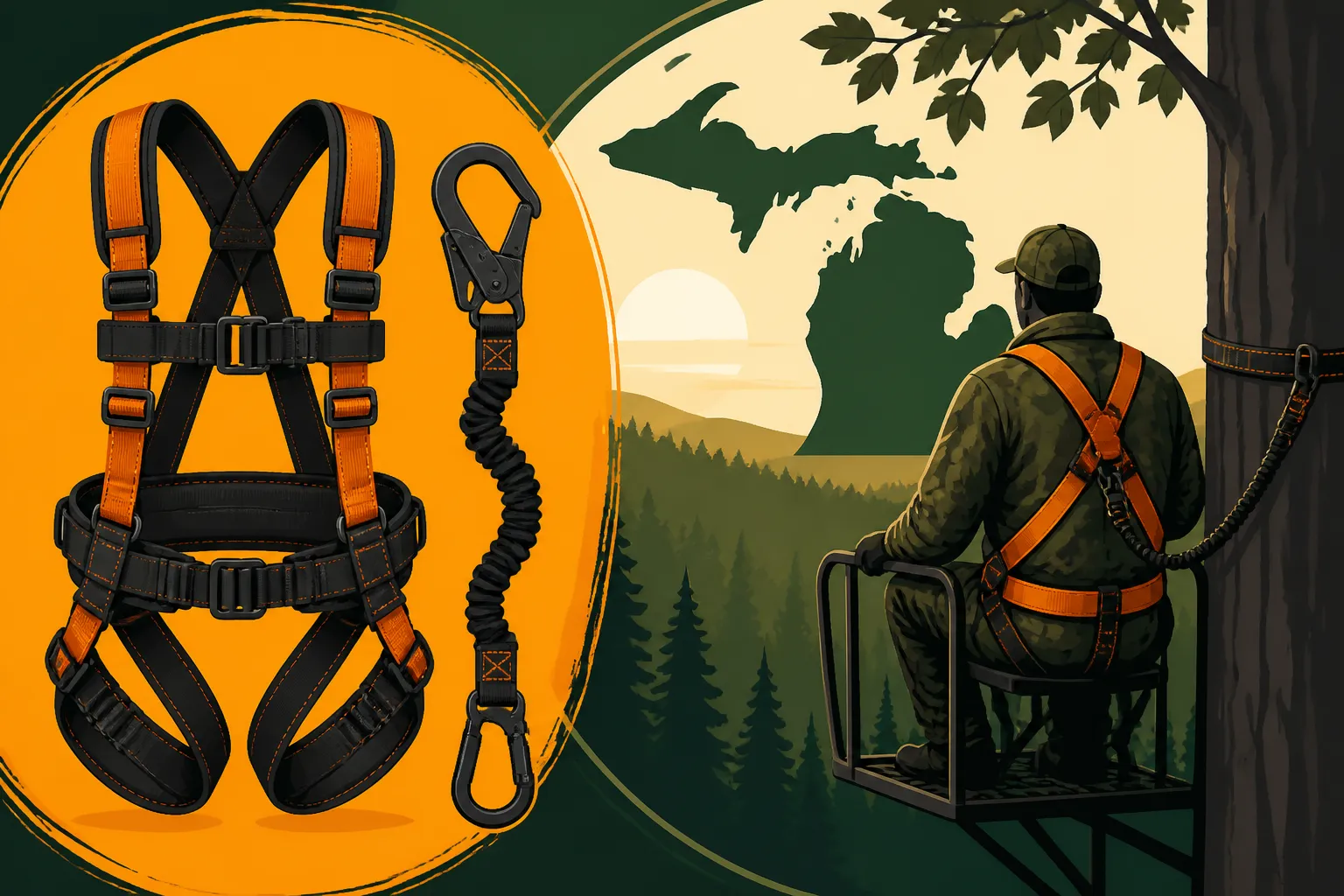
Today's safety harnesses have come a long way from the bulky, uncomfortable models of yesteryear. Most are full-body harnesses, meaning they strap around your legs, waist, and shoulders. They typically feature adjustable straps for a snug fit, a quick-release buckle, and a durable tether that connects to your lifeline. The goal is to be comfortable enough to wear for hours, yet secure enough to perform its job in an instant. Some even integrate into your hunting vest or jacket, making them less cumbersome to wear and reducing the temptation to leave them behind.
Many harnesses also include a suspension relief strap, which is absolutely vital. If you do fall and are left hanging, this strap allows you to stand up or relieve pressure on your femoral arteries, preventing suspension trauma – a serious condition that can lead to unconsciousness and even death if not addressed quickly. Always read your harness manual thoroughly; understanding every component and its function is critical.
Proper Fit and Comfort for All-Day Hunts
A safety harness only works if it fits correctly. It shouldn't be so loose that you can easily slip out, nor so tight that it restricts movement or breathing. Most manufacturers provide sizing charts based on weight and chest measurements. Take the time to adjust all straps for a snug, yet comfortable, fit. The leg straps should be tight enough to prevent slipping but not so tight they cut off circulation. The chest strap should sit across your sternum, not your throat or abdomen.
Wearing it while walking to your stand and even before you leave the house helps ensure proper adjustment and identify any pinch points. Remember, you'll be wearing this for hours, potentially in varying temperatures beneath layers of Clothing for a Michigan November. A poorly fitting harness can be a distraction, leading to discomfort and potentially compromising your hunt. Don't compromise on comfort, but never at the expense of safety. Tools like a good scouting app can help you plan your entry routes to avoid excessive walking in uncomfortable gear.
The Lifeline: Your Vertical Safety Net
While the harness protects you during a fall, the lifeline is what keeps you connected to the tree from the moment your feet leave the ground until they return. It's the unsung hero that ensures continuous attachment.
What is a Lifeline and How Does It Work?
A treestand lifeline is essentially a long rope with a Prusik knot and carabiner that attaches to your harness. You install it around the tree above your stand. As you ascend or descend, you slide the Prusik knot up or down the main line, keeping it just above your head. This setup ensures that at no point are you unattached from the tree. If you slip off a Climbing Sticks for Michigan Hardwoods step, or lose your footing on a ladder stand, the lifeline catches you immediately.
The beauty of the lifeline is its simplicity and effectiveness. It eliminates the risky moments when you're transitioning from the ground to the stand, or from the stand back down. These transition points are notoriously high-risk zones for falls. Many lifelines come with a specific length of rope, typically designed for trees up to 20-30 feet tall, and include clear instructions for installation. Ensure the rope is durable and weather-resistant, able to withstand Michigan's variable conditions, from damp autumn mornings to freezing late-season hunts.
Installation and Continuous Attachment
Installing a lifeline is straightforward but requires careful attention to detail. First, find a sturdy branch or use a throw rope to get the lifeline over a robust limb above your stand location. The goal is to have the rope hanging freely, with both ends reaching the ground. Then, secure the ends together at the base of the tree using a proper knot, ensuring it’s taut. Before you ever climb, attach your harness tether to the Prusik knot.
The key phrase here is "continuous attachment." This means from the moment your feet leave the ground until they touch down again, you are always connected to the lifeline. When you climb up, the Prusik knot slides with you. Once in the stand, you can adjust the knot to give you enough slack to sit comfortably but not so much that you'd fall a significant distance. If you're moving around the platform, the tether allows for a safe range of motion. Never, ever unclip until you are safely on the ground. This discipline takes practice, but it's non-negotiable for true safety.
| Safety Gear Item | Purpose | Key Consideration |
|---|---|---|
| Full-Body Harness | Distributes fall impact, prevents suspension trauma | Proper fit, comfort for long sits, suspension relief strap included |
| Tree Stand Lifeline | Provides continuous attachment to the tree during ascent/descent/hunt | Correct installation, sufficient length, robust rope/Prusik knot |
| Lineman's Belt | Hands-free climbing, secures you while installing stand/lifeline | Adjustable length, strong carabiners, comfortable for waist |
| Haul Rope | Safely raising/lowering gear (bow, pack, firearm) | Strong enough for gear, avoids climbing with hands full |
| Signaling Device | Whistle, phone, satellite messenger | Accessible, waterproof, fully charged, provides location data |
Best Practices for Treestand Safety
Having the right gear is only half the battle; knowing how to use it correctly and consistently is what truly makes you safe. There are a few core principles that every Michigan hunter should adhere to.
Pre-Season Checks and Maintenance
Before deer season kicks off, or even before your first outing, thoroughly inspect all your treestand equipment. This includes your stand, ladder sections, climbing sticks, and especially your safety harness and lifeline. Look for frayed ropes, cracked plastic, bent metal, or any signs of wear and tear. Rodents, UV exposure, and moisture can all degrade equipment over time. Replace anything that looks suspicious. A small crack or fray today could be a catastrophic failure tomorrow.
Don't forget the tree itself. Before installing a stand or lifeline, check the tree for dead limbs, insect damage, or unstable bark. A sound stand on an unsound tree is still a deadly combination. Resources like GoHunt can help you scout potential stand locations well in advance, giving you time to evaluate tree health. Consider marking trees you've checked and approved for stand placement.
Safe Ascent and Descent Techniques
This is where the lifeline truly shines. Always attach your harness to the lifeline before you leave the ground. As you climb, keep the Prusik knot at chest height, sliding it up with you. This minimizes the distance you could fall. Take your time, use three points of contact (two hands and one foot, or two feet and one hand), and be deliberate with every movement. Never carry your bow, firearm, or backpack while climbing; use a separate haul rope to raise and lower your gear once you're safely in the stand.
When descending, reverse the process. Keep the Prusik knot moving down with you, again at chest height. Take equal care, especially when tired or in low light. The last few feet to the ground can be just as dangerous as the highest. If you're using a ladder stand, make sure all sections are securely fastened and the ladder is stable against the tree. For hang-on stands, ensure your climbing sticks are firmly attached and evenly spaced. Hanging a Stand on a Swamp Edge or Setting Up on an Aspen Cut Edge might require unique considerations for stable climbing access.
What to Do in the Event of a Fall
Despite all precautions, falls can happen. Knowing what to do in that terrifying moment can save your life. First, if you're conscious, try to remain calm. Panic is your enemy. Use your suspension relief strap immediately to stand up in your harness, taking pressure off your legs. If you don't have one, try to use your feet against the tree trunk or even fashion a makeshift foot stirrup from a piece of rope or a strap from your pack (which you should have raised separately).
Once you've relieved the pressure, assess your situation. Are you injured? Can you safely get back into your stand or down to the ground? If not, use a whistle or your phone (which should be easily accessible, perhaps in a chest pocket) to call for help. A satellite messenger device is an excellent investment, especially if you hunt in remote areas of Michigan where cell service is spotty. Always tell someone exactly where you're hunting and when you expect to return. This "hunt plan" is crucial for rescue efforts. GoHunt or similar apps can also help share your precise location with trusted contacts.
Beyond the Basics: Advanced Safety Considerations
Safety in the field is an ongoing learning process. There are always ways to refine your approach and adapt to specific Michigan hunting scenarios.
Using a Lineman's Belt for Stand Installation
Installing a treestand, especially a hang-on, is one of the most hazardous parts of the entire process. This is where a lineman's belt becomes invaluable. This belt wraps around your waist and then around the tree, allowing you to clip into it with both hands free. You can then work on securing your climbing sticks and the treestand itself while always being attached to the tree. It provides a secure anchor point, freeing up your hands to manipulate tools and stands, significantly reducing the risk of a fall during setup.
Many experienced hunters will install their lifeline before they even attach their stand, using a lineman's belt to secure themselves while they get the main rope over a suitable branch. This layers your safety measures, ensuring you're never unclipped when performing high-risk tasks. Remember to practice using your lineman's belt at ground level before attempting it high in a tree.
Treestand Selection and Inspection
Not all treestands are created equal. When choosing a stand, consider the type of hunting you do and the terrain you'll be in. Are you primarily doing Still-Hunting Michigan Cedar Swamps from a hang-on, or are you sitting over a Food Plots Instead of Bait field in a ladder stand? Each type has different installation and safety considerations. Always choose stands from reputable manufacturers that meet industry safety standards.
Regularly inspect your actual treestand for any signs of wear, rust, or damage, not just your harness. Pay close attention to welds, cables, chains, and platform integrity. Even a well-made stand can degrade over time, especially when left out in the elements for an entire season or multiple years. If you're using a stand that's been in storage, give it a thorough once-over before trusting your weight to it.
Hunting Partners and Communication
Hunting with a partner, especially when using treestands, adds another layer of safety. While many of us enjoy solo hunts, having someone else nearby can be a lifesaver in an emergency. You don't necessarily need to be in the same stand, but knowing each other's general location and having a plan for checking in is crucial.
Effective communication is key. This could be as simple as a designated text message check-in every few hours or using two-way radios if hunting within range. Always share your exact stand location, especially if you're in a new area. If a fall does occur, your partner can quickly locate you and summon help. This is particularly important when Hunting the Michigan Rut in November when conditions can be unpredictable and your focus might be intensely on the deer. Never underestimate the power of a simple "Hey, I'm heading up now" message to a trusted contact.
Conclusion
Treestand hunting in Michigan offers some of the most thrilling and rewarding experiences, but it demands respect for the inherent dangers. By consistently using a quality safety harness and lifeline, conducting thorough pre-season checks, practicing safe climbing techniques, and having an emergency plan, you dramatically reduce your risk. Don't let complacency lead to tragedy. Invest in your safety, learn your gear, and make sure every hunt is a safe one, allowing you to return home to share your stories and memories.
Disclaimer
This article is for general informational purposes only and does not constitute professional advice. Laws, prices and regulations vary by location and change over time. Consult a qualified professional for guidance on your specific situation.