First Aid Kits for Remote Upper Peninsula Ground
There's nothing quite like the untamed beauty and solitude of hunting in Michigan's Upper Peninsula. But that same remoteness that draws us in—the vast timber, the sprawling swamps, the sheer distance from paved roads—also means that if something goes wrong, you're often truly on your own for a good long while. That feeling of vulnerability is real, and it’s why a well-stocked and thoughtfully prepared first aid kit isn't just a suggestion for U.P. hunting; it's an absolute necessity. This guide will walk you through building and understanding the essential elements of a kit tailored for the unique challenges of the U.P. wilderness.
Understanding the Unique Risks of U.P. Hunting
Hunting in the Upper Peninsula isn't like a quick morning hunt on a familiar lower Michigan farm woodlot. Here, you're dealing with vast tracts of public land, often miles from cell service, and even further from the nearest urgent care clinic. The sheer scale of the landscape and the common hunting activities present a specific set of risks that demand a specialized approach to first aid preparation. It’s not just about a scraped knee; it’s about what happens when that scraped knee gets infected miles from help, or worse.
The Challenge of Remoteness and Delayed Help
Imagine this: you've been still-hunting deep into a cedar swamp, following a fresh track, when you slip on a hidden log. Your ankle twists, sending a jolt of pain up your leg. You're alone, it’s getting dark, and you suddenly realize your usual pocket-sized first aid kit won't cut it. In the U.P., help isn't just a phone call away. Search and rescue operations can take hours, even days, to locate you, especially in dense cover or during inclement weather. This isn't to scare you, but to instill a realistic understanding of the self-reliance required. Every minute you spend waiting for help could be critical, and having the right supplies means you can stabilize your condition, manage pain, and prevent further injury or complications while you wait. When you're Hunting the Michigan Upper Peninsula for Deer, you're often in areas where even a minor injury can become a major ordeal if not addressed quickly.
Beyond physical injury, exposure is a huge concern. A sudden drop in temperature, an unexpected downpour, or getting disoriented can quickly lead to hypothermia, especially if you're injured and immobile. A proper first aid kit isn't just about band-aids; it's about survival tools that help you mitigate the dangers of exposure. Thinking ahead about how to stay warm and dry, even if you can't move, is part of the first aid mindset for the deep woods.
Common Hunting-Related Injuries in the U.P.
When you're slogging through bogs, climbing over blowdowns, or processing an animal, you’re inherently at risk for certain types of injuries. Cuts and lacerations are probably the most common. A dull knife can slip, a broken branch can snag, or you might simply misjudge a swing with an axe when cutting firewood. These aren't usually life-threatening, but if they're deep and dirty, infection becomes a serious concern in the backcountry.
Sprains and strains are also high on the list. Uneven terrain, hidden obstacles under snow or leaves, and carrying heavy loads (like a deer on a drag) can all lead to twisted ankles, knee issues, or back strains. Then there are the less obvious but equally dangerous issues like severe allergic reactions to insect stings (especially in fall for wasps and hornets), or even mild cases of hypothermia or heat exhaustion if you're pushing too hard. Understanding these common scenarios helps us tailor a kit that actually works for a U.P. hunter. When you're Getting a Deer Out of a Michigan Cedar Swamp, the risk of these types of injuries goes way up due to the challenging terrain and physical exertion.
Building Your Essential U.P. First Aid Kit
A basic first aid kit for home might be fine for a scraped knee, but for the U.P., you need to think comprehensively. This isn't about packing the kitchen sink, but about making sure every item serves a crucial purpose in a high-stakes environment. We're aiming for a balance between being prepared for common issues and having the means to address more serious emergencies until professional help arrives.
Wound Care and Bleeding Control
This is often the bread and butter of any first aid kit, but for the U.P., we need to beef it up significantly. For minor cuts and scrapes, you'll want a variety of adhesive bandages, from small butterfly closures to larger strips. Antiseptic wipes or a small bottle of hand sanitizer are critical for cleaning wounds before bandaging, especially when clean water might be scarce. A small tube of antibiotic ointment helps prevent infection.
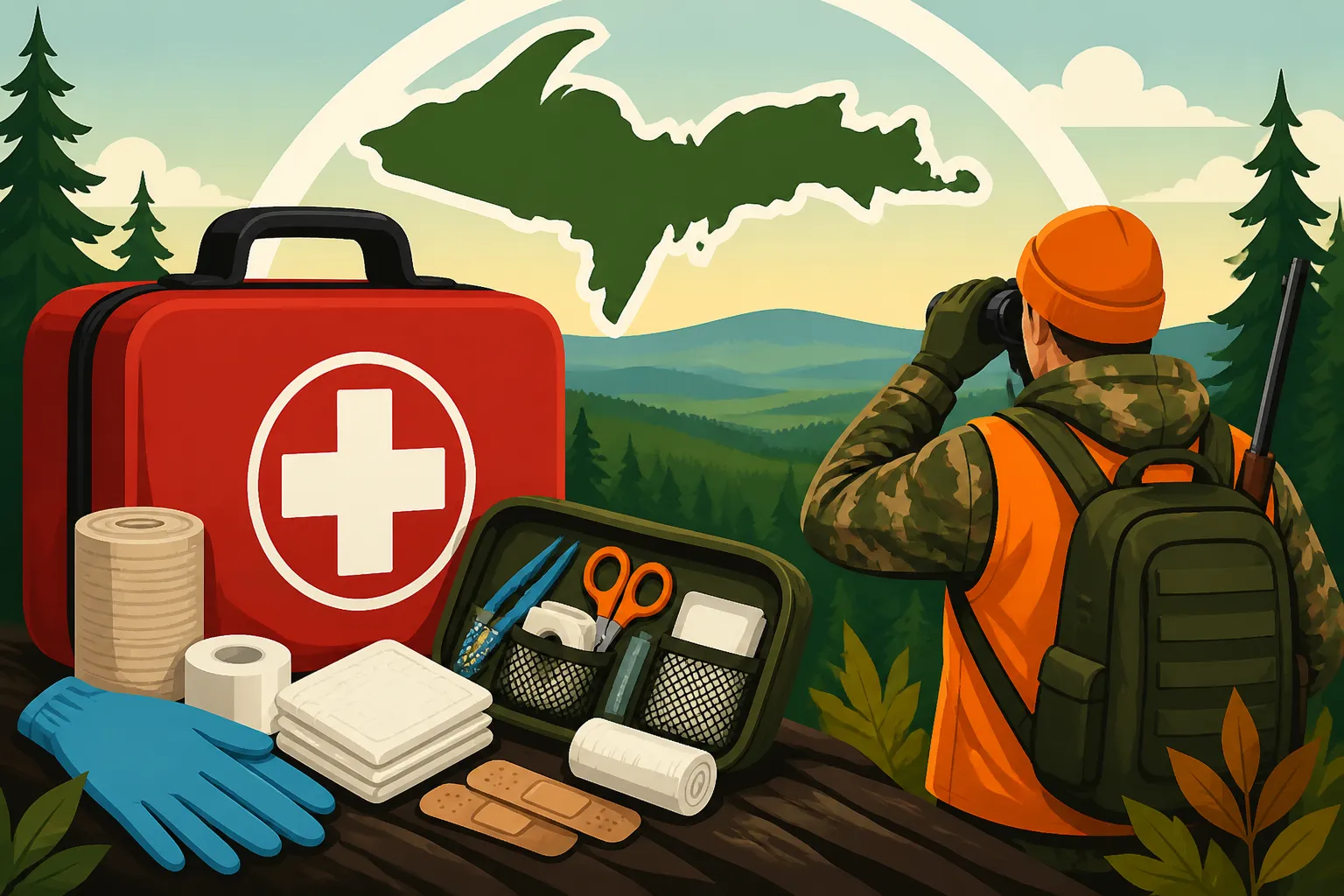
For more serious bleeding, you'll need compression bandages. These are different from regular gauze; they're designed to apply pressure and help stop blood loss. Israeli bandages are fantastic for this, offering a non-adherent pad, pressure applicator, and closure bar all in one. QuikClot or similar hemostatic gauze can be a lifesaver for severe arterial or venous bleeding, as it helps the blood clot faster. Always carry a small roll of medical tape to secure dressings and a pair of trauma shears, which can easily cut through clothing without injuring the patient further. Having a robust plan for controlling bleeding is paramount, especially if you're doing something like Sleds and Drags for Snow Country where sharp edges and slips can lead to nasty cuts.
Medications and Pain Relief
Managing pain and other symptoms can be crucial for comfort and mobility, or simply for maintaining a positive mental state while waiting for help. Over-the-counter pain relievers like ibuprofen (Advil, Motrin) or acetaminophen (Tylenol) are must-haves. Ibuprofen also helps with inflammation, which is common with sprains. Antihistamines, such as Benadryl, are vital for allergic reactions, including insect stings or plant exposure. If you have known severe allergies, an EpiPen is non-negotiable and should be carried in an easily accessible spot.
Don't forget personal medications! If you or anyone in your hunting party has prescriptions for heart conditions, diabetes, asthma (inhalers), or other chronic issues, ensure you pack at least a few extra days' supply in a waterproof container. Diarrhea medicine (like Imodium) can also save a trip from being miserable, or worse, causing dehydration. A veteran hunter knows that planning tools, such as the digital maps and planning features offered by platforms like GoHunt, help in identifying areas where immediate medical support might be hours away, reinforcing the need for these meds.
Sprain, Fracture, and Trauma Management
Twisted ankles, sprained knees, and even broken bones are a real possibility when navigating uneven U.P. terrain. A simple elastic bandage (Ace wrap) can provide compression and support for minor sprains. For more serious injuries, a SAM Splint is an invaluable tool. This malleable, lightweight splint can be molded to fit almost any limb, providing rigid support. Combine it with medical tape or triangular bandages to secure it in place.
Triangular bandages are incredibly versatile; they can be used as slings for arm injuries, padding for wounds, or to secure splints. Carrying a compact emergency blanket (often called a "space blanket") is also wise. While not directly for trauma, a trauma victim is highly susceptible to shock and hypothermia, and these blankets help retain body heat. When you're Hunting the Huron Mountains Area, with its rugged terrain and steep inclines, the likelihood of such injuries increases significantly.
Beyond the Basics: Advanced U.P. First Aid Considerations
While the core components cover many eventualities, truly preparing for the U.P. means thinking a few steps further. The remoteness often demands a prolonged self-rescue or wait for assistance, so equipping yourself for extended periods and environmental challenges is smart.
Environmental Protection and Survival Elements
As mentioned, exposure is a silent killer in the backcountry. Your first aid kit should extend to basic survival. Beyond the emergency blanket, consider a heavy-duty emergency bivvy or a lightweight tarp. These offer much better protection from wind and rain than a flimsy space blanket, creating a micro-shelter if you're forced to spend an unexpected night out. A small fire-starting kit (waterproof matches, lighter, fire-starting cubes) is also critical for warmth and signaling.
A headlamp with extra batteries is non-negotiable, especially for activities that might keep you out past dark or for signaling for help. Headlamps for Walking Out After Dark are crucial, but they also serve as a vital tool for assessing injuries or performing first aid in low light. Hand warmers can be a game-changer for someone experiencing early stages of hypothermia or for simply maintaining dexterity in cold hands while treating an injury. Remember, for those long sits during Cold Weather Sitting Strategy, these items aren't just comforts; they're vital for health.
Communication and Navigation Tools
While not strictly "first aid" items, reliable communication and navigation tools are integral to a comprehensive safety plan, directly impacting how quickly you can get help or self-rescue. A fully charged cell phone is a start, but don't rely on it for deep U.P. coverage. A satellite communication device (like a Garmin inReach or a Zoleo) is a much better investment. These devices allow you to send SOS messages, communicate via text messages with rescuers, and often have GPS tracking features. This connectivity is paramount when you're far from civilization.
A physical map of your hunting area and a compass, and the knowledge to use them, are also non-negotiables. Electronics can fail, especially in cold or wet conditions. Having a backup navigation system that doesn't rely on batteries is basic wilderness common sense. Familiarizing yourself with your planned route and potential escape routes during Scouting Michigan Public Land Before Season is just as important as knowing how to use your compass. While GoHunt might be known for western state mapping, the principle of thorough digital and physical map preparation applies to any remote hunt.
Specialized Tools and Personal Gear
Depending on your specific hunting activity, you might want a few specialized items. For bowhunters, a small pair of tweezers for splinter or tick removal is handy. For any hunter, a good multi-tool or knife is always on your belt, but consider a small folding saw for clearing shooting lanes or processing tasks. Having an extra set of gloves, particularly waterproof ones, can be incredibly useful for maintaining dexterity and preventing frostbite when performing first aid in cold weather.
For those venturing into particularly rugged areas or planning longer trips, a water filter or purification tablets are crucial. Dehydration can exacerbate many medical issues and impair judgment. A small, durable dry bag to keep all your first aid supplies absolutely dry is also a smart investment. You don't want to reach for antiseptic wipes only to find them soaked through.
Assembling and Maintaining Your Kit
Having the right gear is only half the battle; knowing how to organize it, maintain it, and most importantly, use it, completes the picture. A first aid kit isn't a "set it and forget it" item; it needs regular attention to ensure it's ready when you need it most.
Choosing the Right Container and Organization
The ideal first aid kit container for the U.P. is durable, waterproof, and easy to access. A bright color (like red or orange) makes it easy to spot, especially in low light or if dropped. Many hunters prefer a soft-sided pack that can be compressed or expanded as needed, or a hard case for maximum protection if space allows. Regardless of the type, it must be waterproof.
Inside, organization is key. Use small, clear Ziploc bags or dedicated pouches to group similar items. For example, all wound care supplies in one bag, medications in another, and splinting materials in a third. Labeling these bags clearly will save precious seconds in an emergency. Keep the most frequently used items (like pain relievers or bandages) easily accessible at the top. The idea is that in a stressful situation, you shouldn't have to rummage blindly for what you need.
Regular Inspection and Replenishment
Your first aid kit is only as good as its contents. Set a reminder to inspect your kit at least twice a year, and definitely before any major hunting trip. Check expiration dates on all medications and sterile supplies. Bandages can lose their adhesive, and antiseptic wipes can dry out. Replace anything that's expired, damaged, or used.
After any use, no matter how minor, take the time to replenish what you've used. Don't wait until the next hunting season only to find you're missing critical items because you used them for a small cut last year and forgot to replace them. This proactive approach ensures your kit is always at peak readiness. Consider keeping a small checklist inside your kit to make inspection and replenishment quicker and more efficient.
First Aid Training and Practice
Possessing a fully stocked first aid kit is merely a collection of tools; without the knowledge to use them effectively, they offer limited benefit. Basic first aid and CPR training are foundational for any outdoor enthusiast, but for U.P. hunting, consider advanced wilderness first aid (WFA) or even wilderness first responder (WFR) courses. These courses teach you how to improvise with limited resources, manage injuries over extended periods, and deal with environmental emergencies specific to remote settings.
Practice applying bandages, splints, and tourniquets on yourself and your hunting partners. Role-playing emergency scenarios, even simple ones like a twisted ankle or a deep cut, helps build muscle memory and confidence. Knowing how to assess a situation, prioritize injuries, and remain calm under pressure are skills that come from training and practice. The goal isn't to become a wilderness doctor, but to be proficient enough to stabilize a situation and provide essential care until professional help arrives, especially when facing deep woods conditions like those encountered when considering Upper Peninsula Deer Yarding and Winter Movement where deep snow and cold make any mishap more serious.
When we venture into the U.P., we seek adventure, solitude, and the thrill of the hunt. But true preparedness means respecting the wilderness and acknowledging the potential for things to go wrong. A well-assembled, meticulously maintained, and competently utilized first aid kit is not just another piece of gear; it’s an investment in your safety and the safety of your hunting partners. Don't leave home without it.
Disclaimer
This article is for general informational purposes only and does not constitute professional advice. Laws, prices and regulations vary by location and change over time. Consult a qualified professional for guidance on your specific situation.