Still-Hunting After a Michigan Snow
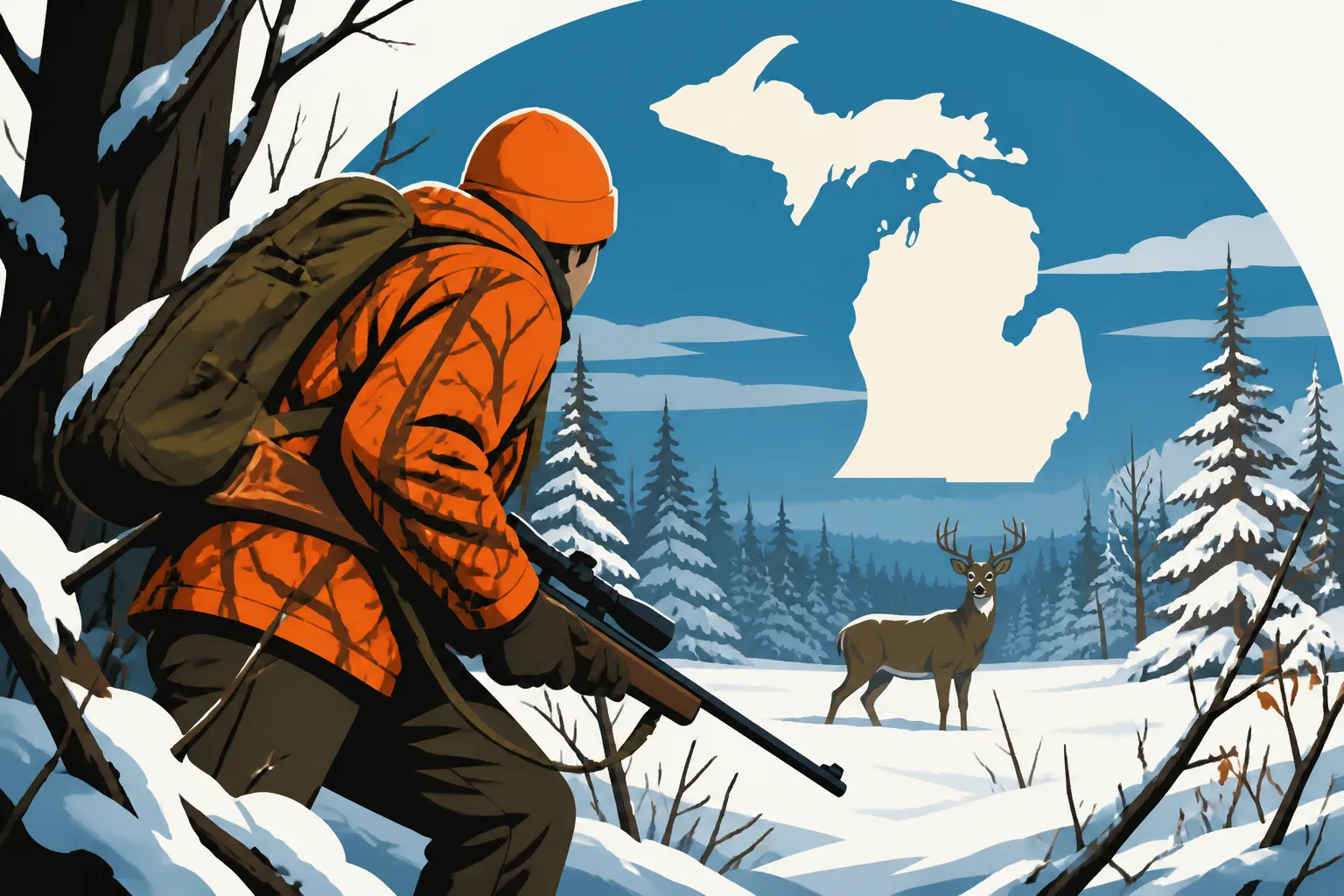
There are few things more frustrating than hitting the woods when the leaves are down, trying to be quiet, and every single dry twig beneath your boots snaps like a pistol shot, broadcasting your presence to every whitetail within a quarter-mile. But then, a fresh Michigan snow falls, blanketing the forest in a pristine white, and suddenly, the game changes. This guide is all about embracing that transformation, helping you understand how to leverage snowy conditions for incredibly effective still-hunting, turning those crunchy trails into silent pathways to success.
The Magic of a Fresh Michigan Snowfall
A fresh blanket of snow in Michigan's deer woods isn't just beautiful; it's a game-changer for still-hunters. It transforms the hunting experience, offering unique advantages that can make the difference between an empty truck bed and a successful hunt. For those of us who spend countless hours trying to be silent in crunchy leaves, snow feels like a gift from the deer gods.
Why Snow Changes Everything for Still-Hunters
First and foremost, snow provides a visual roadmap of deer activity. Every deer that moves leaves a clear, undeniable sign of its passage. You can see where they came from, where they're going, and often, what they're doing. This isn't just about finding fresh tracks; it's about interpreting a story laid out on the forest floor. You can tell if a deer is walking leisurely, browsing, or moving quickly, helping you adjust your approach. Without snow, these subtle movements are largely invisible, leaving you guessing about recent activity.
Beyond the visual, snow offers a significant auditory advantage. That dreaded crunch of dry leaves? Gone. Snow dampens sound, making your footsteps quieter, especially if it's soft, fresh powder. This allows you to move through the woods with a stealth that's almost impossible on bare ground. The forest itself becomes quieter, meaning deer also have a harder time pinpointing your location, and you, in turn, can often hear them moving or blowing from a greater distance. It's like the woods have hit a mute button, allowing you to tune into the subtle sounds of the forest. And let's be honest, seeing a dark deer against a bright white background makes them stand out like a sore thumb, much more so than against the muted browns and grays of bare timber.
Reading the Tracks in the Snow
Interpreting deer tracks in the snow is an art form that develops with experience, but some basic principles can set you up for success. The first step is always to determine the freshness of the track. Crisp, well-defined edges with no snow buildup inside usually indicate a very recent track, likely laid down within the last few hours. Tracks with rounded edges, a slight dusting of snow, or ice crystals forming within them are older, and while they show deer presence, they aren't what you're looking for to actively still-hunt.
Differentiating between a buck and a doe track isn't always foolproof, but there are clues. Mature bucks often have larger, blunter hooves that tend to splay out slightly, and their stride might be longer. They might also drag their feet a bit more, creating a slight scuff mark. Does typically have daintier, more pointed tracks. However, the best indicator is often what accompanies the track: a buck rub or a fresh scrape nearby. You'll want to look for those definitive signs as you follow. Understanding the gait is also critical. A deer walking calmly will have a consistent stride. A trotting deer will have a longer, more spread-out pattern, and a running deer will leave widely spaced, deep prints, often digging into the snow as it pushes off. If you see signs of browsing – nips on twigs, disturbed snow where they fed – it tells you the deer was relaxed and feeding, potentially still in the area. A direct, purposeful line of tracks might indicate a deer traveling between a bedding area and a food source. This type of information is invaluable in choosing your still-hunting route and approach.
Essential Still-Hunting Tactics in Snowy Michigan Woods
Once you understand the benefits of snow, it's time to put those advantages to work with effective still-hunting tactics. It's not just about walking through the woods; it's about a deliberate, calculated approach that maximizes your chances of encountering deer unawares.
Mastering Your Movement and Pace
The single most important aspect of still-hunting in the snow is your pace. Forget about covering ground quickly. This is a slow, methodical game. Think of it as stop, look, and listen, in an almost meditative rhythm. Take five to ten steps, then pause for several minutes. During this pause, scan every tree, every brush pile, every shadow ahead and around you. Use your binoculars to pick apart potential shapes that don't quite look right. Listen intently for the subtle sounds of the woods – a twig snap, a branch shaking, the soft thump of a deer stepping in deep snow. Many deer are spotted because they move slightly, not because you saw them first standing perfectly still.
When you do move, do so deliberately. Place your feet down softly, testing the snow's crust (if there is one) before committing your weight. Avoid scuffing. Use the terrain to your advantage: move from tree to tree, using trunks as temporary cover. Stay in shadows whenever possible, as a dark hunter against a bright white backdrop can be easily spotted. Perhaps the most crucial factor is wind direction. Always hunt into the wind or with a slight crosswind. A deer's nose is its primary defense, and if your scent is blowing ahead of you, your hunt will be over before it begins. Adjust your route constantly based on the prevailing wind, even if it means taking a less direct path. For more detailed insights on navigating deer movement, consider how Entry Routes on Flat Michigan Ground can impact your still-hunting success, as quiet entry is paramount.
Utilizing the Landscape and Cover
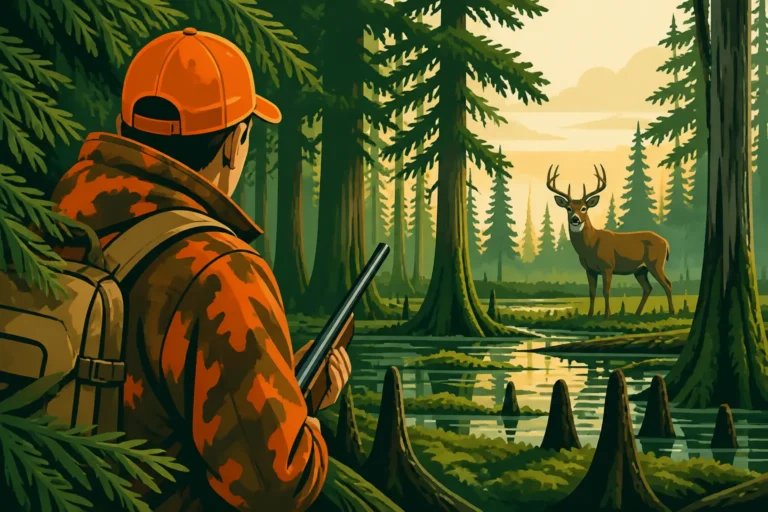
Snow changes how deer use the landscape, often funneling them into specific areas. During cold, snowy conditions, deer will seek thermal cover – areas that offer protection from wind and cold. This often means dense conifer stands, especially cedar swamps in Michigan. These areas can hold a lot of deer, offering both cover and food sources. When you're still-hunting in these conditions, these thickets and swamp edges should be your primary focus. Our guide on Hunting Michigan Cedar Swamps for Deer can provide an excellent foundation for understanding these crucial habitats.
Beyond thermal cover, look for transition areas: where a clearcut meets mature timber, where a swamp gives way to an oak ridge, or the edges of dense bedding areas. Deer frequently use these transitional zones for travel between food and cover. Identify likely bedding areas, perhaps a south-facing slope that catches the sun, or a thick blowdown area. Approach these spots slowly and cautiously, always expecting to see a deer. If you've been doing your homework using tools like the GoHunt app to scout aerial photos, you'll have a good idea of where these natural funnels and cover pockets are located before you even step foot in the snow. Knowing Where Big Woods Bucks Bed in Michigan is especially critical for targeting mature animals in these conditions.
Gear and Preparation for Snowy Still-Hunting
Still-hunting in Michigan's snow-covered woods demands specific gear and preparation to stay comfortable, quiet, and effective. Being cold or wet isn't just unpleasant; it's a distraction that will compromise your hunt.
Layering for Cold and Wet Conditions
Staying warm and dry is paramount when still-hunting in the snow. This isn't just about comfort; it's about safety and maintaining focus. Start with a good base layer that wicks moisture away from your skin – synthetic or merino wool are excellent choices. Avoid cotton at all costs, as it retains moisture and will make you cold. Your mid-layers should provide insulation. Fleece, down, or synthetic puff jackets work well, depending on the temperature. Remember, you'll be moving, but also stopping for extended periods, so adjust your layers to avoid sweating when active, then add a layer when stationary.
Your outer layer needs to be quiet, waterproof, and windproof. A good quality hunting jacket and pants made from quiet fabrics like brushed fleece or softshell material are essential. Look for waterproof features to keep snow and melting moisture out. Waterproof boots are non-negotiable, and insulated ones are preferred for long hours in the snow. You'll thank yourself for investing in quality footwear, especially when you're slowly traversing cold, wet terrain. Our guide on Insulated Boots for All-Day Sits offers more detailed advice on choosing the right footwear. Don't forget a warm hat, gloves, and a neck gaiter; you lose a lot of heat through your head and extremities. While still-hunting involves movement, some of the principles for staying warm in a treestand still apply; you can find more tips in Cold Weather Sitting Strategy that are relevant to dressing for prolonged exposure to cold.
Optics and Navigation in the White Landscape
In a snowy landscape, good optics become even more critical. Binoculars are your best friend for still-hunting. An 8x or 10x power binocular is ideal for scanning the woods ahead, picking apart cover, and identifying deer tucked into the snow-covered brush. The white backdrop can sometimes make it harder to discern fine details, so clear glass is essential. A rangefinder is also extremely useful, especially if you're hunting with a rifle or muzzleloader, as judging distances accurately in wide-open, snowy conditions can be tricky. You don't want to make an ethical shot at a deer only to realize it was further than you thought.
For navigation, a reliable GPS unit or a mapping app on your smartphone is indispensable. Apps like GoHunt, onX Hunt, or the Michigan DNR's own Mi-HUNT app provide invaluable tools. They allow you to see your location on detailed topo maps or aerial photos, mark tracks, pinpoint areas of interest, and ensure you always know where you are, especially in unfamiliar territory. Being able to quickly reference property lines or scout potential routes is a huge advantage. Check out our resources on Using Mi-HUNT on a Phone and onX Layers for Michigan Land Status to learn how these tools can dramatically improve your ability to navigate and hunt smarter on Michigan public lands. Carrying a portable charger for your phone is also a wise idea, as cold temperatures can quickly drain battery life.
Common Challenges and Overcoming Them
Still-hunting in the snow isn't without its challenges. Michigan weather can be fickle, and hunting pressure on public land is always a factor. Knowing how to adapt to these situations is key to consistent success.
Dealing with Variable Snow Conditions
The type of snow can dramatically impact your still-hunting strategy. Fresh, soft powder is a still-hunter's dream – it's quiet underfoot, and tracks are pristine. However, a crusty layer of frozen snow can turn every step into a loud, deer-spooking crunch. In these conditions, you need to be even more patient and deliberate. Focus on areas where the snow might be softer, like in thick evergreen cover, or along creek bottoms where the ground might not be as frozen. You might also consider hunting during warmer parts of the day when the crust softens slightly, or immediately after a fresh snowfall before it has a chance to freeze. When the snow starts to melt, it can create a whole new set of challenges, making it difficult to keep your gear dry and maintain warmth.
If you encounter very light snow or just a dusting, tracks might be harder to follow, but the visual contrast of deer against the white can still be an advantage. A heavy snowfall can make movement slow and strenuous, but it often drives deer to seek out bedding in dense cover, making those areas high-priority. Remember, snow can also obscure small details on the ground, so keep your eyes peeled for things like disturbed bark where a deer might have rubbed, or fresh droppings that indicate recent presence. Learning to interpret these varied conditions is part of becoming a truly skilled still-hunter. Our guide on Tracking a Deer in Michigan Snow can help you refine your ability to read the signs no matter the snow type.
Handling Hunting Pressure
Michigan's public lands, especially during firearm season, can see significant hunting pressure, even after a snowfall. If you're encountering other hunters, it's crucial to adjust your strategy. Often, the easiest hunting spots, like those close to two-tracks or parking areas, are heavily worked. This is where your still-hunting skills and knowledge of the terrain become invaluable. Don't be afraid to walk further, deeper into the woods, to find areas that other hunters bypass. Deer learn quickly where the pressure is, and they will often retreat to the thickest, nastiest cover they can find.
When other hunters are moving, you can actually use their presence to your advantage. If hunters are pushing through an area, consider still-hunting into the wind along known escape routes, thick swamp edges, or heavy cover that deer will use to get away. Often, deer will circle back behind pressure or hold tight until the disturbance passes. Being patient and quiet in these areas can lead to encounters with deer that have been pushed by others. The key is to think like a deer and anticipate their reactions to pressure. Resources like Hunting Pressure on Michigan State Land and Finding Ground Others Walk Past offer excellent strategies for navigating crowded public hunting grounds and identifying those hidden gems where deer feel safe.
| Snow Condition | Impact on Still-Hunting | Recommended Tactic |
|---|---|---|
| Soft Powder (Fresh) | Extremely quiet, tracks highly visible, excellent contrast. | Move very slowly, stop often, scan thoroughly. Ideal for tracking. |
| Crusted Snow (Frozen) | Noisy underfoot, tracks still visible but less clear. | Focus on thick cover where snow may be softer. Hunt during warmer temps if possible. |
| Heavy Wet Snow | Hard to move quietly, tracks deep, strenuous travel. | Target dense thermal cover where deer will be yarded or bedded. |
| Light Dusting | Tracks faint or hard to discern, good visual contrast for deer. | Rely more on visual scanning for deer movement; tracks are secondary. |
| Melting/Slushy Snow | Wet conditions, noisy, tracks can become distorted. | Prioritize staying dry. Hunt thickets or elevated areas. |
Disclaimer
Hunting is an inherently risky activity. Always prioritize safety, understand and follow all Michigan Department of Natural Resources regulations, and obtain proper licenses and permits before heading into the field. This article provides general information and should not be considered a substitute for professional training or direct experience. Be prepared for changing weather conditions, carry a first-aid kit, and let someone know your hunting plans.