Muzzleloader Tactics in December Cold
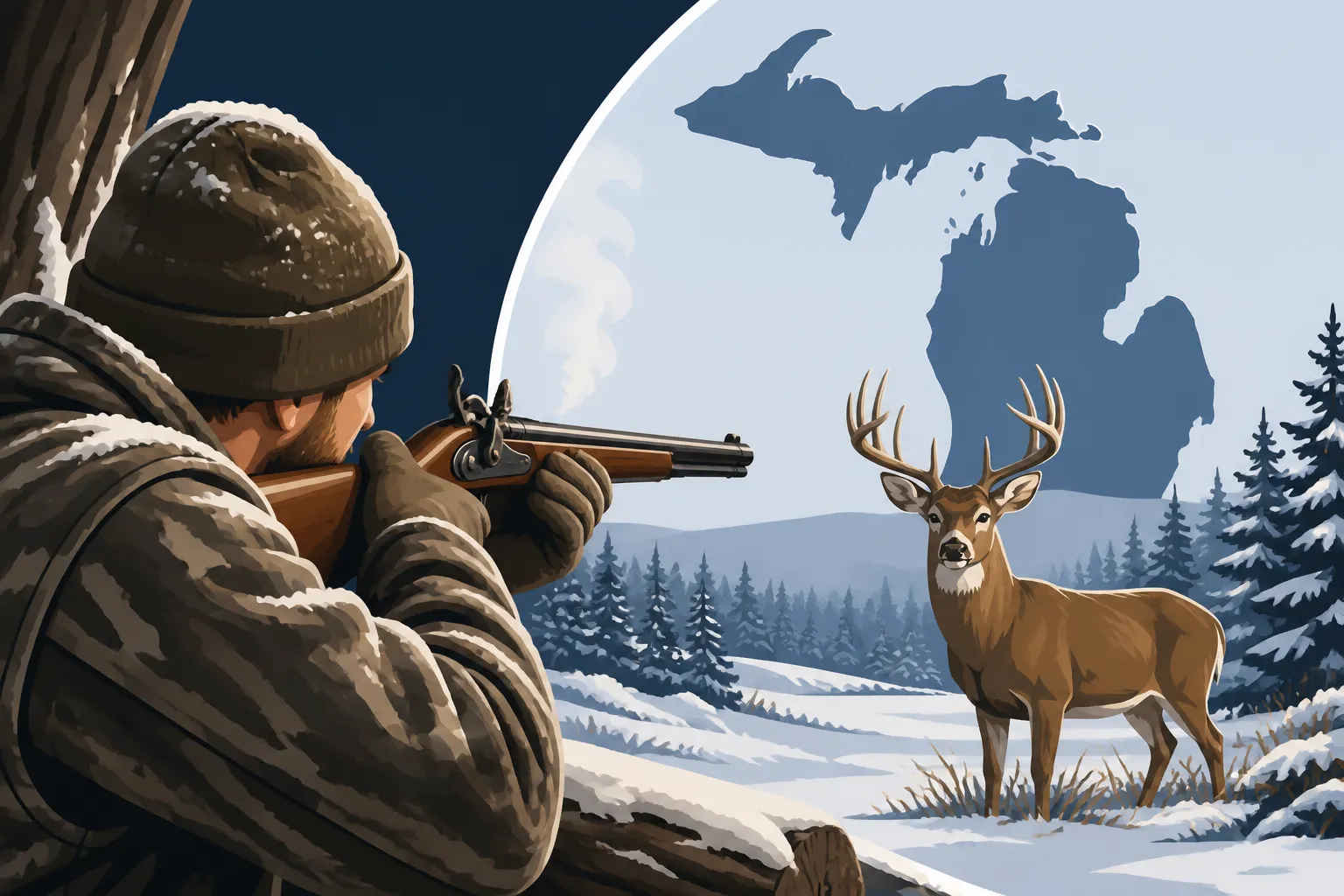
December in Michigan brings a whole new set of challenges for deer hunters, and when you add a muzzleloader into the mix, things can get truly tricky. The freezing temperatures, potential for heavy snow, and often crusty conditions can make your firearm unreliable and your hunting strategy feel like an uphill battle. But don't despair! This guide is all about equipping you with the practical tactics and preparations needed to punch your tag with a muzzleloader, even when the Michigan cold tries its best to keep you home.
Preparing Your Muzzleloader for Michigan's December Chill
Hunting with a muzzleloader in December isn't just about loading up and heading out; it requires meticulous preparation to ensure your firearm performs when it counts. The cold, wet, and often snowy conditions unique to Michigan's late season demand extra attention to detail for reliable ignition and accuracy.
Protecting Your Powder from Moisture
One of the biggest anxieties for any muzzleloader hunter, especially in adverse weather, is a misfire due to damp powder. Black powder and its modern substitutes are incredibly susceptible to moisture, and a single snowflake or a drop of rain can ruin your shot.
Before you even step foot into the woods, consider how you'll keep your powder dry. Many seasoned Michigan hunters opt for pre-measured charges in speed loaders or small, waterproof containers. These keep your powder completely sealed until the moment you need to load. Even then, be mindful of exposing it to the elements. During loading, angle your muzzleloader to shield the breach from falling snow or drizzle. Some hunters even carry a small, waterproof pouch or a Ziploc bag to quickly cover the muzzle and primer area once loaded. This might seem like overkill, but when a buck finally steps out after hours in the cold, you don't want a "click" instead of a "boom." It's also critical to ensure your breach plug is clean and seated properly, creating a tight seal against moisture. For a more general overview of these specialized firearms, you might want to read our comprehensive guide on Muzzleloader Deer Hunting in Michigan.
Ensuring Reliable Ignition in Freezing Temperatures
Beyond the main powder charge, your primer is the heart of reliable ignition. In December's biting cold, primers can become sluggish or fail if not handled correctly. Modern 209 primers are much more reliable than older cap-and-ball systems, but they still need care.
Always use fresh, high-quality primers. Store them in a waterproof container, ideally in an inner pocket close to your body heat until you're ready to load. This slight warmth can make a difference in extreme cold. Once loaded, ensure the primer is fully seated in the breech plug to create a solid connection. If you're using a traditional percussion cap system, consider a small piece of electrical tape over the cap to seal it from moisture. Just remember to remove it quietly before taking your shot! Practice loading and firing in cold conditions before the season to understand how your specific muzzleloader performs. This will also help you learn the critical steps for Keeping a Muzzleloader Dry in Wet Snow.
Here's a quick checklist for muzzleloader cold-weather prep:
| Component | Cold-Weather Action | Benefit |
|---|---|---|
| Powder | Pre-measure, store in waterproof speed loaders/vials | Prevents moisture, faster reloading |
| Primer | Use fresh, store warm, ensure full seating | Ensures reliable ignition |
| Breech Plug | Clean thoroughly, apply anti-seize, ensure tight seal | Prevents fouling, maintains seal |
| Barrel | Swab clean, lightly oil bore exterior | Maintains accuracy, prevents rust |
| Optics | Use anti-fog treatment, keep caps on | Clear vision, protects lenses |
| Action | Lightly lubricate with cold-weather lubricant (if applicable) | Smooth operation, prevents freezing |
Understanding December Deer Behavior for Muzzleloader Success
The deer in Michigan's December landscape are different animals than those you chased in October. The rut is over, food sources are dwindling, and the relentless cold drives their survival instincts. To succeed with a muzzleloader in this late season, you need to think like a deer, focusing on their primary needs: food, cover, and energy conservation.
Locating Preferred Late-Season Food Sources
As winter tightens its grip, many of the lush food sources deer relied on earlier in the season are gone or buried under snow. Deer shift their diets to more readily available, energy-rich options that can sustain them through the leanest months.
In many parts of Michigan, especially in the Lower Peninsula's agricultural areas, standing cornfields or unharvested soybeans become absolute magnets. If you're hunting near farmland, spending time scouting these areas is paramount. Check the edges for tracks and browse lines. In big timber country, deer will be heavily reliant on acorns that may still be accessible under a light snow, or browse on woody stems, particularly young maples, aspens, and dogwood. Cedar swamps in the northern Lower Peninsula and throughout the U.P. offer critical thermal cover and browse, making them prime targets. Hard mast like oak ridges can still be productive, especially if there's an abundant acorn crop, but deer will expend less energy digging for them in deep snow. Understanding Late-Season Food Sources for Whitetails is key to finding where deer will be concentrating their activity.
Deciphering Winter Bedding Habits
Deer conserve energy in December, meaning their movements are often dictated by efficiency between bedding and feeding areas. Their bedding locations shift to offer maximum thermal protection and minimal energy expenditure.
In cold, windy conditions, deer will seek out thick, coniferous cover like cedar swamps or dense stands of pines, which offer a natural barrier from the elements and often hold less snow. South-facing slopes that catch more sunlight can also be prime bedding areas, helping deer warm up during the day. Don't overlook heavy clearcuts or thick regeneration areas, especially those with good overhead cover. Deer will often bed very tightly in these areas, especially if they are close to a good food source. When approaching these areas, be incredibly slow and methodical, as deer might not move until you are very close. Using a tool like GoHunt's mapping features can help identify these dense cover types and south-facing slopes, allowing you to focus your scouting efforts and pinpoint potential bedding spots without disturbing the area. Knowing Where Big Woods Bucks Bed in Michigan is essential for a successful late-season hunt.
Strategic Muzzleloader Hunting in Late-Season Michigan
Once you've got your muzzleloader dialed in and a good grasp of where Michigan's deer are feeding and bedding, it's time to put those pieces together with smart hunting tactics. Late-season muzzleloader hunting requires patience, stealth, and a willingness to adapt to ever-changing conditions.
Still-Hunting and Tracking in Snow
When fresh snow blankets the Michigan landscape, it opens up an incredible opportunity for still-hunting and tracking. The snow not only quiets your footfalls but also provides a clear canvas for deer sign, revealing exactly where they've been.
A fresh snowfall can be a game-changer. As you move slowly through known deer areas—think those thick cedar swamps, transition lines between cover and food, or along ridges—keep your eyes peeled for fresh tracks. Focus on bigger, solitary tracks which often indicate a mature buck. Follow the tracks patiently, paying close attention to changes in direction, scrape marks, and fresh droppings. Remember, in deep snow, deer will often follow paths of least resistance, like old logging roads or deer trails. Use these to your advantage, but always be ready to step off the trail to get a better look. When you're still-hunting after a good dump of snow, you'll want to review some tips on Still-Hunting After a Michigan Snow to make sure you're approaching it effectively. This slow, deliberate approach often puts you within muzzleloader range before a deer even knows you're there.
Treestand and Ground Blind Placement for Cold Weather
While still-hunting is effective, long sits in a treestand or ground blind are often necessary for success, especially near high-traffic food sources. However, December cold demands specific considerations for placement and personal comfort.
When choosing a treestand location, prioritize spots that offer excellent visibility over a food source or a natural travel corridor between bedding and feeding. Consider thermal hubs – areas that hold warmth better, like south-facing edges of thick cover. Don't forget about wind direction; scent control is still critical. For ground blinds, brush them in extensively to break up their outline, especially with a fresh coat of snow. Make sure the interior offers enough room for comfortable movement, as you'll be wearing bulky cold-weather clothing. A good blind will also offer a degree of protection from the wind, making a long sit more bearable. When setting up your stand, consider that deer movement might be concentrated in the middle of the day during the late season, so plan your sit accordingly. You'll definitely want to develop a solid Cold Weather Sitting Strategy to make sure you can stay out there long enough to capitalize on the opportunity.
Post-Shot Considerations and Recovery
Taking a deer in the freezing Michigan cold with a muzzleloader presents unique challenges, not just for the shot itself, but for the recovery afterward. Muzzleloader hunters often only get one shot, so making it count is paramount.
Once you take a shot, don't rush in. Even with a good hit, give the deer time. The cold weather can actually help preserve the meat if the deer expires quickly, but don't assume a short trail just because of the temperature. Wait at least 30-45 minutes for a well-placed shot, and longer if you suspect it was less than ideal. Tracking in snow is easier, but be prepared for a challenge if the deer travels into thick cover. Mark your last point of sign carefully. If you're on public land, tools like the GoHunt app can help mark the location of your shot and the last sign, making the recovery process much more efficient, especially if you need to call in help. When it comes to getting that deer out, especially if you're alone, dragging through deep snow can be brutal. Consider investing in a deer sled or a sturdy game cart. Knowing how to efficiently manage Dragging a Deer Through Michigan Snow can save you a lot of effort and ensure your venison gets home in good shape.
Essential Gear for Muzzleloader Hunting in Deep Winter
Hunting in Michigan's December cold isn't just about the gun and the deer; it's about being prepared to face the elements yourself. The right gear can mean the difference between an enjoyable, successful hunt and a miserable, short-lived outing.
Layering for Extreme Cold
Staying warm and dry is paramount when you're sitting still for hours in freezing temperatures. The key to this is proper layering, allowing you to add or remove clothing as activity levels or temperatures change.
Start with a good base layer – wool or synthetic moisture-wicking materials are far superior to cotton, which holds moisture and chills you quickly. Next, add a mid-layer for insulation, like fleece or a puffy jacket. Your outer layer should be windproof and waterproof, capable of shedding snow and blocking the biting Michigan wind. Look for insulated pants and a heavy parka. Don't forget about your extremities: a good wool hat, insulated gloves or mittens (with finger access for your muzzleloader), and a neck gaiter or balaclava are non-negotiable. Remember, you can always take layers off, but you can't add what you didn't bring. For a deeper dive into clothing for tough conditions, our article on Clothing for a Michigan November offers great insights that are applicable even in December.
Boots, Packs, and Navigation Tools
Beyond clothing, your footwear, pack, and ability to navigate are critical components of a successful late-season muzzleloader hunt, especially when venturing into remote public lands.
For your feet, choose insulated, waterproof boots that are rated for extreme cold. Make sure they are comfortable for walking, as you might cover a lot of ground still-hunting or tracking. Nothing ends a hunt faster than cold, wet feet. When it comes to packs, a sturdy daypack is essential for carrying extra layers, food, water (in an insulated bottle to prevent freezing), emergency supplies, and your muzzleloader accessories. Consider one with external straps for securing your muzzleloader if you're moving through thick brush. Finally, navigation is crucial, especially when exploring vast areas like the Huron-Manistee National Forest or scouting for prime spots. While physical maps and compasses are always recommended as backups, a reliable GPS unit or a smartphone app like GoHunt, with downloaded offline maps, can be invaluable for pinpointing your location, marking crucial sign, and finding your way back to your vehicle. For more on carry essentials, check out Packs for a Day on State Land.
Disclaimer
Hunting is an inherently risky activity. Always prioritize safety, understand and adhere to all Michigan hunting regulations, and ensure your equipment is in proper working order. This guide offers general advice and should not replace professional instruction or local regulations.