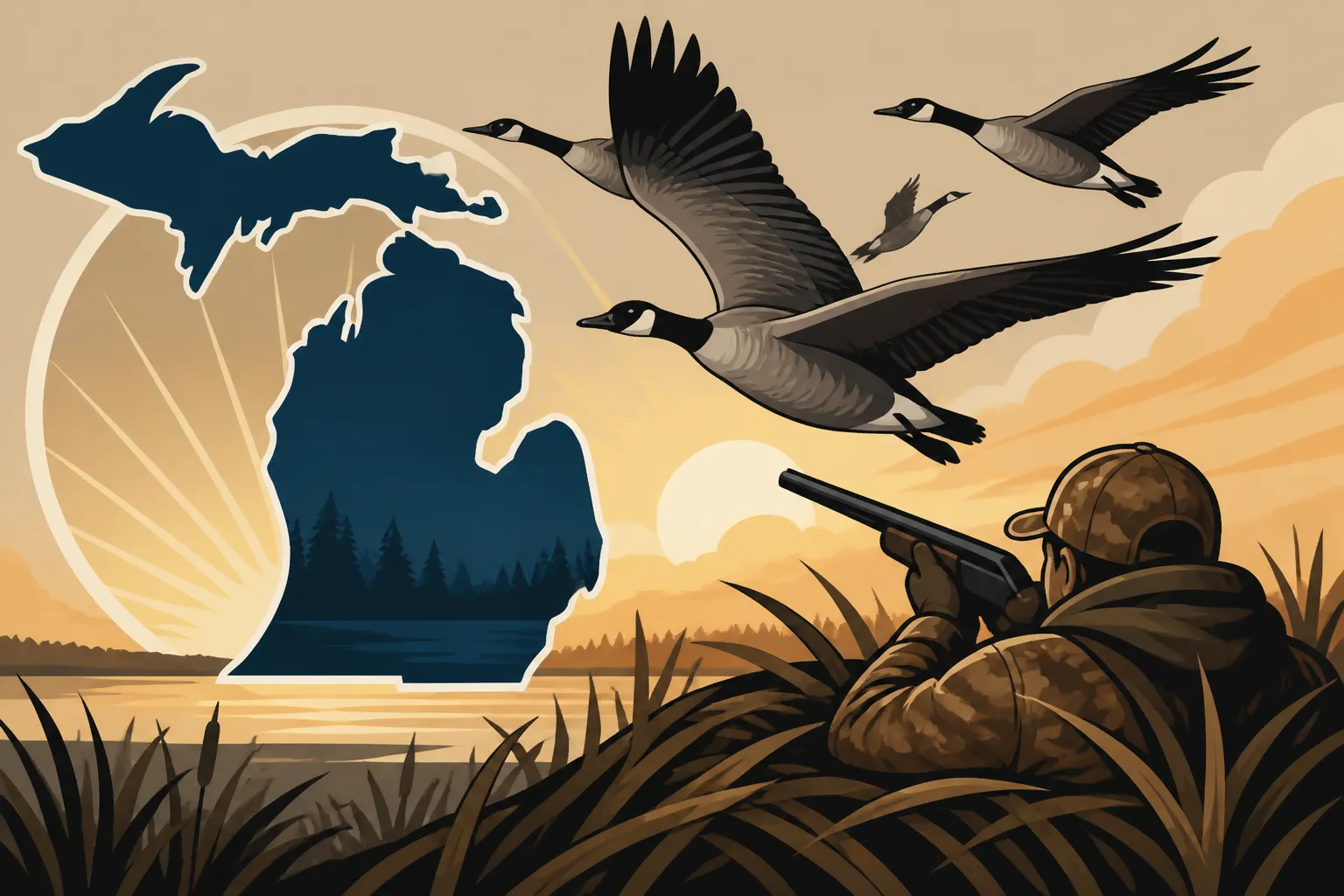
Early Goose Season Tactics in Michigan
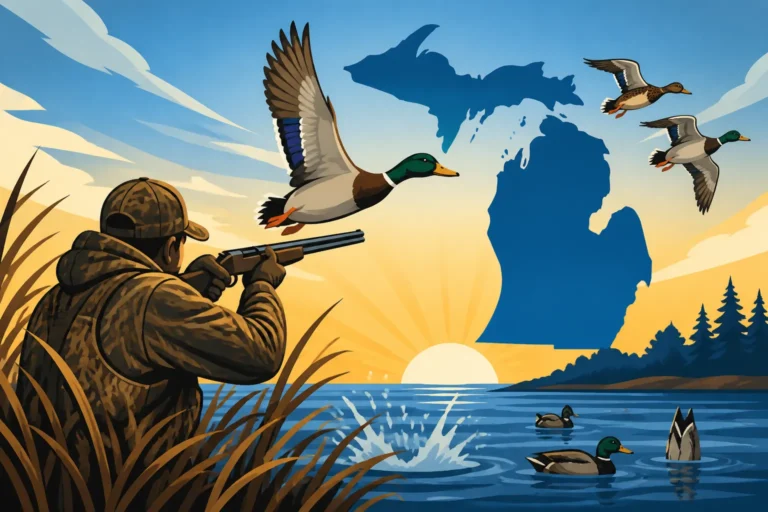
For many Michigan waterfowlers, the long summer wait for goose season can feel endless, but that early goose season offers a unique and often overlooked opportunity to put some birds on the ground before the real cold sets in. You might be struggling to understand how to approach these resident birds, who act completely different from their migratory cousins, or figuring out the best ways to hunt them when the landscape is still green. This guide will walk you through effective strategies and tactics for making the most of Michigan's early goose season.
Understanding Michigan's Early Goose Season
Michigan's early goose season is a fantastic way to kick off the waterfowl hunting calendar, often starting in early September. Unlike the main waterfowl season, which targets migratory birds, this early period is primarily designed to manage Michigan's burgeoning population of resident giant Canada geese. These birds breed and live in the state year-round, and their numbers have grown significantly, leading to increased depredation on agricultural lands and nuisance issues in urban areas.
Why the Early Season Matters
The early goose season is crucial for a few reasons, both for conservation and for hunters. For the Michigan Department of Natural Resources, it's a vital tool for population control. Resident geese can cause substantial damage to crops, especially in southern Michigan farm country, and can also become a nuisance in parks, golf courses, and residential areas. By offering an early season, the DNR provides hunters with an opportunity to harvest these birds when they are most accessible and before they become more wary due to hunting pressure.
From a hunter's perspective, this season is a fantastic chance to get out in the field after a long break. The weather is generally mild, meaning you don't have to contend with freezing temperatures or breaking ice. It’s also an excellent time to introduce new hunters, especially youth, to waterfowl hunting. The birds are often less "educated" compared to those that have been hunted for weeks during the regular season, potentially offering more consistent action. Plus, these early birds haven't been feeding on specific migratory routes, making their patterns a bit more predictable if you do your homework. They're often found in very localized areas, making scouting paramount.
Key Regulations and License Requirements
Before you even think about setting out your first decoy, it's absolutely critical to understand the legal framework governing early goose season in Michigan. The rules can be a bit nuanced, so paying close attention is key to staying out of trouble and ensuring a successful hunt.
First and foremost, every hunter needs a valid Michigan Base License. This is your foundation for nearly all hunting activities in the state. Beyond that, for waterfowl, you'll also need a Michigan Waterfowl License. But wait, there's more! Don't forget the Federal Duck Stamp. This physical stamp, which you sign across the front, must be carried with you while hunting waterfowl. It's a critical component, and a significant portion of the funds generated from its sale goes directly into wetland conservation efforts across the country.
Finally, all migratory bird hunters, including those targeting early geese, must be Harvest Information Program (HIP) certified. This is a quick and free registration process that helps the U.S. Fish and Wildlife Service gather important data on migratory bird harvests, which in turn helps manage populations. You can typically get HIP certified when you purchase your licenses.
Daily bag limits for early goose season are often more generous than during the regular season, reflecting the management goals for resident populations. Always double-check the current Michigan Waterfowl Seasons and Zones regulations, as these can change year to year. Shooting hours generally follow the standard migratory bird regulations, from one-half hour before sunrise to sunset. Remember, the use of lead shot is prohibited for all waterfowl hunting, so make sure you're stocked up on approved non-toxic shot like steel, bismuth, or tungsten-alloy.
Scouting for Early Season Success
Success in early goose season hinges heavily on thorough scouting. These resident geese are creatures of habit, and understanding their daily routines is far more important than any fancy decoy spread or calling sequence. They typically follow very predictable patterns between where they roost (sleep) and where they feed.
Identifying Prime Roosting and Feeding Areas
Resident Canada geese aren't usually found in the sprawling wild areas of the Upper Peninsula; they prefer the more agricultural and suburban landscapes, particularly in the Lower Peninsula. Think about large, open bodies of water for roosting, such as bigger lakes, wide sections of rivers, large farm ponds, or even city park ponds and golf course water hazards. These areas offer safety from predators and a place to gather in numbers overnight.
When it comes to feeding, their preferences shift to agricultural fields. Early season means many crops are still standing or have just been harvested. Look for cut cornfields, wheat stubble, alfalfa, and even lush pastures or hayfields. They’re looking for readily available, high-energy food sources. A great way to start is by driving around the areas you plan to hunt at dawn and dusk. You'll literally see them flying from their roosts to their feeding grounds, or vice-versa. Pay attention to telephone poles, treelines, or anything else they might be using as a landmark on their flight path.
Keep an eye out for tell-tale signs: goose droppings, tracks, and areas where grass or crops have been "grazed" short. These are clear indicators of recent goose activity. Using tools like the Mi-HUNT map from the Michigan DNR or satellite imagery on apps like GoHunt can help you identify potential fields and water bodies from afar, allowing you to narrow down your scouting efforts significantly. A quick drive through an area with likely habitat can turn up flocks feeding in fields that nobody else has noticed yet. Don't be afraid to put some miles on your truck!
Observing Flight Patterns and Timings
Once you've identified potential roosts and feeding areas, the next step is to observe their specific flight patterns and timings. This is where patience really pays off. Sit and watch, ideally from a distance where you won't disturb them. Note the exact fields they're flying to, the specific routes they take to get there, and the general time they leave their roosts in the morning and return in the evening.
Are they flying over a specific woodline? Are they dipping down into a particular low spot in the field? Are they consistently using a certain corner of a large field? All these details will inform your blind placement and decoy spread later on. For example, if you observe them consistently flying low over a small ridge before landing, that ridge becomes a prime location for your layout blind, as it naturally breaks up your silhouette. Similarly, understanding their preferred entry and exit points in a field allows you to set up your spread to capitalize on these habits, encouraging them to finish within range. This detailed observation is really the heart of Reading Roost-to-Field Flight Lines.
Early season geese can be a bit more relaxed than their late-season counterparts, but they're not dumb. They'll still identify anything that looks out of place. Your scouting should provide enough information to mimic their natural behavior. If you see them landing in small family groups, that’s how you’ll set your decoys. If they land in one large mob, that's what you'll try to replicate.
Decoying and Blind Setups for Resident Geese
With scouting complete, it’s time to translate that knowledge into an effective setup. Early season decoy and blind strategies can differ significantly from what you might use later in the year, mainly due to the still-green landscape and the less pressured nature of the birds.
Decoy Spreads for Early Season
When hunting resident geese in the early season, you often don't need a massive spread of hundreds of decoys. These birds are typically in smaller family groups or loose flocks, and a more modest, natural-looking spread can be incredibly effective. A dozen to two dozen quality full-body or shell decoys is often plenty. The key is realism and mimicking natural behavior.
Instead of one giant blob of decoys, think about creating several smaller, distinct family groups. Geese typically feed in social units. Place some decoys with their heads up, acting as sentries, but the majority should be in feeding or resting positions. This creates a relaxed, inviting look that says, "It's safe here, come on down." You might even consider having a few "floaters" if there's a small water puddle or ditch nearby that they like to frequent, though most early season hunting happens in dry fields.
Consider the field layout. If you're hunting Field Hunting Geese in Cut Corn, spread your decoys out a bit more naturally, leaving landing zones where the geese naturally want to settle. For a spread of around 18-24 decoys, you could create 3-4 distinct clusters of 5-7 birds, with ample space between them. This offers plenty of room for incoming birds to land without feeling crowded. Some hunters find success using a "U" or "J" shaped spread, with the open end facing the prevailing wind, allowing birds to cup in nicely.
| Decoy Type | Quantity | Placement Strategy | Best Use |
|---|---|---|---|
| Full-Body | 12-24 | Scattered in small family groups (5-7 birds) | Most realistic, for high-traffic fields |
| Shells | 12-36 (or mixed) | Mixed in with full-bodies or larger groups | Adds bulk, especially good for distant birds |
| Motion Decoys | 1-2 (optional) | Upwind of main spread, to simulate movement | Attracts attention, adds realism |
| Feeder Decoys | 70-80% | Heads down, facing various directions | Most natural look, signals safety |
| Sentry Decoys | 10-20% | Heads up, watching for danger, at edge of spread | Adds realism, simulates watchful birds |
Using an application like GoHunt can assist in visualizing your decoy spread on a satellite map of the field, helping you optimize placement relative to observed flight paths and natural cover.
Concealment in Early Season Cover
The biggest challenge in early season hunting is often concealment. The landscape is still green and lush, which means your typical brown or camo blind might stick out like a sore thumb. Adaptability is key.
If you're hunting agricultural fields, Layout Blinds for Michigan Cut Corn are your best friend. They allow you to get low to the ground and blend into the stubble. However, simply dropping a layout blind in the middle of a green alfalfa field without brushing it in properly is a recipe for disaster. You need to gather natural vegetation from around the field — cut grass, weeds, corn stalks (if available), or even hay — and meticulously brush in your blind. The goal is to break up the harsh lines of the blind and make it disappear into the surrounding environment.
Sometimes, natural cover is your best blind. A tall hedgerow, a stand of cattails along a ditch, or the edge of a woodlot can offer excellent concealment. If you're using a stationary blind, make sure it’s completely brushed in. Think about overhead concealment too; geese have excellent eyesight and can spot hunters from above. A simple camo net draped over branches can make a huge difference. For hunts closer to water, especially if geese are using smaller ponds or floodings, you might find yourself needing Waders and Boats for Michigan Marshes to set up effectively in or around water's edge vegetation.
The key is to scout your blind location as thoroughly as you scouted the geese. Approach it from different angles, especially from the direction the geese will be flying in from. If you can see the outline of your blind, they certainly will.
Calling and Shot Selection
Even though early season geese are generally less pressured, effective calling and precise shot selection remain crucial elements for consistent success. You might not need to be a champion caller, but knowing when and how to communicate with the birds can make all the difference.
Effective Calling for Less Pressured Birds
Early season calling often involves a more subdued, natural approach. These resident geese haven't been bombarded with aggressive high-ball calls for weeks on end. They're typically in family groups and are more interested in social reassurance than being challenged.
Start with soft clucks and murmurs. These are sounds geese make while feeding contentedly on the ground. A contented spread with these subtle sounds signals safety and an abundance of food. As birds approach, you can increase the intensity slightly with greeting calls or a few short honks to get their attention, but avoid over-calling. A common mistake is to call too loudly and too frequently, which can spook wary birds, even early in the season.
Listen to the geese as they fly. If they're honking back, respond in kind, but try to match their cadence and volume. If they're quiet, stay quiet yourself, or offer only soft feeding calls. The goal isn't to blast them out of the sky with noise, but to sound like a natural flock inviting them to join. Consider using a short-reed call for more versatility in producing clucks, honks, and moans. Practice makes perfect, and listening to real geese is the best teacher. You don't need to be fancy; just be realistic.
Ammunition and Shot Placement
When it comes to ammunition for early goose season in Michigan, the rules are clear: you must use non-toxic shot. Steel shot is the most common and affordable option, but bismuth and tungsten-alloy loads offer superior performance, especially at longer ranges, albeit at a higher price point. For geese, heavier shot sizes like BB, 1, or 2 are generally preferred to ensure enough knockdown power for these tough birds.
Pattern your shotgun before the season starts. This is a non-negotiable step. Every shotgun and choke combination will pattern differently with various ammunition loads. You need to know how your gun performs at typical hunting distances (20-40 yards) to ensure a dense, effective pattern. A good starting point for patterning for Michigan geese is to aim for a consistent pattern with at least 70% of your pellets within a 30-inch circle at 40 yards.
Ethical shot placement is paramount. Always aim for the head and neck, or the front half of the bird, to ensure a clean, quick kill. A goose that is simply winged or body-shot poorly can often fly a long way, leading to difficult and unethical retrievals. Wait for the birds to commit, get their feet down, and offer a close, clean shot within your effective range. Don't push the limits. If a bird isn't coming in close enough, let it go. There will always be another opportunity. Remember, a good retrieve is just as important as a good shot, so make sure you have a plan for getting your birds, especially if you're hunting near water or thick cover.
Practical Considerations for the Hunt
Beyond the core tactics, there are several practical elements that can significantly impact your early goose season experience in Michigan.
Weather and Gear Adaptations
Early September in Michigan can be unpredictable. You might start the morning in a light jacket and be sweating by noon. Layering your clothing is always a smart move. Light, breathable base layers are essential, with a slightly heavier outer layer that can be shed if temperatures rise. Since the landscape is still green, a good quality bug spray with DEET or picaridin is almost mandatory to ward off mosquitoes and other biting insects.
Footwear should be comfortable and waterproof. Rubber boots are often ideal for dew-covered fields, damp marsh edges, or unexpected puddles. For extended walks, especially when scouting public hunting land in Michigan, comfortable hiking boots are a good choice, but ensure they are water-resistant. Don't forget a pair of lightweight gloves and a face mask or paint to break up your facial outline, as geese are incredibly observant. Having a reliable thermos with coffee or water, and some snacks, will also keep you comfortable during longer waits.
Dealing with Crowds and Public Land
While resident goose opportunities can be abundant, especially in Michigan's southern farm country, public lands can still see pressure. If you're hunting on State Game Areas or federal lands like those managed by the U.S. Fish and Wildlife Service, be prepared for other hunters. Scouting helps you find those less-pressured spots, often by walking a little further or exploring less obvious areas. Using the GoHunt app to identify public land parcels and access points can be incredibly useful here, helping you find potential untapped areas.
A good rule of thumb when hunting Opening Day Crowds on Michigan State Land is to arrive early, well before shooting light, to secure your spot. Be respectful of other hunters, maintain safe shooting distances, and communicate if you're sharing a field. Sometimes, coordinating with other hunters can actually enhance success, for instance, by setting up a loose "drive" to push birds between groups, though this requires careful planning and communication. Always be aware of Michigan safety zone rules, which prohibit shooting within 150 yards of an occupied building, unless you have permission from the occupant.
Retrieving Your Birds
The excitement of a successful shot can quickly turn into frustration if you can't retrieve your bird. This is where a well-trained retriever dog truly shines. If you don't have one, be prepared to do some legwork. Wounded geese can run surprisingly fast or swim long distances. Mark where the bird falls precisely, and immediately head to that spot.
If hunting near water, a small boat, canoe, or even a sturdy pair of chest waders might be necessary to retrieve birds that fall in. Early season temperatures mean birds won't spoil quickly if left out for a short time, but ethical hunting demands quick retrieval to prevent unnecessary suffering and ensure you don't lose your quarry. Always have a plan for retrieval before you start shooting. The last thing you want is a lost bird and a wasted effort.
Good luck out there, Michigan hunters! The early goose season offers some of the best opportunities to fill your freezer and enjoy the outdoors before the colder weather truly sets in.
Disclaimer
Please note: Hunting regulations and seasons are subject to change. Always consult the official Michigan Department of Natural Resources (DNR) hunting digests and regulations before planning any hunting trip. This guide is for informational purposes only and does not supersede state or federal laws.