Michigan CWD Testing for Hunters
Alright, fellow Michigan hunters, let's talk about something that's probably on a lot of your minds these days: Chronic Wasting Disease (CWD) and what it means for us when we bring a deer out of the woods. It can feel like a confusing maze of rules and recommendations, especially when you just want to focus on the hunt. But understanding how CWD testing works in Michigan is crucial, not just for the health of our deer herd, but for making sure we're all doing our part responsibly. This guide is here to break it down, make sense of the process, and help you navigate CWD testing like a pro.
Understanding Chronic Wasting Disease in Michigan
Dealing with the reality of Chronic Wasting Disease is tough for every hunter in Michigan. It's not a topic anyone enjoys, but ignoring it won't make it go away. The more we understand it, the better equipped we are to protect our beloved deer herd and ensure healthy hunting for generations to come.
What is CWD and Why Does it Matter?
At its core, CWD is a neurological disease affecting deer, elk, and moose. It's caused by abnormal proteins called prions, not a virus or bacteria. These prions slowly destroy the animal's brain, leading to symptoms like drastic weight loss (hence "wasting"), stumbling, drooling, and a general lack of coordination. It's always fatal, and unfortunately, there's no vaccine or cure. The real gut punch for us hunters is that CWD prions can persist in the environment for years, even decades, in soil, plants, and decomposing carcasses, making it incredibly difficult to contain once established. This is why strict measures, including testing and carcass transport rules, are so important – even if they feel like a hassle in the moment. When you consider the long-term health of the herd and the future of White-Tailed Deer Across Michigan, these efforts are paramount.
The concern for hunters, beyond the obvious welfare of the animals, is the potential for disease spread and the unknown risks associated with consuming meat from infected animals. While no human cases of CWD have ever been reported, health agencies like the Centers for Disease Control and Prevention (CDC) recommend against eating meat from CWD-positive deer. This caution adds another layer of responsibility for hunters, pushing us to be diligent about testing. It’s a frustrating reality to face, knowing that the deer you worked so hard for might not be suitable for the dinner table.
Where CWD Has Been Found in Michigan
Michigan’s journey with CWD began in 2015 when the first free-ranging deer tested positive in Ingham County. Since then, the Michigan Department of Natural Resources (DNR) has been working tirelessly to monitor and manage its spread. CWD has primarily been detected in certain areas of the Lower Peninsula, including parts of Kent, Ionia, Montcalm, Jackson, Clinton, and Eaton counties, among others. The concentration of positive cases often dictates the intensity of the DNR's surveillance and testing efforts in a particular area. It’s a constantly evolving map, and what was a "clean" county last year might have a detection this year, highlighting the need for hunters to stay informed.
Staying up-to-date on Which Michigan Counties Have CWD is vital before you head out for the season. The DNR provides detailed maps and lists of CWD-affected areas and Deer Management Units (DMUs) on their website. These are the places where testing is most critical, and sometimes mandatory. It really changes your hunting strategy, doesn't it? Knowing that you might need to transport a deer to a specific testing site rather than just field dressing and heading home adds a layer of planning to an already complex pursuit.
The DNR's Approach to CWD Management
The Michigan DNR employs a multi-faceted approach to combat CWD, focusing heavily on surveillance, regulations, and public education. Surveillance involves extensive testing of hunter-harvested deer, road-killed deer, and deer exhibiting symptoms. This data helps them understand the disease's prevalence and geographic spread, informing management decisions. They've established specific CWD Management Zones where regulations, such as mandatory testing in certain DMUs, restrictions on baiting and feeding, and carcass movement limitations, are often more stringent.
Beyond testing, the DNR’s strategy includes working with hunters, landowners, and processors to ensure proper carcass disposal and to limit the potential for CWD prions to spread. For example, specific rules regarding Michigan Carcass Transport Restrictions are in place to prevent the movement of potentially infected parts from CWD-positive areas to areas where the disease hasn't been detected. It's a massive undertaking, and it often means we hunters bear some of the burden with extra steps and paperwork. It’s not always convenient, but it's all part of the collective effort to manage this serious wildlife disease.
How Michigan CWD Testing Works for Hunters
Navigating the CWD testing process can feel a bit like learning a new language, especially when regulations change periodically. But it's a vital part of responsible hunting in Michigan, helping to ensure the health of our deer herd and the safety of our venison. Let's break down the practical steps involved for us hunters.
Mandatory vs. Voluntary Testing
The first thing to understand is whether CWD testing is mandatory for your harvest or voluntary. In Michigan, testing requirements vary by Deer Management Unit (DMU) and sometimes by specific hunt periods. If you're hunting in a designated CWD Surveillance Area or Core CWD Area, mandatory testing might be in effect for all deer harvested within those boundaries, or for specific deer types (e.g., antlered deer only, or all deer on opening weekend). This means you must submit the head of your deer for testing. Failing to do so can result in penalties, which is a headache no one wants after a successful hunt. Always check the current year's hunting regulations and the DNR website for the latest CWD zone maps and requirements for your specific hunting location before you even head to your stand.
For hunters outside these mandatory testing zones, CWD testing is typically voluntary. Even if it's not required, submitting your deer for testing is a highly recommended practice, especially if you plan to consume the venison. The peace of mind alone is worth the small effort, and your participation contributes invaluable data to the DNR's surveillance efforts. Many hunters prefer to know, regardless of the rules, and it’s a proactive step that shows true dedication to wildlife conservation. Understanding your specific Michigan Deer Management Units is crucial to determine your testing obligations.
Locating CWD Sample Collection Sites
Once you’ve harvested a deer and determined it needs to be tested, the next step is finding a sample collection site. The Michigan DNR makes a concerted effort to provide convenient options for hunters, but these locations and their operating hours can change from year to year. Historically, the DNR operates staffed CWD check stations during peak hunting periods, particularly during the firearm deer season. These stations are usually well-advertised and staffed by friendly DNR personnel who can quickly process your deer for sampling and answer any questions you might have.
In addition to staffed stations, the DNR also utilizes a network of unstaffed CWD drop boxes. These are typically large, refrigerator-sized boxes where hunters can deposit deer heads at any time, often located at state game areas, private processors, or other public land access points. You'll need to fill out a provided tag with your harvest information, which is critical for associating the sample with your permit and for you to retrieve results. Many hunters find these drop boxes incredibly convenient, especially if they're hunting far from a staffed station or harvest a deer late in the evening. Tools like the GoHunt app or website can be incredibly useful for quickly locating the nearest drop-off points or staffed check stations, often with real-time updates on operating hours. Always confirm the current season's specific locations on the official Michigan DNR website, as things can shift annually. Remember, these are not universal, so knowing your options is key to a smooth post-harvest process.
The Sampling Process
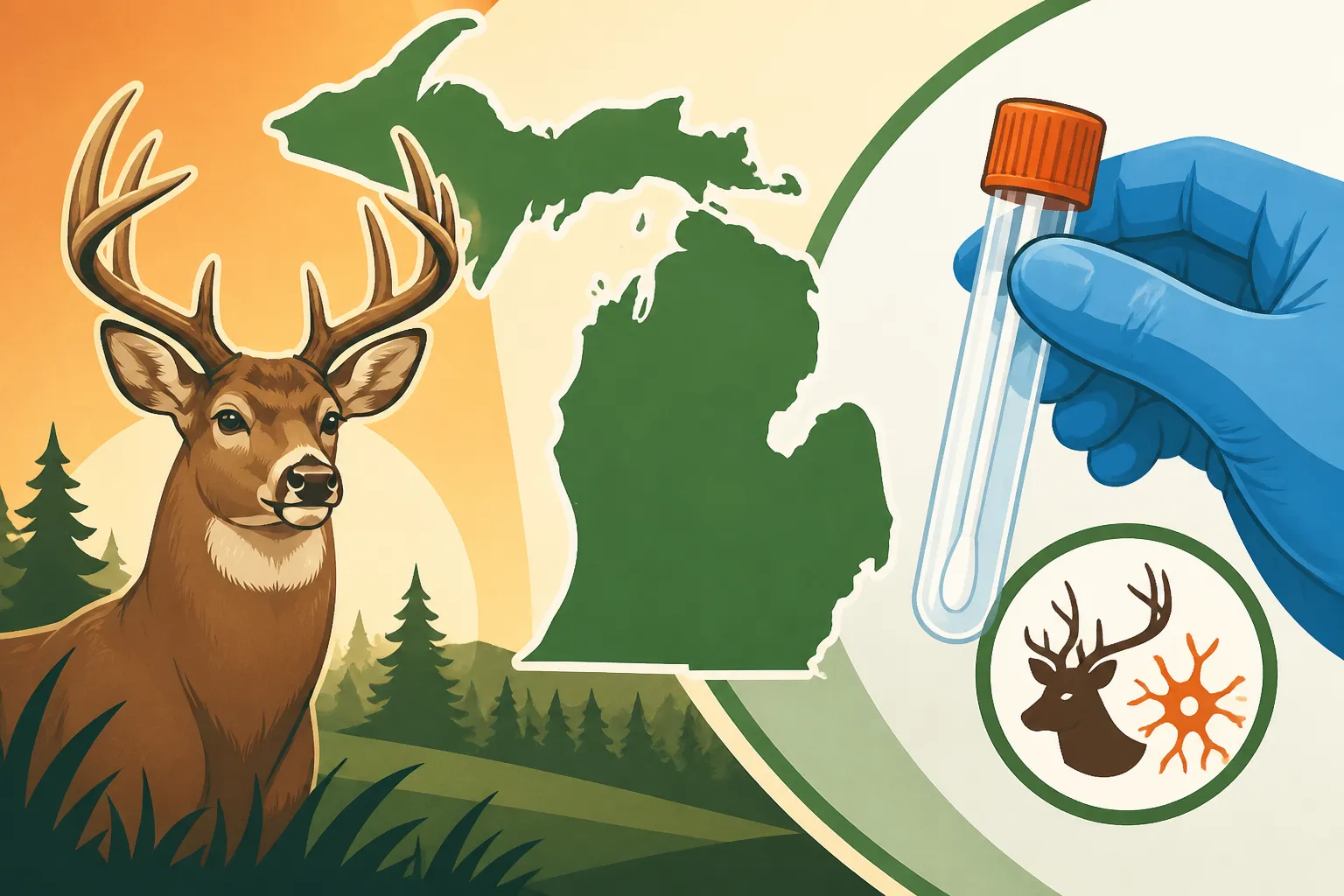
The sampling process itself is generally straightforward, whether you're at a staffed check station or using a drop box. For either method, you'll need to have your deer head, with at least a few inches of neck attached. The DNR collects lymph node samples from the deer's neck region. This tissue is then sent to a diagnostic lab for analysis. At a staffed station, DNR staff will handle the entire sampling process for you, providing you with a unique sample identification number that you'll use to track your results. This is often the quickest and most hassle-free method.
If you're using a drop box, you'll be responsible for properly tagging the head with the required information, including your name, hunting license number, date of harvest, and the specific location (county, township, section number) where the deer was taken. Detailed instructions are usually posted at each drop box. It's important to provide accurate information, as this is how you'll retrieve your results and how the DNR traces the disease. Also, be mindful of Michigan Carcass Transport Restrictions. Generally, in CWD Management Zones, you can't move whole carcasses or certain high-risk parts out of the zone until you've received a negative test result, or the parts have been properly processed and only venison, deboned meat, or clean skull plates are transported. This can significantly impact your plans, especially if you're taking your deer to a processor outside the immediate area.
| CWD Testing Scenario | Requirement | Collection Method | Key Considerations |
|---|---|---|---|
| Hunting in Mandatory CWD Zone | Mandatory | Staffed Check Station or Drop Box | Must submit head; follow carcass transport rules meticulously; failure to test can result in penalties. |
| Hunting Outside Mandatory Zone | Voluntary | Staffed Check Station or Drop Box | Highly recommended for peace of mind; contributes to DNR surveillance data; same carcass rules apply if transporting out of state. |
| Road-Killed Deer | Voluntary | Contact local DNR; sometimes collected | DNR may collect for surveillance; do not assume testing; follow reporting requirements for possession. |
| Deer Exhibiting CWD Symptoms | Mandatory | Contact DNR immediately | Do NOT harvest or consume; report to DNR for collection and testing; avoid direct contact. |
Interpreting Your CWD Test Results and Next Steps
The waiting game after submitting your deer head for CWD testing can be agonizing. You've put in the work, made the shot, and now there's this lingering question mark over your venison. Knowing how to get your results and what to do if the unthinkable happens is a critical part of being a responsible hunter in Michigan.
How to Check Your Results
After you've submitted your deer sample, whether at a staffed check station or a drop box, you'll be given a unique sample ID number. This number is your golden ticket to tracking your deer's CWD test results. The Michigan DNR typically posts results online, usually through a dedicated CWD results portal on their official website. You'll input your sample ID number, and the system will display your results. The turnaround time can vary depending on the volume of samples and the time of year, but during peak seasons, it can sometimes take a week or two. It's always a good idea to check the DNR's expected timeline when you submit your sample.
Some online hunting resources, like GoHunt, may also provide links or guidance to the DNR's results portal, simplifying your search. Don't be shy about checking frequently, especially if you're eager to get your venison processed. That moment of seeing "Negative" is a huge relief, allowing you to move forward with confidence in preparing your harvest for the freezer. This is an important step to include when considering your Michigan Harvest Report Deadline because you might be waiting on results before final processing.
What Happens if Your Deer Tests Positive
This is the news no hunter ever wants to hear. If your deer tests positive for CWD, the Michigan DNR will contact you directly. They will explain the results, answer your questions, and guide you through the next steps. It's a tough conversation, but the DNR staff are there to help. The primary recommendation for a CWD-positive deer is that the meat should not be consumed. While there's no confirmed link to human disease, the CDC's guidance is clear, and it's simply not worth the risk.
The DNR will also provide instructions on how to properly dispose of the carcass. This usually involves double-bagging the carcass and taking it to a designated landfill or rendering facility that can safely handle CWD-positive remains. It's crucial not to simply dump the carcass back into the environment, as this can further spread the prions. This can be a heartbreaking end to a hunt, especially after all the effort, but it's an essential action to protect the broader deer herd. Knowing that Chronic Wasting Disease in Michigan is a persistent threat makes these tough decisions all the more real.
Best Practices for CWD Prevention and Meat Handling
Beyond testing, there are several best practices hunters can adopt to minimize the risk of spreading CWD and ensure safe meat handling. First and foremost, if you're hunting in a CWD-affected area, consider field dressing your deer where it falls. This means leaving the "high-risk" parts – brain, spinal cord, spleen, and lymph nodes – at the kill site. Only transport the deboned meat, antlers, and clean skull plates out of the area. This aligns with the carcass movement restrictions mentioned earlier and significantly reduces the potential for spreading prions.
When Field Dressing a Deer in Cold Weather, or any weather, practice good hygiene. Wear gloves and clean your knives and equipment thoroughly with a bleach solution (1 part bleach to 10 parts water) after handling any deer, especially if you're processing multiple animals. Avoid cutting through the spinal column or brain if possible. For those who process their own meat, consider using a separate set of tools for CWD-risk areas. And always remember to report any deer you observe acting abnormally or appearing sick to the DNR immediately. This collective vigilance is our best defense against CWD and helps ensure the long-term health of our cherished Michigan deer.
Disclaimer
The information provided in this guide is for general informational purposes only and does not constitute legal advice. Hunting regulations and CWD management protocols are subject to change. Always consult the most current Michigan Department of Natural Resources hunting digests and official website for the exact rules, regulations, and testing requirements before heading afield.