Michigan Duck Season Dates by Zone
Figuring out Michigan's duck season dates can feel like trying to hit a teal flying across a marsh in a gale – confusing and frustrating, especially with multiple zones and specific species regulations. Many hunters, even seasoned ones, find themselves double-checking the regulations every year to ensure they're in the right place at the right time. This comprehensive guide is here to untangle all that complexity, breaking down Michigan's duck zones and their respective season dates so you can plan your hunts with confidence and spend less time scratching your head and more time in the blind.
Understanding Michigan's Waterfowl Zones: Why They Matter
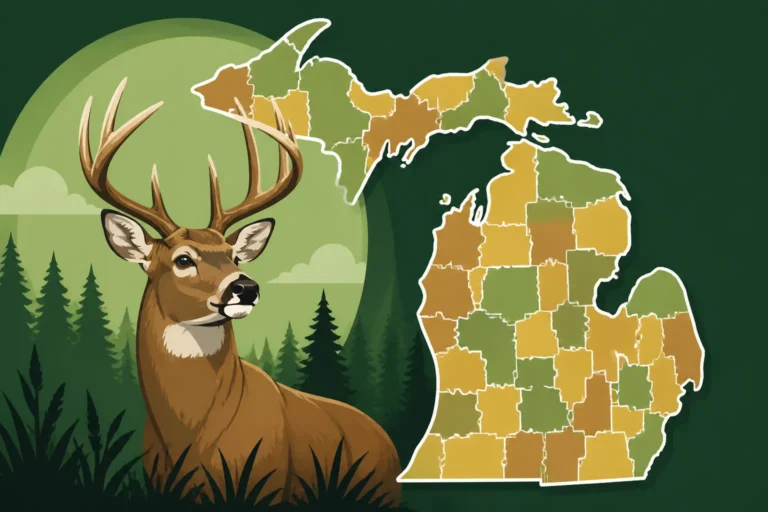
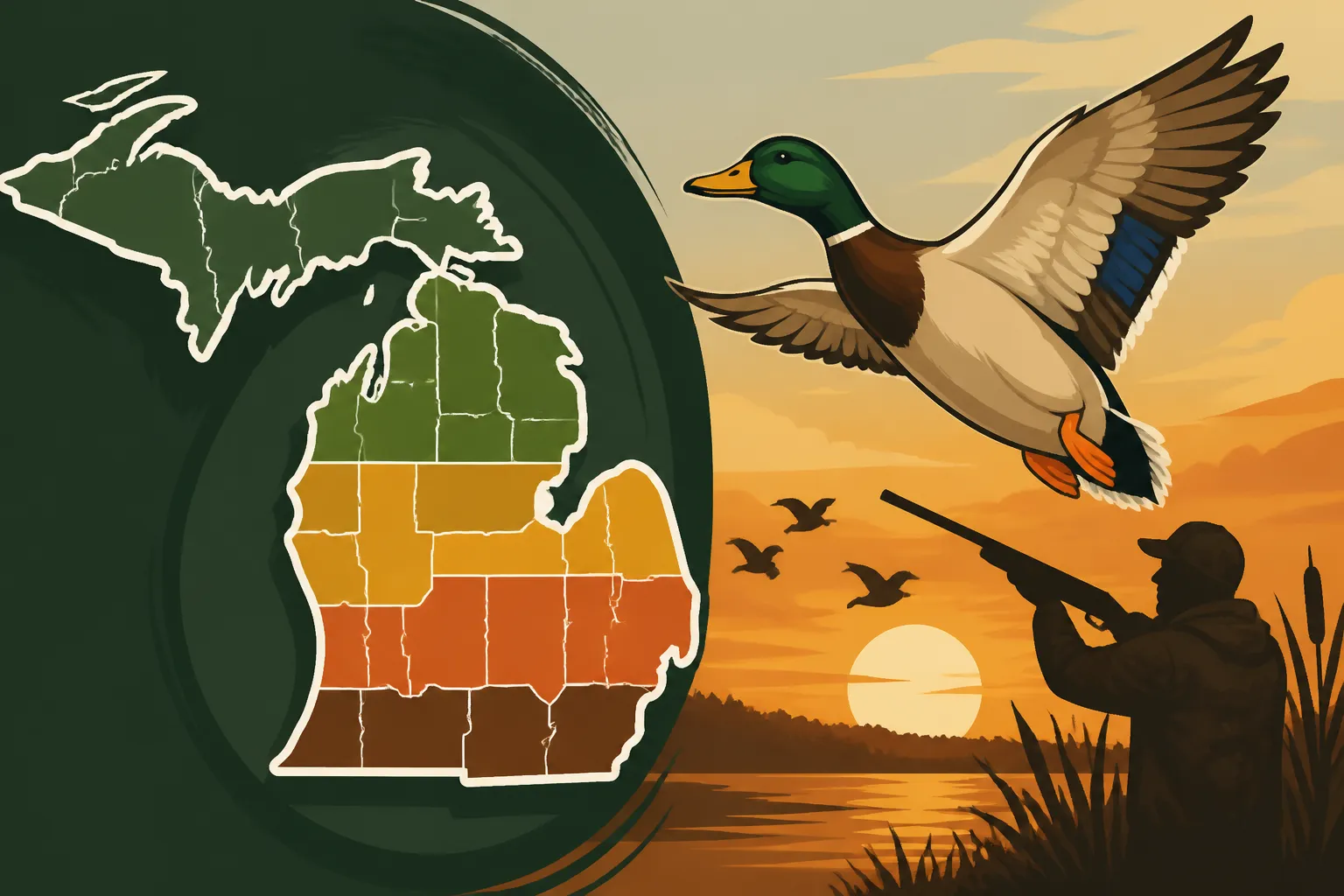
Michigan isn't just one big duck hunting ground; it's carved into three distinct waterfowl zones – North, Middle, and South – each with its own specific season dates for migratory birds. This zoning isn't arbitrary; it's a carefully calculated system based on historical data, average migration patterns, and climatic conditions that influence when ducks arrive, stay, and depart certain areas. Ignoring these zones or misinterpreting their boundaries can lead to a ruined hunt or, worse, a violation.
The Three Distinct Zones and Their Boundaries
Michigan's waterfowl zones are set up to reflect the natural progression of the waterfowl migration from north to south. Think of it like a rolling wave of birds moving down the state, with seasons opening in anticipation of their arrival in each region.
- The North Zone: This encompasses the entire Upper Peninsula and the northernmost tip of the Lower Peninsula. Generally, this zone includes all of the U.P. and then dips down slightly into the Northern Lower Peninsula along a line formed by US-10. This zone typically sees the earliest migrations and experiences colder weather and ice-up conditions sooner than the other zones. Hunters here often target early-migrating species like teal and wood ducks, followed by mallards and divers as the season progresses and lakes begin to freeze.
- The Middle Zone: Situated between the North and South Zones in the Lower Peninsula, this area often represents a transitional hunting experience. Its northern boundary is US-10, and its southern boundary is defined by a line running east-west, generally following the M-20 highway and then dropping south to include Saginaw Bay, stretching to the Lake Huron shore. This zone offers a blend of hunting opportunities, catching birds pushed out of the North Zone while still having a solid population of resident and early-arriving birds. It's often where hunters experience varied conditions, from mild early season weather to late-season freezes.
- The South Zone: This covers the majority of the Lower Peninsula's southern half, south of the Middle Zone boundary. This is often the last zone to freeze up, holding birds later into the year. Its rich agricultural lands and numerous inland lakes, rivers, and managed waterfowl areas attract and hold vast numbers of ducks throughout the season. Hunters in the South Zone often get to experience a longer season, with prime opportunities for field hunting geese and ducks in cut cornfields, as well as classic marsh and open water gunning.
It’s crucial to know exactly which county you’re hunting in and how it falls within these boundaries. A quick check on the Michigan DNR website or the GoHunt app can clarify any doubts, especially if you're hunting near a zone line.
Impact on Season Dates and Bag Limits
The primary reason these zones exist is to provide optimal hunting opportunities while managing waterfowl populations sustainably. Consequently, the season dates are staggered. The North Zone typically opens first and closes first, acknowledging its earlier freeze-up. The Middle Zone follows, and the South Zone usually has the latest opening and closing dates, reflecting its milder climate and later migrations.
Beyond the general duck season, there are also special seasons, like the early teal season, which can have specific dates that might vary slightly by zone or even be uniform across all zones, depending on the year's regulations. Understanding these nuances is critical for compliance and successful hunting. Bag limits, however, are usually statewide for specific species, though the cumulative daily bag limit for all ducks remains constant. For a deeper dive into how many ducks you can legally harvest, you can check out our guide on Michigan Duck Daily Bag Limit.
Navigating Michigan's Duck Season Dates by Zone
Now, let's get down to the brass tacks: the actual dates. Please remember that while these patterns are consistent year after year, the exact dates shift slightly depending on how the calendar falls. Always double-check the Michigan DNR's latest hunting digest for the current year.
North Zone Season Breakdown
The North Zone kicks off the Michigan duck hunting action, usually in late September. This early start capitalizes on the first waves of migrating birds, particularly those that breed further north in Canada.
Typically, the North Zone's regular duck season runs something like this:
- Early Teal Season: This special season often opens around September 1st for about 16 days. This is a fantastic opportunity to target the fast-flying blue-winged and green-winged teal before the general duck season even begins.
- Regular Duck Season: Usually opens around the last Saturday of September, running for approximately 45-50 days. This means it often closes sometime in mid-November.
Hunting in the North Zone often presents unique challenges. Early season can be warm, requiring light clothing and attention to meat care. As the season progresses, hunters here contend with rapidly dropping temperatures, often leading to early ice formation on smaller water bodies. This can concentrate birds on larger, still-open waters, but it also means hunters need to be prepared for harsh conditions and consider using gear suitable for Michigan Great Lakes Waterfowl Hunting in Michigan.
Middle Zone Season Breakdown
The Middle Zone's season typically opens a bit later than the North Zone, usually by about a week or so, and often runs for a longer duration, sometimes into early December. This extended season allows hunters to intercept birds moving down from the North Zone while also providing opportunities for later flights.
A typical Middle Zone schedule looks like this:
- Early Teal Season: Similar to the North Zone, often opening around September 1st for 16 days.
- Regular Duck Season: Generally opens the first Saturday of October, running for approximately 60 days, often closing in early December.
The Middle Zone is a fascinating area because it acts as a funnel for birds. Hunters might experience waves of northern-pushed ducks early on, followed by locally breeding birds, and then a final push of mallards, divers, and geese as winter sets in. The key here is adaptability, as conditions can change rapidly. One week you might be jump shooting a warm river, the next you're breaking ice to set decoys in a marsh.
South Zone Season Breakdown
The South Zone offers Michigan's longest duck season, reflecting its capacity to hold birds later into the winter. With its numerous agricultural fields, extensive wetland complexes like those managed in the Saginaw Bay area, and milder conditions, it's a prime destination for late-season waterfowl.
Here’s a general timeline for the South Zone:
- Early Teal Season: Again, typically September 1st for 16 days, similar to the other zones.
- Regular Duck Season: Often opens the second Saturday of October, running for approximately 70 days. This means the season can often extend well into early January, offering some fantastic cold-weather hunting.
The South Zone is where many hunters will experience diverse opportunities, from hunting potholes and small ponds to vast marshes and flooded agricultural fields. This area often sees large concentrations of mallards, black ducks, and Canada geese in the late season, especially in major flyway corridors. Using a reliable mapping tool, perhaps one integrated with services like GoHunt, can be invaluable for pinpointing prime locations and understanding land ownership. For those really serious about late-season birds, our guide on Field Hunting Geese in Southern Michigan offers specific tactics.
Here's a simplified table to help visualize the general season patterns for Michigan's duck zones. Remember, these are approximate and specific dates shift annually! Always check the current Michigan DNR digest.
| Zone | Early Teal Season (Approx.) | Regular Duck Season (Approx.) | Typical Duration | Prime Species |
|---|---|---|---|---|
| North Zone | Sept 1 – Sept 16 | Late Sept – Mid-Nov | ~45-50 days | Teal, Woodies, Mallards, Divers |
| Middle Zone | Sept 1 – Sept 16 | Early Oct – Early Dec | ~60 days | Mallards, Teal, Woodies, Divers |
| South Zone | Sept 1 – Sept 16 | Mid-Oct – Early Jan | ~70 days | Mallards, Black Ducks, Divers, Geese |
Note: These dates are generalized. Always consult the official Michigan DNR hunting regulations for the exact current year's dates.
Essential Requirements for Michigan Duck Hunters
Beyond knowing your zones and dates, there are crucial legal requirements and best practices that every Michigan duck hunter must adhere to. These aren't just bureaucratic hurdles; they are fundamental to wildlife conservation and safe hunting.
Michigan Hunting Licenses and Federal Duck Stamp
Before you even think about putting decoys out, you need to ensure all your paperwork is in order. This starts with your basic Michigan hunting license.
- Michigan Base License: This is your foundational license. Every hunter in Michigan needs one, regardless of what they're hunting. It covers small game and provides the eligibility to purchase additional stamps or licenses for specific species like deer, bear, or waterfowl. For detailed information on costs and options, check out Michigan Hunting Licences and What They Cost.
- Federal Migratory Bird Hunting and Conservation Stamp (Federal Duck Stamp): This is non-negotiable for anyone 16 years or older hunting migratory waterfowl. It’s a physical stamp you must sign across its face and carry with you. The revenue from these stamps goes directly to conserving wetland habitats, which benefits countless species, including the ducks you pursue. You can purchase this at most post offices, sporting goods stores, or online.
- Harvest Information Program (HIP) Certification: This is a free certification required annually for all migratory bird hunters in Michigan. It involves answering a few simple questions about your previous year's hunting success (or lack thereof). The data collected helps wildlife agencies manage migratory bird populations effectively. You can usually get HIP certified when you purchase your base license or duck stamp, or through the Michigan DNR's online system. Many hunters find platforms like GoHunt helpful for keeping track of these requirements and deadlines.
Missing any of these components can lead to a citation and ruin your hunt, so always double-check before heading out.
Understanding Bag Limits and Species Restrictions
Once you have your licenses and stamps, the next critical step is understanding what you can legally harvest. Michigan, like all states, has specific daily bag limits for ducks, and these often include species-specific restrictions.
- Daily Bag Limit: This is the total number of ducks you can shoot in a single day. While the total number might be, say, six ducks, this doesn't mean six of any duck.
- Species-Specific Restrictions: Within that total daily bag, there are often sub-limits for certain species. For example, you might be allowed only two mallards (with further restrictions on hen mallards), one pintail, two canvasbacks, or one black duck. These limits are put in place to protect species that are less abundant or more vulnerable. This is where your duck identification skills become paramount. You need to be able to identify your target accurately in flight, often in low light or challenging weather conditions, before you pull the trigger. Mistaking a protected species for a common one is a serious infraction. Our guide on Michigan Duck Daily Bag Limit delves into this in more detail.
It’s also important to note the possession limit, which is typically three times the daily bag limit. This refers to the maximum number of lawfully harvested birds you can have in your possession, including those at home, in your vehicle, or at a camp, after you've finished hunting for the day.
Waterfowl Zones and Migration Timing
Understanding the migration timing of waterfowl is arguably as important as knowing the season dates themselves. The two are intrinsically linked. The zones are designed to coincide with average migration patterns, but Mother Nature doesn't always read the calendar.
- Early Season (September/October): This period in all zones often sees local birds and early migrants like blue-winged teal, wood ducks, and some pintails. The weather is generally milder, and birds might be found on smaller waters or dabbling in flooded timber. Tracking Duck Migration Timing Through Michigan helps immensely.
- Mid-Season (Late October/November): This is often when the bulk of the northern-breeding ducks start pushing south. Mallards, gadwalls, wigeon, and various diving ducks become more prevalent. Cold fronts and strong winds from the north can trigger significant movements, making these prime times for hunting, especially in the Middle and South Zones. Keeping an eye on weather patterns and using tools like those offered by GoHunt to monitor bird reports can give you a significant advantage.
- Late Season (December/January): Primarily in the South Zone, this period is characterized by cold weather, potentially heavy ice, and large concentrations of hardy ducks like mallards, black ducks, and divers on remaining open water. Canada geese are also a major target during this time, often feeding in agricultural fields. Our comprehensive article on Michigan Waterfowl Migration Timing goes deeper into these seasonal movements.
Strategies for Maximizing Your Michigan Duck Season
With the legalities and timings understood, let's talk strategy. Successful duck hunting in Michigan isn't just about showing up; it's about being prepared, adaptable, and understanding the birds.
Scouting and Adaptability Across Zones
Ducks are creatures of habit, but those habits are heavily influenced by changing conditions. Effective scouting is your most potent weapon.
- Pre-Season Scouting: Before the season even opens, spend time observing local water bodies. Look for preferred roosting areas, feeding locations (especially flooded timber, wild rice beds, or agricultural fields), and flight paths. Note water levels, available food sources, and potential blind locations. This early reconnaissance helps you form a game plan before the pressure sets in. For general public land scouting tips, refer to our article on Scouting Michigan Public Land Before Season.
- In-Season Adaptability: Once the season starts, conditions can change daily. A sudden cold snap might push birds south, or a heavy rain might flood new feeding areas. Be willing to move. Don't commit to a single spot if the birds aren't there. Keep an eye on weather forecasts, talk to other hunters (respectfully, of course), and spend time driving secondary roads to spot birds on new waters. Using a robust mapping app on your phone, perhaps one that integrates with a service like GoHunt, can help you quickly identify potential new spots and landowner boundaries if you're looking at private land.
- Understanding Pressure: Public land, especially in Michigan's popular waterfowl areas, can get a lot of pressure. Knowing when and where other hunters are likely to be can help you find less-pressured areas or adjust your timing. Often, the birds will use different areas during hunting hours than they do at night.
Gear Considerations for Michigan Waterfowl
Michigan's diverse waterfowl hunting scenarios demand specific gear, especially when contending with varied weather and water conditions.
- Waders and Boots: Good quality waders are non-negotiable. Whether you're setting decoys in a shallow marsh or retrieving birds from an icy river, you need to stay dry and warm. Neoprene waders are excellent for colder weather, while breathable models are better for warmer early season hunts. Proper insulated boots are also critical, particularly for standing in cold water for extended periods. Our guide on Waders and Boats for Michigan Marshes offers some key insights.
- Decoys and Calls: Your decoy spread should match the species you're targeting and the water you're hunting. A mix of mallards, wood ducks, and perhaps some teal is common for inland waters. For big water hunting, diver spreads become crucial. Practice your calling! Knowing when to use a highball, a greeting call, a feed chuckle, or a lonesome hen call can make all the difference.
- Non-Toxic Shot: This is a federal requirement for all migratory bird hunting across the United States. You cannot use lead shot for ducks, geese, or other migratory birds. Steel shot is the most common and affordable option, but alternatives like bismuth or tungsten are available and offer superior performance at a higher cost. Make sure you know Where Nontoxic Shot Is Required in Michigan and always comply.
- Boats and Blinds: Depending on where you hunt, a boat might be essential for accessing remote areas, setting large decoy spreads, or retrieving birds. Layout boats are specialized for open water hunting on the Great Lakes, while Jon boats are versatile for marshes and rivers. For blinds, portable panel blinds, natural cover, or even permanent structures on private land are common.
Public Land Access and Managed Hunts
Michigan boasts an incredible amount of public land, much of which offers waterfowl hunting opportunities. However, some of the best spots are managed waterfowl areas that operate under specific rules and drawings.
- Michigan Managed Waterfowl Areas: Areas like Pointe Mouillee, Nayanquing Point, and Fish Point are renowned for their incredible waterfowl hunting. These areas are intensively managed for waterfowl habitat and often feature daily drawings for hunting spots. Getting a spot in a drawing is often the golden ticket to a productive hunt. Our guide on Michigan Managed Waterfowl Areas provides a deeper look at these prime locations.
- Applying for Draws: To hunt these managed areas, you typically need to apply for a drawing, often in advance, or participate in a walk-in drawing on the day of the hunt. The odds can be tough, but the rewards are often worth the effort. It's important to understand the application process and deadlines, which you can read about in Applying for a Michigan Waterfowl Draw.
- General Public Lands: Beyond the managed areas, Michigan's vast state forests, state game areas, and national forests offer ample opportunities for duck hunting on lakes, rivers, and smaller wetlands. These areas typically don't require drawings but can be harder to scout and might see more hunting pressure. Being creative with access, walking further, or utilizing smaller, less obvious water bodies can yield great results. For those looking to hunt the larger bodies of water, our article on Michigan Waterfowl on the Great Lakes provides specific considerations for big water hunting.
Michigan offers incredible duck hunting, but it requires diligent preparation, a solid understanding of the regulations, and an adaptable approach to changing conditions. By mastering the zone dates, fulfilling your licensing requirements, and employing smart hunting strategies, you’ll be well on your way to a memorable and successful season.
Disclaimer
Please note: Hunting regulations and season dates are subject to change. Always consult the official Michigan Department of Natural Resources (DNR) hunting digests and regulations for the most current and accurate information before planning your hunt.