Snowshoe Hares in Northern Michigan
There's nothing quite like the crunch of fresh snow underfoot, the crisp, clean air filling your lungs, and the anticipation of seeing that flash of white against the evergreens. But if you've ever tried to hunt snowshoe hares in northern Michigan, you know it's not always a straightforward affair. These elusive creatures are masters of camouflage, and their preferred habitats are often dense, challenging environments that can leave even seasoned hunters scratching their heads. This comprehensive guide will delve deep into the world of Michigan's snowshoe hares, helping you understand their behavior, habitats, and the most effective strategies for finding and hunting them in our beautiful, snowy landscapes.
The Elusive Snowshoe Hare: A Northern Michigan Staple
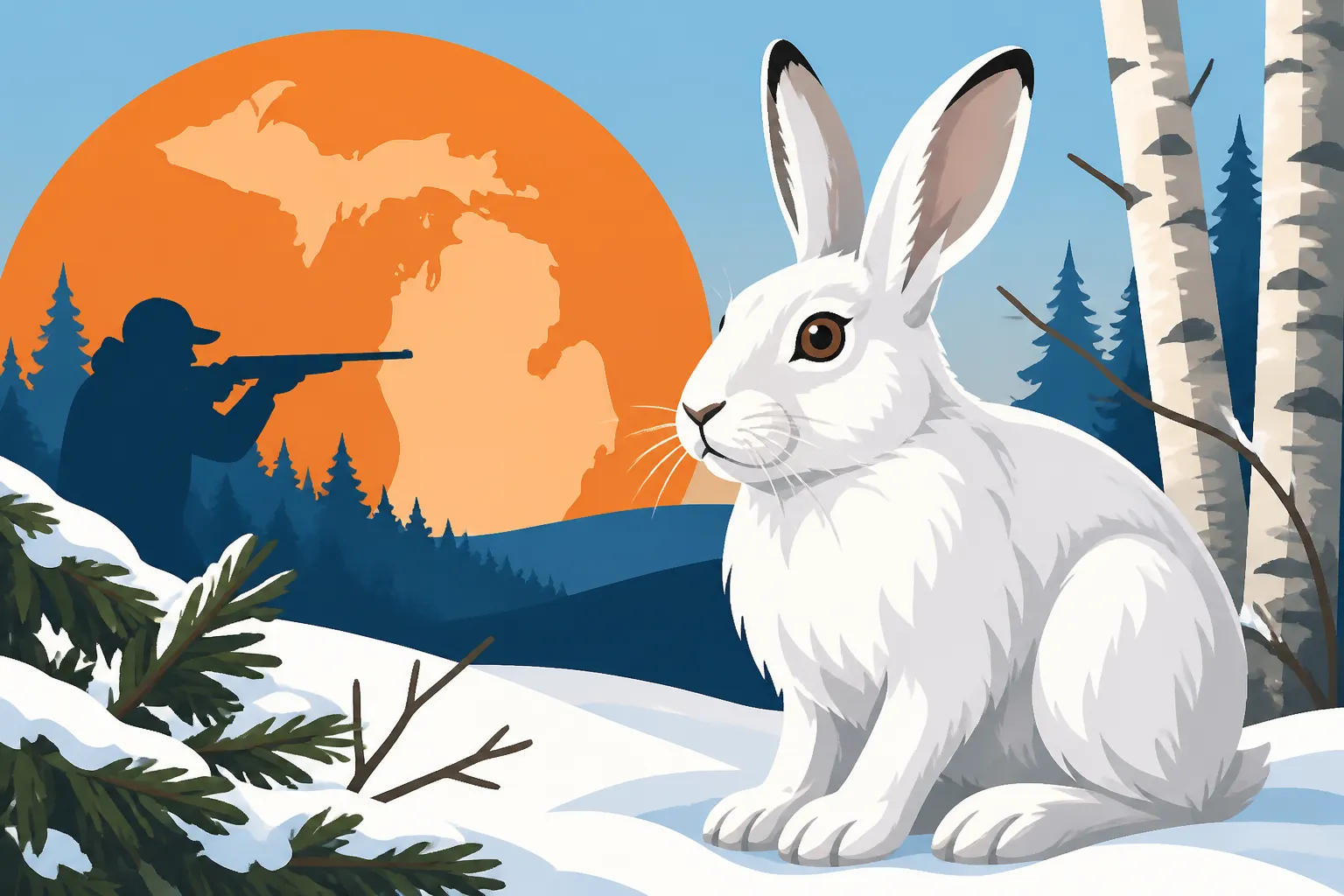
The snowshoe hare, with its oversized hind feet and incredible seasonal camouflage, is a true icon of Michigan's northern wilderness. Often mistaken for a large rabbit, these fascinating creatures are perfectly adapted to survive and thrive in our challenging winters. For many hunters, chasing snowshoes with a good pack of beagles is a time-honored tradition, a way to extend the hunting season and enjoy the solitude of the snowy woods. However, even without dogs, the thrill of still-hunting for a "swamp bunny" offers a unique and rewarding challenge.
Where Snowshoes Call Home: Preferred Habitats
Snowshoe hares aren't just found anywhere; they have very specific taste in real estate. Their ideal habitat is typically characterized by dense, thick cover that offers both protection from predators and a ready food supply. Think about the kind of places you wouldn't necessarily want to walk through on a sunny summer day – that's often prime hare country.
Specifically, you'll find them in dense conifer stands, particularly young cedar swamps, spruce thickets, and regenerating aspen or fir cuts. These areas provide the perfect blend of horizontal cover, where they can escape the keen eyes of owls and hawks from above, and tangled underbrush to thwart ground predators like coyotes and bobcats. The thick branches, often laden with snow, create a protected ceiling, insulating them from biting winds and heavy snowfall. This dense vegetation also offers them a constant source of browse, their primary food source, even when other forage is buried deep under snow. Understanding these habitat preferences is key to your scouting efforts. Instead of simply wandering, focus on identifying these specific types of cover, especially in the vast expanses of our state forests, like those found when you're Hunting the Michigan Upper Peninsula for Deer or in the northern Lower Peninsula. Areas with a mix of mature timber and dense, young growth are often transitional zones that hares will utilize as well, especially near the edges where they can quickly dive into cover.
A Creature of the Night: Hare Behavior and Diet
While you might occasionally jump a snowshoe hare during the day, they are primarily crepuscular and nocturnal animals, meaning they are most active during dawn, dusk, and throughout the night. This is when they venture out from their dense cover to feed, minimizing their exposure to daylight predators. During the day, they often "form" shallow depressions in the snow or ground, nestled against logs, under low-hanging branches, or within the densest part of a thicket, relying on their incredible camouflage to remain undetected. Disturbing a hare from its form can be quite startling, as they often explode from cover with surprising speed.
Their diet is largely vegetarian and shifts with the seasons. In warmer months, they'll munch on a variety of grasses, clover, forbs, and berries. However, as soon as the snow flies and plant matter becomes scarce, they switch almost exclusively to woody browse. This includes the bark, twigs, and buds of young conifers like cedar, spruce, and fir, as well as deciduous species such as aspen, willow, and birch. You can often spot their presence by looking for tell-tale clipped twigs with a clean, angled cut, especially noticeable on young saplings within their preferred habitat. Observing these feeding signs can be a real indicator of hare activity, allowing you to narrow down your hunting efforts to areas where they are actively browsing. Knowing their nocturnal habits also informs hunting strategies, suggesting that hunting during those early morning or late afternoon hours might increase your chances of encountering an active hare.
Nature's Camouflage Master: The Seasonal Color Change
Perhaps the most remarkable adaptation of the snowshoe hare is its ability to change its coat color with the seasons. This isn't just a slight fade; it's a dramatic transformation that allows them to blend almost perfectly into their environment, a crucial survival mechanism in a landscape dominated by snow for much of the year.
Why Michigan Hares Turn White: The Science Behind the Switch
As the days shorten and the ground begins to freeze in Michigan, a fascinating biological process kicks into gear for the snowshoe hare. Triggered by the decreasing daylight hours (photoperiod), their bodies begin to produce new fur that is entirely white, replacing their summer brown coat. This isn't a single event; it's a gradual process that usually takes several weeks, often starting around late October or early November and completing by mid-December, depending on the specific weather patterns. This transformation is so effective that a hare hunkered down in fresh snow can virtually disappear before your eyes, a ghostly presence against the white backdrop.
This genetic marvel is a direct response to evolutionary pressures. In a landscape blanketed by snow for months, a brown hare would stand out like a sore thumb, an easy target for keen-eyed predators. The white coat provides crypsis, or camouflage, making it incredibly difficult for red foxes, coyotes, bobcats, great horned owls, and goshawks to spot them. It's not just about blending in; it's about survival. Without this incredible adaptation, the snowshoe hare population would undoubtedly face much higher predation rates, impacting their overall numbers and distribution throughout the northern reaches of our state. The timing of this change is critically important, and it’s something that has been studied extensively, revealing the intricate dance between an animal’s biology and its environment. This transition can be a real challenge for hunters who might be out during the in-between stages, as the hare might be part white and part brown, making them briefly easier to spot against mixed backdrops before the full winter coat develops.
The Camouflage Mismatch: Challenges of a Changing Climate
While the snowshoe hare's camouflage is a wonder of nature, it's also a system finely tuned to historical climatic norms. The problem arises when those norms start to shift. In recent decades, Michigan, like many northern states, has experienced increasingly unpredictable autumns and springs. We might get early snowfalls that melt away, or unseasonably warm periods in December that leave the ground bare for weeks. This creates a critical "camouflage mismatch" for the hares.
Imagine a hare that has already begun or completed its switch to a bright white coat, only for the snow to melt, leaving a brown forest floor. Suddenly, that perfect white camouflage becomes a glaring beacon, making the hare incredibly vulnerable to predators. Conversely, if snow arrives earlier than the hare's biological clock anticipates, a brown hare against a white background faces the same deadly disadvantage. These periods of mismatch can lead to significant increases in predation rates, putting pressure on hare populations, especially in the southern fringes of their range where snow cover is less consistent. This environmental challenge highlights how delicate ecological balances are and how vulnerable species can be to rapid climatic changes. Organizations like GoHunt are starting to provide resources that might help hunters and wildlife enthusiasts track these environmental changes, allowing for more informed decisions about when and where to pursue small game, or simply appreciate the wildlife. The Michigan Winter Severity Index and What It Means is another important factor that can greatly influence hare survival, as prolonged periods of deep snow can limit access to food, even for these well-adapted animals.
Hunting Snowshoes in the Michigan Northwoods
Hunting snowshoe hares is a quintessential northern Michigan experience, offering a blend of quiet solitude and exhilarating action. Whether you prefer the contemplative pace of still-hunting or the energetic pursuit with hounds, the challenge and reward are uniquely satisfying.
Still-Hunting Through the Thickets: Solo Tactics
For many, still-hunting for snowshoes is a deeply personal and immersive experience. It's about slowing down, tuning into the subtle rhythms of the forest, and engaging your senses. This method is particularly effective if you enjoy scouting and the quiet challenge of spotting game. The key to successful still-hunting is patience and meticulous observation. Hares, even when white, aren't perfectly invisible; you're looking for an anomaly in the landscape – a dark eye, an ear tip, or the subtle outline of a form tucked against a log or under a thick cedar bough.
You'll want to move incredibly slowly, often pausing for several minutes at a time to scan the dense cover. Use binoculars to pick apart tangles of branches and undergrowth, looking for any hint of white or movement. Focus on the low-lying areas, especially where thick evergreen cover meets more open deciduous stands, or along the edges of old clearcuts. Remember, hares typically won't run until you're quite close, so you need to be ready for a sudden flush and a quick shot. Dress in layers, as you'll be alternating between periods of intense movement and quiet stillness, and ensure your footwear is up to the task of traversing deep snow and tangled terrain. Don't forget that if you're out there, you still need to adhere to Michigan Hunter Orange Rules, even for small game.
Beagles on the Trail: The Joy of a Hare Drive
There's a reason beagles and snowshoe hares are synonymous in the hunting world – their partnership is truly legendary. The melodic baying of a beagle on a hot hare trail is a sound that stirs the soul of any small game hunter. This method is more active and social, often involving a small group of hunters positioned strategically while the dogs work the cover. Beagles are perfectly suited for this task: their relentless drive, incredible scenting ability, and smaller stature allow them to navigate the dense thickets that hares call home, pushing the hares in predictable circles.
When a beagle strikes a track, the hare will typically run a large circle, often returning to the general area where it was jumped. This is where the hunters come in. Positioning yourselves quietly around the perimeter of a known hare haunt, or along natural funnels, allows you to intercept the hare as it circles back. Communication is key in a group hunt. Keep track of where the dogs are and where the hare seems to be headed. This is not about shooting a hare on the run immediately after it's jumped by a dog; it's about waiting for the hare to loop back, often pausing, offering a cleaner, safer shot. For more specific guidance on this exhilarating method, be sure to check out our detailed guide on Running Beagles on Michigan Snowshoe Hares. The camaraderie of a beagle hunt, sharing stories and coffee while listening to the hounds work, is as much a part of the experience as the harvest itself.
Best Times and Conditions: Maximizing Your Chances
Timing and weather play a huge role in snowshoe hare hunting success. While they can be hunted throughout their open season, which often runs from mid-September through March in Michigan, certain periods and conditions are undeniably better. The absolute prime time usually kicks in once consistent snow cover arrives and holds. This not only makes their white camouflage effective (and therefore easier for you to spot if there's a mismatch) but also simplifies tracking.
A fresh snowfall, especially a few inches overnight, can be a game-changer. It provides a clean slate for tracks, making it much easier to identify active areas and follow trails, especially if you're still-hunting. Overcast days without strong winds are often ideal, as hares may be a bit more active, and the flat light can reduce harsh shadows, making spotting easier. Avoid extremely windy days, as hares will often hunker down, and the noise of the wind can make it difficult to hear dogs or detect subtle movements. Early morning and late afternoon are generally the most productive hours, aligning with the hares' natural crepuscular activity patterns. For specific season dates and regulations, always consult the Michigan DNR website or review our comprehensive guide on Michigan Small Game and Furbearer Seasons. Remember, a successful hunt isn't just about bagging game; it's about enjoying the full experience of being in Michigan's winter wonderland.
Gear Up for the Chase: Essential Equipment for Hare Hunters
Hunting snowshoe hares, especially in the challenging northern Michigan winter environment, requires the right gear. It's not just about what you carry to take a hare, but also what keeps you warm, safe, and able to navigate the dense, snowy terrain.
Shotguns and Ammunition: Fast Action in Tight Cover
When it comes to firearms for snowshoe hares, the shotgun is king. The fast, close-range flushes in thick cover demand a spread of shot, and a shotgun delivers just that. Most hunters opt for a 12-gauge or 20-gauge, with the latter often preferred for its lighter weight and slightly less recoil, which can be appreciated during a long day of walking. Open chokes, like Improved Cylinder or Modified, are ideal for the close-quarters shooting you’ll encounter. A full choke will often pattern too tightly, leading to missed shots or excessively damaged game.
For ammunition, 7 ½ or 6 shot is generally preferred. These sizes offer a good balance of pellet count and energy to dispatch hares humanely without over-penetrating or causing excessive damage to the meat. Carrying a few extra shells is always a good idea, as hares can offer multiple chances, or you might find yourself needing to dispatch another small game animal you stumble upon. The rapid, unpredictable nature of a flushing hare means you need a shotgun you can shoulder quickly and swing smoothly through the brush. Remember, even though it's small game, accuracy and ethical shots are paramount.
Clothing and Footwear: Staying Warm and Dry in the Snow
Michigan winters are no joke, and staying warm and dry is absolutely crucial for an enjoyable and safe hare hunt. Layering is your best friend. Start with a moisture-wicking base layer (synthetics or merino wool are excellent) to pull sweat away from your skin. Add a mid-layer for insulation, like fleece or a puffy jacket. Your outer layer should be windproof, water-resistant, and tough enough to withstand pushing through thick brush. Many hunters wear specialized brush pants, as detailed in our guide on Rabbit Hunting Thick Michigan Brush, to protect against thorns and abrasions.
Footwear is arguably the most important piece of gear. You'll be walking through deep snow, potentially wet conditions, and over uneven terrain. Insulated, waterproof boots are non-negotiable. Look for boots with good ankle support and aggressive tread for traction. Brands like Schnee's, Kenetrek, or even a solid pair of LaCrosse rubber boots can make a huge difference. Consider carrying gaiters to keep snow out of your boots and lower pant legs. Warm, moisture-wicking socks (wool is excellent) are also key. Don't skimp on quality here; cold, wet feet can quickly ruin a hunt and lead to dangerous situations. For more detailed advice on choosing the right footwear, refer to our article on Boots for Michigan Swamps and Snow.
Navigation and Safety: Knowing Your Way Around
Hunting dense cover, especially in winter, can quickly disorient you. A reliable navigation system is not just helpful; it's a safety essential. While GPS units are great, modern smartphone apps like onX Hunt or GoHunt offer incredibly detailed maps with public/private land boundaries, topo lines, and satellite imagery that can be invaluable. Always download offline maps before heading out, as cell service is often nonexistent in remote northern Michigan areas. Carry a portable power bank for your phone, as cold weather drains batteries rapidly.
Beyond navigation, a basic safety kit is always wise. This includes a small first-aid kit, a whistle, a headlamp (even if you plan to be out during the day, things can change quickly), and fire-starting materials. Let someone know where you're going and when you expect to return. Hunting in Michigan's winter environment demands respect for the elements and preparedness for the unexpected. When planning your trips, remember to consult tools like GoHunt for mapping and public land identification. Understanding Michigan's vast public land options, especially in the Michigan State Forest Hunting areas, is crucial for finding accessible hare habitat. Always check Reading Michigan State Land Boundary Signs to ensure you're hunting legally and respectfully.
Conservation and Challenges: Sustaining Michigan's Snowshoe Hare Population
Snowshoe hares are a vital part of Michigan's northern ecosystem, serving as a primary food source for a multitude of predators. Understanding the factors that influence their populations is key to ensuring their long-term health and availability for future generations of hunters.
Predator Pressure and Population Cycles
Snowshoe hare populations are famously cyclical, experiencing dramatic boom-and-bust periods roughly every 8 to 11 years. These cycles are intrinsically linked to predator populations. When hare numbers are high, predator populations (like bobcats, lynx, coyotes, and various raptors) thrive due to abundant food. As predator numbers increase, they exert greater pressure on the hares, eventually causing hare populations to decline. With fewer hares, predator numbers then decline due, leading to less predation pressure and allowing the hare population to rebound, thus restarting the cycle.
This natural ebb and flow is a classic example of predator-prey dynamics in action. While hunters do harvest hares, their impact on the overall population cycle is generally considered minor compared to that of natural predators. The health of the broader ecosystem, including the presence of healthy predator populations, is a strong indicator of a resilient hare population. For hunters, understanding these cycles can help manage expectations; some years will simply be better than others for finding abundant hares. The Michigan DNR continuously monitors these populations, along with other small game and furbearers, to ensure sustainable harvest opportunities and ecological balance.
Habitat Management for Hare Health
Beyond the natural predator-prey cycles, habitat quality is a critical factor in sustaining healthy snowshoe hare populations. As discussed earlier, hares rely heavily on dense, young conifer stands and regenerating clearcuts for survival. Much of Michigan's forested landscape, especially in the northern Lower Peninsula and the Upper Peninsula, is actively managed, often with timber harvesting. This management can be a double-edged sword for hares.
While mature, open forests offer little to a snowshoe hare, proper timber harvest techniques that create early successional habitats (young forests) can be incredibly beneficial. For instance, clearcutting practices, when followed by natural regeneration or replanting of conifers and fast-growing deciduous trees like aspen, create the ideal dense, low-growing cover that hares need for food and protection. The challenge lies in ensuring a continuous supply of these suitable habitats across the landscape, as young stands eventually grow too tall and open. Wildlife managers, often working with state and national forest services, strive to implement logging rotations that provide a mosaic of different-aged forest stands, including plenty of "young and brushy" areas specifically beneficial for species like snowshoe hares and ruffed grouse. Without this proactive habitat work, even if predator populations were low, hare numbers would struggle to thrive due to lack of suitable living space.
The Future of Snowshoe Hares in a Warming Climate
As we touched upon with the camouflage mismatch, the long-term outlook for snowshoe hares in Michigan is increasingly tied to the broader issue of climate change. Their unique adaptation to snow-covered environments makes them particularly vulnerable to shifts in weather patterns, specifically reduced snow duration and depth. A shorter snow season, or seasons with inconsistent snow cover, directly impacts their survival rates by exposing white-coated hares to a brown landscape, or vice-versa.
Beyond the camouflage issue, warming temperatures can also indirectly affect hare populations by altering the plant communities they rely on for food and cover. As the climate shifts, the distribution of certain conifer and deciduous species might change, potentially reducing the availability of preferred browse in critical areas. Moreover, severe winter conditions, as seen in previous years, can also have a profound impact. While hares are tough, prolonged periods of deep snow can make it difficult for them to access food, potentially leading to lower survival rates, as detailed in our analysis of Hunting Deer in Deep Upper Peninsula Snow. This vulnerability means that monitoring snowshoe hare populations and their habitats becomes even more critical. Researchers are actively studying these impacts to better understand how to mitigate the challenges and ensure that the distinctive white flash of a snowshoe hare remains a cherished sight in Michigan's winter wilderness for generations to come.
Disclaimer
Please ensure you consult the latest Michigan Department of Natural Resources (DNR) regulations and guidelines before planning any hunting trip. Seasons, bag limits, and specific rules can change annually, and it is the hunter's responsibility to be fully aware of and comply with all current laws.