When Michigan Bucks Shed Antlers
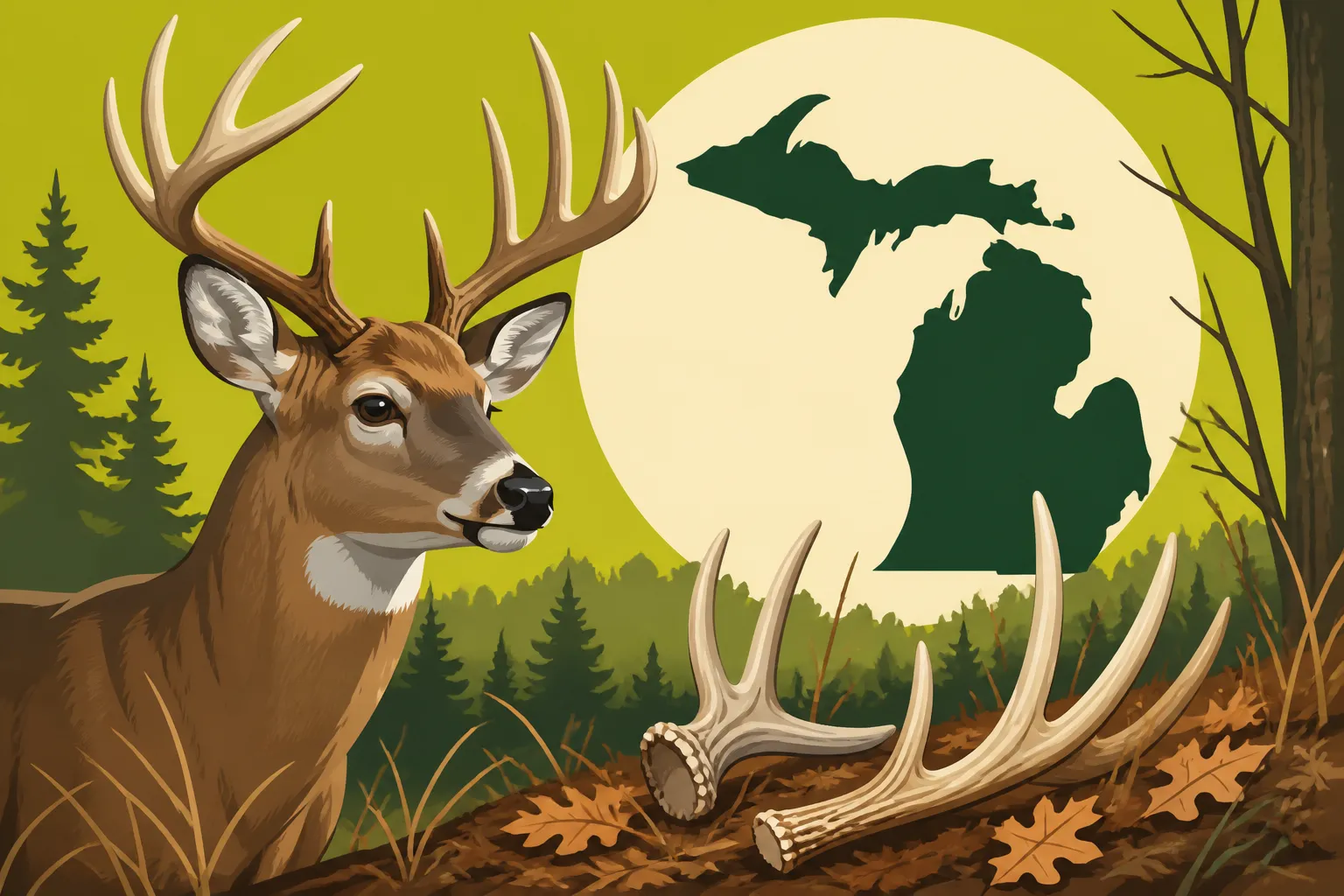
It's a question every Michigan deer hunter and outdoor enthusiast ponders as winter truly settles in: When do those magnificent Michigan bucks finally drop their antlers? The mystery of shed season can be both frustrating and exciting, especially when you're itching to get out and find those prized pieces of bone before they're gone or damaged. Understanding the complex interplay of biology, environment, and individual buck health is key to timing your search. This guide will walk you through the factors that determine when Michigan bucks shed their antlers and offer practical advice for a successful shed hunt.
The Biological Rhythms of Antler Shedding in Michigan
The annual process of antler growth and shedding is one of nature's most incredible feats, a testament to the whitetail buck's unique biology. For Michigan hunters, knowing this cycle intimately isn't just for bagging a buck in the fall; it's crucial for understanding when those prized sheds might hit the forest floor. It’s not a simple flip of a switch; it’s a gradual, hormonally-driven event.
The Annual Cycle of Antler Growth and Drop
Every year, like clockwork, Michigan bucks begin to grow new antlers in the spring, typically starting in April or May. This growth phase is fueled by an abundance of protein and minerals in their diet and is orchestrated by a delicate balance of hormones, primarily testosterone. As summer progresses into early fall, the antlers harden, and the velvet covering them dries up and is rubbed off in preparation for the rut. This is a time of peak testosterone, driving their breeding behavior and making them formidable competitors.
Once the frantic breeding season, or "the rut," winds down in late November and early December, a significant physiological shift begins. The buck's testosterone levels, which were sky-high, start to plummet. This decrease in testosterone is the primary trigger for antler shedding. Without high testosterone, the connection between the antler pedicle (the bony base on the skull) and the antler itself weakens. Specialized cells called osteoclasts begin to reabsorb bone at this junction, creating a natural fracture line. When this process is complete, the antler simply detaches.
Why Bucks Shed Their Antlers
Shedding antlers isn't just a random event; it's a vital part of the whitetail's survival strategy and reproductive success. Antlers are a temporary organ, designed for a specific purpose: competition during the rut. They're heavy, energy-intensive to grow, and after the breeding season, they become a liability. Carrying around massive racks can make it harder to move through thick cover, draw unwanted attention from predators, and require a lot of energy to maintain during the lean winter months.
By shedding their antlers, bucks free themselves from this burden, allowing them to conserve precious energy during Michigan's often harsh winters. This conserved energy can then be redirected towards basic survival and recovery, setting the stage for optimal antler growth the following spring. It’s a complete annual reset, ensuring that each year’s rack is a fresh reflection of the buck’s current health and genetic potential. This cyclical process highlights the incredible adaptability of white-tailed deer in ecosystems like ours.
Factors Influencing Shedding Timing
While the plummeting testosterone is the ultimate biological trigger, the exact moment a Michigan buck drops its antlers isn't universally fixed. Many interconnected factors can influence whether a buck sheds early, right in the heart of winter, or holds onto his headgear longer into the spring. Understanding these variables is key to predicting when you might find those sheds.
Individual Buck Health and Age
One of the most significant influences on shedding timing is the individual health and age of the buck. Older, more mature bucks, particularly those that were highly active during the intense period of Hunting the Michigan Rut in November, tend to shed their antlers earlier than younger bucks. The rut is incredibly taxing; bucks expend immense amounts of energy chasing does, fighting rivals, and often neglecting their own nutritional needs. This intense physical exertion and subsequent energy drain lead to a faster drop in testosterone, prompting an earlier shed.
Conversely, younger bucks, or those that didn't participate as heavily in the rut, often hold onto their antlers longer. They might not have experienced the same level of stress and energy depletion, allowing their testosterone levels to decline more gradually. A buck that suffered an injury during the rut or winter could also shed early, as its body prioritizes healing over holding onto non-essential bone. Think of it as the body’s way of saying, "Alright, rut's over, time to recover!"
Environmental Stressors and Weather
Michigan's famously unpredictable winters play a massive role in when bucks shed. A severe winter, characterized by deep snow, prolonged cold temperatures, and limited food availability, can accelerate the antler drop across the deer herd. When bucks are constantly battling the elements and struggling to find sustenance, their bodies enter survival mode. Energy conservation becomes paramount, and shedding heavy antlers is an easy way to reduce the physiological load. You can see how the Winter Severity Index and What It Means directly impacts this.
Conversely, a mild winter with plenty of accessible forage and less extreme cold can lead to bucks holding their antlers later into the season. If a buck isn't under significant environmental stress, its body doesn't have the same urgent need to shed. This can sometimes lead to bucks carrying their antlers into late March or even early April in some parts of the Lower Peninsula, though this is less common, especially in the more challenging conditions of the Upper Peninsula where Hunting Deer in Deep Upper Peninsula Snow is a reality.
Nutrition and Herd Health
The availability and quality of nutrition directly correlate with a buck's overall health and, consequently, when it sheds its antlers. In years with abundant Late-Season Food Sources for Whitetails, such as a strong acorn crop, lush brassica fields, or accessible agricultural residues, bucks are in better condition going into winter. Well-fed bucks can sustain their body condition and hormonal balance longer, leading to a later shed.
However, in years following a poor mast crop or in areas with high deer densities that lead to overbrowsing, bucks enter winter in poorer nutritional shape. This lower body condition triggers a more rapid decline in testosterone, resulting in an earlier antler drop. Furthermore, the overall health of the local deer herd can be a factor. A herd experiencing disease outbreaks or widespread nutritional deficiencies might exhibit earlier and more uniform shedding patterns. This makes sense: a weaker deer needs to get rid of unnecessary weight faster to survive.
Where to Find Shed Antlers in Michigan
Finding shed antlers isn't just about knowing when they drop; it's about knowing where to look. Bucks don't just randomly lose their antlers anywhere; they often shed in specific areas where they spend their time during the late winter and early spring. Thinking like a deer at this time of year is your biggest advantage.
Key Habitat Types
During the post-rut period and into the depths of winter, Michigan bucks are primarily focused on two things: conserving energy and finding food. This means they're often found in or very near winter food sources. Look for areas with available browse, such as young aspen stands, cedar swamps providing thermal cover and browse, or areas with remaining agricultural crops like corn or soybeans. These are prime locations where bucks will spend extended periods foraging, increasing the chances of an antler dropping while they're moving or feeding.
Bedding areas are another hotspot. Bucks will seek out thick, protective cover to bed down and escape the wind, snow, and cold. This could be dense conifer thickets, a thicket edge, or even just heavy brush that provides a bit of shelter. Often, a buck will drop an antler while standing up from his bed or moving a short distance after resting. Consider areas Where Big Woods Bucks Bed in Michigan might overlap with winter food sources. You’ll want to pay close attention to the south-facing slopes, too, as they offer sunlight and slightly warmer temperatures.
Understanding Deer Movement Patterns
Deer movement patterns shift significantly after the rut and during winter. Instead of wide-ranging travel in search of does, bucks focus on moving between secure bedding areas and available food sources, often along very predictable travel corridors. These pathways, sometimes well-worn deer trails leading from a swamp edge to a field, or along a ridge line, are excellent places to find sheds. Bucks often jostle, jump fences, or navigate obstacles along these paths, and the impact can dislodge a ready-to-fall antler.
Look for bottlenecks, fence lines, creek crossings, and areas where deer have to jump or exert themselves. A buck might jar an antler loose when jumping a log or crossing a ditch. Using mapping tools like GoHunt can be incredibly helpful for identifying these transition zones and travel corridors between known food and cover. Many hunters also leverage aerial photos to scout these areas, much like they would for Reading Aerial Photos for Swamp Deer during the hunting season. Knowing how deer move to conserve energy in the winter is critical; they take the path of least resistance from cover to food.
Timing Your Michigan Shed Hunt
The anticipation of finding a prized shed is almost as exciting as the hunt itself, but proper timing is crucial to maximize your success and avoid disturbing deer during a critical time of year. Knowing when to hit the woods after Michigan bucks have dropped is an art and a science.
Best Time to Start Looking
In Michigan, the peak of antler shedding generally occurs from late January through mid-March. However, as discussed, this can vary significantly. For many areas, mid-February to early March is often considered the sweet spot. By this time, a good percentage of bucks have likely shed, but the antlers haven't been exposed to the elements or scavengers for too long. If you start too early, you risk disturbing bucks that are still holding their antlers, potentially pushing them off your property or out of their wintering grounds. This is particularly important on public land, where deer are already under pressure.
One common strategy is to wait until you see evidence that bucks have begun to shed, either through trail camera photos showing "bald" bucks or reports from fellow hunters. A warm spell in late February or early March can be a great time to hit the woods, as melting snow makes sheds easier to spot. If you're out Hunting Michigan's Late Archery Season and see bucks still carrying, you know you've got a little more time to wait. Conversely, a prolonged period of deep snow and bitter cold, especially in the U.P. where Upper Peninsula Deer Yarding and Winter Movement is critical, might prompt an earlier shed, meaning you could start looking sooner.
Patience and Persistence
Shed hunting requires immense patience and persistence. It’s not uncommon to walk for miles and find nothing, only to stumble upon a matched set when you least expect it. The key is to cover ground slowly and methodically, constantly scanning ahead and to the sides. Don’t just look for an entire antler; train your eyes to spot tines, pedicles, or even just the telltale sheen of bone against the dull winter landscape. Binoculars can be surprisingly useful for scanning distant fields or dense cover before you commit to walking through them.
Consider the time of day, too. Often, sheds are easiest to spot when the sun is at a lower angle, creating shadows that highlight the antler's contours. Overcast days can also provide a softer, more uniform light that reduces glare. If you're venturing into dense cover, remember your navigation tools. Apps like GoHunt with their mapping features can help you keep track of where you've searched and ensure you cover an area thoroughly. Regularly Scouting Michigan Public Land Before Season can also help you identify areas with good winter deer sign that might produce sheds later.
Here's a quick reference on Michigan shed timing:
| Factor | Typical Effect on Shedding Timeline | Primary Shedding Window in Michigan |
|---|---|---|
| Average Michigan Buck | Standard January-March | Late Jan – Mid-March |
| Older/Stressed Bucks | Earlier (mid-Jan to mid-Feb) | Mid-Jan – Mid-Feb |
| Younger/Healthy Bucks | Later (late Feb to late March) | Late Feb – Late March |
| Severe Winter / Poor Nutrition | Earlier | Mid-Jan – Early Feb |
| Mild Winter / Good Nutrition | Later | Late Feb – Early April |
| Upper Peninsula Bucks | Generally Earlier (due to severity) | Late Jan – Early March |
| Southern Lower Peninsula Bucks | Generally Later (milder winters) | Feb – Late March |
Remember that these are general guidelines, and individual bucks will always have their own timetable. The thrill of finding a shed antler is not just about the bone itself, but the connection it gives you to the elusive whitetail deer and the deep understanding of their yearly cycle. So bundle up, grab your hiking boots, and enjoy the post-season adventure! You might even discover some interesting Finding Sign in Big Timber that could help you next fall.
Disclaimer
This article is for general informational purposes only and does not constitute professional advice. Laws, prices and regulations vary by location and change over time. Consult a qualified professional for guidance on your specific situation.