Why Michigan Cut the Elk Harvest
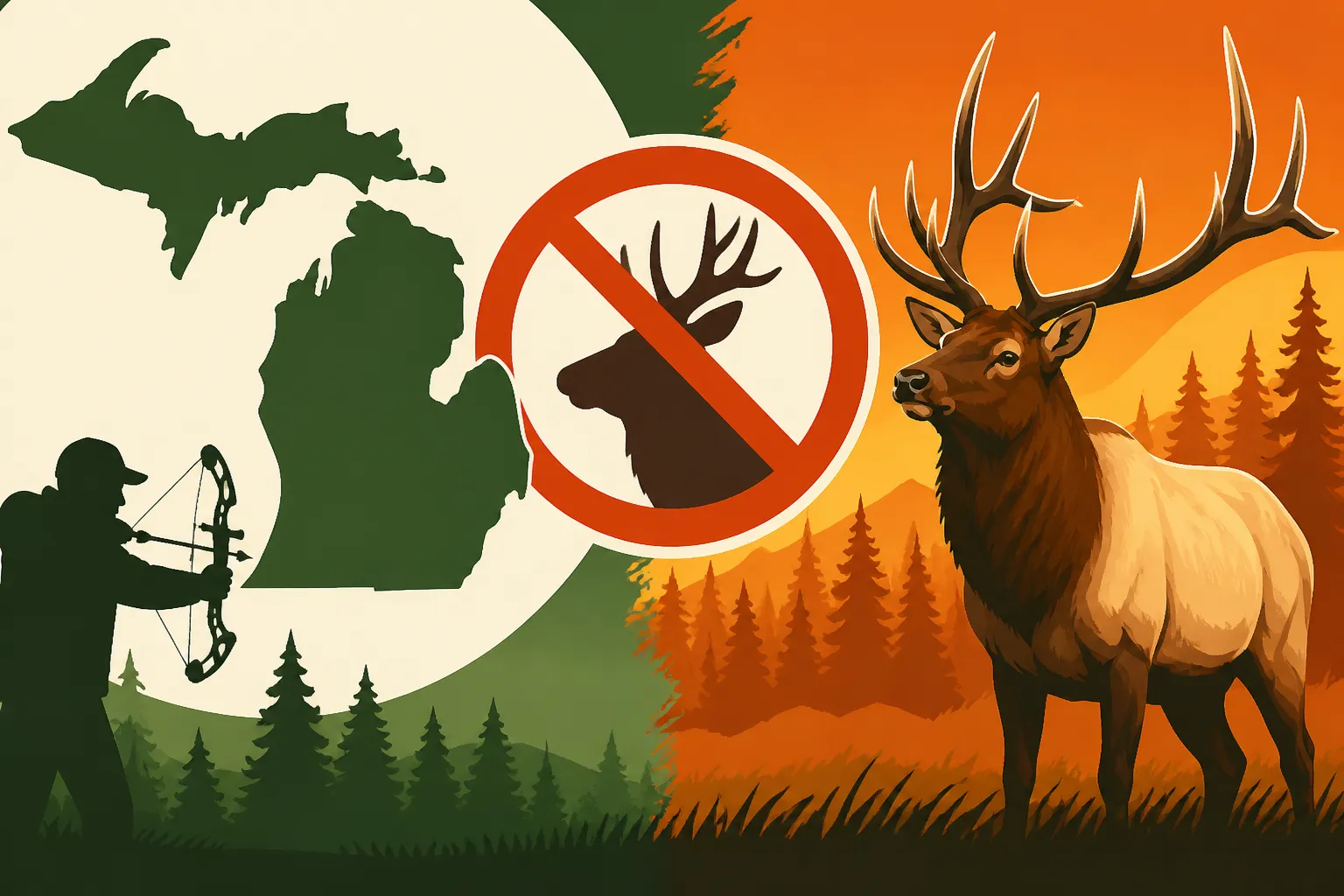
It can be incredibly disheartening, and frankly, a bit confusing, when you hear that hunting opportunities for a coveted species like elk are being reduced. For many Michigan hunters who dream of drawing that once-in-a-lifetime tag, news of fewer licenses feels like a step backward, especially after years of dedicated conservation efforts. This guide aims to shed light on the complex factors and strategic decisions that lead to such changes, explaining exactly why Michigan has, at times, reduced its elk harvest numbers.
Understanding Michigan's Elk Population Dynamics
Michigan's elk herd is a true conservation success story, but like all good stories, it has its twists and turns. The management of these magnificent animals is a delicate dance between maintaining a healthy population, managing their habitat, and addressing the very real concerns of the communities they share space with. When harvest numbers shift, it’s usually not a knee-jerk reaction but a carefully considered adjustment based on extensive biological data and long-term vision.
A History of Elk Restoration in Michigan
Believe it or not, there was a time when elk were completely gone from Michigan. Habitat loss and unregulated hunting drove them out, leaving a significant void in our wild places. Thankfully, through the tireless efforts of conservationists and wildlife agencies, elk were successfully reintroduced to Michigan, primarily in the Pigeon River Country. This wasn't an overnight fix; it was a decades-long commitment.
Initially, a mere handful of elk—we're talking about The Seven Elk Released in 1918—were brought back, and from those humble beginnings, our current herd slowly began to grow. The early days were all about protection and establishing a foothold, letting the population expand into suitable habitat. This reintroduction is one of our state's proudest wildlife achievements, proving that dedicated effort can bring back even the largest and most iconic species. Over time, as the herd thrived and numbers steadily climbed, the prospect of carefully managed hunting seasons became a reality, much to the excitement of Michigan sportsmen and women. Understanding How Elk Were Restored to Michigan truly highlights the value of every management decision.
The Delicate Balance of Elk Management
Managing a species like elk is far more intricate than simply counting heads. Wildlife biologists consider a multitude of factors to ensure the herd's long-term health and vitality. They're looking at things like birth rates, survival rates of calves, disease prevalence, habitat quality, and the overall age and sex structure of the herd. It's a complex equation that aims to strike a balance between allowing the population to grow to a healthy, sustainable level and ensuring there's enough forage and space for them without causing undue strain on the ecosystem or local landowners.
The unique challenges of Michigan’s landscape, with its mix of dense forests, agricultural fields, and increasing human presence, further complicate this balance. Elk are big animals with big appetites, and when their numbers in certain areas get too high, they can cause significant Elk Damage to Michigan Farms, leading to understandable frustrations from farmers whose livelihoods are affected. The goal is to keep the herd at a level where these conflicts are minimized while still providing robust hunting opportunities. It’s a constant monitoring process, adjusting as conditions change, to ensure the health of Michigan's Elk Herd Size and History for generations.
The Core Reasons for Harvest Reductions
When the decision is made to cut elk harvest numbers, it's rarely because the herd is on the verge of collapse. More often, it's a strategic move designed to fine-tune the population for specific, long-term goals. These goals can range from ensuring population stability to enhancing the quality of future hunting experiences, all while juggling the practical realities of managing a large, free-ranging animal in a diverse state like Michigan.
Population Stability and Growth Targets
Sometimes, reducing the harvest isn't about a declining herd, but rather about bringing the herd to a more desirable population level or a specific growth trajectory. Biologists establish population targets based on habitat carrying capacity – how many elk the land can realistically support without degrading the habitat – and what the "social carrying capacity" is, meaning what level of elk population is acceptable to local communities and landowners. If the herd is stable but not quite reaching an intended growth rate, or perhaps it's slightly over an ideal number in one area but under in another, harvest reductions can be a tool to encourage growth in specific segments or to allow the herd to rebound from localized issues like a tough winter or disease events.
It’s about more than just numbers; it’s about health. A stable population with a balanced age structure (enough young, enough mature, and a good mix of sexes) is more resilient to challenges. Think of it like managing a financial portfolio – sometimes you pull back on investments in one area to strengthen another for a better long-term return. It’s a sustainable management approach that prioritizes the overall well-being of the herd, ensuring that there are elk for all of us to appreciate, whether through viewing or hunting, for years to come. This careful approach helps avoid boom-and-bust cycles that can devastate wildlife populations.
Habitat Limitations and Agricultural Conflicts
Elk, being large herbivores, require vast tracts of suitable habitat to thrive. Michigan's elk range, centered around the Pigeon River Country State Forest, offers significant wildland, but even this expansive area has its limits. As elk populations grow, they can exert increased pressure on their natural forage, leading to overbrowsing in some areas. This can degrade habitat not just for elk, but for other wildlife species as well.
Perhaps even more pressing is the issue of elk venturing out of forested areas and into adjacent agricultural lands. When elk begin to routinely graze on crops, damage fences, or disturb livestock, it creates significant financial hardship and frustration for farmers. This "human-wildlife conflict" is a major driver of management decisions. The state often receives complaints from landowners impacted by elk, and managing harvest numbers is one of the primary tools to mitigate these issues. By reducing the overall number of animals, especially in problem areas, the hope is to lessen the impact on private property and maintain a positive relationship with the communities that live alongside these impressive animals. Finding the right balance between a robust herd and minimizing Elk Damage to Michigan Farms is an ongoing challenge.
Managing for Quality Hunting Experiences
Another key reason for adjusting harvest levels, particularly for bulls, can be to manage for a higher quality hunting experience. A reduced number of tags, while frustrating in the short term for applicants, can allow more bulls to survive to older age classes. This, in turn, can lead to larger antlers and a higher potential for trophy-class animals in future seasons. Many states, including Michigan, recognize that while overall numbers are important, the quality of the hunting experience – seeing mature animals, the challenge of the hunt – is also a significant factor for hunters.
This kind of management strategy often requires patience, as the benefits aren't immediately apparent. It's an investment in the future of the herd and the future of Michigan's elk hunting tradition. While GoHunt and other resources are excellent for comparing draw odds and harvest success across different states, understanding Michigan’s unique goals for its elk herd helps put these decisions into context. A state might intentionally limit harvests to cultivate a more mature age structure, knowing that it will translate into more impressive bulls and a more rewarding chase down the line. It's a testament to long-term planning, ensuring the species not only survives but truly thrives with robust, healthy animals.
The Impact on Michigan Elk Hunters
For those of us who dream of a Michigan elk hunt, changes to harvest numbers directly impact our odds and expectations. It's natural to feel a pang of disappointment when the opportunity seems to shrink, but understanding the ripple effects of these management decisions can help us adapt and maintain our enthusiasm for this incredible hunting pursuit.
Increased Competition and Lower Draw Odds
Let’s be honest, drawing a Michigan elk tag has always been a long shot. The number of tags is highly restricted, reflecting the herd's size and management objectives, making it one of the most coveted big game licenses in the state. When the number of available licenses is further reduced, the math is simple: fewer tags mean more competition among a dedicated and growing pool of applicants. This inevitably drives down the already slim Michigan Elk Draw Odds, making that dream tag feel even more elusive.
This can be a tough pill to swallow for hunters who have been faithfully applying for years, accumulating preference points, and holding onto the hope that "this is the year." It means that hunters need to be even more persistent, and perhaps even more strategic, in their application choices. While it might increase the wait, it ultimately ties back to the state's vision for a healthier, more robust herd capable of sustaining these hunts for the long haul. Remember, every application you put in, even if unsuccessful, supports the broader conservation efforts that benefit the entire elk herd. For detailed application timelines and quota breakdowns, hunters can consult the DNR’s official channels or platforms like GoHunt that compile such information. Michigan Elk Application Rules lay out all the requirements for entry into this challenging draw.
Adapting to Evolving Regulations
Michigan's wildlife regulations are dynamic, constantly evolving to meet the needs of wildlife populations and hunter opportunities. When harvest numbers change for elk, it often comes hand-in-hand with adjustments to other aspects of the hunt, such as the number of hunt periods, the specific units open to hunting, or even the type of tags issued – for example, a shift from "any-elk" to more "antlerless-only" permits. Hunters need to be vigilant and make it a point to thoroughly review the annual hunting regulations well in advance of the application deadlines and hunt dates.
It’s not just about getting the tag; it’s about understanding the specific nuances of that tag. If you're fortunate enough to draw, knowing your Any-Elk Versus Antlerless-Only Licences and which Michigan Elk Hunt Periods you're eligible for is crucial for proper planning and a successful hunt. These changes ensure that the harvest is precisely targeted to achieve specific management goals, whether it’s reducing cow numbers in a particular area to slow herd growth or allowing more bulls to mature. Staying informed is paramount, and Michigan’s DNR website is the first place to look for the most current information.
The Long-Term Vision for Michigan Elk Hunting
While reduced harvest numbers can feel like a setback in the short term, it’s important to remember that these decisions are almost always rooted in a long-term vision for the health and sustainability of Michigan's elk herd and the hunting opportunities it provides. Wildlife management is a continuous process of observation, analysis, and adaptation. Sometimes, the best way to ensure there are thriving elk populations for future generations to enjoy is to implement conservative harvest strategies today.
Many of us are drawn to hunting for the challenge, the connection to nature, and the deep respect for the animals we pursue. These management adjustments, even when tough, are a reflection of that commitment to the resource. By allowing the herd to grow in size, improve its age structure, or expand its range in a controlled manner, these temporary reductions can pave the way for more robust and higher-quality hunting experiences down the road. It asks for our patience and trust in the biologists who dedicate their careers to these animals. Supporting conservation efforts and staying engaged with the process ensures that Michigan’s elk will continue to be a cherished part of our wild heritage. It's all about making sure the opportunity to hunt Elk in Michigan's Pigeon River Country remains strong for decades to come.
Here's a simplified look at how elk license allocation might trend based on management goals:
| Management Goal | Past High License Allocation | Current Trend (Example) | Future Goal | Rationale for Current Trend |
|---|---|---|---|---|
| Herd Growth Phase | Moderate/Increasing | Moderate | Increasing | Encourage population expansion and recovery. |
| Population Stabilization | High/Stable | Decreasing/Stable | Stable/Targeted | Achieve desired population density and age structure. |
| Quality Enhancement | Stable | Decreasing (for specific tags) | Stable with high-quality options | Allow more animals to reach maturity, improving trophy potential. |
| Agricultural Mitigation | Variable | Decreasing (in specific DMUs) | Targeted Reduction | Reduce conflicts with landowners. |
Disclaimer
This article is for general informational purposes only and does not constitute professional advice. Laws, prices and regulations vary by location and change over time. Consult a qualified professional for guidance on your specific situation.