Feral Swine Sightings in Michigan
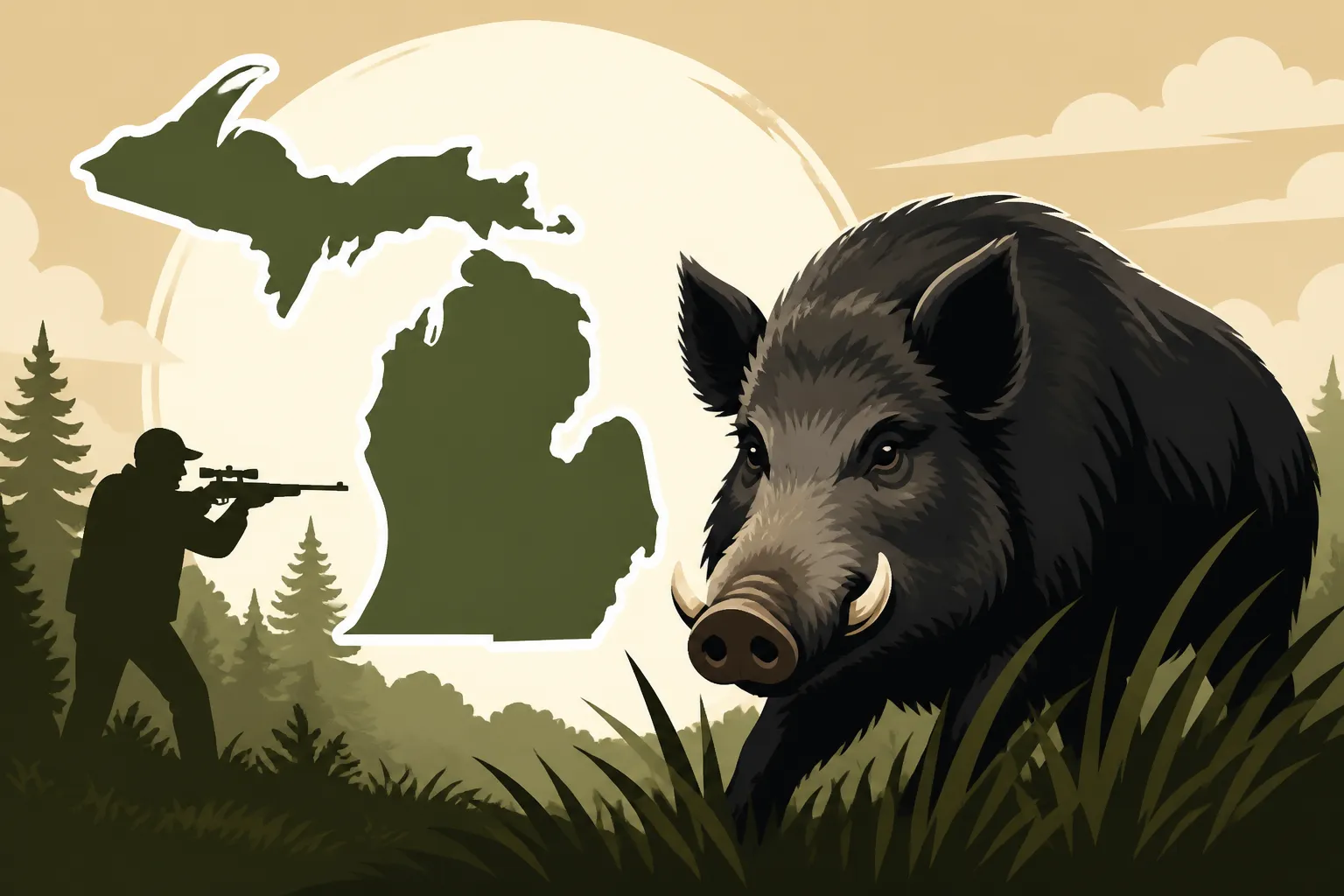
There's a quiet, unsettling presence stirring in the Michigan woods, one that has wildlife biologists and concerned hunters paying close attention: feral swine. While not yet widespread, the sporadic sightings of these destructive animals can leave you feeling helpless and wondering what their presence means for our cherished native wildlife and the hunting opportunities we hold so dear. This guide aims to pull back the curtain on the feral swine issue in Michigan, helping you understand the threat they pose, how to identify their signs, and crucially, what you can do to help prevent their establishment in our beautiful state.
What Exactly Are Feral Swine and Why Are They a Problem?
When we talk about "feral swine" here in Michigan, we're not talking about your neighbor's escaped pot-bellied pig, though those can contribute to the problem. We're referring to any hog, pig, or Eurasian wild boar that has escaped domestication and is now living and breeding in the wild. These animals are incredibly adaptable, intelligent, and reproduce at an astonishing rate. They're not native to North America, and their presence here creates a cascade of ecological and agricultural devastation that no one wants to see take root.
Identifying Feral Swine vs. Domestic Hogs
It's easy to get confused when you see a hog-like animal in the wild. Is it just someone's pet that got out, or is it a true feral hog? While all pigs have the potential to go feral, those that have spent generations in the wild often exhibit distinct characteristics. Feral swine tend to be leaner, more muscular, and have longer snouts and larger heads compared to their domestic counterparts. Their coats are typically coarse and can range from black to brown, often with a bristly mane running down their back. They also develop sharp tusks, a characteristic rarely seen in typical farm pigs. Domestic escapees might still look like farm pigs initially, but even a few generations in the wild will see them revert to more "wild" physical traits. It's less about their appearance being perfectly "wild" and more about their behavior and self-sufficient survival in Michigan's diverse landscapes.
The Damage They Inflict on Agriculture and Natural Resources
The destructive power of feral swine is truly staggering. They are biological rototillers, constantly rooting up soil in search of food. This rooting behavior devastates agricultural crops like corn, soybeans, and potatoes, leading to massive financial losses for farmers. But the damage doesn't stop at farms. In natural habitats, they destroy native vegetation, uproot tree seedlings, and degrade sensitive wetland areas. This isn't just a nuisance; it fundamentally alters ecosystems. Imagine a pristine patch of forest floor, full of wildflowers and young trees, utterly churned up and left bare – that's the calling card of feral swine. Their wallowing in mud creates unsightly, stagnant pools that can spread disease and alter water flow, further damaging riparian zones and water quality.
Disease Vectors and Public Health Concerns
Beyond the physical destruction, feral swine are walking vectors for a host of serious diseases, posing significant risks to both livestock and human health. They can carry diseases like brucellosis, leptospirosis, E. coli, and even pseudorabies, which can be devastating to domestic pig herds and can also affect other wildlife like deer and bear. Wildlife Diseases Michigan Hunters Watch is a critical read if you want to understand the broader context of disease threats. Imagine the nightmare scenario of a disease jumping from feral swine to a local farm, potentially wiping out a livelihood, or spreading through our already stressed deer herds. For hunters, this also means potential contamination of harvested meat, making proper handling and cooking of any wild game even more paramount. Their presence adds another layer of complexity to disease monitoring efforts in Michigan, demanding constant vigilance from wildlife agencies.
Where Are Feral Swine Being Sighted in Michigan?
The good news, if there is any, is that Michigan has been proactive in trying to prevent feral swine from establishing breeding populations. Unlike some southern states where they are rampant, Michigan's strategy focuses on rapid response to eliminate individual animals or small groups before they can reproduce and expand. However, sightings do occur, and understanding their patterns is key.
Documenting Confirmed Sightings and Trends
Confirmed sightings in Michigan tend to be isolated incidents, often involving a single animal or a small group. These usually pop up in different regions of the state, suggesting they are often escapees from private holdings rather than established, reproducing wild populations. Historically, sightings have been more common in the southern Lower Peninsula, where there's a higher density of small farms and potential for domestic pigs to escape. However, they've been sighted in various areas, sometimes even appearing in the northern Lower Peninsula. The key is that wildlife agencies take every reported sighting seriously, launching efforts to verify and remove the animals quickly. The goal is to prevent the "spread" from becoming a "settlement."
Understanding the Movement and Spread
Feral swine are incredibly mobile. A single boar can cover a surprisingly large amount of ground in a short period, especially if it's disturbed or looking for new territory and food sources. Their natural curiosity and opportunistic feeding habits mean they aren't tied to one specific habitat type. They'll utilize everything from dense swamps and thick timber to agricultural fields and suburban fringes. This mobility makes tracking them incredibly difficult. They can travel along river corridors, through dense underbrush, and even cross open fields under the cover of darkness. This makes understanding Scouting Michigan Public Land Before Season all the more vital, as early detection of signs is crucial. A good scouting app, like what GoHunt provides with its detailed mapping layers, could help you identify potential travel corridors or areas where rooting might occur, even if you’re looking for deer.
Why Timely Reporting is Crucial
Every single sighting of a feral pig in Michigan is critical information. It's not just a casual observation; it's a potential early warning signal. The moment you suspect you've seen a feral hog or their sign – like rooting, rubs on trees, or tracks – reporting it immediately to the appropriate authorities is paramount. Delaying a report, even by a few days, can give these animals time to move miles away, reproduce, or cause further damage. The quicker a report is made, the better the chances that wildlife professionals can locate and remove the animal, preventing a localized problem from escalating into a larger, more entrenched issue. This vigilance is a collective responsibility for anyone who values Michigan's natural landscape and game species.
What Michigan is Doing About Feral Swine and How You Can Help
Michigan takes the threat of feral swine very seriously, employing a multi-faceted approach to detection, response, and prevention. This isn't a problem that can be tackled by one agency alone; it requires a coordinated effort, and hunters play a significant role.
Michigan's Approach to Feral Swine Control
The state's primary strategy is eradication rather than management. Because feral swine are not considered a game species and are an invasive threat, the goal is to eliminate them as quickly as possible upon detection. This often involves a rapid response team that uses various methods, including trapping and targeted removal. There's a strong emphasis on preventing the establishment of breeding populations, which is why early detection is so important. The state collaborates with landowners, agricultural groups, and federal agencies to monitor for new sightings and respond swiftly. It's a constant battle, and the state's success hinges on maintaining this aggressive stance before the problem becomes intractable, as it has in other parts of the country.
The Hunter's Role in Detection and Elimination
Hunters are often the first line of defense against invasive species like feral swine because they spend so much time in the woods, observing wildlife and their environment. As a hunter, you have boots on the ground in areas others rarely visit. If you spot a feral hog, or any sign of one, your role is absolutely vital. While the general rule for hunters encountering feral swine in Michigan has historically leaned towards reporting rather than attempting to harvest them yourselves (due to safety, disease testing, and coordinated eradication efforts), always check current regulations from the Michigan DNR. The specific rules can change, especially concerning whether a hunter is authorized to shoot on sight. Knowing the current rules before you head out is crucial. Using detailed mapping tools, like those found on GoHunt, can even help you mark locations of suspected signs for later reporting or for your own reference if you’re scouting for deer in an area where swine could show up. Your detailed observation and willingness to report are invaluable.
| Sign Type | Feral Swine Evidence | Deer Evidence |
|---|---|---|
| Tracks | Rounded, cloven hoofprints; sometimes splayed toes. Often wider than deer. | Heart-shaped, pointed cloven hoofprints. |
| Rooting | Extensive, deep, churned-up soil; looks like a rototiller has been through. | Minimal scratching for acorns; generally not large-scale ground disturbance. |
| Wallows | Muddy depressions, often near water, where pigs roll to cool off. | Deer may use muddy areas, but typically no distinct wallows. |
| Rubs/Scrapes | Mud rubs on trees or posts (often lower than deer rubs); "hog rubs" from tusks/bodies. | Antler rubs on saplings (higher); pawed scrapes with urine. |
| Scat | Varies widely depending on diet; often similar to dog or human feces, but in piles or scattered. | Pellets (often in piles) or soft, segmented droppings. |
| Hair | Coarse, bristly hair, often dark, found on rubs or near wallows. | Fine, soft hair, often light brown, found on rubs or bedding. |
Reporting a Sighting: Your Responsibilities
If you see a suspected feral hog or its signs, your first action should be to accurately document what you saw without disturbing the area. Take photos or videos if possible, noting the exact location (GPS coordinates are best), the number of animals, their size, and any distinct characteristics. Then, immediately report it to the Michigan Department of Natural Resources (DNR) or the Michigan Department of Agriculture and Rural Development (MDARD). There are usually specific hotlines or online reporting forms for this purpose. Do not approach the animals, attempt to capture them, or release domestic pigs into the wild, which only exacerbates the problem. Your responsible and timely reporting is the most powerful tool we have in keeping Michigan free from established feral swine populations. Remember, it's not about being a vigilante; it's about being a crucial part of a coordinated effort.
The Impact of Feral Swine on Michigan's Native Wildlife and Habitat
The danger of feral swine goes far beyond just chewing up a farmer's field. Their presence can have profound and lasting impacts on the very ecosystems and native wildlife that we cherish in Michigan. From direct competition to disease spread, they are a force of disruption.
Competition with Native Game Species
Imagine another animal competing directly for the same food sources as our beloved whitetails, turkeys, and even small game like rabbits and squirrels. Feral swine are voracious omnivores, eating everything from acorns, roots, and mushrooms to fawns, turkey poults, and the eggs of ground-nesting birds. This direct competition for critical resources can put immense pressure on native populations, especially during harsh winters or periods of food scarcity. When it comes to acorns, a vital food source for so many Michigan species, feral swine can decimate a mast crop, leaving little for deer preparing for winter. This puts a strain on Michigan Deer Population Estimate and can directly impact Upper Peninsula Deer Yarding and Winter Movement, as swine disrupt critical habitat.
Transmission of Wildlife Diseases Michigan Hunters Watch
We touched on this earlier, but it bears repeating: feral swine are disease bombs. They can carry and transmit a wide array of pathogens that can decimate our native wildlife. Diseases like Chronic Wasting Disease (CWD) and Bovine Tuberculosis (bTB) are already concerns for Michigan hunters. Introducing more disease vectors could worsen these problems or introduce new ones. Think about the stress our deer herds are under with Chronic Wasting Disease in Michigan and Bovine Tuberculosis in Michigan Deer. Adding more disease risk from an invasive species is the last thing we need. Swine can pass diseases to deer, turkeys, and even bears, impacting their health, reproductive success, and ultimately, our hunting opportunities. This is why proper handling of any animal you harvest, and understanding symptoms of disease in game, is paramount.
Habitat Destruction and Water Quality
The destructive rooting behavior of feral swine doesn't just damage crops; it fundamentally alters forest floors, wetlands, and riparian areas. They create extensive bare ground, which leads to increased soil erosion and runoff into streams and rivers. This runoff carries sediment and nutrients, degrading water quality and impacting aquatic life. Their constant churning of the soil also prevents the regeneration of native plants and trees, disrupting the delicate balance of forest ecosystems. Sensitive habitats, like those found around Hunting Michigan Swamp Edges for Deer or along our many river corridors, are particularly vulnerable. When you factor in their wallowing, which can spread bacteria and pathogens, it's clear that their presence can turn a healthy, vibrant ecosystem into a damaged, less productive one, affecting everything from insect populations to the cover available for all our native game species.
Disclaimer
This article is for general informational purposes only and does not constitute professional advice. Laws, prices and regulations vary by location and change over time. Consult a qualified professional for guidance on your specific situation.