Donating Venison in Michigan
The satisfaction of a successful hunt in Michigan is immense, but sometimes, a full freezer leaves you wondering how to make the most of your harvest. For many hunters, the desire to give back to the community is just as strong as the thrill of the chase. This guide will walk you through the simple yet impactful process of donating venison in Michigan, ensuring your hard-earned meat provides healthy sustenance to those in need.
The Heart of the Harvest: Why Donate Venison in Michigan?
Deer hunting in Michigan is a rich tradition, often culminating in a freezer full of lean, organic protein. But what happens when your freezer is overflowing, or you're simply driven by a desire to share the bounty of the land with others? Donating venison is a profound way to extend the positive impact of your hunt beyond your dinner table, directly addressing food insecurity and promoting the ethical use of a natural resource. It transforms a personal achievement into a powerful act of community support.
Addressing Food Insecurity in Michigan
It’s a tough reality that many Michigan families struggle to put enough food on the table, and access to high-quality protein can be particularly challenging. Food banks and local pantries work tirelessly to bridge this gap, but they rely heavily on donations. Wild game, especially venison, offers an incredibly lean, nutrient-dense protein source that is often enthusiastically received. When you choose to donate your venison, you're not just making space in your own freezer; you're providing a healthy, much-needed meal component that can nourish individuals and families who might otherwise go without. It's a tangible way to make a difference right in your own backyard.
Maximizing Your Harvest Beyond Your Freezer
Every Michigan hunter understands the commitment involved in pursuing game, from early season scouting to the moment of harvest and beyond. The ethical hunter seeks to utilize every part of the animal possible, and donating venison is a powerful extension of that principle. Perhaps you've had an exceptionally successful season, filling your tags and your freezer with a variety of cuts and ground meat. Or maybe you've taken advantage of Late Antlerless Hunting in Michigan opportunities to help manage local deer populations, leaving you with more venison than you can consume before next season. Donating ensures that this valuable, healthy food doesn't go to waste, honoring the animal and the effort you put in. It’s a testament to responsible resource management and a deeply satisfying way to complete the cycle of the hunt.
How Michigan's Venison Donation Programs Work
Michigan boasts excellent programs designed to facilitate venison donations, primarily spearheaded by initiatives like Michigan Hunters for the Hungry (MHFH). These programs serve as vital conduits, connecting generous hunters with licensed meat processors and local food distribution networks. They've been carefully structured to make the donation process as straightforward and impactful as possible, ensuring that the venison reaches those who need it most, safely and efficiently.
The Donation Process: Step-by-Step
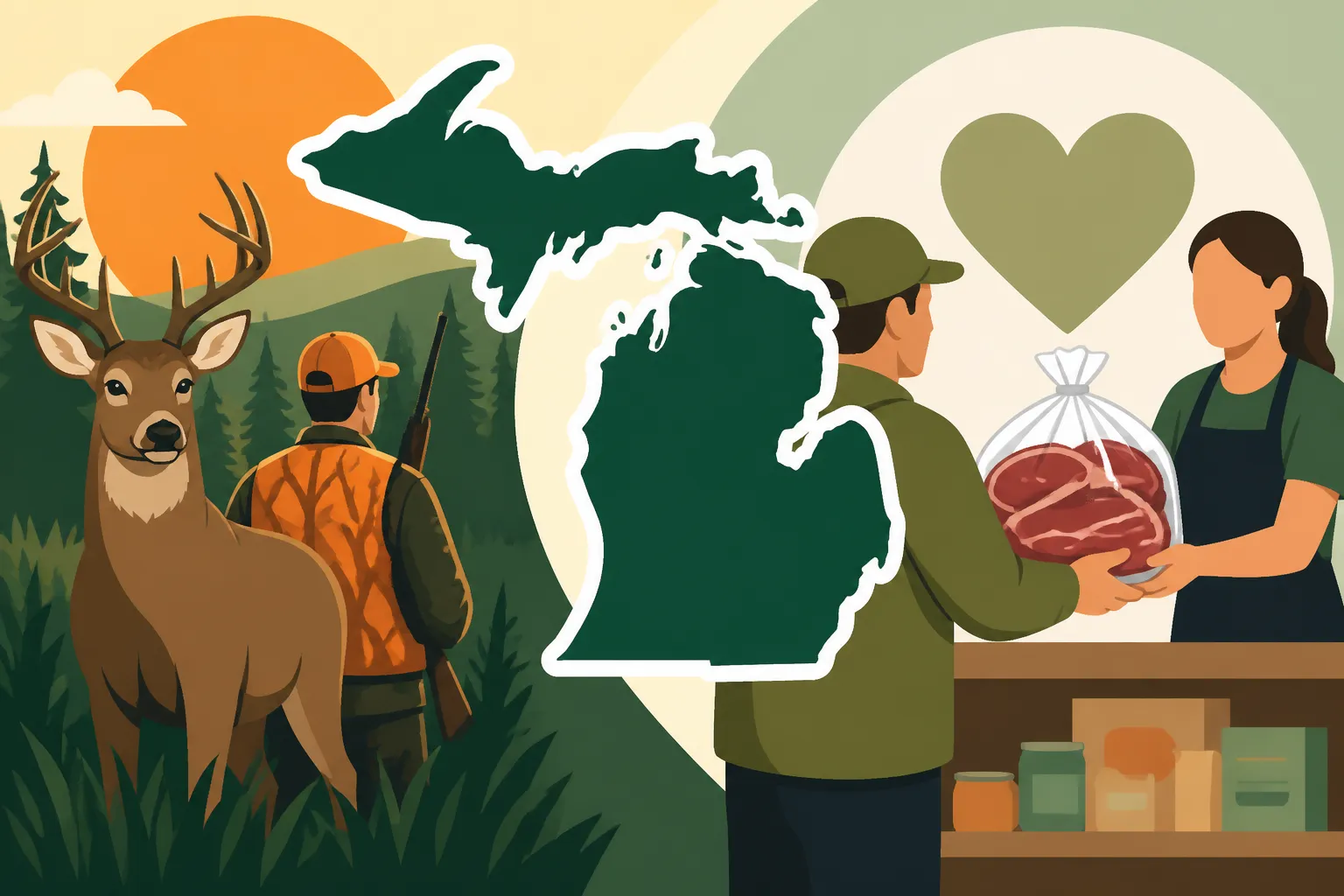
Understanding the typical journey of donated venison can help you prepare. The first crucial step happens right in the field: proper and prompt field dressing of your deer. This ensures the meat remains in optimal condition for processing. Once the deer is field-dressed, you'll transport it to a participating, state-inspected meat processor. These processors are the unsung heroes of the program, meticulously skinning, butchering, and grinding the venison, typically into lean ground meat, which is versatile and easy for food banks to distribute. From there, the processed venison is picked up by various food banks or pantries and then distributed to individuals and families throughout the state. It's a well-coordinated effort built on the goodwill of hunters and the dedication of processors and charities.
Understanding the Costs and Contributions
While the spirit of venison donation is entirely charitable, there are often practical costs associated with processing the meat to food-safe standards. Typically, the hunter is responsible for a processing fee. This fee covers the labor and materials involved in transforming a whole deer into ready-to-distribute packages of ground venison. It's an investment that ensures the meat is handled properly and meets all health and safety requirements for public consumption. Sometimes, local charitable organizations or dedicated MHFH funds can help offset these costs, so it's always wise to inquire about any potential assistance when you contact a participating processor. Checking resources, including forums or community features on platforms like GoHunt, can often provide real-time updates from other hunters on where assistance might be available or what current costs look like.
Practical Steps for Donating Your Michigan Venison
Deciding to donate your venison is a fantastic choice, but knowing the practical steps involved is key to making the process smooth and successful. This includes identifying the right facilities and understanding the crucial health regulations that protect both the deer herd and the recipients of your generous gift. Every detail, from where you take your deer to how it was handled in the field, plays a role.
Locating a Participating Processor Near You
Finding a state-inspected meat processor that participates in venison donation programs is your primary practical step. Not all processors offer this service, and those who do have specific guidelines to follow. The Michigan Hunters for the Hungry website is usually the best starting point, as they maintain an updated list of participating processors across the state. Local food banks or regional Feeding America networks can also provide valuable information. Additionally, many hunters find useful local insights through online hunting communities or by checking mapping and scouting apps. While GoHunt primarily focuses on land access, many users leverage their strong community features to share local tips and find resources like donation centers. It's always a good practice to call your chosen processor ahead of time to confirm their participation, current operating hours, and any specific requirements they may have, such as field dressing standards or acceptable donation times.
| Region of Michigan | Example Counties for Reference | Typical Access to Processors | Key Action for Hunters |
|---|---|---|---|
| Upper Peninsula | Marquette, Iron, Delta | More spread out, plan ahead | Check MHFH website; call ahead to confirm |
| Northern Lower Peninsula | Otsego, Montmorency, Mason | Moderate, often near larger towns | Utilize MHFH list; consider proximity to hunt area |
| Southern Lower Peninsula | Kent, Jackson, Washtenaw | Generally more numerous | Verify processor's specific program details |
Note: This table provides general guidance. Always consult the official Michigan Hunters for the Hungry program or contact local food banks for the most current and specific information on participating processors.
Adhering to Michigan's Wildlife Health Regulations
Michigan takes wildlife health very seriously, especially concerning diseases like Chronic Wasting Disease (CWD). If you harvest a deer in a CWD Management Zone, there are specific regulations that must be followed. This often includes mandatory CWD testing for deer harvested in certain areas, and donated venison from these zones will typically require a negative test result before it can be processed and distributed. It is absolutely vital to be aware of Michigan CWD Rules and Test Sites and to follow all protocols for Michigan Carcass Transport Restrictions to ensure your donation is compliant and safe for consumption. Failing to adhere to these rules could result in your venison being ineligible for donation, which is the last thing any generous hunter wants. Stay informed and follow the guidelines to ensure your generous gift can be accepted.
Proper Field Care for Donated Meat
The quality of the venison ultimately depends on how it's handled from the moment of harvest. Just as you would meticulously care for a deer destined for your own freezer, proper field care is paramount for donated meat. The most critical step is to Field Dressing a Deer in Cold Weather or any weather condition as quickly and cleanly as possible. This removes internal organs that can spoil quickly and allows the carcass to cool down rapidly. Avoid shots that cause extensive damage to the gut, as this can contaminate the meat. Keep the carcass clean of dirt, leaves, and other debris during transport. A clean, cooled deer arriving at the processor ensures the highest quality ground venison for those who will benefit from your kindness.
Responsible Hunting: Compliance and Community Impact
Donating venison is far more than just a logistical exercise; it's a powerful and visible demonstration of the core values held by Michigan's hunting community. It showcases hunters as responsible stewards of our natural resources and compassionate contributors to societal well-being. By participating, you're not only providing food but also helping to shape a positive public perception of hunting.
Promoting a Positive Image of Hunting
In an era where hunting sometimes faces misunderstanding or scrutiny, actions like venison donation powerfully underscore the ethical and community-focused spirit that drives so many hunters. It vividly demonstrates that hunters are deeply committed to the sustainable use of wildlife, respecting the animal, and caring for their neighbors. Every pound of donated venison serves as an opportunity to share the true story of conservation and compassion that defines our collective identity in the Michigan hunting community. These acts resonate deeply, creating goodwill and building bridges within our communities, often more effectively than any advertising campaign. It speaks to the heart of traditions like Michigan Deer Camp Traditions, extending that spirit of generosity and sharing far beyond the woods.
Ensuring Your Donation Makes a Difference
To guarantee that your generous act of donating venison truly benefits those in need, it's crucial to work exclusively through official programs and certified channels, such as Michigan Hunters for the Hungry, or directly with established, state-inspected food banks and processors. These entities are equipped to handle the meat safely, ensure it meets all health and regulatory requirements, and distribute it efficiently to where it's most needed. By following these established routes, you ensure that your contribution is not only appreciated but also safe and impactful. Knowing that your efforts in the pursuit of White-Tailed Deer Across Michigan have directly helped feed families is one of the most profound and rewarding aspects of being a hunter.
Disclaimer
This article is for general informational purposes only and does not constitute professional advice. Laws, prices and regulations vary by location and change over time. Consult a qualified professional for guidance on your specific situation.