Pigeon River Country State Forest
Finding truly wild, remote hunting opportunities in Michigan's Lower Peninsula can feel like a unicorn hunt sometimes, especially when you're tired of crowded two-tracks and pressured deer. But there's a gem tucked away in the northern Lower, a vast expanse known as the Pigeon River Country State Forest. This guide is all about peeling back the layers of this unique area, helping you understand its challenging terrain, the incredible game it holds, and how to prepare for a successful, respectful hunt in one of Michigan's last wild places.
The Unique Character of Pigeon River Country
The Pigeon River Country State Forest (PRC) isn't just another patch of state land; it's a living testament to dedicated conservation, boasting a ruggedness and sense of isolation that's increasingly rare. For a hunter, this means fewer trails, thicker cover, and a different kind of challenge that rewards patience and preparation. It’s a truly special place that demands a certain respect, almost as if the forest itself is asking you to prove your worth before it reveals its secrets.
A Legacy of Conservation and Wildness
The very existence of the Pigeon River Country as we know it today is a story of fierce dedication to preserving its wild character. Decades ago, this area faced threats of extensive development, but a coalition of conservationists, hunters, and local residents fought tirelessly to protect it. Their efforts led to special management designations aimed at maintaining a primitive, semi-wilderness experience. This history means that the PRC isn't managed like a typical state forest; motorized vehicle access is strictly limited to designated routes, and the focus is on maintaining large, unbroken tracts of timber and natural ecosystems. You won't find manicured trails or widespread clearcuts here. It's truly a place where you can feel a sense of stepping back in time, away from the constant hum of modern life, and that alone is a big part of its appeal for many of us.
The Landscape and Habitat Mix
Imagine rolling hills, deep ravines carved by the Pigeon River and its tributaries, and an incredibly diverse mix of forest types. You've got mature hardwoods like maple, oak, and beech on the higher ground, giving way to cedar swamps, lowland conifers, and tag alder thickets in the valleys and along the river. This mosaic of habitat is a dream for wildlife, offering everything from bedding cover in dense stands to foraging opportunities in acorn-laden oak ridges and the lush browse found along swamp edges. The river itself, with its cold, clear waters, is a focal point, drawing wildlife to its banks. This varied landscape means that successful hunting in the PRC requires adaptability; you might find yourself still-hunting a ridge one morning and wading through thick, wet cover the next. Understanding how to read this diverse terrain is key to finding game.
Unique Regulations and Mindset
Because of its special status, the Pigeon River Country has some specific regulations that differ from other Michigan state land, primarily regarding motorized vehicle use and camping. This isn't a place where you can drive your ATV just anywhere. These rules are in place to protect the fragile ecosystem and enhance the remote experience, meaning hunters must often rely on foot power and good old-fashioned scouting. Beyond the written rules, there's also a mindset shift required. This isn't about quick hunts or easy access. It's about immersion, patience, and a willingness to work harder for your game. The challenge is part of the allure, and those who embrace it are often rewarded with a deeper connection to the land and a profound sense of accomplishment. It’s a place that teaches you to slow down, observe, and truly listen to the woods.
Big Game Hunting Opportunities
The Pigeon River Country State Forest is probably best known for one thing: its majestic elk herd. But beyond the elk, it offers excellent opportunities for whitetail deer and even black bear, making it a true big game destination within the Lower Peninsula. These hunts are generally not for the faint of heart, requiring substantial effort and a good understanding of the animals and the terrain they inhabit.
Chasing Whitetails in the Pigeon River
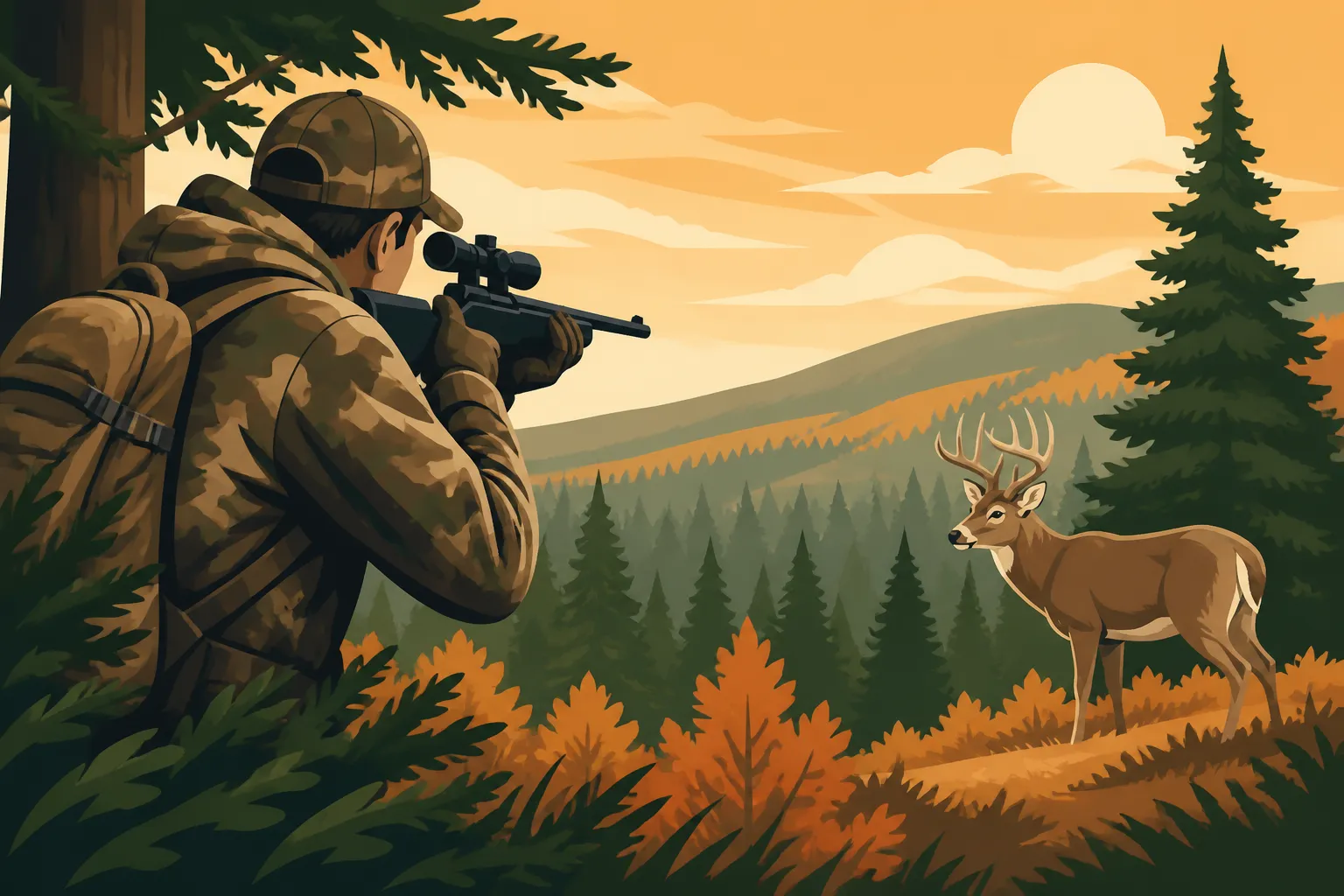
While the elk get all the headlines, the whitetail deer population in the Pigeon River Country is robust and offers a fantastic, challenging hunt. Unlike the heavily agricultural areas of southern Michigan, deer here are wilder, often larger-bodied, and less accustomed to human presence. The vast tracts of unbroken forest mean deer have plenty of room to roam and mature. You'll find deer utilizing the dense cedar swamps for bedding and thermal cover, especially as the temperatures drop, moving to oak ridges for acorns in the fall. During the rut, these big woods bucks can be surprisingly responsive to calling, but locating them first is the biggest hurdle. Understanding Where Big Woods Bucks Bed in Michigan is crucial here. Using a detailed mapping application like onX Hunt can be a game-changer for identifying potential bedding areas, transition zones, and escape routes in this sprawling forest. You can mark timber changes, elevation shifts, and pinch points that might concentrate deer movement.
For those willing to put in the miles, the rewards can be significant. It's common to go hours without seeing another hunter, which is a rare luxury on Michigan public land. Setting up a treestand requires careful thought about entry and exit routes to avoid spooking game, especially with the limited road access. Often, the best spots are a mile or more from any vehicle access, demanding a good map, a compass or GPS, and a willingness to hike with your gear. Treestand Setups in Michigan Hardwoods definitely apply, but with an added emphasis on stealth and self-sufficiency.
Understanding Michigan's Elk Herd
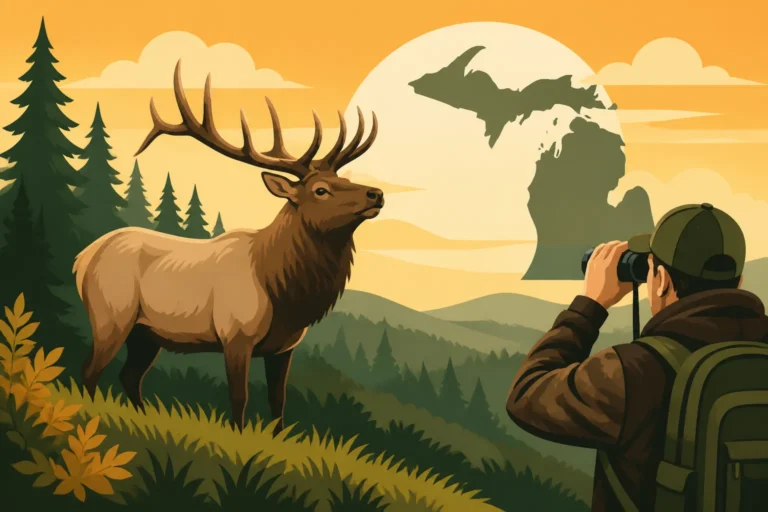
The Pigeon River Country State Forest is the heart of Michigan's elk range, and for many hunters, drawing an elk tag here is a lifelong dream. The herd, which was reintroduced to Michigan decades ago, thrives in this unique habitat. However, a hunt here is not like hunting elk out West. Michigan's elk are primarily forest-dwelling animals, moving quietly through dense timber and often challenging to spot in the thick cover. Success rates can be low, reflecting the difficulty of the hunt and the limited number of tags issued each year. Hunters spend years accumulating preference points, hoping for a chance at Michigan's Limited Elk Hunt. If you're lucky enough to draw, extensive pre-season scouting is absolutely essential.
Elk feed heavily on a variety of forages, including grasses, woody browse, and even acorns when available. They'll often move between dense bedding cover and more open feeding areas, sometimes even utilizing agricultural fields on the fringes of the forest, though within the core PRC, it's mostly forest. Their movements are often dictated by hunting pressure and food availability. While calling can be effective during the rut (typically in late September and early October), you'll often be trying to locate elk by listening for bugles or wallows, then planning a careful stalk through incredibly thick terrain. Hunters who spend time observing Elk Viewing at Pigeon River Country outside of hunting season can gain invaluable insights into elk behavior and movement patterns within this specific environment.
Bear Hunting in the Wilds
While fewer hunters specifically target bear in the Pigeon River Country compared to elk or deer, the opportunity exists, particularly for those who draw a northern Lower Peninsula bear tag. The dense, sprawling forest provides ample habitat for black bears, with plenty of mast crops like acorns and beech nuts, as well as berries and other natural food sources. Bear hunting in the PRC typically involves either still-hunting or, for those with permits, baiting.
For still-hunters, it means covering a lot of ground, looking for fresh sign like scat, tracks, and disturbed logs where bears have been foraging. Understanding bear habits and their reliance on food sources can guide your efforts. Bears often follow drainages and thick cover, moving between food and bedding. If you're drawn for a bear tag in this unit, exploring the vastness of the PRC can be an exciting, albeit challenging, endeavor. It’s not uncommon to stumble upon fresh bear sign while deer or elk hunting, reminding you that these woods hold more than just antlered game.
Small Game and Upland Bird Pursuits
Beyond the big game allure, the Pigeon River Country State Forest is a fantastic destination for small game and upland bird enthusiasts. The varied habitat that supports large animals also creates perfect conditions for a variety of smaller species, offering diverse hunting experiences throughout the season.
Grouse and Woodcock Coverts
The mix of young aspen stands, tag alder runs, and mature timber in the PRC creates prime habitat for ruffed grouse and American woodcock. While grouse numbers fluctuate in cycles, the sheer amount of suitable cover here means you'll consistently find birds. Early season, you'll want to focus on areas with thick, regenerating aspen or alder, often near water sources. As the season progresses and leaves fall, grouse will move into thicker conifer stands for cover. Grouse Hunting Michigan Aspen Cover is a classic approach here, especially around areas where forest management has created younger growth.
Woodcock, known for their unique flight patterns and distinct "peenting" call, can be found in the wetter, brushier areas, particularly along the Pigeon River and its many small tributaries. Alder thickets are their absolute favorite. The PRC is a significant stopover point during the fall migration, and timing your hunt with the "flight" can lead to incredible opportunities. Woodcock Hunting Michigan Alder Runs is a rewarding experience, especially with a good bird dog, but even without one, methodical still-hunting through these dense patches can flush birds. The quiet solitude of walking these coverts, listening for a flush, is a soul-refreshing experience.
Hare and Squirrel Hunting
For those looking for a different kind of challenge, the Pigeon River Country also holds populations of snowshoe hares and various squirrel species. Snowshoe hares are primarily found in the denser conifer swamps, particularly cedar and spruce stands. Their camouflage changes with the seasons, making them incredibly difficult to spot against the snow in winter. Hunting them often involves slowly still-hunting these thickets, looking for their tell-tale tracks or a quick glimpse of movement. Rabbit Hunting With Beagles in Michigan can be an exciting way to pursue them, but even without dogs, a patient hunter can find success.
Squirrels, including both fox and gray squirrels, are abundant in the mature hardwood sections of the forest, especially where oak and beech trees provide a consistent food source. Identifying a good mast crop year is key to finding concentrations of squirrels. Often, you can find them foraging on the forest floor, or hear their chattering from above. A quiet walk through an oak stand in October, listening for the rustle of leaves or the tell-tale sound of cuttings dropping, can be a productive and enjoyable way to spend a fall morning.
Fall Turkey Prospects
While spring turkey hunting gets most of the attention in Michigan, the Pigeon River Country also offers opportunities for Michigan's Fall Turkey Season. Fall turkey hunting is a completely different game than spring, often focusing on breaking up flocks and then calling them back together. In the PRC, turkeys will be scattered throughout the diverse habitat, feeding on acorns, berries, and insects. You'll find them in the hardwoods during mast years, but also near forest openings and along the edges of swamps.
Scouting for fresh turkey sign, like tracks and droppings, is crucial to locating flocks. Once you find a flock, the strategy often involves scattering them and then setting up to call individuals back in, mimicking lost birds. This requires patience and good woodsmanship, as fall turkeys are often less vocal than their spring counterparts. The vastness of the PRC allows these birds plenty of room to roam, making them a true challenge for the fall turkey hunter.
Navigating and Preparing for the PRC
The Pigeon River Country State Forest is an exceptional place, but its very wildness demands a higher level of preparation and respect than some other public lands. Hunters who arrive unprepared often leave frustrated. Taking the time to understand the terrain, the gear you'll need, and the ethical considerations will dramatically improve your experience and success.
Maps, Access, and Tough Terrain
Forget about easy two-track access to every corner of the PRC. While there are designated forest roads, many of the best hunting spots are a significant hike from vehicle access. This is where detailed mapping tools become absolutely indispensable. Traditional paper maps are a good backup, but a robust digital mapping app like onX Hunt is invaluable. It allows you to download offline maps, mark waypoints for potential stand locations, historical sign, and your vehicle. You can use it to follow topography, identify cover changes, and navigate back to your starting point even in the densest cover. GoHunt is another excellent resource for public land hunters, often providing detailed information and scouting tools that can help in planning your approach to specific areas within the PRC.
The terrain itself is rugged. Expect rolling hills, steep ravines, and plenty of wet areas, especially in the lowlands. This isn't flat, easy walking. A good understanding of how to read aerial photos for terrain features and habitat types is vital for planning your hunts. Don't underestimate the time it takes to cover ground, especially when carrying gear or dragging an animal out. Planning your entry and exit routes meticulously is paramount, considering wind, thermals, and the difficulty of the walk. Scouting Michigan Public Land Before Season is not just recommended here, it's pretty much a requirement.
Gear Considerations for Remote Hunting
Given the remote nature of the Pigeon River Country, your gear choices need to reflect self-sufficiency and durability.
- Navigation: Beyond your primary mapping device (with backup batteries or charger), always carry a physical compass and know how to use it.
- Footwear: Waterproof, supportive boots are a must. You'll be crossing streams, wading through wet lowlands, and navigating uneven terrain. Quality rubber boots or well-broken-in hiking boots with waterproof gaiters are ideal.
- Clothing: Layering is key for Michigan's unpredictable weather. Wool or synthetic base layers, insulating mid-layers, and a waterproof/windproof outer shell are essential. Don't forget your Michigan Hunter Orange Rules during firearm seasons.
- Packs: A comfortable pack with enough capacity for water, snacks, extra layers, first-aid, and game processing tools is crucial. If you're planning for elk or bear, consider a frame pack for potentially boning out meat.
- Game Retrieval: A deer drag or sled can save you immense effort, especially on snow, but even without snow, a good drag rope is invaluable for getting an animal out of a remote location.
- Safety: A comprehensive first-aid kit, a headlamp with fresh batteries, and a way to signal for help (whistle, fully charged phone for emergencies) are non-negotiable.
| Category | Essential Gear | PRC Specific Considerations |
|---|---|---|
| Navigation | GPS/Smartphone with mapping app, compass, paper map | Offline maps, extra batteries/charger, know how to use compass |
| Footwear | Waterproof boots | High-top, supportive for rugged, wet terrain |
| Clothing | Layered system (base, mid, outer) | Wool/synthetics for moisture wicking, hunter orange during season |
| Pack | Daypack (deer) or frame pack (elk/bear) | Sufficient capacity for water, food, extra layers, game bag |
| Safety | First-aid kit, headlamp, whistle, fire starter | Always carry, even for short hunts |
| Game Retrieval | Drag rope, deer sled (optional) | Expect long, difficult drags from remote areas |
Ethical Considerations and Leave No Trace
Hunting in a place like the Pigeon River Country comes with a responsibility to uphold the highest ethical standards and minimize your impact on the land. The "leave no trace" principles are especially important here.
- Respect Private Land: Know your boundaries. Even in such a vast public area, small private parcels can be intertwined. Use your mapping app to verify land ownership and always respect posted signs.
- Pack It In, Pack It Out: Everything you bring into the forest must leave with you, including trash, spent casings, and any food wrappers.
- Treestand Ethics: Adhere to Michigan's rules for placing and removing treestands on public land. Don't leave stands up year-round, and ensure they don't damage trees.
- Minimize Disturbance: Try to leave the area as you found it. Avoid creating new trails or disturbing sensitive habitats unnecessarily. The goal is to preserve the wild character for future generations and for the wildlife that calls it home.
Hunting in the Pigeon River Country is an experience unlike almost any other in the Lower Peninsula. It’s a place that asks for effort and offers incredible rewards in return, not just in terms of game, but in the profound peace and wildness it provides. By respecting its unique character and preparing thoroughly, you’ll be well on your way to a memorable Michigan hunting adventure.
Disclaimer
This article is for general informational purposes only and does not constitute professional advice. Laws, prices and regulations vary by location and change over time. Consult a qualified professional for guidance on your specific situation.