Dog Vests for Cold Water Retrieves
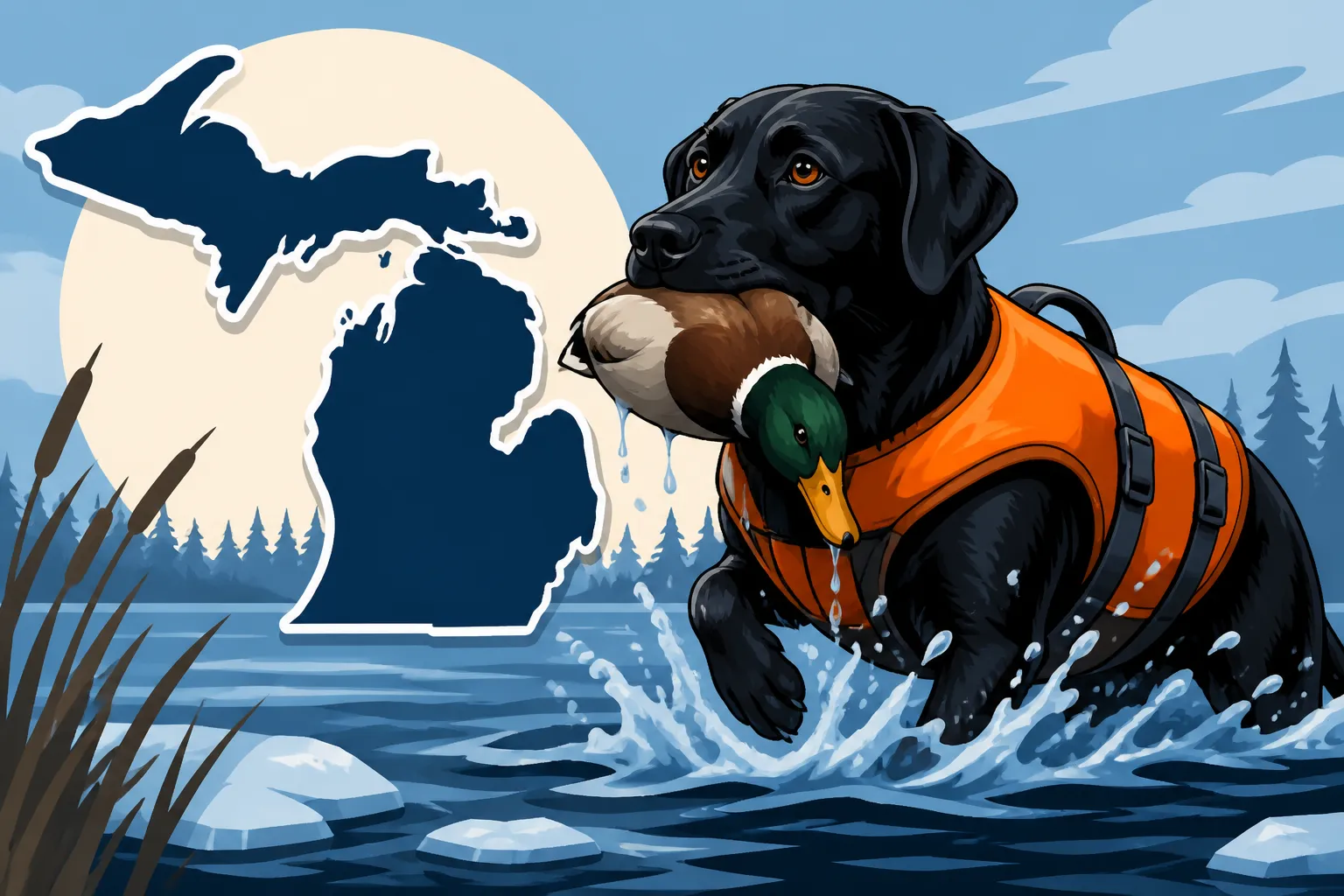
There's nothing quite like sharing a Michigan duck or goose hunt with a well-trained retriever. They live for those retrieves, especially when a bird splashes down in cold, open water. But as any seasoned waterfowler knows, those icy Michigan waters can quickly turn a glorious hunt into a dangerous situation for your beloved hunting companion. This guide is all about helping you understand why a quality dog vest is an absolute game-changer for cold water retrieves, what to look for, and how to keep your dog safe, warm, and ready for action, even when the thermometer plummets.
Why a Dog Vest is Essential for Cold Water Hunting in Michigan
Michigan's waterfowl seasons often stretch into the late fall and early winter, bringing with them bracing winds, freezing temperatures, and water that can shock the system. Without proper protection, your dog is at serious risk of hypothermia and injury. A good cold water vest isn't just an accessory; it's a vital piece of safety equipment.
The Michigan Climate Challenge for Retrievers
Think about a crisp November morning on Saginaw Bay, or a blustery December day hunting divers on Lake St. Clair. The air temperature might be hovering around freezing, but the water itself can be much colder. When your retriever jumps into that water, their core body temperature can drop rapidly. This isn't just uncomfortable; it's dangerous. Hypothermia sets in when a dog's body loses heat faster than it can produce it, leading to shivering, lethargy, muscle stiffness, and, if unchecked, can be fatal. A vest acts as a wetsuit, trapping a layer of warm water against their body and slowing that heat loss considerably. It's the difference between a quick, efficient retrieve and a shivering dog trying desperately to warm up on the bank, or worse, succumbing to the cold out in the water.
Beyond the immediate cold, Michigan's varied waterfowl habitats present other challenges. Think about jumping into an icy marsh, navigating submerged timber, or fighting through dense cattails. These environments can lead to cuts, scrapes, and abrasions on unprotected skin. A well-constructed vest provides a physical barrier, offering a layer of protection against these unseen hazards.
Protecting Against Injury and Enhancing Visibility
It’s not just about staying warm; it’s also about staying safe. Picture your dog busting through thick ice in a shallow backwater marsh or navigating through a tangle of downed logs in a river system. A durable vest can provide a much-needed shield against sharp ice shards or jagged branches that could easily cut unprotected skin. These minor injuries might not seem like much in the heat of the moment, but they can sideline a dog for weeks, or worse, become infected.
Furthermore, visibility is paramount, especially during the low light conditions often experienced during dawn and dusk waterfowl hunts. A vest, particularly one in bright colors like orange or yellow, makes your dog much easier to spot. This is crucial when they're making a long retrieve across open water, when fog rolls in, or when you're working with multiple hunters in crowded areas. Being able to quickly locate your dog provides peace of mind and significantly reduces the risk of accidental injury. Many vests also feature reflective strips, adding an extra layer of safety during those early morning sets or late evening pick-ups. When you are out Layout Hunting Michigan Big Water, being able to spot your dog quickly in the waves is essential.
Key Features to Look for in a Cold Water Dog Vest
When you're investing in a cold water vest for your hunting partner, you want to make sure it's up to the task of Michigan's challenging conditions. Not all vests are created equal, and understanding the critical features will help you choose the right one for your specific hunting style.
Insulation and Buoyancy: The Core Essentials
The primary function of a cold water dog vest is to keep your dog warm. This means looking for excellent insulation. Neoprene is the most common and effective material for this, much like a human wetsuit. The thicker the neoprene, the more insulation it provides. For serious late-season hunts where Michigan Duck Season Dates by Zone push into the frigid months, you'll want a vest with at least 3mm to 5mm thick neoprene. This thickness creates an insulating layer, trapping body heat and slowing down the chilling effect of cold water.
Beyond insulation, buoyancy is another critical factor. Many vests are designed not just to insulate but also to aid in flotation. This can be a lifesaver for dogs working in deep, fast-moving water or making long retrieves. Added foam inserts, often strategically placed on the back and sides, help your dog stay afloat with less effort, reducing fatigue. This is especially important for younger dogs, older dogs, or those with less stamina who might be struggling against currents or in rough water. A buoyant vest allows them to conserve energy for the retrieve itself, rather than fighting to stay above water. It's a noticeable difference when your dog is paddling against a strong wind on a lake or navigating a strong current on a river.
Durability and Visibility: Built to Last and Be Seen
Michigan's wild places are tough on gear, and a dog vest is no exception. You need a vest that can stand up to constant abuse from brush, ice, and dog teeth. Look for vests made from heavy-duty, puncture-resistant materials beyond just the neoprene itself. Many quality vests incorporate Cordura or other tough fabrics on the outer shell, especially in high-wear areas like the chest and belly. Reinforced stitching and robust zippers or buckles are also signs of a well-made, durable vest that won't fall apart after a few retrieves. You don't want to be out in a remote spot and have your dog's vest tear, leaving them exposed.
As mentioned earlier, visibility is key for safety. Many cold water vests come in bright colors like blaze orange, yellow, or even camouflage patterns with high-visibility accents. Blaze orange is often the preferred choice for maximum visibility, making it easier to spot your dog in dense cover or across vast stretches of water. Consider vests that incorporate reflective elements, which are fantastic for early morning or late evening hunts when light is low. The more easily you can see your dog, the safer they will be, especially if they wander a bit or get tangled up. When you're using resources like GoHunt to scout new Hunting a Marsh After the Morning Draw locations, thinking about potential low-light scenarios and ensuring your dog's vest offers high visibility is a smart move.
Fit and Adjustability: Comfort and Performance
A vest that doesn't fit properly is as good as no vest at all. Too loose, and it will chafe, fill with water, and offer poor insulation. Too tight, and it will restrict movement and breathing. Look for vests with multiple adjustment points, typically around the neck and girth, using strong Velcro straps or adjustable buckles. This allows for a snug, custom fit that stays in place during vigorous activity. The vest should fit snugly enough that it doesn't shift, but loose enough that you can comfortably slide two fingers underneath the straps.
The cut of the vest is also important. It should cover the dog's chest and belly well, protecting vital organs, but should also allow for a full range of motion in their legs. You don't want a vest that impedes their ability to run, swim, or jump. Many high-quality vests feature ergonomic designs that contour to a dog's body, ensuring comfort and unrestricted movement. Some also include a sturdy grab handle on the back, which can be invaluable for helping your dog in and out of boats, over obstacles, or for quickly controlling them. A proper fit is crucial not just for warmth and safety, but also for your dog's comfort and willingness to wear the vest, which impacts their overall performance in the field.
Different Types of Dog Vests and Their Best Uses
Just like human hunting gear, dog vests come in a variety of designs, each with its strengths. Understanding these differences will help you pick the best vest for your retriever and the specific conditions you'll face in Michigan.
Neoprene Vests: The Workhorse for Waterfowlers
Neoprene vests are the gold standard for cold water retrieves, and for good reason. They are essentially a dog's version of a wetsuit. Made from closed-cell foam rubber, neoprene excels at insulating by trapping a thin layer of water against the dog's body, which is then warmed by their own body heat. This dramatically slows down heat loss, making them indispensable for hunts involving prolonged exposure to cold water.
These vests typically come in various thicknesses, with 3mm being common for moderate conditions and 5mm for extreme cold or extended water time. They are often cut to cover the chest and belly extensively, protecting the most vulnerable areas. Many models also incorporate a certain amount of inherent buoyancy due to the neoprene material itself, with some adding extra foam inserts for enhanced flotation. When you're Great Lakes Waterfowl Hunting in Michigan or chasing geese in cut cornfields where retrieves might end up in a freezing drainage ditch, a good neoprene vest is your best friend. They're durable, flexible, and offer the best balance of warmth, protection, and mobility for dedicated water dogs.
Cordura and Other Durable Outer Shell Vests
While neoprene handles the insulation, some vests integrate other durable materials for added protection. These often feature an outer layer of Cordura or similar heavy-duty nylon over the neoprene. These vests are built like tanks, designed to withstand the harshest environments that Michigan hunting can throw at them. Think about pushing through dense dogwood thickets along a river, scrambling over beaver dams, or breaking through thin ice.
The Cordura outer shell provides superior abrasion and puncture resistance, protecting the neoprene (and more importantly, your dog's skin) from tears and snags. These vests are particularly valuable if your hunting style involves a lot of overland travel through thick brush before or after water retrieves. They still offer excellent insulation and often include flotation panels, but their real advantage is that extra layer of ruggedness. If your dog is constantly crashing through cover, a vest with a reinforced outer shell can significantly extend the life of the vest and reduce the risk of injury. These vests are excellent when you are working cover near water, such as Hunting Michigan Swamp Edges for Deer and might jump a couple of ducks in the process.
Specialized Cold Weather and Flotation Options
Beyond the standard neoprene and reinforced vests, there are some specialized options designed for very specific needs. For instance, some extreme cold weather vests might incorporate additional insulation layers, like fleece linings, or more extensive coverage to protect even more of the dog's body, potentially with an integrated head or neck cowl. These are generally for the most extreme late-season hunts where temperatures consistently stay well below freezing, and the risk of hypothermia is paramount.
On the other end, some vests prioritize maximum flotation, often featuring larger, more prominent foam panels. While they still offer some insulation, their primary purpose is to keep the dog high in the water, reducing the energy expended on staying afloat. These might be preferred for very young or old dogs, or those with physical limitations, especially in rough water conditions or where very long retrieves are common. They are not always as sleek or flexible as pure neoprene vests but offer unparalleled buoyancy. When considering a Michigan Waterfowl Migration Timing hunt that takes you to expansive, open waters, thinking about enhanced flotation could be crucial.
| Vest Type | Primary Benefit | Key Features | Best Michigan Use Case |
|---|---|---|---|
| Neoprene Vest | Core Warmth & Buoyancy | 3-5mm neoprene, snug fit, flexible | Standard waterfowl hunting, all-around cold water protection |
| Cordura/Durable | Enhanced Durability | Neoprene + rugged outer shell (Cordura/Nylon) | Hunting thick brush near water, breaking ice, rough terrain |
| Specialized Cold | Extreme Insulation | Thicker neoprene, fleece lining, extended coverage | Late-season hunts, prolonged exposure to freezing water |
| Flotation Assist | Max Buoyancy | Large foam panels, high visibility | Young/old dogs, rough water, long retrieves, less focus on speed |
Fitting and Maintaining Your Dog's Cold Water Vest
Even the best dog vest won't perform optimally if it doesn't fit correctly or isn't properly cared for. Taking the time to get the right size and establish a routine for maintenance will ensure your investment lasts for many seasons and keeps your dog safe and comfortable.
Getting the Right Size and Fit
This is perhaps the most crucial step after deciding on the type of vest. A poorly fitting vest can cause chafing, restrict movement, or simply not provide adequate insulation. Most manufacturers provide sizing charts based on chest girth, neck circumference, and sometimes back length. It’s absolutely essential to measure your dog carefully. Don't guess their size or rely on the size of their regular harness. Use a flexible tape measure to get accurate numbers.
Once you have the vest, try it on your dog at home before the hunt. It should fit snugly but not be so tight that it restricts breathing or movement. You should be able to comfortably slide two fingers under the straps at the neck and around the girth. Watch your dog walk, run, and even mimic swimming if possible. Look for any areas that seem to bind or chafe. If the vest sags in the belly, it can fill with water, negating its insulating properties. Conversely, if it’s too tight, it will impede their natural range of motion, which is crucial for efficient retrieves. Pay attention to how it sits around their armpits; this is a common area for chafing. A properly fitted vest will move with your dog, becoming a second skin, allowing them to perform their duties without discomfort or impediment. If you're unsure between two sizes, it's often better to go with the slightly larger one if it still allows for adequate adjustment.
Care, Cleaning, and Longevity of Your Vest
Hunting gear, especially that exposed to water, mud, and dog hair, needs regular care. Dog vests are no different. After every hunt, especially those in brackish or muddy water, rinse the vest thoroughly with fresh water. This removes mud, debris, and any potential irritants. Pay special attention to any Velcro closures, as mud and burrs can quickly compromise their effectiveness.
Periodically, you’ll want to give the vest a more thorough cleaning. Use a mild soap and warm water, scrubbing gently to remove any stubborn grime or odors. Avoid harsh chemicals or bleach, as these can degrade the neoprene or other materials. Always air dry the vest completely, ideally out of direct sunlight, before storing it. Hanging it upside down can help drain any water trapped inside. Never put it in a dryer, as high heat can damage the neoprene and cause it to lose its flexibility and insulating properties. Proper care not only keeps the vest clean and functional but also extends its lifespan, ensuring it’s ready for many seasons of Michigan waterfowl hunting to come. Inspect the vest regularly for any tears, frayed stitching, or worn spots, and repair them promptly if possible to prevent further damage.
Training Your Dog to Wear a Vest
For some dogs, wearing a vest might feel a bit strange at first. It's not something they wear every day, and the added bulk can be unfamiliar. Introduce the vest to your dog gradually and positively. Start by letting them sniff it, rewarding them with treats and praise. Then, put it on for short periods, gradually increasing the duration. Do this in a comfortable, familiar environment, like your home or yard, not right before a hunt.
Engage them in short play sessions or walks while they’re wearing the vest. This helps them get used to the feel and realize it doesn’t hinder their movement. Never force the vest on your dog, as this can create a negative association. Make it a positive experience with plenty of rewards. Before taking them on a real hunt, consider a "dress rehearsal" by taking them to a local pond or lake (when permitted and safe) for some retrieves with the vest on. This allows them to get used to swimming and retrieving while wearing it, building confidence. A well-conditioned and comfortable dog in a properly fitted vest will be a more effective and safer hunting partner, ready to tackle any retrieve in Michigan's demanding waterfowl environments. For more insights on preparing your dog for the field, you might find valuable information in posts about Hunting Michigan Waterfowl on the Great Lakes or Michigan's Three National Forests.
Disclaimer
This article is for general informational purposes only and does not constitute professional advice. Laws, prices and regulations vary by location and change over time. Consult a qualified professional for guidance on your specific situation.