Spot-and-Stalk Bear in the Upper Peninsula
Spot-and-stalk bear hunting in Michigan's Upper Peninsula is often seen as a near-impossible feat by many hunters, and honestly, the thought of finding a bear in those vast, dense woods without bait or hounds can feel incredibly daunting. You're not alone if you've felt the frustration of trying to even locate bear sign, let alone the bear itself, in an environment where they blend seamlessly with the shadows and move like ghosts. This guide is dedicated to demystifying the spot-and-stalk approach, breaking down the strategies and mindsets needed to successfully pursue black bears in the U.P. on their own terms, relying purely on your skill, patience, and keen observation.
The Elusive Nature of Upper Peninsula Black Bears
Hunting black bears in the U.P. without the aid of bait or hounds means you're entering their world on their terms, making a deep understanding of their behavior, habitat, and movement patterns absolutely crucial. These aren't creatures that simply wander aimlessly; they are incredibly intelligent, adaptable, and masters of their environment, constantly seeking food, water, and security. Forget what you think you know about how deer operate; bears are a whole different ballgame.
Bear Behavior and Habitat Preferences
Michigan's black bear population, particularly in the Upper Peninsula, thrives in vast tracts of unbroken forest, characterized by a mix of coniferous swamps, dense hardwoods, and clearcuts. They are creatures of incredible stealth and power, capable of covering vast distances with surprising quietness. Understanding their daily routines is paramount: bears are often most active during dawn and dusk, but they can be found foraging at any time, especially when food sources are abundant. Their acute sense of smell is legendary, guiding them to food from miles away, while their hearing and eyesight are also top-notch, making close approaches incredibly difficult.
Their preferred habitats often include thick cedar swamps, beaver flowages, heavy conifer stands, and dense patches of young aspen and alders. These areas provide both abundant food in the form of berries, nuts, and grubs, and the dense cover they need for security and bedding. When you're out there, you'll notice how these areas aren't always easy to traverse, forcing you to slow down and really pay attention to every detail. It's a stark reminder that you're in their home, not a manicured park.
Bears will often use natural corridors like old logging roads, game trails, and river bottoms to travel between feeding and bedding areas. They're also not above swimming across rivers or lakes to get where they need to go, showcasing their incredible adaptability. Identifying these travel routes and understanding how bears utilize them in relation to available food and cover is like unlocking a secret code to their movements. You can learn more about where these magnificent creatures typically reside by exploring resources on Where Michigan Bears Range.
Seasonal Movement and Food Sources
The U.P. bear's diet is incredibly varied and dictates much of their seasonal movement. In spring, after emerging from their dens, they're often found gorging on tender greens, grasses, and carrion left over from winter. As summer progresses, their focus shifts to berries – blueberries, raspberries, and blackberries are huge draws, especially in clearcuts or burns where sunlight has encouraged their growth. These open, regenerating areas, though difficult to hunt, can be goldmines of bear activity.
Come fall, the pursuit of high-calorie foods becomes critical as bears prepare for hibernation. This is when acorns and beech nuts become prime targets, drawing bears to mature hardwood ridges. Understanding this shift is vital for a spot-and-stalk hunter. If you're hunting early in the season, you might focus on berry patches or swamp edges, but by late September and October, those oak and beech ridges are where you need to be. Knowing which mast crops are producing in a given year can make or break your hunt, as bears will bypass other areas to focus on these energy-rich foods.
Challenges of U.P. Terrain
The Upper Peninsula offers some of the most challenging, yet rewarding, hunting terrain in Michigan. We're talking about vast, untamed wilderness where cell service is often a distant memory, and the woods are truly wild. You'll encounter dense cedar swamps that seem to swallow sound and light, rugged hardwood ridges that climb steeply, and sprawling clearcuts choked with impenetrable tag alders and young aspens. This isn't your open, park-like forest; it's a place where every step is a deliberate effort, and silent movement is a constant battle.
The sheer size of the U.P. is another hurdle. Public land stretches for miles, meaning bears have endless places to roam and hide. This immensity can be overwhelming, making it feel like finding a needle in a haystack. But it's also what makes the challenge so appealing. You need to be prepared for long walks, navigating through thick cover, and dealing with potentially changing weather conditions. It requires a different level of physical and mental preparedness than many other forms of hunting, and it's a big part of why a successful spot-and-stalk U.P. bear hunt feels like such an accomplishment.
Strategic Pre-Season Intelligence Gathering
Success in spot-and-stalk bear hunting, especially in the challenging environment of the U.P., is rarely a matter of luck. It's built on a foundation of meticulous pre-season intelligence gathering. You need to become a detective, piecing together clues from maps, technology, and actual boots-on-the-ground scouting long before the season even opens. This isn't just about identifying a good hunting spot; it's about understanding the entire ecosystem a bear might utilize.
Utilizing Maps and Technology
In today's hunting world, digital mapping tools are indispensable, especially for navigating the vastness of the U.P. Apps like GoHunt, onX Hunt, and BaseMap allow you to study satellite imagery, topo maps, and land ownership boundaries from the comfort of your home. Before you even set foot in the woods, you can identify potential bear habitat: dense cover, water sources, and areas with known food producers like oak or beech ridges. Look for distinct changes in vegetation, clearcut boundaries, and swamp fingers that might act as travel corridors.
Beyond merely identifying features, these tools help you plan your approach and escape routes. You can mark potential glassing knobs, identify difficult terrain to avoid, and even track historical weather patterns for the area. Don't underestimate the power of these digital aids. They help you narrow down massive tracts of public land into manageable, high-probability areas. While it won't put a bear in front of you, it will put you in a position to find one. For a broader understanding of scouting techniques, consider reading Scouting Michigan Public Land Before Season.
Locating High-Probability Areas
Once you've done your digital reconnaissance, it's time to hit the ground. Pre-season scouting for bears is less about finding fresh tracks and more about identifying consistent food sources and cover. Look for mast crops (acorns, beechnuts) in the fall, and in late summer, focus on areas known for blueberries or raspberries. Check for old bear sign: claw marks on trees, overturned rocks or logs where they've dug for grubs, and scat. While fresh sign is always exciting, consistent historical sign in a productive habitat is often a better indicator for a spot-and-stalk approach.
Walk potential travel corridors, paying close attention to thick edges between feeding and bedding areas. Consider natural funnels that might concentrate bear movement. Rivers, steep ridges, or distinct timber changes can all act as these natural choke points. Remember, bears are looking for the path of least resistance when traveling but the densest cover when bedding. The overlap of these two needs, especially near abundant food, is your sweet spot. You can also research Michigan's official Michigan Bear Management Units to understand the general distribution and population density in areas you're considering.
Physical Conditioning and Mental Toughness
Spot-and-stalk bear hunting in the U.P. is not for the faint of heart. It requires a significant physical commitment. You'll be covering miles, often through rugged, uneven terrain, climbing hills, and pushing through thick brush – all while trying to remain as quiet as possible. This isn't a sit-in-a-treestand-all-day type of hunt. Good physical conditioning, including endurance and strength training, will not only help you cover ground more effectively but also improve your stamina for long hours of silent observation and methodical stalking.
Just as important as physical fitness is mental toughness. You will likely spend countless hours seeing nothing. You will question your strategy, your location, and your abilities. The vastness of the U.P. can play tricks on your mind, making it feel like the task is insurmountable. You need to cultivate patience, persistence, and an unwavering belief that the bear is out there, and you can find it. Each blank day is a learning experience, ruling out areas and refining your understanding of the woods. It's a grind, but the reward of a successful spot-and-stalk is unmatched.
Mastering the Spot-and-Stalk Technique
This is where the rubber meets the road. Once you've done your homework and you're out in the U.P. woods, the actual spot-and-stalk technique demands a blend of acute observation, unparalleled patience, and meticulous execution. It's a game of chess against one of nature's most elusive opponents, where every move you make, or don't make, can determine success or failure.
Glassing Techniques and Patience
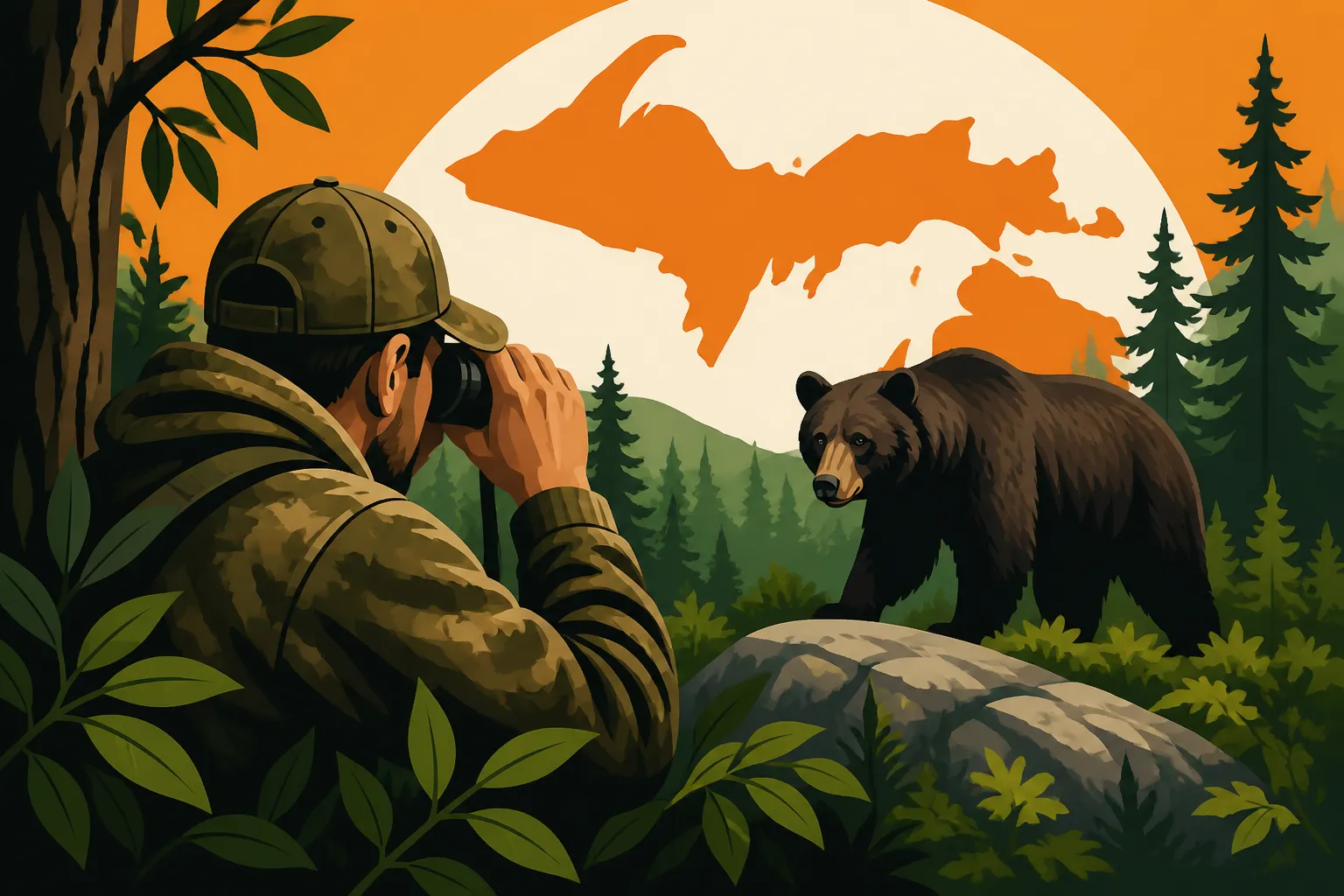
Effective glassing is the cornerstone of spot-and-stalk hunting, and for U.P. bears, it’s about slow, methodical observation of high-probability areas. Find a vantage point that overlooks a clearcut, a series of hardwood ridges, a vast swamp edge, or a river bottom known for food sources. Set up before first light or in the late afternoon, giving yourself plenty of time. Use good quality binoculars, perhaps 10×42 or 12×50, on a tripod if possible, to minimize shake and maximize clarity. Systematically grid the landscape, starting close and working your way out, looking for anything that seems out of place – a patch of black that isn't a shadow, a subtle movement, an ear twitch, or the unmistakable outline of a bear.
Patience cannot be overstated. A bear might appear and disappear in moments, or it might spend an hour feeding in a berry patch. Many times, you'll feel like giving up, convinced nothing is there. But bears are masters of camouflage, and the U.P. provides endless nooks and crannies for them to hide. Don't rush. Spend 30 minutes, an hour, or even longer in a single spot if the conditions are right. Sometimes it's the 59th minute of an hour-long sit when that tell-tale black form finally steps into view. This is also where understanding potential Bear Encounters Around Michigan Cabins can give you insights into their unexpected presence in various areas, even if less remote.
Reading Sign and Tracking
While glassing is critical, the vastness and density of U.P. habitat mean you won't always spot a bear from afar. Often, you'll stumble upon fresh sign, and that's when your tracking skills become essential. Fresh tracks in mud or soft earth, claw marks on trees where bears have climbed or rubbed, recent scat (especially if it contains berry seeds or nut husks), and overturned rocks or logs are all clues. The fresher the sign, the closer the bear. Pay attention to the direction of travel, the gait of the bear (walking, trotting, running), and whether it appears to be feeding or traveling.
Tracking in the U.P. can be incredibly challenging. The forest floor is often covered in leaves, needles, and moss, making tracks ephemeral. You need to look for disturbed vegetation, broken twigs, or even faint depressions in the ground. When you lose the track, try circling out in the direction of travel, looking for the next piece of evidence. This is a slow, methodical process that requires intense focus and often, a willingness to get on your hands and knees. It’s an art form, really, and one that improves only with practice.
Executing the Stalk
Once you’ve spotted a bear or are following a hot track, the stalk begins. This is arguably the most critical and delicate phase. Bears have incredible senses, and even a slight misstep, a rustle of leaves, or an exposed profile can send them vanishing into the timber. Wind direction is paramount; always approach with the wind in your face or quartering. Use terrain features and dense cover to your advantage, moving slowly and deliberately. If the bear is feeding, try to time your movements with its head down, freezing when it lifts its head to scan.
Sound discipline is key. Every step must be planned, ensuring you don't snap twigs or scrape branches. Sometimes, it means taking a longer, more circuitous route to stay concealed and downwind. There will be moments when you are practically crawling. The goal is to get within comfortable shooting range, ideally 50-100 yards for most rifle hunters, or much closer for archery. Before initiating the final approach, identify potential shooting lanes and escape routes should the bear move. This phase demands an extraordinary blend of patience, stealth, and calculated risk. Remember, the goal is not just to see the bear, but to get into a position for an ethical shot, a topic you might find more detail on in Shot Placement on a Black Bear.
Essential Gear for U.P. Bear Hunters
Spot-and-stalk bear hunting in the Michigan U.P. is a demanding endeavor, and your gear needs to be up to the task. This isn't a casual stroll in the park; it's an expedition into rugged wilderness, and having the right equipment can make the difference between a successful hunt and a miserable, potentially unsafe, experience. Every item you carry should serve a purpose, be durable, and ideally, be lightweight enough to allow for efficient, quiet movement.
Optics and Rifle/Bow Choices
For spot-and-stalk hunting, good optics are non-negotiable. A high-quality pair of binoculars (10×42 or 12×50) is your most important tool for spotting bears from a distance in thick cover. Consider a rangefinder as well, to accurately gauge shot distances in varying terrain. A spotting scope can be a luxury for certain vantage points but might be overkill given the dense nature of much of the U.P. forests. When it comes to your weapon, whether rifle or bow, choose something reliable and accurate that you are proficient with. For rifles, common calibers like .30-06, .308, .450 Bushmaster, or 6.5 Creedmoor are popular and effective for black bear. Ensure your rifle is sighted in and that you've practiced shooting from various field positions.
Archery hunting for bear requires an even closer approach, demanding exceptional stealth and patience. A compound bow with a suitable draw weight and well-tuned broadheads is essential. Whatever your weapon choice, familiarity and confidence are key. This isn't the time to be trying out a new caliber or setup. Practice extensively with your chosen equipment to ensure ethical and humane harvesting. You'll find more insights into rifle choices for the region in topics such as Rifle Calibers for Michigan Bear.
Clothing and Footwear for Rugged Terrain
Your clothing system needs to be adaptable to the U.P.'s notoriously unpredictable weather. Layering is crucial. Start with a moisture-wicking base layer, add an insulating mid-layer (fleece or synthetic down), and top it with a durable, waterproof and windproof outer shell. Camouflage patterns should match the environment, often a mix of greens, browns, and grays that mimic the varied forest. Quiet fabrics are essential for stalking; avoid anything that rustles or makes noise when you move. Merino wool or quiet synthetics are excellent choices. Don't forget a blaze orange vest or hat for visibility during firearm seasons, adhering to How Much Orange Michigan Requires.
Footwear is arguably the most critical clothing item. You need sturdy, waterproof boots with excellent ankle support and aggressive traction. The U.P. is full of wet, uneven ground, mud, and slippery rocks. A high-quality pair of rubber boots or waterproof hiking boots will protect your feet and provide the necessary grip for silent, confident movement. Break them in well before the season to avoid blisters. Carry extra socks! Nothing makes a hunting trip miserable faster than wet, cold feet.
Navigation and Safety Tools
Getting lost in the vastness of the U.P. is a real concern, making reliable navigation tools non-negotiable. A fully charged smartphone with offline maps (like those offered by GoHunt or onX Hunt) is a good start, but always carry a backup. A dedicated GPS unit or a traditional map and compass are essential redundancies, especially if your phone battery dies or signal is nonexistent. Know how to use them! Mark your vehicle location and plan your routes carefully.
Safety is paramount when hunting in remote bear country. A well-stocked first-aid kit is essential – remember to pack items for cuts, blisters, snakebites (though rare with bears, still good to have), and any personal medications. Consider carrying bear spray, especially if you're alone, and know how to use it. A whistle for emergencies, a headlamp with extra batteries, fire-starting materials, and a multi-tool are also smart additions to your pack. Inform someone of your hunting plans, including your general area and expected return time. This is particularly important in remote locations, and preparing for unforeseen circumstances is covered in more detail in First Aid Kits for Remote Upper Peninsula Ground.
Navigating the Challenges and Staying Safe
Spot-and-stalk bear hunting is inherently challenging, pushing hunters to their limits both physically and mentally. The unique environment of Michigan's Upper Peninsula adds layers of complexity, demanding a proactive approach to safety and a deep respect for both the game and the wilderness itself. Understanding potential pitfalls and adhering strictly to regulations are crucial for a successful and ethical hunt.
Bear Encounters and Deterrents
While black bears are generally shy and will avoid humans, close encounters can happen, especially if you surprise a bear, a sow with cubs, or if a bear is focused on a food source. The vast majority of these encounters are harmless, with the bear retreating. However, it's vital to know how to react. Make noise while walking to avoid surprising them. If you do encounter a bear, especially one that seems unaware of you, back away slowly and give it plenty of space. If a bear does acknowledge you and stands its ground, make yourself look as large as possible, make noise, and slowly back away. Never run, as this can trigger a chase response.
Carrying bear spray is a wise precaution, particularly in dense cover where visibility is limited. Know how to quickly deploy it. While rare, aggressive encounters can occur, and being prepared can save lives. Understanding typical bear behavior, as covered in Bear Encounters Around Michigan Cabins, can help you gauge the situation and react appropriately, ensuring both your safety and that of the bear. The goal is to avoid confrontation and respect their space.
Understanding Regulations and Permits
Michigan has specific regulations regarding bear hunting, which are designed to manage the bear population responsibly and ensure hunter safety. Before you even head to the U.P., you need to understand the Michigan bear licence drawing process and possess the correct permit for your chosen bear management unit (BMU). Bear season dates and bag limits vary by BMU, so ensure you know the specific rules for where you plan to hunt. Failure to comply can result in significant penalties.
Beyond the specific bear regulations, general hunting laws apply. This includes legal shooting hours, hunter orange requirements during specific seasons, and rules regarding firearm or bow restrictions. Always check the current Michigan DNR hunting digest before heading afield, as regulations can change annually. It’s your responsibility as a hunter to be fully informed and compliant with all state laws. Information on obtaining your permit can be found by researching the Michigan Bear Licence Drawing.
Responsible Hunting Practices
Ethical hunting goes beyond simply following the law. It encompasses a deep respect for the animal, the environment, and the hunting tradition. For spot-and-stalk bear hunting, this means taking only ethical shots that offer the highest probability of a clean, humane kill. Pass on marginal shots, even if it means letting a bear walk away. Be prepared to track a wounded animal, and understand the challenges of tracking a bear in the U.P.'s dense cover. This might involve blood trailing for long distances, sometimes into thick, unforgiving terrain.
Additionally, responsible hunting includes minimizing your impact on the land. Pack out everything you pack in, and leave no trace. Be mindful of other users of public land, including hikers, campers, and other hunters. U.P. wilderness is a shared resource, and preserving its integrity is part of the hunter's ethos. Respecting the animal after the kill, ensuring all meat is properly cared for, and reporting your harvest promptly are all part of being a responsible Michigan hunter. You can review topics like Michigan Black Bear Hunting for more on overall best practices.
Post-Harvest Protocol and Documentation
Successfully taking a bear via spot-and-stalk in the U.P. is a monumental achievement, but the hunt isn't truly over until the animal is properly processed, reported, and its meat and hide are cared for. The rugged nature of the Upper Peninsula presents its own unique challenges for post-harvest tasks, and being prepared for these steps is just as crucial as the hunt itself.
Field Dressing and Meat Care
Once you've harvested a bear, the clock starts ticking, especially if temperatures are mild. Field dressing should commence as quickly as possible to cool the meat and prevent spoilage. Bears carry a significant amount of fat, which can insulate the meat and retain heat, making thorough field dressing even more critical. Remove all entrails, and if possible, split the sternum and pelvis to allow for maximum airflow. In warm weather, you might even consider skinning the bear in the field or quartering it to aid in cooling.
Given the vast distances and often remote locations in the U.P., having a plan for meat care is essential. Bring game bags to protect the meat from dirt, insects, and debris. If you're backpacking deep into the woods, having a sturdy frame pack to bone out the meat and carry it out in manageable sections will be a game-changer. Never waste the meat; it's a valuable resource. Proper handling ensures you'll have delicious bear meat to enjoy for months to come. Learn more about post-kill practices in Handling a Bear After the Shot.
Recovery and Extraction Challenges
Recovering a black bear in the U.P. can be one of the most physically demanding aspects of the entire hunt. Bears are heavy, muscular animals, and the terrain is rarely flat or easy to navigate. If you're fortunate enough to harvest a bear close to a road or trail, dragging or using a game cart might be feasible. However, more often than not, you'll find yourself far from easy access, potentially in a thick swamp or up a steep ridge.
This is where the decision to quarter or bone out the animal in the field becomes not just a preference, but a necessity. Having a sharp knife, a bone saw, and game bags is vital. Enlisting the help of hunting partners is highly recommended. The difficulty of extracting a bear from deep U.P. wilderness should never be underestimated, and planning for it before you pull the trigger is paramount. Consider bringing sturdy rope, and if hunting with others, coordinating a recovery strategy beforehand.
Reporting and Tagging Requirements
Michigan law requires all harvested bears to be reported and tagged according to specific regulations. Typically, you'll need to validate your bear license immediately after the kill by notching the date and time. Within 72 hours, you must present the bear (or its skull and hide) to a DNR check station for registration and collection of biological data. This process is crucial for Michigan's bear management efforts, as it provides valuable information on population health, age structures, and harvest trends.
During the check station process, the DNR will provide you with a CITES tag if required, which allows for legal transport of the hide and skull across state lines, if applicable. They will also collect a tooth for aging the bear. Failure to report your harvest or properly tag the animal can lead to legal penalties. Always familiarize yourself with the most current reporting requirements well in advance of your hunt. This is a crucial step in fulfilling your responsibility as a successful Michigan bear hunter.
Comparative Challenges: Spot-and-Stalk vs. Other Methods
| Feature | Spot-and-Stalk Hunting (U.P. Bear) | Baiting (Lower Peninsula) | Hound Hunting (U.P. Bear) |
|---|---|---|---|
| Primary Skill Set | Extreme patience, observation, tracking, stealth, physical endurance | Bait management, stand placement, understanding bear feeding habits | Dog training, navigation, knowledge of dog behavior, tracking dogs |
| Physical Demands | Very High (miles of walking, rugged terrain, heavy pack-out) | Moderate (treestand setup, bait hauling, waiting in stand) | High (following dogs through rugged terrain, sometimes running) |
| Success Rate | Low to Moderate (highly dependent on skill, conditions, and persistence) | Moderate to High (if bait site is active) | Moderate to High (requires well-trained dogs and effort) |
| Ethical Challenge | Highest personal challenge, direct interaction, fair chase | Ethical concerns around conditioning bears to human food sources | Ethical concerns about dog safety, pursuit duration, bear stress |
| Gear Intensity | High (premium optics, navigation, durable clothing, robust pack system) | Moderate (treestand, bait, scent control) | High (GPS collars, dog vests, dog first aid, long-range communication) |
| Environmental Impact | Very Low (minimal disturbance, leave no trace) | Moderate (bait placement, potential habituation) | Moderate (dog impact on wildlife, potential for property disputes) |
Disclaimer
The information provided in this article is for general guidance and educational purposes only. Hunting regulations and conditions can change rapidly. Always consult the most current Michigan Department of Natural Resources (DNR) regulations and guidelines before planning or engaging in any hunting activities. Hunting involves inherent risks, and safety should always be your top priority. Ensure you have proper training, permits, and equipment, and always hunt ethically and responsibly.