Michigan Bear Licence Drawing
Applying for a Michigan bear hunting license can feel like staring into a black hole – a confusing, often frustrating journey with an uncertain outcome. Many passionate hunters dedicate years, even decades, to building up preference points, only to face disappointment year after year. This comprehensive guide is designed to demystify the Michigan Department of Natural Resources (DNR) bear license drawing, helping you understand the system, maximize your chances, and prepare for the hunt of a lifetime.
The Quest for a Michigan Bear Tag: An Overview of the Drawing System
Getting a bear tag in Michigan isn't as simple as walking into a retail store and buying one. It's a highly competitive process, managed by a complex drawing system, and for good reason. Understanding the philosophy behind this system is the first step in navigating it successfully.
Why Bear Hunting is Strictly Regulated in Michigan
Michigan's black bear population is a conservation success story, but it's also a delicate balance. Bears are incredibly intelligent, resilient animals, but their numbers are not unlimited. Without careful management, overharvesting could quickly deplete local populations, especially in areas with high hunter pressure or limited habitat. The Michigan DNR is tasked with maintaining a healthy, sustainable bear population while still providing hunting opportunities. This means implementing strict regulations to ensure that the number of bears harvested each year doesn't negatively impact the overall health of the herd.
Think about it: if everyone who wanted a bear tag could get one, certain areas would be absolutely swamped with hunters. This would not only stress the bear population but also significantly degrade the quality of the hunting experience for everyone involved. The strict regulations protect both the resource and the tradition of hunting. They ensure that enough breeding adults remain to sustain future generations of bears, and they spread out the hunting pressure to prevent localized overharvesting.
Another critical aspect of the regulation is managing human-bear conflicts. As bear populations expand and human development encroaches on wild spaces, encounters between bears and people increase. Regulated hunting helps control bear numbers in specific areas, which can reduce incidents of bears raiding bird feeders, garbage cans, or even causing property damage. It’s a tool in the broader wildlife management toolbox to coexist with these magnificent creatures.
The Core Purpose of the Drawing Process
The drawing process, at its heart, is an allocation system. Because there are far more people who want to hunt bears than there are available tags, the DNR needs a fair and transparent method to distribute those limited opportunities. Imagine the chaos if it was a free-for-all or a first-come, first-served system; it would undoubtedly favor those with the fastest internet connection or the most flexible work schedule, leaving many dedicated hunters out in the cold.
The primary goal of the drawing is to provide equitable access to a limited resource. It's designed to give every eligible hunter a chance, regardless of their financial status or geographical location, though preference points certainly play a significant role, which we'll delve into later. The system also allows the DNR to precisely control the number of tags issued for each specific Bear Management Unit (BMU), tailoring harvest quotas to the unique population dynamics of that region. This granular control is essential for responsive and effective wildlife management.
Furthermore, the drawing system encourages long-term commitment to bear hunting. By allowing hunters to accumulate preference points over multiple years of unsuccessful applications, it rewards persistence. While it can be frustrating to wait, it ensures that those who have been trying for the longest eventually get their turn. This system helps foster a community of dedicated bear hunters who understand and respect the challenges and rewards of pursuing these animals. It’s a testament to the belief that valuable opportunities are worth waiting for.
Demystifying Bear Management Units (BMUs)
Michigan isn't just one big bear hunting zone; it's divided into several distinct regions, each with its own bear population dynamics, habitat characteristics, and hunting pressure. These are known as Bear Management Units, or BMUs, and understanding them is crucial for anyone hoping to draw a tag.
Defining Michigan's Bear Hunting Zones
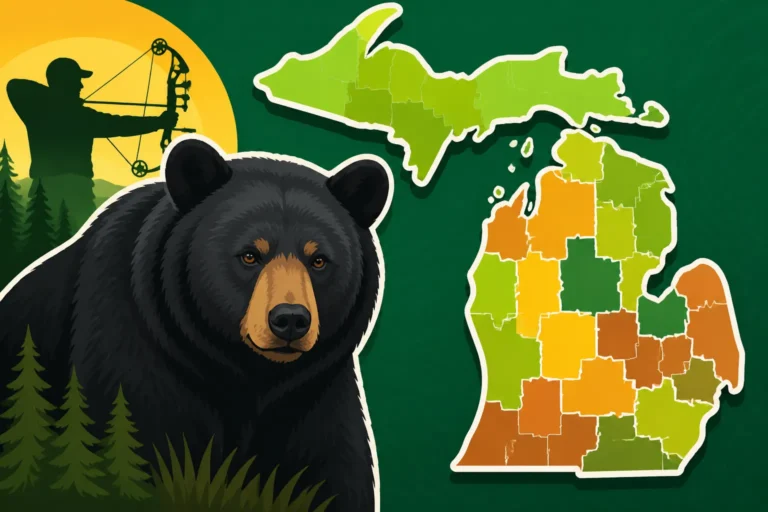
Michigan's Bear Management Units are geographical areas delineated by the DNR for the specific purpose of managing bear populations and allocating hunting licenses. These units are based on factors like bear density, habitat availability, traditional bear ranges, and human population centers. For instance, the Upper Peninsula, with its vast tracts of wilderness, typically has larger bear populations and more BMUs than the more densely populated Lower Peninsula.
The DNR constantly monitors these units, conducting surveys and analyzing harvest data to assess the health and size of the bear populations within each. This data informs their decisions on how many tags to issue for each BMU in a given year. Some BMUs might consistently offer more tags due to robust bear numbers, while others might be more restrictive, perhaps due to slower population growth or specific management goals. Knowing the general characteristics and typical tag availability for each unit, which you can learn more about in the detailed guide on Michigan Bear Management Units, is vital for your application strategy.
It's also important to remember that these unit boundaries aren't arbitrary. They often follow significant geographical features like major rivers, highways, or county lines, making them relatively easy to identify on a map. However, always double-check the most current DNR regulations and maps, as boundaries can occasionally be adjusted based on new data or management objectives. Your hunting success will depend heavily on selecting a unit that aligns with your desired hunting experience and has a realistic chance of drawing a tag.
How BMUs Influence Your Hunting Strategy
The BMU you apply for fundamentally dictates where you can hunt if you draw a tag. You can only hunt within the specific unit printed on your license. This means that your scouting efforts, your chosen hunting method, and even your gear considerations will all be shaped by the characteristics of that particular BMU. For example, some units might be dominated by vast public lands, while others might consist primarily of private property where securing permission is essential.
Consider the habitat differences between an Upper Peninsula BMU like Bergland or Baraga and a northern Lower Peninsula unit like Red Oak or Baldwin. The U.P. often means dense conifer swamps, vast hardwoods, and remote wilderness, where bears roam over huge areas. This might lend itself to still-hunting or running hounds, if you have access to dogs. Conversely, some Lower Peninsula units might have more fragmented habitat, intermixed with agriculture, making baiting a more common strategy if regulations allow. Knowing Where Michigan Bears Range is a critical first step in determining which BMU fits your hunting style and resources.
Furthermore, BMUs influence the hunting pressure you're likely to encounter. Units that are easier to draw, or those closer to major population centers, often see higher hunter numbers, especially during the early hunt periods. More remote units, while potentially harder to draw due to fewer tags, might offer a more solitary hunting experience. It's a trade-off, and your personal preference for solitude versus a higher chance of drawing a tag will play a big role in your BMU selection.
Understanding Quotas and Bear Harvest Trends
Every year, the DNR sets specific quotas for each BMU, determining the maximum number of bear licenses that will be issued for that unit. These quotas are not static; they fluctuate based on the most recent population estimates, reproductive success, past harvest rates, and winter mortality. If a BMU experiences a few mild winters and good cub survival, its quota might increase. Conversely, a severe winter or a year with lower cub production could lead to a reduced quota to protect the population.
Analyzing these quotas alongside historical harvest trends provides invaluable insight. The DNR publishes detailed reports on how many bears were harvested in each BMU, broken down by hunt period, sex, and age. This data can tell you a lot about the health of the bear population in a specific unit and the success rate of hunters. A consistently high harvest rate might indicate a healthy population, but it could also mean higher hunter effort or effectiveness. Looking at Michigan Bear Harvest Trends over several years can reveal patterns and help you predict future quota adjustments.
It's not just about the total quota, but also how those quotas are distributed across the various hunt periods within each BMU. Some units have multiple hunt periods, often with different tag allocations for each. For instance, an early period might have a higher quota than a late period, or vice versa, depending on management objectives. These nuances are critical to consider, especially if you have a specific time frame you can hunt. The more thoroughly you research a BMU's quotas and harvest history, the better equipped you'll be to make an informed decision on your application.
The Application Journey: From Eligibility to Submission
The bear license application process, while daunting at first glance, is a structured series of steps. Knowing the requirements and deadlines is essential to avoid missing out on your chance at a tag.
Who Can Apply for a Michigan Bear License
Generally speaking, any Michigan resident or non-resident hunter who meets the age requirements and possesses a valid base hunting license can apply for a Michigan bear license. For residents, this typically means anyone who has lived in Michigan for at least six consecutive months. Non-residents are also welcome to apply, though their license fees are usually higher. Young hunters often have specific programs or lower age requirements under the Mentored Youth Hunting Program, but even they must apply through the drawing system for bear.
Before you even think about applying, you must have a valid Michigan Base Hunting License for the current year. This is the foundational license that all other specific game licenses build upon. If you don't have one, you won't be able to apply for the bear draw. Additionally, if you're a first-time hunter or a young hunter, you might need to complete a hunter safety course. While not always a prerequisite for applying to the draw itself, it is mandatory before you can actually purchase and use a bear license if you are successful.
It's vital to ensure all your personal information with the DNR is up-to-date, including your address, residency status, and hunter safety certification. Any discrepancies could cause issues down the line if you're drawn. Don't let a clerical error derail your hunting plans after years of building points.
Step-by-Step Application Process and Deadlines
The application process is typically handled online through the Michigan DNR's eLicense system or via their mobile app, though some retail license agents might also be able to assist. The most critical piece of information here is the deadline. The Michigan Bear Application Dates are usually in the late spring or early summer, typically in May or June, but these dates can shift slightly year to year. Missing the deadline means missing your chance to apply, and consequently, missing out on earning a preference point for that year.
Here’s a general rundown of the steps:
- Purchase Your Base Hunting License: Ensure you have your current year's base license.
- Access the Application: Log into your DNR eLicense account or use the Michigan DNR Hunt Fish App.
- Navigate to Bear Application: Find the section specifically for bear license applications.
- Select Your BMU and Hunt Period: This is where careful research pays off. You'll choose your preferred Bear Management Unit and a specific hunt period within that unit. You usually only get one choice, so make it count!
- Pay the Application Fee: There's a non-refundable application fee. Even if you don't draw, this fee helps fund wildlife management and contributes to your preference point accumulation.
- Confirm Submission: Double-check all your selections before finalizing. You'll usually receive an email confirmation that your application has been received.
It's a straightforward process, but the consequences of a mistake can be significant. Take your time, review your choices, and always confirm submission before the deadline passes.
Understanding Your Options for Units and Hunt Periods
When you apply, you're usually faced with a single choice: one BMU and one specific hunt period within that unit. This means you need to prioritize. Do you want to hunt a unit known for bigger bears, even if the draw odds are extremely low? Or do you prefer a unit with slightly higher odds, even if it's further from home or has different habitat? This is where understanding BMU characteristics becomes paramount.
Most BMUs offer multiple hunt periods, typically categorized as early, middle, or late. Each period has its own set of challenges and advantages. Early periods, usually in September, can be warmer, potentially making baiting more effective (if legal in your chosen BMU and hunt period), but bears are often still heavily nocturnal. Mid-periods might coincide with prime bear activity as they bulk up for winter, while late periods, often into October, can bring colder weather, falling leaves, and more visible bear sign, but bears might be less active or more dispersed.
The number of tags allocated to each hunt period within a BMU can also vary significantly. Sometimes, the early period has the most tags, while other times a later period might be more generous. Analyzing the draw odds for each specific BMU and hunt period combination is crucial. Don't just look at the overall unit odds; drill down to the specific period you're interested in. For instance, the "Newberry East" BMU might have better overall odds than "Red Oak," but perhaps the early hunt period in Newberry East is harder to draw than a late hunt period in Red Oak. This nuanced understanding is what separates a hopeful applicant from a strategic one.
Navigating the Preference Point System
The Michigan bear drawing isn't a pure lottery; it heavily favors persistence through a system of preference points. Understanding how these points work is key to eventually drawing that coveted tag.
How Preference Points Work in Michigan
Michigan's bear license drawing uses a preference point system designed to reward hunters who have been unsuccessful in previous years' drawings. Essentially, for every year you apply for a bear license but are unsuccessful in drawing a tag, you earn one preference point. The more preference points you accumulate, the better your chances become in subsequent years' drawings. It's a cumulative system, meaning your points keep adding up until you draw a tag.
Once you successfully draw a bear license and purchase it, your accumulated preference points are reset to zero. This ensures that everyone gets a chance eventually and prevents a few individuals from continually drawing tags while others wait endlessly. If you apply and do not draw, but you also do not purchase a preference point (by opting out or failing to meet the application criteria), you will lose all your accumulated points. This is a critical detail that many hunters overlook. You must either apply for a license or purchase a preference point to keep your history alive. Many hunters will purposefully apply for a unit they know they won't draw, just to gain another point, especially if they aren't ready to hunt that year. You can delve deeper into this system by exploring Michigan Bear Preference Points.
The system essentially creates tiers of applicants. Those with zero points have the lowest odds, while those with 5, 10, or even more points have significantly higher chances, almost guaranteeing a tag in some units after a certain threshold. It’s important to note that if you draw a tag but choose not to purchase it, you still lose your preference points. Drawing means your points are expended, whether you capitalize on the opportunity or not.
Strategies for Earning and Using Your Points Wisely
The most straightforward strategy for earning points is consistent application. Even if you can't commit to hunting a bear in a particular year, applying for a license (even in a unit you know is difficult to draw) ensures you earn a point. This "building points" strategy is common among new bear hunters or those who know they are a few years away from being ready for a hunt.
When it comes to using your points, the strategy becomes more complex. You have to weigh your desire to hunt sooner against your desire to hunt a specific, highly coveted BMU. If you want to hunt as soon as possible, you might target BMUs with lower point requirements or higher draw odds, even if they aren't your "dream" unit. These are often units with larger quotas or those that are more remote or less popular. Conversely, if you have your heart set on a particular BMU known for its big bears or prime habitat, you might need to continue accumulating points for many years, knowing that the wait will be significant.
Another strategy involves "burning" your points strategically. If you have, say, eight points, and you see a unit where the lowest successful applicant last year had seven points, you might decide to apply there, knowing you have a very strong chance of drawing. This requires careful analysis of historical draw data, which we’ll cover more in the next section. The goal is to make an informed decision that balances your accumulated points with your hunting goals for that specific season.
The Long Game: Building Points Over Time
Bear hunting in Michigan, for many, is a long-term endeavor. It's not uncommon for hunters in popular Lower Peninsula units to accumulate 10, 15, or even 20+ preference points before drawing a tag. This requires patience and a commitment to applying every single year, regardless of the immediate outcome. It's truly a "long game" strategy.
To manage this long game, consider your life circumstances. Are you planning to move in the next few years? Will your work schedule allow for a multi-day hunt? Do you have the financial resources for travel, gear, and potentially baiting or hiring a guide? These factors should influence your point-building strategy. If you anticipate a period where you absolutely cannot hunt, it might still be wise to apply for a point (paying only the application fee) rather than letting your hard-earned points expire.
It's also about setting realistic expectations. Don't go into the drawing process expecting to draw a tag in your first few years, especially in popular units. Instead, view each unsuccessful application as an investment in a future hunting opportunity. This mindset can help mitigate the annual disappointment and keep you motivated to continue building points. Eventually, with enough persistence, your number will come up, and the reward of that bear tag will feel all the more earned.
Analyzing Draw Odds and Making Informed Choices
Once you understand the BMUs and the preference point system, the next critical step is to analyze the draw odds. This involves crunching numbers, understanding statistics, and leveraging available data to make the smartest application choice.
Where to Find Michigan Bear Drawing Statistics
The Michigan DNR is quite transparent with its drawing statistics, publishing detailed reports each year. These reports are typically available on their official website, usually under the "Hunting" section, specifically for bear. They usually include:
- Number of applicants for each BMU and hunt period.
- Number of tags issued for each BMU and hunt period.
- Minimum and maximum preference points for successful applicants in each category.
- Average preference points for successful applicants.
- Draw odds for various point levels.
These statistics are your most valuable resource. They provide a historical snapshot of how competitive each unit and hunt period has been in the past. While past performance is no guarantee of future results, it's the best indicator you have. Make sure you are looking at the most recent available data, as quotas and applicant numbers can shift year to year. Older data might not accurately reflect current trends.
Beyond the DNR website, many online hunting forums and community groups dedicated to Michigan hunting will often discuss draw odds, share personal experiences, and sometimes even compile their own simplified tables of historical data. While these unofficial sources can be helpful for general discussion, always cross-reference any critical data with the official DNR reports to ensure accuracy. This is especially true for specific details like the number of points required for a specific unit.
Interpreting Draw Odds for Different BMUs
Interpreting draw odds can be a bit like reading tea leaves, but with more numbers involved. The DNR's tables often show the percentage chance of drawing a tag based on the number of preference points you have. For instance, a table might show that applicants with 10 points had a 70% chance of drawing in Unit X, while those with 9 points had a 30% chance. This helps you understand the threshold for success.
A common pitfall is to only look at the overall odds for a unit. As mentioned before, you need to dive into the specific hunt period within that BMU. An early hunt period might be incredibly popular, requiring many more points than a later period in the same unit. This is especially true in units that are accessible or known for certain qualities like producing larger bears. Pay close attention to the lowest number of preference points that successfully drew a tag in the previous year for your desired unit and hunt period. This number gives you a practical baseline. If you have fewer points than that minimum, your chances are likely very slim, though not entirely impossible if quotas increase or applicant numbers drop.
Consider using a table to help visualize the data when planning your application:
| BMU & Hunt Period | Total Quota (Last Year) | Total Applicants (Last Year) | Applicants with 0 Pts | Lowest Pts Drawn | Average Pts Drawn | Max Pts Drawn | Odds for 5 Pts | Odds for 10 Pts |
|---|---|---|---|---|---|---|---|---|
| Red Oak – Early | 150 | 1,200 | 300 | 7 | 9 | 15 | 5% | 70% |
| Red Oak – Late | 100 | 800 | 200 | 5 | 7 | 12 | 20% | 85% |
| Baraga – Early | 250 | 900 | 250 | 2 | 4 | 10 | 60% | 100% |
| Baraga – Late | 200 | 700 | 180 | 1 | 3 | 8 | 75% | 100% |
| Baldwin – Early | 80 | 600 | 150 | 8 | 10 | 18 | 3% | 60% |
(Note: The data in this table is hypothetical and for illustrative purposes only. Always consult official DNR statistics for current and accurate information.)
Such a table makes it easier to compare units and periods based on your current preference point total. It helps you see the realistic path to drawing a tag, whether that means aiming for a "sure thing" or continuing to play the long game for a highly competitive unit.
Using Tools and Resources Like GoHunt for Data Analysis
While the DNR provides raw data, sometimes that data can be overwhelming or difficult to analyze efficiently. This is where third-party resources and tools, such as those offered by GoHunt, can become incredibly valuable. Platforms like GoHunt specialize in compiling, organizing, and presenting draw statistics in user-friendly formats, often with advanced filtering and predictive tools.
GoHunt, for example, often provides detailed breakdowns of draw odds by state, unit, and hunt type, including bear. They might offer calculators that estimate your chances based on your current preference points, or interactive maps that overlay draw success rates onto unit boundaries. Their analysis can help you quickly identify trends that might not be immediately obvious in raw DNR reports. This can be especially helpful for non-resident hunters or those who are new to Michigan's specific drawing system.
These resources can also provide valuable insights into application strategies. They might highlight "sleeper" units with improving odds, or warn about units where competition is rapidly increasing. While always supplemental to official DNR data, tools like GoHunt can significantly streamline your research process, allowing you to make a more data-driven decision about your bear tag application. They take a lot of the guesswork out of understanding complex draw scenarios and empower you to apply with confidence.
What Happens After the Draw: Securing Your Tag and Preparing to Hunt
The moment of truth arrives, and the drawing results are announced. For the lucky few, the real work begins: securing that hard-earned tag and starting the preparations for a Michigan bear hunt.
Checking Draw Results and Claiming Your License
The Michigan DNR typically announces draw results in late June or early July, usually within a few weeks after the application deadline. You can check your results by logging into your DNR eLicense account online or through the Michigan DNR Hunt Fish App. You might also receive an email notification, but it's always best to actively check your account to avoid any delays or missed notifications. The suspense is real, and for many, this check is an annual ritual filled with anticipation.
If you are one of the fortunate hunters to draw a bear tag, congratulations! You'll then have a specific window of time to purchase your license. This isn't automatic. Your draw success simply means you've been awarded the opportunity to buy the tag. Failure to purchase the license by the specified deadline will result in forfeiture of the tag, and crucially, you will still lose all your accumulated preference points as if you had hunted. The DNR is strict on this because that tag was allocated based on your points.
Once purchased, your bear license will be available electronically through your eLicense account or as a physical license if you selected that option. Make sure to print it out or have it readily accessible on your mobile device when you go hunting, along with your valid base license. Ensure all the information on the tag – your name, the BMU, and the hunt period – is correct. This is your ticket to pursuing a Michigan black bear.
Understanding Your Specific Hunt Period and Rules
Upon drawing your tag, the specific hunt period listed on your license becomes paramount. Michigan's bear seasons are generally broken into multiple hunt periods, often starting in September and sometimes extending into late October. Each period has its own set of rules, including legal shooting hours, specific dates, and sometimes even unique baiting regulations. You must strictly adhere to the rules for your assigned period and BMU.
For example, some early hunt periods might have warmer weather, which can affect how bears move and feed. Later periods might coincide with the peak of fall activity or even early snow, dramatically changing the hunting conditions. Make sure you know the exact start and end dates of your hunt period. Hunting outside of your designated period is a serious violation. You can find detailed information on these dates and regulations in resources like Michigan Bear Season Dates by Unit.
It’s also crucial to double-check the baiting and feeding rules for your specific BMU. While baiting is a popular and effective method for bear hunting in many parts of Michigan, it is not legal in all areas due to concerns like Chronic Wasting Disease (CWD) or Bovine Tuberculosis (TB) in deer. Even where legal, there are strict regulations on the type of bait, how much can be used, and when it can be placed. Knowing if Baiting Bears in the Upper Peninsula or other regions is allowed, and the associated rules, will be a cornerstone of your hunting strategy.
Initial Steps for Planning Your Michigan Bear Hunt
Drawing a bear tag is just the beginning; the real adventure, and the real work, starts now. Planning a successful bear hunt requires significant effort, often months in advance.
- Scouting: If possible, begin scouting your chosen BMU immediately. This involves identifying potential bear travel corridors, feeding areas, bedding sites, and sources of fresh water. Look for bear sign such as tracks, scat, rubbed trees, and torn-up logs. If you're planning to bait, scouting is critical for identifying ideal bait site locations. Even if you only hunt a few days, effective scouting increases your chances. Learn about effective scouting techniques in Scouting Michigan Public Land Before Season.
- Method Selection: Decide on your primary hunting method. Will you be baiting (if legal)? Running hounds? Still-hunting? Or focusing on Spot-and-Stalk Bear in the Upper Peninsula? Your method will dictate much of your gear and time investment. If baiting, you'll need to research and understand how to properly build and maintain a bait site, as covered in Building and Freshening a Bear Bait.
- Gear Check: Ensure all your hunting gear is in top condition. This includes your firearm or bow, optics, treestand or ground blind, calls, scent control, and appropriate clothing for varying Michigan weather conditions. Pay particular attention to shot placement, as bear anatomy can be different from deer, and a precise shot is crucial for a quick, ethical harvest, as discussed in Shot Placement on a Black Bear.
- Logistics: Plan your travel, accommodation, and any necessary permits for public land access. Consider who you will hunt with, and if you have a plan for retrieving and handling your bear after the shot, especially considering the effort involved in Handling a Bear After the Shot and Handling Bear Meat Safely. A bear is a large animal, and getting it out of the woods can be a monumental task.
The more detailed your plan, the smoother your hunt will be. A Michigan bear hunt is a challenging and rewarding experience, and proper preparation is the key to making the most of your hard-earned tag.
Common Challenges and Perseverance in the Bear Drawing Process
The Michigan bear drawing is a test of patience and resilience. Many hunters face similar frustrations and misconceptions. Understanding these common hurdles can help you persevere and stay positive on your quest for a tag.
The Frustration of Low Draw Odds
One of the biggest frustrations for Michigan bear hunters is the consistently low draw odds, especially in the more sought-after units. It's not uncommon to apply for 5, 10, or even 15+ years without success, particularly in the Lower Peninsula units where demand far outstrips supply. This can be incredibly disheartening, making some hunters question if their time and money spent on application fees are truly worth it. It feels like throwing money into a void, especially when you see friends or acquaintances draw tags with fewer points.
This frustration is compounded by the fact that you often don't know why you didn't draw. Was it just bad luck? Did the quota drop? Did more high-point applicants apply that year? The opacity of the individual draw results can be tough to swallow. The sheer number of applicants compared to the limited number of tags creates a highly competitive environment. For instance, in some popular Lower Peninsula units, there might be 10,000 applicants vying for only 100-200 tags. These are lottery-like odds, and they require a strong mental game to keep applying year after year.
It's important to acknowledge this feeling of frustration. It's a natural response to a system that demands so much patience. However, remember that the system is designed to provide fair access over time. Every year you apply and don't draw, you are increasing your chances for the next year. It's a testament to your dedication to Michigan Black Bear Hunting. Don't let the frustration lead you to give up; consistency is the key to eventual success in this preference point system.
Misconceptions About Bear Populations and Hunting
There are several common misconceptions that can add to the frustration or misguide hunters in the bear drawing process. One is the idea that bear populations are exploding and therefore more tags should be issued. While Michigan's bear population is healthy and stable, particularly in the Upper Peninsula and northern Lower Peninsula, the DNR manages it very carefully based on scientific data, not just anecdotal sightings. The number of tags isn't arbitrarily chosen; it's a precise calculation to ensure long-term sustainability. It’s important to understand How Many Michigan Black Bears There Are and that management is a dynamic process.
Another misconception is that the "easiest to draw" units are always the worst hunting. While some units may be more challenging due to terrain or lower bear density, they can still offer excellent hunting opportunities for the prepared hunter. Sometimes, these units have less pressure, leading to more relaxed bears and a potentially more solitary hunting experience. Don't dismiss a BMU simply because it's easier to draw; often, there's hidden potential there.
Finally, some hunters believe that certain application strategies guarantee a tag. While accumulating preference points is the best strategy, there's no magic bullet. Even with many points, there's always an element of chance, especially if a large number of applicants with even more points apply for the same unit. It's crucial to rely on official DNR data and realistic expectations rather than rumors or wishful thinking when making your application choices.
Dealing with Unsuccessful Applications
The reality for most bear applicants is that you will experience many more unsuccessful draws than successful ones. Learning to deal with the disappointment is part of the Michigan bear hunting journey. When you check the results and see that dreaded "unsuccessful" message, it's easy to feel defeated. However, it's essential to reframe this outcome.
An unsuccessful application isn't a failure; it's another step forward in the preference point system. Each year you don't draw, you gain another point, bringing you closer to that inevitable successful draw. Think of it as investing in your future bear hunt. Instead of dwelling on the disappointment, take the opportunity to analyze the current year's draw statistics. Did the point threshold for your chosen unit go up or down? Did another unit become more accessible? This information can help you refine your strategy for the following year.
Use the "off-season" wisely. If you didn't draw, you now have another year to scout more thoroughly, upgrade your gear, work on your physical fitness for the rigors of bear hunting, or simply deepen your knowledge of bear behavior. Many successful bear hunters will tell you that the years of waiting and preparing made their eventual hunt even more meaningful. Persistence and a positive attitude are your best allies in the long quest for a Michigan bear tag.
The Future of Michigan's Bear Drawing and Management
Wildlife management is an evolving science, and Michigan's bear drawing system is not immune to potential changes. Staying informed about proposed shifts and understanding the broader conservation context is part of being a responsible hunter.
Potential Changes to the Drawing System
The Michigan DNR regularly reviews its wildlife management plans, including the bear drawing system. Changes can be driven by a variety of factors: shifts in bear population dynamics, new scientific research, changes in public opinion regarding hunting, or legislative actions. For example, there could be adjustments to the number of BMUs, the specific boundaries of existing units, or how preference points are accrued or utilized. There have been discussions in the past, and will undoubtedly be in the future, about things like capping preference points or introducing a hybrid lottery system for a portion of the tags.
Staying abreast of these potential changes is important for any long-term bear hunting applicant. The DNR typically solicits public comment on proposed regulation changes, often through online surveys, public meetings, or advisory committee hearings. Subscribing to DNR newsletters, following their official social media channels, and regularly checking their website for news releases are good ways to stay informed. Organizations like Michigan United Conservation Clubs (MUCC) or other hunting advocacy groups also often provide updates and analysis on proposed changes.
Any significant alterations to the drawing system could drastically impact your long-term strategy. For instance, if a cap on preference points were implemented, it might incentivize hunters with many points to apply for more competitive units sooner, potentially altering draw odds across the board. Active participation in the discourse, or at least staying informed, ensures you're not caught off guard by changes that could affect your bear hunting aspirations.
Conservation Efforts and Hunter Contributions
While the focus of the drawing is on individual opportunity, it's crucial to remember that the entire system is built upon a foundation of conservation. The application fees, license purchases, and excise taxes on hunting equipment (through the Pittman-Robertson Act) directly fund Michigan's wildlife management efforts. This includes bear research, habitat improvement, disease monitoring, and law enforcement – all vital components of maintaining a healthy and sustainable bear population.
Hunters, through their financial contributions and their role as citizen scientists, are integral to bear conservation. When you purchase that application, and eventually that tag, you are directly contributing to the very programs that ensure future generations will have the opportunity to pursue black bears in Michigan. The harvest data collected from successful hunters provides critical information to the DNR, helping them make informed management decisions. Knowing Michigan Wildlife Disease Monitoring status and understanding reporting requirements like Michigan Bear Harvest Registration further supports these efforts.
Beyond the direct financial contributions, hunters often volunteer for habitat projects, advocate for wildlife conservation, and act as ethical stewards of the land. The opportunity to hunt bears is a privilege that comes with the responsibility of ensuring these magnificent animals continue to thrive. Participating in the drawing, even if unsuccessful for many years, is a commitment to this larger conservation ethic.
Disclaimer
The information provided in this guide is for informational purposes only and is based on general Michigan hunting regulations and common practices. Hunting regulations, seasons, quotas, and drawing processes are subject to change by the Michigan Department of Natural Resources (DNR). It is the responsibility of every hunter to consult the most current Michigan Hunting and Trapping Digest or the official DNR website for the precise and up-to-date regulations before applying for any license or engaging in hunting activities. Always prioritize safety, ethical hunting practices, and compliance with all laws.