Michigan Resident Deer Licence Cost
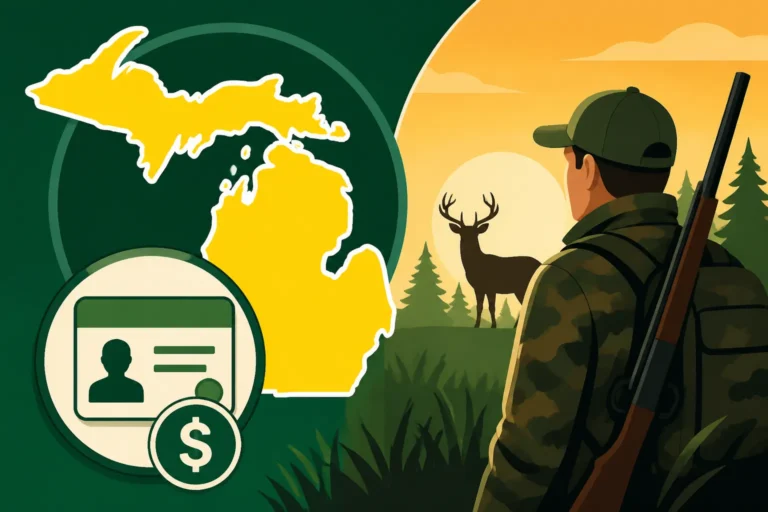
It’s a tale as old as time for us Michigan hunters: the excitement of a new season always comes with the nagging question of how much it's going to cost. Between gas, gear, and food, those expenses can add up fast, and sometimes the license itself feels like just another line item in a growing list. This guide is here to untangle the specifics of Michigan resident deer license costs, so you know exactly what to expect and how your hard-earned money contributes to our state's fantastic wildlife.
Demystifying the Michigan Resident Deer License Costs
Understanding the cost of your Michigan deer license can feel a bit like navigating a maze, especially with the different options available. It’s not just a single price tag; rather, it’s a tiered system designed to offer flexibility while ensuring all hunters contribute to the vital conservation work happening across our state. Let's break down the core components you’ll encounter.
The Base License: Your Entry Ticket
Before you even think about putting a deer tag in your pocket, every Michigan resident hunter needs to purchase a Base License. Think of this as your foundational pass to hunting any species in Michigan. It's a non-negotiable step, no matter if you're chasing deer, turkeys, or small game. The cost for a resident Base License is currently $11. While it might seem like an extra fee, this license is critical. It covers things like the general administration of hunting programs, provides funding for habitat improvements, and supports DNR operations that keep our wild spaces healthy and accessible. It's truly the cornerstone of our "user pays, conservation benefits" model here in Michigan. It’s also important to remember that this license is valid for the entire license year, which runs from March 1st through February 28th (or 29th in a leap year), so you're not just buying it for deer season – it covers all your hunting pursuits for that period.
The Single Deer License Explained
For many Michigan hunters, especially those focused on a single opportunity or managing their budget carefully, the Single Deer License is the go-to choice. Priced at $20 for residents, this license allows you to harvest one deer. Now, here's where it gets important: this "single deer" isn't always an antlered buck. In most of Michigan, particularly in the Lower Peninsula, this tag can be used for either an antlered deer OR an antlerless deer, depending on the specific season and deer management unit (DMU) you're hunting in. For instance, during the regular firearm season, if you're in a DMU with antler point restrictions, you'd use this tag for a legal antlered buck. However, if you're in an antlerless-only season or area, you could use it for an antlerless deer. Always check the regulations for your specific hunting area, as the rules for using an antlered vs. antlerless tag can vary. It’s crucial to know what you’re looking for before you head into the woods. This flexibility can be a real boon, allowing you to adapt your hunt to deer availability and personal goals.
The Deer Combo License: Double Your Opportunity
If you're anything like me, you often dream of filling two deer tags each season – one for that wall-hanger buck and another for the freezer. That's precisely what the Resident Deer Combo License is designed for. At a cost of $40, this license package includes two separate deer tags:
- A Regular Deer Tag: This tag is usually designated for an antlered deer (meeting any antler point restrictions in your DMU). However, it can often be used for an antlerless deer where legal during specific seasons, providing flexibility if that big buck just isn't showing up.
- A Restricted Deer Tag: This tag is typically for an antlerless deer. It's a fantastic way to ensure you can fill your freezer, help manage local deer populations, and still hold out for that trophy buck with your other tag.
The Deer Combo License is a popular choice because it offers incredible value. For essentially double the price of a single deer license, you get two distinct opportunities. It's perfect for hunters who want to maximize their time in the field and have the option to harvest both an antlered and an antlerless deer. Just like with the single license, always refer to the current Michigan Hunting and Trapping Digest or use resources like the GoHunt app to confirm specific regulations for your chosen hunting area, especially concerning Michigan Antler Point Restrictions by DMU. Knowing these details beforehand can save you a lot of headache and ensure you stay within the legal framework.
Beyond the Basic Tags: Additional Options and Considerations
While the Base License and Deer Combo cover most resident deer hunting scenarios, Michigan offers several other license options tailored to specific needs and to encourage participation from all age groups. These additional options play a vital role in both deer management and hunter recruitment.
Antlerless Deer Licenses: Filling the Freezer and Management Needs
Beyond the antlerless opportunity offered by the Deer Combo, Michigan residents can purchase additional Antlerless Deer Licenses. These tags are specifically for harvesting antlerless deer and cost $20 each. Why would you want more antlerless tags? Well, there are a few excellent reasons. Firstly, they're fantastic for filling the freezer with delicious venison. Secondly, they are a primary tool for the Michigan DNR to manage deer populations, especially in areas where herd numbers are high or where disease concerns like Chronic Wasting Disease in Michigan are present.
Purchasing these licenses is a bit different than your main deer tags. Antlerless licenses are issued for specific Deer Management Units (DMUs) and often have quotas. You can apply for them during a special application period, or if there are leftovers, they become available over-the-counter later in the season. There are also distinct tags for public versus private land. For instance, a private land antlerless tag can only be used on private land, while a public land tag can be used on either. It’s crucial to understand these distinctions when you buy them. Checking current availability and rules for Michigan Antlerless Deer Licences is a must if you plan to target does. These tags are often key to increasing your chances of success, especially during the Michigan Late Antlerless Firearm Season or if you're hunting in Southern Michigan farm country where antlerless tags are more readily available.
Mentored Youth and Apprentice Licenses: Nurturing the Next Generation
Introducing new hunters to the tradition is something many of us are passionate about, and Michigan has programs in place to make that easier and more affordable.
- Mentored Youth Hunting License: For youth ages 10-16, the Mentored Youth Hunting License is an incredible deal at just $7.50. This single license package allows the youth to hunt all species, including deer, with appropriate tags, provided they are accompanied by a qualified mentor (an experienced, licensed hunter). This is a fantastic way for young hunters to experience the outdoors without the full financial burden, allowing them to participate in a wide range of seasons. It also removes the immediate requirement for a hunter safety certificate, though many mentors encourage it early on. This initiative is vital for ensuring the future of our hunting heritage. If you're planning on Hunting the Liberty Hunt With a Youth, this license is a game-changer.
- Apprentice License: For new adult hunters or youth who don't qualify for the mentored youth program, the Apprentice License offers a pathway. This allows a new hunter to purchase a Base License and other hunting licenses (like a deer license) without first completing a hunter safety course, provided they hunt with an experienced mentor. They can do this for their first two license years. After that, they must complete a Michigan Hunter Safety Requirement to continue purchasing licenses. It's a great "try before you buy" system for getting into hunting, helping bridge the gap between interest and full commitment.
These programs are vital for maintaining strong hunter numbers and ensuring that the tradition of hunting continues to thrive in Michigan, something that's always on my mind when I'm out in the woods.
Understanding Michigan's Hunting License Year and Validity
It's not just about the cost, but also when your license is valid. In Michigan, the hunting license year runs from March 1st through February 28th (or 29th) of the following calendar year. This means if you buy a license on August 1st, 2024, it's valid until February 28th, 2025. This annual cycle is important for planning your purchases and knowing when new regulations and license types become available. Many hunters, myself included, often purchase their licenses shortly after March 1st to ensure they're ready for spring turkey season and have everything in order well before deer season arrives in the fall. You can typically find updated costs and purchase options starting around this time each year. This is where tools like the GoHunt app can be super helpful, as they often update with the new license year information promptly.
Here's a quick summary of the main resident deer license costs for Michigan:
| License Type | Resident Cost (Approx.) | What it Allows |
|---|---|---|
| Base License | $11 | Required for all hunting. No harvest tags. |
| Deer License (Single) | $20 | One deer (antlered or antlerless, depending on unit/season). |
| Deer Combo License | $40 | Two deer (typically one antlered, one antlerless). |
| Antlerless Deer License | $20 (per tag) | One antlerless deer in a specified DMU (public or private land). |
| Mentored Youth License | $7.50 | All species (including deer tags), for youth 10-16 with a mentor. |
| Apprentice License | Base + regular tag cost | Allows new hunters to hunt with a mentor without hunter safety (first 2 yrs). |
Note: Prices are subject to change annually. Always verify current prices on the official Michigan DNR website before purchasing.
Your Investment in Michigan's Wildlife: Where Your Money Goes
When you hand over your hard-earned money for a hunting license in Michigan, it's easy to just see the transaction. But what many hunters don't always realize, or perhaps forget in the hustle of getting ready for the season, is that these fees are directly reinvested into the very resources we cherish. Your license isn't just a permit; it's a vital contribution to the health and future of Michigan's wildlife and wild places.
Funding Conservation Efforts Across the State
Michigan's DNR (Department of Natural Resources) relies heavily on hunting and fishing license fees to operate. This isn't just some abstract concept; it's tangible work that benefits all citizens, not just hunters. These funds directly support:
- Habitat Restoration and Management: A significant portion goes towards improving and maintaining critical habitats for deer, turkeys, waterfowl, and other species. This includes things like prescribed burns to rejuvenate forests, planting food plots on public land, and managing wetlands. If you've ever scouted Public Hunting Land in Michigan and noticed improvements, chances are your license dollars helped pay for them.
- Wildlife Research and Surveys: Understanding our wildlife populations is key to managing them effectively. Your license fees fund studies on deer health, population dynamics, disease monitoring (like CWD and Bovine TB), and migration patterns. This data helps the DNR make informed decisions about bag limits, season dates, and where to focus conservation efforts.
- Enforcement and Public Safety: Conservation officers, funded by license sales, are out there protecting our natural resources, enforcing regulations, and ensuring hunter safety. They're the boots on the ground making sure everyone plays by the rules and that poaching doesn't undermine the efforts of ethical hunters.
- Hunter Education and Outreach: Programs like hunter safety courses, which are essential for new participants, also receive funding from license sales, ensuring that future generations are educated and responsible afield.
It’s a system where hunters directly fund the conservation of the very resources they enjoy. Without this funding, the quality of hunting in Michigan would surely decline. It’s a point of pride for many of us that we’re not just consumers of wildlife but active participants in its stewardship.
The Practical Impact on Deer Management
Let's talk specifically about deer, since that's what we're focused on here. Your deer license fees have a direct, practical impact on how well deer populations are managed in Michigan. For example, a large part of the funding goes to programs that:
- Monitor and Control Diseases: Diseases like Chronic Wasting Disease (CWD) are a serious threat to our deer herds. License fees help fund CWD testing sites, research into disease transmission, and management strategies designed to slow its spread. This includes the collection of samples and analysis, a monumental task that requires significant resources.
- Optimize Deer Population Health: By allowing for regulated harvest, particularly of antlerless deer through specific tags, hunters help keep deer populations in balance with their habitat. This prevents overbrowsing, reduces the spread of disease, and can lead to healthier, more robust deer in the long run. The number of Michigan Deer Population Estimate and subsequent harvest recommendations are directly tied to data gathered through these efforts.
- Enhance Public Access: A portion of funds also goes to programs that secure public access to hunting lands, including things like the Hunting Access Program (HAP) which leases private land for public hunting. This expands opportunities for all hunters, ensuring more places to pursue deer.
So, when you buy that $20 or $40 deer license, you're not just buying the right to hunt. You're making a tangible investment in the future of white-tailed deer in Michigan, helping to ensure there are healthy herds for generations to come. It's a commitment that allows us to enjoy seasons year after year.
Navigating the Purchase Process and Post-Harvest Requirements
Getting your Michigan resident deer license isn't just about knowing the cost; it's also about understanding the straightforward process of purchasing it and, equally important, what you need to do once you've successfully harvested a deer. Modern technology has made these steps incredibly convenient, but a few key details can make all the difference.
Seamlessly Buying Your Michigan Deer License
Gone are the days when you had to drive to a specific location during limited hours just to get your tags. Michigan has made it incredibly easy to purchase your hunting licenses, offering several convenient options:
- Online Through the DNR Website: This is arguably the most popular method for many hunters. You can visit the official Michigan DNR E-License system from the comfort of your home, anytime, day or night. The process is intuitive: create an account (or log in), select the licenses you need (Base License, Deer License, Combo, Antlerless, etc.), pay with a credit card, and then either print your licenses at home or save them digitally to your phone. It's fast, efficient, and ensures you have your licenses instantly.
- At Authorized License Retailers: If you prefer a more traditional route or need to pick up some last-minute supplies, you can purchase licenses at thousands of authorized retailers across the state. These often include sporting goods stores like Cabela's or Dunham's, bait shops, and even some gas stations and convenience stores. The staff can help you navigate the options and print your physical licenses on the spot.
- Via the Michigan DNR Hunt Fish App: For the tech-savvy hunter, The Michigan DNR Hunt Fish App is a must-have. Available for both iOS and Android devices, this app allows you to purchase licenses directly from your smartphone. Even better, it stores a digital copy of your licenses and harvest tags, which is legally valid in Michigan. This means one less piece of paper to worry about losing in the woods! The app is also incredibly useful for other things, like mapping public lands, checking regulations, and yes, reporting your harvest. It's essentially a one-stop shop for all your hunting and fishing needs in Michigan. When you're planning your hunts, especially scouting new areas on public land, tools like GoHunt can help you pinpoint promising spots, and then you can use the DNR app to ensure your licenses are in order before you ever leave the driveway.
No matter which method you choose, always make sure to keep your physical license or digital proof readily accessible while hunting. Conservation officers can and will ask to see it.
The Critical Step After the Harvest: Reporting Your Deer
Congratulations, you've punched your tag! But your responsibilities don't end there. Michigan law requires hunters to report their deer harvest within 72 hours of taking the animal. This isn't just a bureaucratic formality; it's a crucial part of the DNR's data collection that directly informs future deer management decisions. The data collected from these reports helps the DNR estimate population sizes, assess herd health, and track harvest trends, which in turn influences future regulations like How Many Deer You Can Take in Michigan or where antlerless quotas are set.
The reporting process is simple and can be done in a few ways:
- Online Through the DNR Website: Similar to purchasing, you can log into your DNR E-License account and report your harvest. You'll need to provide information such as the date and time of harvest, the DMU, sex of the deer, and whether it was antlered or antlerless.
- Via the Michigan DNR Hunt Fish App: This is often the easiest method right from the field. Open the app, select the "Report Harvest" option, and follow the prompts. The app often auto-populates some information based on your current location, making it even quicker.
- At a Physically Designated Reporting Station: While less common now due to the digital options, some traditional stations might still exist in certain areas. However, the online and app methods are by far the most convenient.
Failing to Reporting a Michigan Deer Harvest within the 72-hour window can result in fines, so make sure this step is part of your post-harvest routine. It's a small but significant act that contributes to the health and sustainability of our Michigan deer herds for everyone who enjoys our great outdoors. Understanding all these steps, from choosing the right license to reporting your success, is just part of being a responsible and successful Michigan hunter.
Disclaimer
The information provided in this guide is for general informational purposes only and is subject to change. Hunting regulations, license costs, and season dates are determined by the Michigan Department of Natural Resources (DNR) and can be updated annually. While every effort has been made to ensure accuracy, it is the hunter's responsibility to verify all current regulations and pricing on the official Michigan DNR website or through their published hunting digest before participating in any hunting activities.