How Many Michigan Bear Licences Are Issued
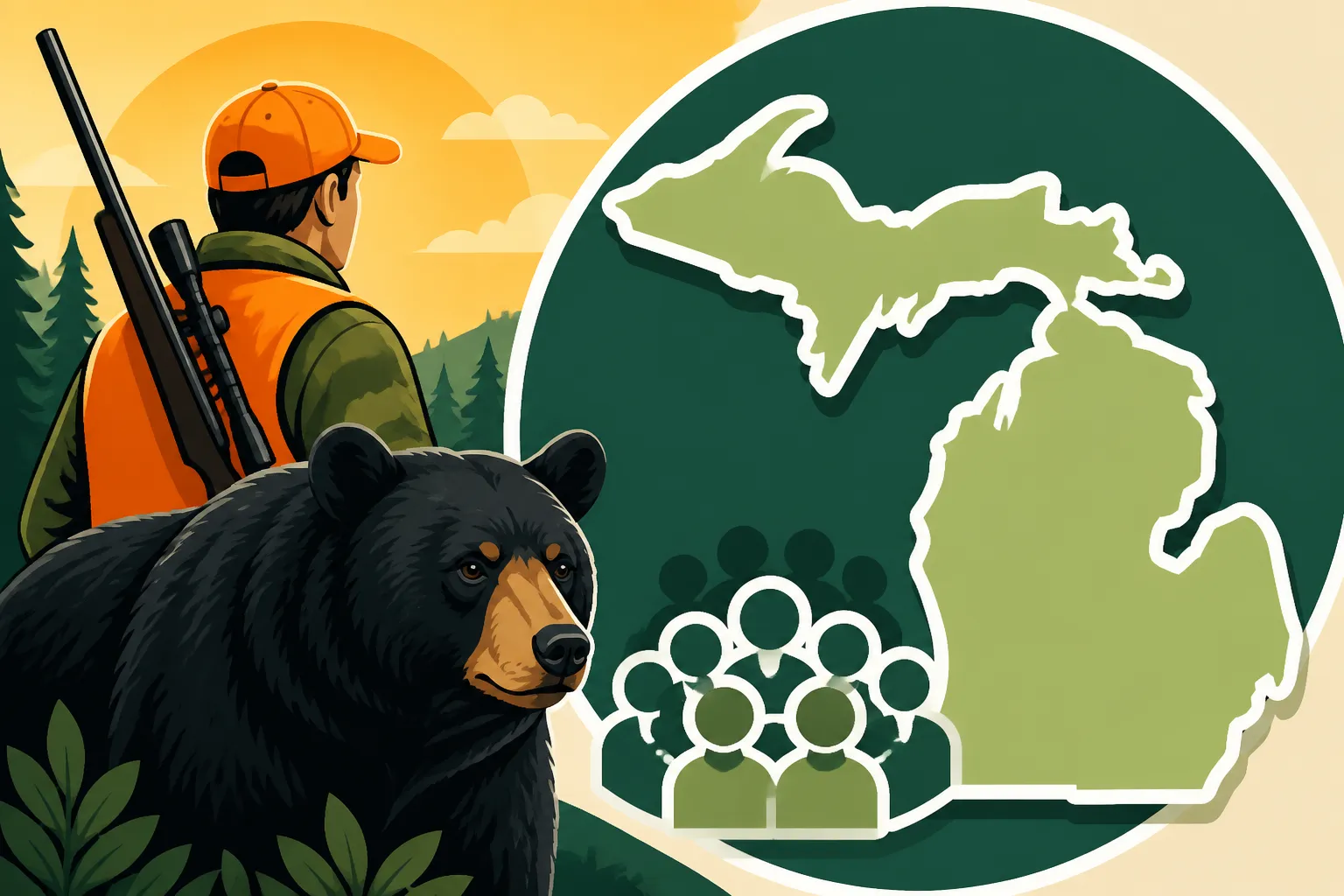
For many Michigan hunters, the dream of bagging a black bear is a powerful motivator, but the reality of drawing one of these coveted licenses can be incredibly challenging. With tens of thousands of hopeful applicants vying for a limited number of tags each year, understanding exactly how many Michigan bear licenses are issued and how the system works is crucial for anyone serious about pursuing a bear in the Great Lake State. This guide will meticulously break down the annual license allocations, the intricate application process, and offer insights to help you navigate this highly competitive system.
The Tight Reins on Michigan Bear Licenses
The Michigan Department of Natural Resources (DNR) manages the state's black bear population with a careful hand, and that absolutely includes regulating the number of hunting licenses issued each year. Unlike deer hunting, where licenses are relatively accessible, bear hunting is a truly limited opportunity designed to keep the bear population healthy and in balance with its habitat. This scarcity is precisely what makes drawing a tag so challenging and, for those lucky enough to get one, so rewarding.
The total number of bear licenses issued across Michigan is surprisingly small when you consider the vast number of hunters interested. For example, in recent years, the Michigan DNR has typically issued between 7,000 and 8,000 bear licenses annually. While this number fluctuates slightly based on biological surveys and management objectives, it remains a fraction of the roughly 50,000 to 60,000 applications received each season. This significant imbalance between supply and demand means that most applicants will not draw a license in any given year, making the accumulation of preference points a critical strategy for success. The limited number of tags ensures sustainable harvest levels, preventing overhunting and maintaining a robust bear population for future generations of hunters and wildlife enthusiasts. When you finally get that tag, remember the incredible journey and the importance of ethical Michigan Black Bear Hunting.
Deconstructing the Bear Management Unit Allocations
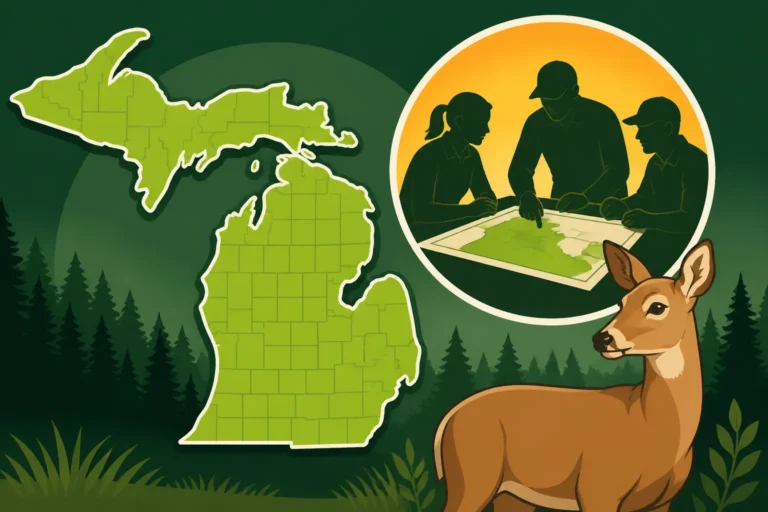
It's not just about a single statewide quota; Michigan's bear licenses are meticulously distributed across various Bear Management Units (BMUs). These units are geographical areas where the DNR has specific population goals and harvest objectives. Understanding these BMUs is paramount because you apply for a license in a specific unit, and the draw odds can vary wildly from one to another.
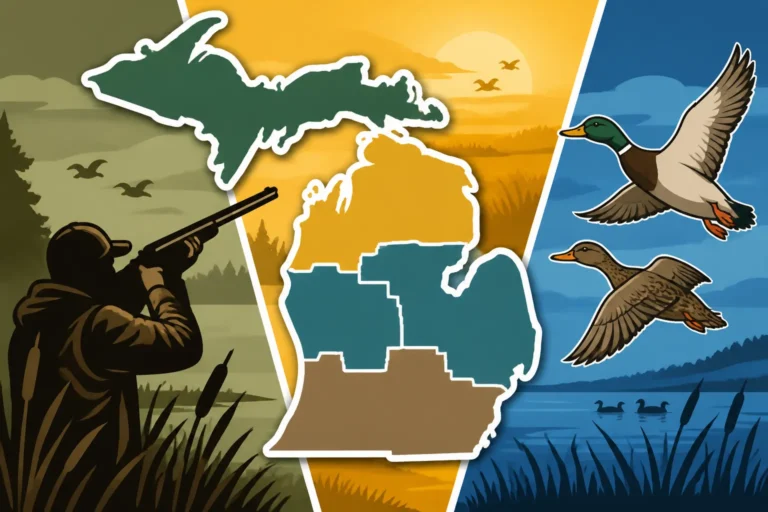
Michigan's BMUs are primarily split between the Upper Peninsula (UP) and the Northern Lower Peninsula (NLP). The Upper Peninsula, with its vast tracts of wilderness and lower human population density, typically supports a larger bear population and, consequently, sees more licenses issued. Popular UP BMUs include areas like Newberry, Baraga, Amasa, and Gwinn. The Northern Lower Peninsula also has robust bear populations, particularly in its more forested regions, with units such as Red Oak and Baldwin being highly sought after. Each of these units is carefully monitored by DNR biologists, who assess population health, cub production, and harvest data to recommend annual quotas.
The quota for each BMU is determined by a complex set of factors. Biologists look at the estimated bear population within the unit, recent harvest success rates, the sex and age structure of harvested bears, and even considerations like human-bear conflicts in certain areas. They then set a target harvest number designed to maintain a healthy and stable population. This target is then translated into the number of licenses available for each BMU and for various hunt periods within those units. For instance, an early hunt period might have a different quota than a late hunt period, reflecting bear behavior and hunter success expectations during those times. Knowing the ins and outs of these specific Michigan Bear Management Units is key to making an informed application choice. You can learn more about Where Michigan Bears Range to help inform your unit selection.
Here's an illustrative example of how preference points might influence your chances in different BMUs, though actual numbers vary year to year:
| Bear Management Unit (BMU) | General Location | Typical Resident Preference Points Needed (Approx.) | Draw Odds with 0-2 Points (Approx.) | Draw Odds with 8+ Points (Approx.) |
|---|---|---|---|---|
| Red Oak | Northern Lower Pen. | 8-12+ | < 3% | 25-45% |
| Baldwin | Northern Lower Pen. | 7-11+ | < 5% | 20-40% |
| Newberry | Eastern Upper Pen. | 4-7+ | 5-15% | 35-65% |
| Baraga | Western Upper Pen. | 3-6+ | 10-20% | 40-70% |
| Amasa | Western Upper Pen. | 2-5+ | 15-25% | 50-80% |
Disclaimer: These are illustrative ranges and not exact draw odds or point requirements for any specific year. Actual numbers vary annually based on quota changes, applicant numbers, and specific hunt periods. Always consult the current Michigan DNR hunting digests and resources for the most up-to-date information.
The Preference Point Game: Your Key to a Michigan Bear Tag
Given the limited number of licenses and the high demand, the Michigan DNR employs a preference point system for bear hunting. This system is absolutely critical to understand, as it directly impacts your likelihood of drawing a coveted bear tag. Essentially, preference points reward consistent applicants, slowly increasing their odds over time.
A preference point is earned each year you apply for a bear license but are unsuccessful in the drawing. You can also purchase a preference point without applying for a license if you know you won't be able to hunt that year but want to continue building your chances for the future. These points accumulate, and in the annual drawing, licenses are first allocated to applicants with the most preference points. This means that hunters with a long history of applying are prioritized, pushing new applicants or those with fewer points further down the line. It's a long game, often requiring several years, if not a decade or more, of consistently applying to reach the point threshold for the more popular BMUs.
The specific number of preference points required to draw a license varies significantly by BMU and even by hunt period within those units. Generally, the more popular and accessible BMUs, particularly in the Lower Peninsula, demand a higher number of preference points. For instance, drawing a license for the Red Oak or Baldwin units often requires many years of accumulated points. Conversely, some of the more remote units in the Upper Peninsula, like Amasa or Baraga, might be drawn with fewer points.
When it comes to applying, you typically choose your first and second preferred BMU and hunt period. There's also usually an option for an "any bear" license, which means if you don't draw your first two choices, you'd be entered into a drawing for any leftover licenses across the state. However, leftover licenses are incredibly rare and usually go to applicants with significant points, if they exist at all. Staying informed about the Michigan Bear Licence Drawing dates and process is crucial. You can find out more about how Michigan Bear Preference Points work in detail, and mark your calendar for Michigan Bear Application Dates each year. Many serious bear hunters use resources like GoHunt to analyze past draw odds and make strategic application decisions, leveraging data to maximize their chances.
Strategies for Improving Your Chances and What to Expect
Drawing a Michigan bear license is rarely a stroke of luck; it's almost always a result of strategic planning and persistence within the preference point system. If you're serious about bear hunting in Michigan, here are some strategies to consider to improve your odds and manage your expectations.
First and foremost, consistently applying for a license every year, or at least purchasing a preference point, is absolutely vital. This is a game of patience, and every year you miss out on accumulating a point sets you back. Even if you don't plan to hunt that season, buying a point keeps you in the running. For many, it's a long-term investment in a future hunting experience.
Secondly, research the BMUs carefully. While it's tempting to apply for the most well-known or closest units, these are often the ones requiring the most preference points. If your goal is simply to get a bear license sooner, consider applying for less popular units, particularly in the Upper Peninsula. These units, while potentially more remote or rugged, often have better draw odds with fewer accumulated points. Analyzing historical draw data, often available through the Michigan DNR or third-party platforms like GoHunt, can provide valuable insights into which units might be more attainable given your current preference point total. This strategic application can cut down the time you spend waiting for a tag.
Managing your expectations is also key. Understand that even with a strong preference point accumulation, drawing a bear license isn't guaranteed. It's common for hunters to wait many years, sometimes a decade or more, before their number finally comes up. This waiting period allows you to plan, save for gear, and thoroughly research bear hunting tactics. If you do draw, knowing the Michigan Bear Season Dates by Unit is your next step. You'll need to decide on your hunting method, whether that's Baiting Bears in the Upper Peninsula, Running Hounds for Michigan Bear, or Hunting Bear Without Bait or Dogs, each with its own set of regulations and demands. Remember, preparing for the hunt includes understanding How Many Michigan Black Bears There Are in your chosen unit and mastering Shot Placement on a Black Bear.
Finally, if you don't draw, don't get discouraged! Re-evaluate your strategy, consider if a different BMU might be a better fit for next year, and continue building those crucial preference points. The system is designed for the persistent hunter. While the cost of Michigan Hunting Licences and What They Cost can add up over the years of point accumulation, the opportunity to pursue a Michigan black bear is truly a unique and unforgettable experience.
Disclaimer
The information provided in this guide is for general informational purposes only and is subject to change. Hunting regulations, license quotas, application dates, and draw odds are determined by the Michigan Department of Natural Resources and can vary annually. Always consult the most current Michigan DNR hunting digests, regulations, and official websites before making any hunting plans or applications.