Where CWD Was First Found in Michigan
There's a specific kind of dread that settles in the pit of a hunter's stomach when you hear about a disease that can devastate deer herds, especially when it hits close to home. Chronic Wasting Disease (CWD) is one of those nightmares, and its arrival in Michigan was a deeply concerning moment for our hunting community. This guide will walk you through the history of CWD in our state, specifically focusing on its initial discovery and the critical context surrounding that unsettling event.
The Lingering Threat: When CWD Arrived in Michigan's Deer Herd
For years, many Michigan hunters watched CWD spread through neighboring states, holding their breath and hoping it wouldn't cross our borders. We’d seen the dire reports, understood the devastating impact it could have on local deer populations, and worried about what it would mean for our hunting traditions. When the news finally broke that CWD had indeed arrived in Michigan, it wasn't just a biological announcement; it was a jolt to the core of our outdoor lifestyle. It changed how we thought about everything from scouting to processing our deer, adding a layer of concern we hadn't faced before. The thought of losing our healthy deer, or even the chance to hunt them, was a heavy burden on many shoulders.
Before CWD was detected, many of us, myself included, often took the health of our deer herd for granted. We focused on age, antler size, and fat reserves, but a prion disease like CWD wasn't typically on the radar of the average hunter. Its arrival brought with it an entirely new vocabulary and a set of concerns that quickly became part of every deer camp conversation. It was a wake-up call, a stark reminder that the health of our wildlife is a delicate balance, and that new threats are always on the horizon. This wasn't just another disease; it was something that could alter the very fabric of deer hunting in Michigan for generations.
Pinpointing the First Discovery: Where it All Began
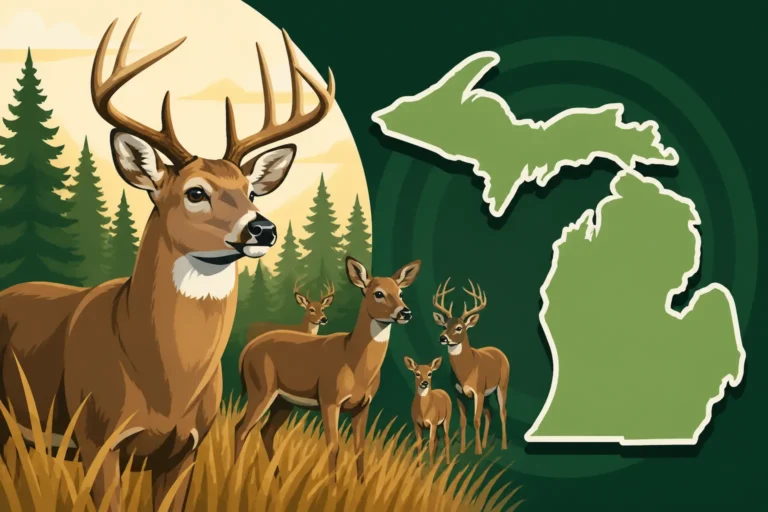
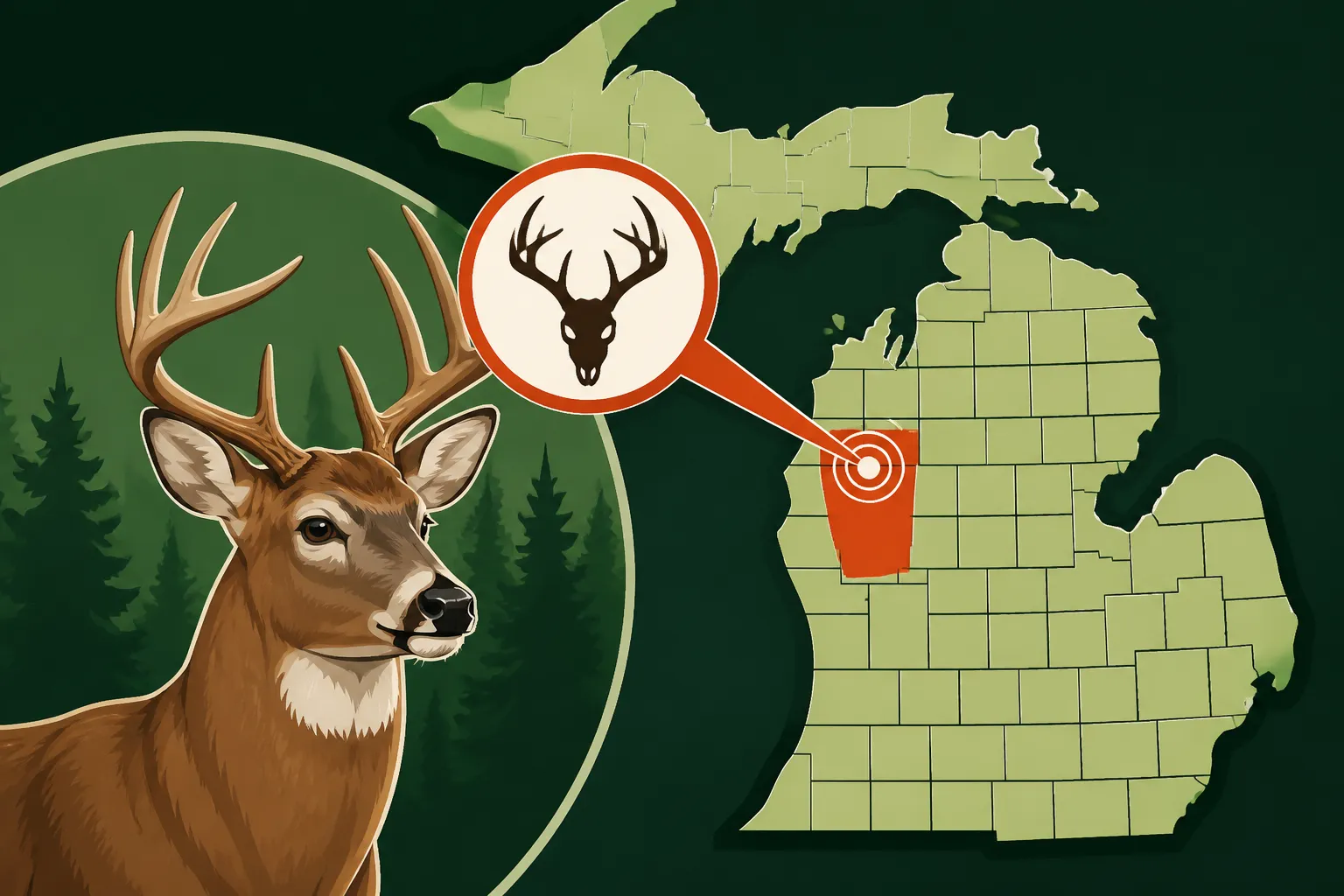
The initial detection of Chronic Wasting Disease in Michigan sent ripples through the entire hunting and wildlife management community. It wasn't just a theoretical concern anymore; it was real, here, and demanding our attention. The very first case of CWD in a free-ranging white-tailed deer in Michigan was confirmed in May of 2015. This landmark discovery occurred in a deer harvested in Meridian Township, located in Ingham County.
This single deer, a six-year-old doe, was found sick and euthanized by the Michigan Department of Natural Resources (DNR) staff after exhibiting clear clinical signs consistent with CWD. Its condition immediately raised red flags, and subsequent testing at diagnostic labs confirmed the presence of the CWD prion. Prior to this, Michigan had only dealt with CWD in captive deer facilities, specifically a farmed deer operation in Kent County in 2008, which was depopulated. But a free-ranging wild deer testing positive in Ingham County was a game-changer, indicating that the disease had made the leap into Michigan’s wild deer population. It immediately triggered intensive surveillance and management strategies, as wildlife officials and hunters alike recognized the gravity of this discovery. This was the moment the conversation around Chronic Wasting Disease in Michigan shifted from hypothetical to immediate action.
The Immediate Aftermath and Early Management Efforts
Once that first case was confirmed in Ingham County, the Michigan DNR didn't waste any time. The revelation that CWD was active in the wild herd meant an immediate and comprehensive response was necessary to try and contain its spread. They swiftly established a CWD Management Zone around the initial detection site, which included parts of Ingham, Clinton, and Eaton counties. The focus was on increasing surveillance, testing as many deer as possible, and educating hunters in the affected area about the disease and its implications. It was a daunting task, requiring a massive logistical effort and significant public cooperation.
Hunters in these areas were quickly educated on changes to deer regulations, including mandatory deer check requirements, increased antlerless harvest opportunities, and restrictions on carcass movement. The idea was to gain a clearer picture of the disease's prevalence and distribution, and to reduce deer densities in an attempt to slow transmission. This period was confusing and frustrating for many, as beloved hunting traditions suddenly faced new rules and uncertainties. Many hunters leaned on resources like GoHunt to track regulatory changes and stay informed about the developing situation. Understanding Michigan CWD Rules and Test Sites became paramount for anyone hunting within or near the new CWD zones.
Here's a snapshot of the initial CWD impact areas:
| Year of First Detection | County | Township | Game Species | Type of Detection |
|---|---|---|---|---|
| May 2015 | Ingham | Meridian | White-tailed Deer | Free-ranging wild deer |
This initial discovery led to a multi-pronged approach that included targeted deer removal efforts and ongoing research. The DNR worked with landowners to allow specialized culls to reduce deer numbers in specific hotspots, further complicating the hunting experience for those who had previously enjoyed simpler seasons. For a hunter dedicated to understanding the health of the herd, tools like GoHunt became invaluable for accessing maps and data to see how the disease was evolving. The hope was that by acting quickly and decisively, the state could prevent CWD from becoming widespread, a hope that continues to shape management strategies to this day. Learning about Michigan Carcass Transport Restrictions was a critical component of these early educational efforts, as preventing movement of infected carcasses is key to slowing spread.
Understanding CWD: A Persistent Threat for Michigan Hunters
The discovery of CWD in Ingham County was more than just a single data point; it marked the beginning of a persistent challenge for Michigan's deer herd and its hunting community. Unlike bacterial or viral diseases, CWD is caused by abnormally folded proteins called prions, which are incredibly resilient and can persist in the environment for years. This means once CWD is established in an area, eradicating it is extremely difficult, if not impossible. Hunters often felt a sense of helplessness, wondering what they could truly do when facing an enemy that was invisible and relentless.
This understanding of CWD's nature shaped the long-term management strategy, moving from an initial containment mindset to one focused on mitigation and slowing the spread. Education remains a cornerstone, ensuring hunters understand how to properly handle deer, where to get their animals tested, and why rules like the ban on baiting and feeding in certain areas were implemented. The goal is to keep prevalence rates low and prevent the disease from spreading to new regions of the state. For many, consulting platforms like GoHunt has become a routine part of hunting preparation, helping them understand specific regulations tied to their hunt zones and how the disease impacts Michigan Deer Population Estimate.
The long-term fight against CWD requires vigilance from everyone who cares about Michigan's deer. It means adapting our hunting practices, supporting scientific research, and consistently participating in surveillance efforts by submitting deer for testing. This continued engagement is vital, as the disease is still present in several Which Michigan Counties Have CWD and requires ongoing monitoring and management. For those interested in deeper dives into the implications, there's always more to learn about Michigan Antler Point Restrictions by DMU and how overall herd health plays into these complex management decisions. Every hunter has a role to play in protecting our deer and ensuring the future of hunting in Michigan.
Disclaimer
This article is for general informational purposes only and does not constitute professional advice. Laws, prices and regulations vary by location and change over time. Consult a qualified professional for guidance on your specific situation.