Where Bovine TB Persists in Michigan
Hunting in Michigan offers some incredible experiences, but there's a persistent challenge in parts of our state that every deer hunter needs to understand: Bovine Tuberculosis (bTB). This isn't just a concern for farmers; it's a very real issue for hunters and our deer herd, creating unique regulations and concerns. This guide will walk you through where Bovine TB continues to persist in Michigan's deer population, why it matters, and how you, as a responsible hunter, can help manage its spread.
Understanding Bovine Tuberculosis in Michigan Deer
Bovine Tuberculosis, or bTB, is a bacterial disease that can affect many mammals, but in Michigan, it's primarily found in white-tailed deer and, occasionally, cattle. It's a respiratory disease, but it can manifest as lesions in the lungs and lymph nodes, making it quite unsettling when you encounter it. For decades, hunters and wildlife managers in Michigan have been grappling with this disease, particularly in a specific region of the Lower Peninsula. It's crucial to grasp the basics of this disease because it directly impacts hunting regulations, carcass handling, and even the health of our herds. The very presence of bTB has shaped aspects of Michigan Baiting and Feeding Rules, as baiting was identified as a major factor in concentrating deer and facilitating disease transmission.
The history of bTB in Michigan's deer herd dates back to the mid-1990s when it was first discovered. This wasn't some minor blip; it signaled a significant problem that required immediate and sustained attention. Unlike Chronic Wasting Disease (CWD), which is a prion disease, bTB is bacterial, meaning it can be treated in livestock and, importantly, understood and mitigated through specific management strategies in wildlife. However, eradicating it from a wild deer population is an immense challenge. The concern extends beyond deer, too; transmission to livestock, especially cattle, can have severe economic consequences for farmers. This is why vigilance from the hunting community is so vital – we're on the front lines of detection and prevention. For more on how diseases are tracked, you can learn about Michigan Wildlife Disease Monitoring.
The Bovine TB "Core Area" in Northeast Michigan
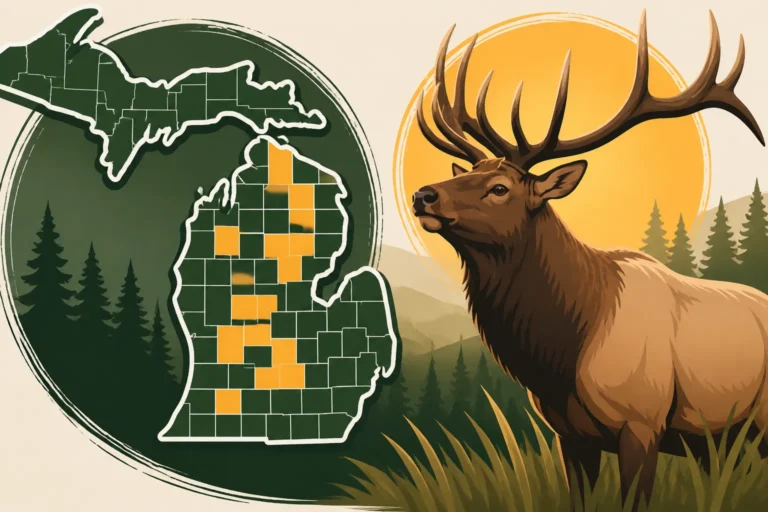
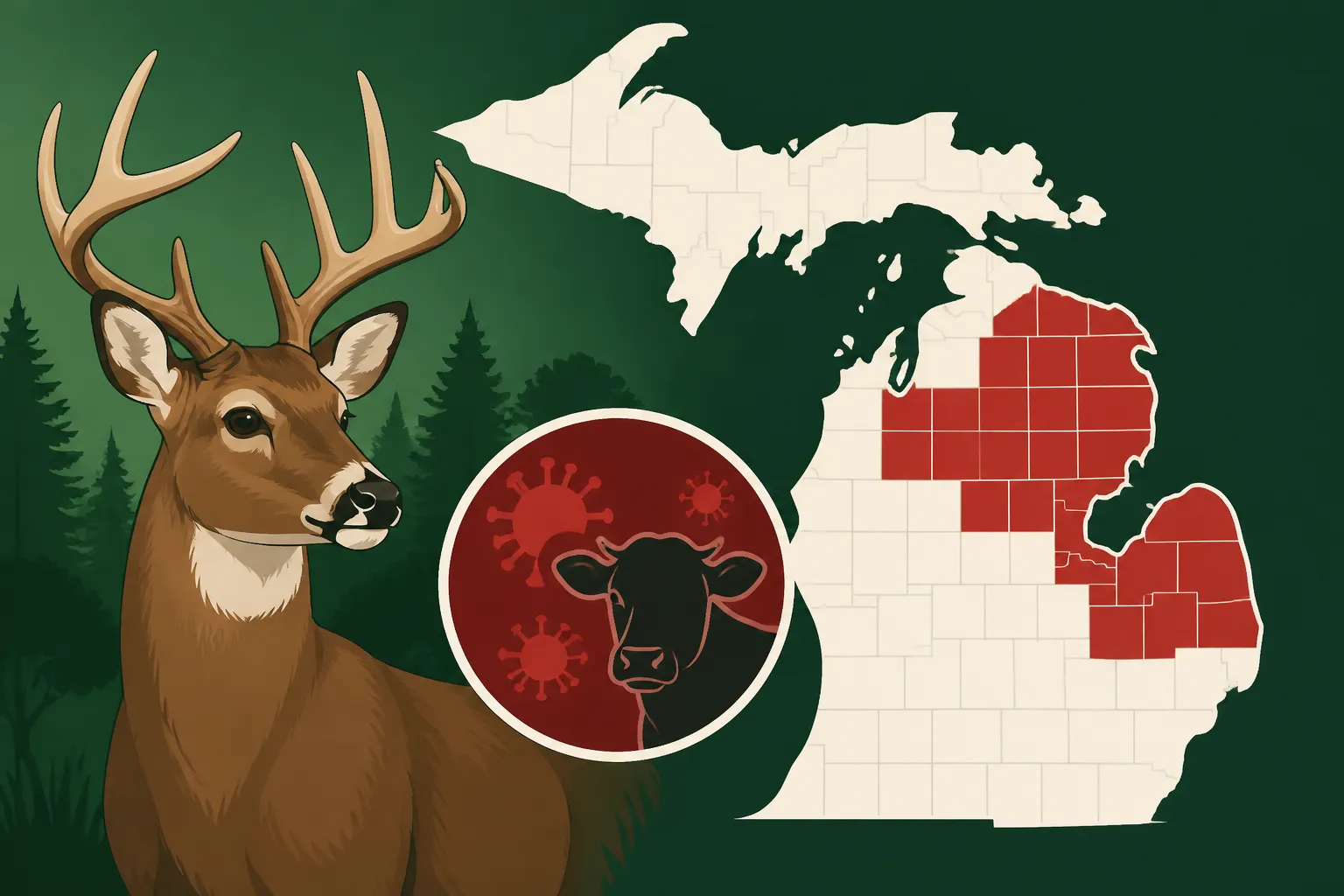
When we talk about Bovine TB in Michigan, there's a specific geographic region that comes to mind, a hotbed where the disease has stubbornly persisted despite years of management efforts. This area is primarily located in the northeastern Lower Peninsula, often referred to as the "Core Area." It’s not just a casual designation; it’s a critically important zone for hunters to recognize due to the stringent regulations and active monitoring in place. If you're planning to hunt in this part of the state, knowledge of these boundaries is non-negotiable.
Specific Counties and Management Units
The counties most impacted by Bovine TB are Alcona, Alpena, Montmorency, and Oscoda. These four counties form the heart of the core area, though surrounding counties can also have pockets or peripheral cases. Within these counties, the Michigan DNR uses Deer Management Units (DMUs) to further refine management strategies. Hunters in these specific DMUs will face different regulations compared to other parts of the state, often including mandatory check stations and special carcass handling rules. It's not just about drawing a line on a map; it's about understanding the land, the deer movement, and the communities within these areas. Tools like GoHunt or the Michigan DNR website can be invaluable for pinpointing specific DMU boundaries and understanding local regulations before you ever step foot in the woods. These resources can help you identify Michigan Deer Management Units and any special rules that apply.
| County | Primary Bovine TB Concern | Key Hunter Actions |
|---|---|---|
| Alcona | High | Mandatory check, carcass restrictions |
| Alpena | High | Mandatory check, carcass restrictions |
| Montmorency | High | Mandatory check, carcass restrictions |
| Oscoda | High | Mandatory check, carcass restrictions |
| Surrounding | Moderate/Peripheral | Voluntary check encouraged, carcass awareness |
Hunting in these areas means being part of the solution. It means understanding that every deer harvested is a data point for biologists and a step towards managing the disease. Hunters play a critical role, not just in harvesting deer, but in providing samples for testing and adhering to rules designed to limit disease transmission. This is especially true for hunters interested in Hunting the Northern Lower Peninsula, where many of these counties are situated.
How Bovine TB Persists in the Core Area
The persistence of Bovine TB in this specific region is a complex issue, tied to a combination of environmental factors and historical human practices. One of the biggest factors has been the deer density. When deer populations are high, the likelihood of nose-to-nose contact and shared feeding sites increases, creating perfect conditions for the bacteria to spread. Historically, baiting and feeding deer, common practices in Michigan for many years, exacerbated this problem significantly by concentrating deer at specific locations. Even though baiting is now largely banned in the Lower Peninsula, the legacy of those practices contributed to the disease becoming entrenched.
Another challenge is the relatively high proportion of agricultural land interspersed with forest in parts of the core area. This creates interfaces where wild deer can interact with cattle, potentially transmitting the disease back and forth. While significant efforts have been made to fence off cattle from deer and implement strict biosecurity measures on farms, the potential for cross-species transmission remains a concern. The topography and habitat structure also play a role, creating natural corridors and bedding areas that concentrate deer, further complicating efforts to reduce transmission rates. Knowing Where Bovine TB Reached Michigan Deer helps understand these historical connections.
How Hunters Can Help Prevent Bovine TB Spread
As hunters, we have a critical role to play in the ongoing management and prevention of Bovine TB. Our actions, both in the field and after the harvest, directly impact the success of disease control efforts. Ignoring regulations or being uninformed isn't just irresponsible; it actively undermines the health of our deer herd and the viability of local farming communities. Every hunter is part of the solution, whether you hunt in the core area or miles away.
Mandatory Deer Checks and Sample Collection
If you harvest a deer in one of the designated Bovine TB surveillance areas (primarily Alcona, Alpena, Montmorency, and Oscoda counties), reporting your harvest and submitting the head for testing is mandatory. This isn't optional; it's a legal requirement designed to gather crucial data on disease prevalence and spread. When you bring your deer to a check station, DNR staff will collect the head, often taking lymph node samples to test for the bacteria. This might seem like an inconvenience, especially after a long day in the woods, but it’s how biologists track the disease and make informed management decisions. It’s also how we protect the health of our venison. Websites or apps, like those you might use to research hunt units with GoHunt, can often provide directions to the nearest check stations and their hours of operation.
It's important to prepare your deer properly for transport to a check station, ensuring the head remains intact and that you have all the necessary tagging information. Don't process the head or neck area before checking the animal. Think of it as a vital contribution to the scientific effort, allowing us to understand exactly where the disease is active. For insights on what you need to do after a successful hunt, refer to What Michigan Requires After You Kill a Deer.
Carcass Movement Restrictions
One of the most critical ways hunters can prevent the spread of Bovine TB, and other diseases like CWD, is by adhering to carcass movement restrictions. If you kill a deer in the Bovine TB core area, you cannot transport the intact carcass outside of that area. This means you need to process the deer within the designated zone, removing all high-risk parts like the head (which goes to the check station), spinal column, and other nervous system tissues. Only deboned meat, clean antlers, hides, and taxidermy-ready skulls (with brain matter removed) can leave the area.
These rules exist for a very good reason: the bacteria can reside in lymphoid tissue and other parts of the deer, and moving these parts could introduce the disease to new, previously unaffected areas. Imagine accidentally dropping a scrap of infected tissue in a new county – it could start a new outbreak. These regulations can be a hassle, especially if you live far from where you hunt, but they are absolutely essential for preventing wider spread. Being familiar with Michigan Carcass Transport Restrictions is key for any hunter in or near the core TB zone.
Reporting Sick Animals and General Vigilance
Beyond mandatory checks, all hunters should be vigilant for signs of disease in the deer they observe or harvest, regardless of where they are hunting. A deer infected with Bovine TB might appear thin, lethargic, or have swellings around the head and neck. If you harvest a deer and notice any unusual lesions, particularly in the lungs or lymph nodes, report it immediately to the DNR. Do not consume meat from an animal you suspect is diseased.
Knowing how to properly report a sick animal is crucial. The DNR has specific procedures for this, and your observation could be a vital piece of information. This applies not just to Bovine TB but to other diseases like EHD or CWD as well. If you see a deer acting strangely, looking emaciated, or find a carcass with suspicious symptoms, contact the DNR immediately. Your careful observation in the field can literally save lives and protect the overall health of the deer herd. Further information on this topic can be found under Reporting a Sick Animal in Michigan.
Living and Hunting with Bovine TB: The Long-Term Outlook
The reality for Michigan hunters is that Bovine TB isn't going away anytime soon. It's a deeply entrenched disease within a wild population, and while significant progress has been made, completely eradicating it from the deer herd remains an enormous challenge. This means that hunters, especially those who frequent the northeast Lower Peninsula, need to adapt to a long-term strategy of co-existence and active management.
Ongoing Management Strategies
The DNR, in collaboration with agricultural partners and local communities, continues to implement a multi-faceted approach to manage Bovine TB. This includes sustained surveillance through mandatory hunter checks, targeted deer removal in areas of high prevalence, and strict biosecurity measures on farms. Researchers are continuously studying the disease dynamics, deer movement patterns, and environmental factors to refine these strategies. For example, understanding Upper Peninsula Deer Yarding and Winter Movement helps biologists predict disease spread during colder months, though this is less directly related to the Lower Peninsula TB zone.
While many hunters might feel fatigued by the ongoing rules and restrictions, it's important to remember that these efforts are designed to protect the resource we all value. The goal isn't just to keep cattle healthy; it's to maintain a healthy, huntable deer population for generations to come. Your participation in these efforts, however inconvenient, is a testament to your commitment to conservation.
What Hunters Can Expect in the Future
For hunters, particularly those in the affected region, the expectation is that mandatory check stations and carcass movement restrictions will likely remain in place for the foreseeable future. There may be minor adjustments to DMU boundaries or specific rules based on disease prevalence trends, but the overall framework for managing bTB will likely persist. Hunters should always check the most current regulations before heading afield, using resources like the DNR website or even a dedicated hunting app from a brand like GoHunt, which often integrates regulation updates.
This also means that ethical hunting practices, such as responsible carcass disposal and avoiding actions that unnaturally concentrate deer (even outside the core area), become even more important. While the baiting ban in the Lower Peninsula was enacted primarily for CWD, it has positive implications for bTB control as well, by reducing deer congregation. Hunting Deer Without Bait in Michigan is a practice that promotes a healthier, more naturally dispersed deer population. The long-term success of Bovine TB management hinges on the continued cooperation and understanding of the hunting community. It’s a shared responsibility to ensure that Michigan's deer remain a healthy and sustainable resource.
Disclaimer
This article is for general informational purposes only and does not constitute professional advice. Laws, prices and regulations vary by location and change over time. Consult a qualified professional for guidance on your specific situation.