Whether Michigan Will Hunt Sandhill Cranes
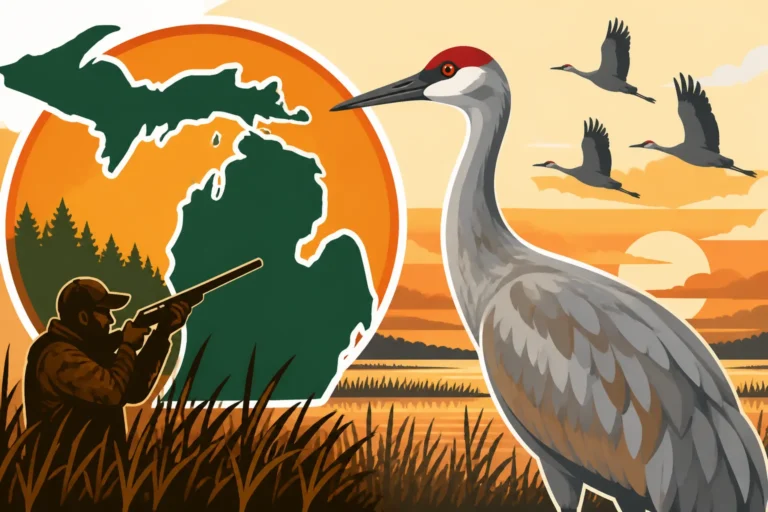
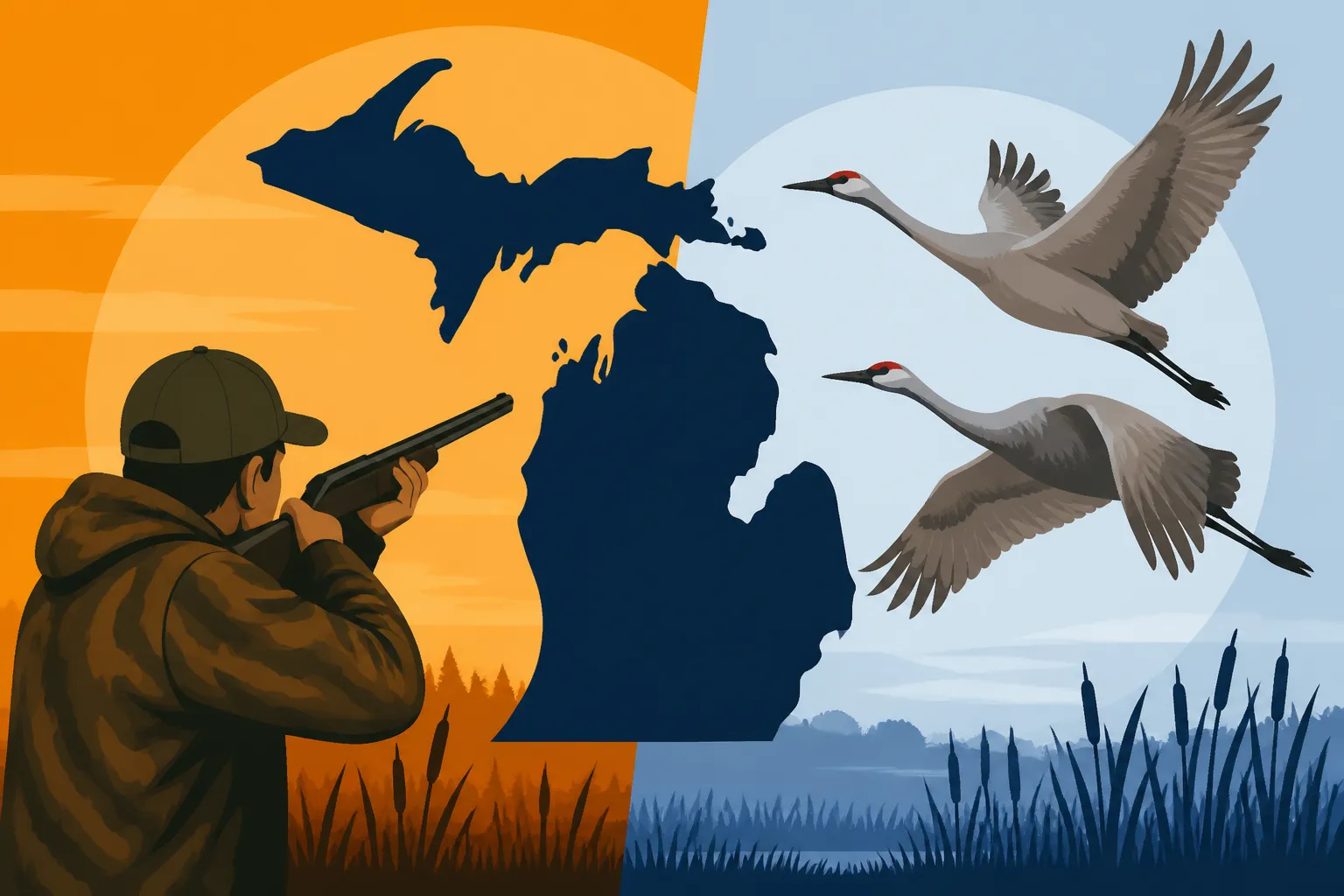
The question of whether Michigan will ever open a hunting season for Sandhill Cranes is one that sparks considerable debate among hunters, conservationists, and the general public across our beautiful state. If you've spent any time in Michigan's farm fields, marshy areas, or even simply driving down a rural road, you've likely seen these magnificent, prehistoric-looking birds. Their distinctive call and impressive wingspan are unmistakable, and for many, the idea of pursuing them in the field is a tantalizing prospect, while for others, it's an unthinkable one. This guide will explore the complex factors at play, from ecological considerations to deeply held public sentiments, helping you understand the ongoing conversation around hunting Sandhill Cranes in Michigan.
The Current Status of Sandhill Crane Hunting in Michigan
Right now, if you're a Michigan hunter with your eye on a Sandhill Crane, you're out of luck. There is no open hunting season for Sandhill Cranes in Michigan, and they are protected under state law as a non-game species. This often frustrates hunters who see healthy populations thriving in agricultural areas, sometimes causing crop damage, and know that many other states successfully manage limited crane seasons. It's a classic Michigan paradox: a seemingly abundant bird, yet off-limits for hunters.
Michigan's Official Stance and Why It Persists
The Michigan Department of Natural Resources (DNR) has, for many years, maintained that there is insufficient public support to open a Sandhill Crane hunting season. While the biological data might suggest a robust and growing population that could sustain a regulated harvest, the decision often extends beyond mere numbers. Powerful advocacy groups on both sides voice strong opinions, and the DNR's role is to balance these diverse perspectives while managing wildlife for all citizens. The idea of hunting a bird that many perceive as a symbol of wild Michigan, a creature that makes an almost primordial sound as it flies overhead, is a deeply emotional issue for many. This isn't just about how many birds there are, but about how people feel about them.
Federal Regulations and Migratory Bird Management
It's also crucial to understand that even if Michigan did decide to pursue a Sandhill Crane season, it wouldn't be a unilateral state decision. Sandhill Cranes are migratory birds, meaning they fall under the jurisdiction of the federal Migratory Bird Treaty Act. Any state wanting to establish a season must first obtain approval from the U.S. Fish and Wildlife Service (USFWS), which works with Flyway Councils (like the Mississippi Flyway Council, which Michigan is a part of) to set harvest frameworks. This federal oversight adds another layer of complexity, requiring careful population assessments, harvest quotas, and monitoring to ensure sustainability across their entire migratory range. So, even if Lansing gave the green light, Washington D.C. would have to agree.
The Heart of the Debate: Conservation, Opportunity, and Public Perception
The discussion around hunting Sandhill Cranes truly boils down to a fundamental tension: the biological reality of a thriving population versus the deeply ingrained public perception of the species. For hunters, it represents a missed opportunity, while for many non-hunters, it feels like a step backward for a species once teetering on the brink.
Arguments For a Michigan Crane Season
Many Michigan hunters scratch their heads at the lack of a crane season, especially when looking at neighboring states or those further west that successfully manage them. The arguments in favor often center on several key points:
- Abundant Population: Proponents point to the significant rebound of the Sandhill Crane population in Michigan. Once rare, their numbers have soared thanks to conservation efforts, and they are now a common sight in many areas, particularly in agricultural regions. Some argue that without a hunting season, the population will continue to grow unchecked, potentially leading to increased crop damage.
- Crop Depredation: Farmers frequently report crop damage from large flocks of Sandhill Cranes, especially to newly planted corn and other grains. A controlled hunting season could be seen as a management tool to help mitigate these issues, providing relief to agricultural communities.
- Recreational Opportunity: For hunters, it's another unique migratory bird hunting opportunity, similar to Great Lakes Waterfowl Hunting in Michigan or pursuing Grouse and Woodcock Hunting in Michigan. It diversifies the hunting landscape and provides another reason to get out into the fields and marshes. There's a certain allure to pursuing a bird so majestic and challenging. Many hunters use resources like GoHunt to explore various hunting opportunities and regulations in different states, and the absence of a crane season in Michigan stands out.
- Sustainable Management: Advocates argue that a well-regulated season, with limited tags and specific zones, would be entirely sustainable and consistent with modern wildlife management principles, as proven in other states. They believe that hunters, as conservationists, would be the most invested in ensuring the long-term health of the crane population.
Arguments Against a Michigan Crane Season
On the flip side, there are equally passionate and compelling arguments against opening a Sandhill Crane season in Michigan. These often resonate deeply with a broad segment of the public:
- Aesthetic and Non-Game Status: Many people view Sandhill Cranes as a symbol of the wild, appreciating their beauty and unique calls without associating them with hunting. They've been a non-game bird for so long that the idea of hunting them feels culturally jarring. They are seen as part of Michigan's natural heritage to be observed, not pursued.
- "Ribeye of the Sky" Misconception: While often called the "ribeye of the sky" for their culinary appeal in some hunting circles, many Michiganders simply don't see them as a food source in the same way they do White-Tailed Deer Across Michigan or ducks. This perception can make it harder to justify a season to the general public.
- Misidentification Concerns: Though a rare occurrence, there's a lingering concern about the potential for misidentification with the critically endangered Whooping Crane, which occasionally migrates through Michigan. While Sandhill Cranes are much more common and distinguishable, this fear often plays a role in public sentiment.
- Historical Context: Sandhill Cranes were once nearly extirpated from Michigan and much of North America. Their recovery is a conservation success story, and some worry that initiating a hunting season could undo some of that progress or, at the very least, send the wrong message about conservation priorities.
- Vocal Opposition: Powerful conservation and bird-watching organizations in Michigan actively lobby against a crane season, mobilizing their members and publicly opposing any proposals. This strong, organized opposition is a significant hurdle.
Population Dynamics and Management Challenges
Understanding the actual population status of Sandhill Cranes is central to this debate. It's not just about what we feel about them, but what the data tells us.
Michigan's Sandhill Crane Population Trends
Michigan is home to a significant population of Greater Sandhill Cranes, a subspecies that has made a remarkable comeback. In the early 20th century, habitat loss and unregulated hunting drove them to the brink. However, thanks to wetland protection, habitat restoration, and strict legal protections, their numbers have rebounded dramatically. Today, Sandhill Cranes Across Michigan Wetlands are commonly observed, particularly in the southern Lower Peninsula and parts of the Upper Peninsula. Their population has grown consistently for decades, reaching numbers that many biologists believe are robust enough to sustain a limited, regulated harvest. This growth is evidenced by numerous surveys and observations, confirming they are no longer a struggling species in our state.
Monitoring and Data Collection
The Michigan DNR, in cooperation with federal agencies and other states in the Mississippi Flyway, continuously monitors Sandhill Crane populations. This involves annual surveys, breeding pair counts, and detailed analyses of habitat use. This meticulous data collection is critical, not just for informing potential hunting season decisions but also for the overall health of the species. Any proposal for a hunting season would be backed by extensive biological data demonstrating sustainability. Hunters often rely on accurate, up-to-date data for other species as well, sometimes using platforms like GoHunt to access information about population trends or harvest reports to make informed decisions about where and when to hunt. This commitment to data-driven management underscores the seriousness with which any potential season would be considered.
The Path Forward: What It Would Take for a Season to Open
Given the complex interplay of biology, public opinion, and politics, opening a Sandhill Crane season in Michigan is far from a simple proposition. It would require a confluence of factors and a significant shift in the current landscape.
Legislative and Regulatory Hurdles
For a Sandhill Crane season to become a reality, several hurdles would need to be cleared. First, there would likely need to be a push at the state legislative level to reclassify the Sandhill Crane from a protected non-game species to a game species, or at least one that can be hunted under specific regulations. This legislative action would be followed by the DNR developing a comprehensive management plan, including proposed season dates (which would have to align with Michigan Waterfowl Migration Timing and federal frameworks), bag limits, hunting zones, and potentially a lottery or draw system for tags, similar to Michigan Managed Waterfowl Area Draws or other limited hunts. There would also be a period for public comment and extensive review. It's not a fast process; decisions of this magnitude in wildlife management can take years of discussion and planning.
Public Opinion and Advocacy
Ultimately, public opinion holds immense sway. Hunters who wish to see a crane season would need to significantly increase their advocacy efforts, demonstrating broad support beyond just the hunting community. This would involve educating the public about conservation funding generated by hunting licenses (like the Michigan Hunting Licences and What They Cost), the benefits of population control, and the sustainable nature of regulated hunting. Conversely, opponents would continue to mobilize, emphasizing their arguments for protection. The debate is often played out in the media, at public forums, and through various conservation organizations. Platforms that aggregate hunting information, like GoHunt, could even play a role in organizing or informing advocacy efforts by providing resources and data to both sides, though their primary function remains informational for hunters.
Lessons from Other States
Michigan wouldn't be venturing into uncharted territory. Many other states, including nearby Wisconsin and Minnesota, as well as states further west in the Central Flyway, have established Sandhill Crane hunting seasons. These seasons are typically highly regulated, often involving specific zones, limited tags issued via a draw, and strict bag limits. Hunters are usually required to possess a special permit in addition to their regular waterfowl licenses and federal duck stamps. Studying these existing models would be crucial for Michigan, allowing us to learn from their successes and challenges in managing a controversial hunting opportunity. Examining these programs provides a blueprint for what a responsible, sustainable Sandhill Crane season could look like in Michigan, should the political and social will ever align.
| Aspect of Debate | Arguments For a Season | Arguments Against a Season |
|---|---|---|
| Population Status | Robust, growing numbers; sustainable harvest possible. | Historically endangered; recovery is precious, don't risk it. |
| Ecological Impact | Can mitigate crop depredation in agricultural areas. | Hunting pressure could negatively impact sensitive populations. |
| Recreational Value | New hunting opportunity; challenging and unique bird. | Not a "traditional" game bird; aesthetic value is primary. |
| Public Perception | Hunters are conservationists; revenue for wildlife management. | Many view them as majestic, non-game birds; emotional opposition. |
| Feasibility | Other states manage seasons successfully; blueprint exists. | Federal and state legislative/regulatory hurdles are significant. |
| Misidentification | Hunters are educated; Whooping Crane sightings are rare and distinct. | Risk of accidentally shooting endangered Whooping Cranes. |
At present, the scales in Michigan tip heavily against an open Sandhill Crane season. While the biological evidence might suggest a sustainable harvest is possible, the strong public sentiment and the political will to overcome it are not currently aligned. For now, we continue to admire these magnificent birds as a testament to successful conservation, and the debate about their future status as a game species continues to echo across Michigan's landscapes.
Disclaimer
This article is for general informational purposes only and does not constitute professional advice. Laws, prices and regulations vary by location and change over time. Consult a qualified professional for guidance on your specific situation.