What the Early Antlerless Weekend Is For
Navigating Michigan's deer hunting seasons can sometimes feel like trying to solve a complex puzzle, especially with all the specific dates, regulations, and license types. One particular period that often raises questions, but offers fantastic opportunity, is the Early Antlerless Firearm Weekend. This special season is designed with distinct goals in mind, and understanding its purpose can help you effectively manage deer on your property, introduce new hunters to the sport, or simply fill your freezer.
Understanding Michigan's Early Antlerless Firearm Weekend
Michigan's Early Antlerless Firearm Weekend is a unique, shorter deer hunting season specifically dedicated to harvesting antlerless deer. Unlike the much-anticipated main firearm season in November, this earlier opportunity typically falls in the latter half of September. It's not a free-for-all; rather, it's a carefully structured management tool by the Michigan Department of Natural Resources (DNR) to achieve specific herd management objectives, particularly on private lands.
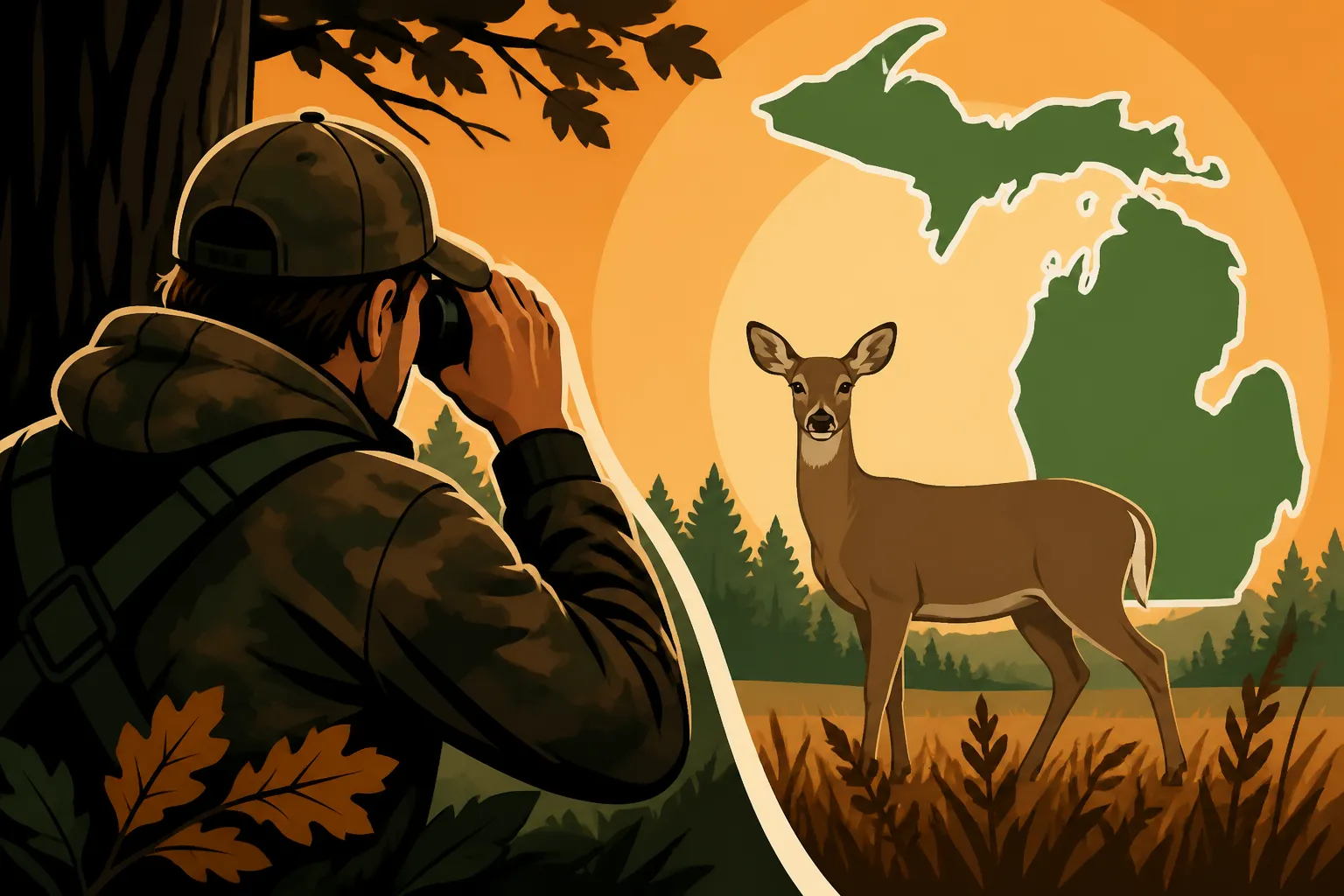
This weekend isn't about chasing trophy bucks; it's about responsibly managing the deer population by targeting does. For many hunters, especially those with access to private land where deer numbers might be high, it's a valuable chance to put venison in the freezer before the hunting pressure of November sets in. It also provides a more relaxed, often warmer weather experience, which can be ideal for introducing new hunters to firearm hunting without the crowds and intense competition of later seasons. Think of it as a strategic opening to help balance the herd and mitigate deer-related issues.
The DNR's Rationale for Early Antlerless Opportunities
The Michigan DNR doesn't just create hunting seasons arbitrarily; each one serves a critical purpose rooted in sound wildlife management principles. The Early Antlerless Firearm Weekend is a prime example of this, addressing several key objectives that benefit both the deer herd and Michigan's residents.
Effective Deer Population Management
One of the primary drivers behind the Early Antlerless Firearm Weekend is the necessity for targeted deer population management. In many areas of Michigan, particularly in the agricultural regions of the Lower Peninsula, deer populations can become quite robust. When deer numbers grow too high, it leads to a cascade of ecological and economic issues.
Firstly, an overabundance of deer can significantly impact agricultural crops. Farmers often face substantial losses due to deer browsing on corn, soybeans, and other valuable produce. By offering an early opportunity to reduce doe numbers, the DNR empowers landowners and hunters to help mitigate this damage before the main harvest season. This also helps to spread out the hunting pressure and harvest over a longer period. Secondly, high deer densities can lead to increased risk of disease transmission. Areas with concerns like Chronic Wasting Disease (CWD) or Bovine Tuberculosis (TB) often see more aggressive antlerless harvest recommendations. Targeting does helps to reduce the overall deer population density, which can slow the spread of these devastating diseases. This is particularly important in specific Deer Management Units (DMUs) where CWD has been detected, like in parts of Kent, Montcalm, and Jackson counties. Lastly, managing the doe population is crucial for maintaining a healthy deer herd overall. A balanced buck-to-doe ratio can lead to more intense rut activity and better overall health for the entire population. The more does harvested, the more resources are available for the remaining deer, leading to healthier animals and better antler growth for bucks. For a deeper dive into overall season structure, check out our guide on Michigan Deer Seasons and Tags.
Fostering Hunter Recruitment and Retention
Beyond pure biology, the DNR also uses specific seasons to promote hunter recruitment, retention, and reactivation (R3 initiatives). The Early Antlerless Firearm Weekend plays a vital role in this effort, especially for new and young hunters.
This early season offers a less crowded, often more forgiving environment for those just starting out. The weather in late September is generally milder than the cold, often snowy conditions of November, making for a much more comfortable experience in the stand or blind. For youth hunters participating in a mentored hunt, this comfort can make a huge difference in their enjoyment and willingness to continue hunting. It’s an ideal setting to teach safe firearm handling, tracking skills, and the importance of ethical hunting without the added pressure of dense hunter numbers. Programs like the Michigan Mentored Youth Licence Rules directly benefit from opportunities like this, allowing young hunters to gain valuable experience alongside an adult mentor. The higher likelihood of success during an earlier, less pressured season can also build confidence for new hunters, making them more likely to stick with hunting in the long term. This confidence is key to ensuring the future of our hunting heritage in Michigan.
Eligibility, Licenses, and Regulations for Participation
Participating in Michigan's Early Antlerless Firearm Weekend requires a clear understanding of the specific rules and licensing requirements. It's not as simple as just grabbing your gun and heading out; precision in preparation is key to a legal and successful hunt.
Securing Your Antlerless Deer License
To hunt during the Early Antlerless Firearm Weekend, you absolutely must possess a valid Michigan hunting license (Base License) and an antlerless deer license specific to a Deer Management Unit (DMU) that is open for this early season. Not all DMUs participate, and not all antlerless licenses are valid for this period. Typically, these early antlerless tags are designated for private land only within specific DMUs.
The process for acquiring these tags usually involves checking the DNR website or visiting an authorized license retailer. You'll need to know which DMU you plan to hunt in, as availability and quotas can vary significantly year to year and by location. It's always best to secure your antlerless tag well in advance, as some DMUs can sell out. For a comprehensive overview of how these tags work, our article on Michigan Antlerless Deer Licences provides excellent detail. Remember, simply having a standard deer combo license usually won't cover this early season's specific requirements, as those are generally for the main archery and firearm seasons.
Firearm and Equipment Regulations
When it comes to the type of firearm you can use, the Early Antlerless Firearm Weekend generally follows the same rules as the regular firearm deer season. This means that in Michigan's Lower Peninsula, specifically south of the line that runs from Benzie to Alcona counties, hunters are typically restricted to shotguns, muzzleloaders, and certain straight-walled cartridges. North of that line, and in the entire Upper Peninsula, modern centerfire rifles are generally permitted.
It's crucial to verify the specific regulations for your chosen DMU, as rules can occasionally change or have hyper-local variations. For instance, the popularity of cartridges like the .450 Bushmaster, which is legal statewide, has made them a common choice for hunters in both the limited firearm zone and the unrestricted zones. Always ensure your firearm is sighted in and that you are proficient with it at typical hunting distances for the Michigan woods. For a comprehensive guide on legal firearms, consult our article on Legal Firearms for Michigan Deer.
Mandatory Harvest Reporting and Safety
Michigan law requires all deer harvests to be reported to the DNR within 72 hours of the kill. This can be done conveniently through the DNR's online harvest reporting system or via the official DNR Hunt Fish App on your smartphone. This data is vital for wildlife biologists to accurately assess harvest numbers, track population trends, and make informed management decisions for future seasons. Failing to report a harvest can result in penalties, so always make it a priority. You can learn more about this process in our guide on Reporting a Michigan Deer Harvest.
Safety is always paramount. During any firearm season, Michigan requires hunters to wear hunter orange. While the specific percentage can vary by season, for firearm deer season, hunters must wear at least 50% hunter orange on their head, shoulders, and chest, visible from all directions. This applies to the Early Antlerless Firearm Weekend as well. Always be aware of your surroundings, know your target and what's beyond it, and strictly adhere to all firearm safety rules. Additionally, remember Michigan's strict safety zone rules, which prohibit hunting within 150 yards of an occupied dwelling without explicit permission from the owner. Lastly, be mindful of Michigan Baiting and Feeding Rules; for much of the Lower Peninsula, baiting is banned due to disease concerns. Always check current regulations for your specific DMU before heading afield.
Strategies for a Successful Early Antlerless Hunt
Making the most of the Early Antlerless Firearm Weekend means tailoring your approach to the specific conditions of late September. While the core principles of deer hunting remain, there are some nuances that can greatly increase your success.
Pre-Season Scouting and Identifying Key Areas
Even though you're hunting antlerless deer, pre-season scouting is absolutely critical. In late September, deer patterns are often different than in November. Deer are still primarily focused on food sources and relatively unpressured. Look for areas with abundant mast crops like acorns, especially white oaks, which deer tend to favor early in the season. Agricultural fields, particularly those with standing soybeans, alfalfa, or early harvested corn, can be absolute magnets for does and their fawns.
Use tools like GoHunt's mapping software to identify potential food sources, bedding areas (often dense cover like cedar swamps, thickets, or clearcuts), and the travel corridors that connect them. Pay attention to pinch points, fence lines, and creek crossings that deer might use to move between feeding and bedding. Fresh deer sign, such as tracks, droppings, and well-used trails, will tell you where the deer are active. Since this season often takes place during warmer weather, look for areas with good shade and access to water. Understanding these patterns before the hunt begins will allow you to pinpoint the most productive spots.
Maximizing Private Land Opportunities
The Early Antlerless Firearm Weekend is predominantly a private land affair. This means gaining permission to hunt on private property is often essential. If you don't own land, don't be shy about Knocking on Doors in Michigan Farm Country. Many farmers are eager to have hunters help reduce deer numbers that might be damaging their crops. Be respectful, offer to help with chores, and always leave the property better than you found it. Build a good relationship, and you might secure a hunting spot for years to come.
Once you have permission, focus your efforts on areas where deer are consistently feeding or traveling. This could be along the edge of a cornfield, near a woodlot bordering a soybean field, or in a secluded pocket of cover on a larger property. Private land often experiences less hunting pressure, especially this early in the season, which can make deer patterns more predictable.
Effective Stand and Blind Setups
For this early season, comfort and concealment are paramount. Deer are generally less wary than they will be during the rut, but they still have keen senses. Ground blinds are an excellent choice, especially on field edges or in strategic travel corridors. A well-brushed-in ground blind can offer excellent concealment, protect you from the elements (which can still include rain or early morning chill), and provide a stable shooting rest. Our article on Brushing In a Blind on a Field Edge offers some great tips for setting one up effectively. If you're using a treestand, focus on areas that offer good visibility into feeding zones or along major trails. Always prioritize safety, using a full-body harness and a lifeline when hunting from elevated positions.
Utilize the wind to your advantage. Early season deer may not be as jumpy, but they will still smell you if the wind is wrong. Use GoHunt's detailed weather forecasts to plan your hunt days around favorable wind directions. Scent control becomes even more important in warmer temperatures.
Considerations for Warmer Weather and Meat Care
September in Michigan can still be quite warm, and sometimes even humid. This makes proper meat care an immediate priority after the shot. If you harvest a deer, you'll need to field dress it quickly to begin the cooling process. If you can, get the deer to a cooler or processing facility as soon as possible. Carrying game bags can help protect the meat from flies and dirt while you're getting it out of the woods.
Consider bringing a cooler with ice in your vehicle, especially if you plan to hunt for an extended period or if temperatures are predicted to be high. Dragging a deer in warm weather is also tough work, so plan your extraction route beforehand. You might consider methods like the "gutless method" to reduce weight and expedite cooling if you're far from your vehicle. Our detailed guide on Meat Care Gear for Michigan Hunters offers more practical advice for handling your harvest, regardless of the temperature. The early season allows for a more relaxed pace, but prompt meat care is non-negotiable.
Early Antlerless Weekend vs. Regular Firearm Season
To help clarify the differences, here's a quick comparison of Michigan's Early Antlerless Firearm Weekend and the traditional November Firearm Deer Season for antlerless hunting.
| Feature | Early Antlerless Firearm Weekend | Regular Firearm Deer Season (Nov. 15-30) |
|---|---|---|
| Typical Dates | Mid-to-late September | November 15-30 |
| Target Species | Antlerless deer only | Antlered and Antlerless deer |
| Primary Land Type | Private land focus | Both public and private land |
| Hunter Pressure | Generally lower | High, especially opening days |
| DNR Purpose | Population management, R3 | General harvest, tradition |
| Required License | DMU-specific antlerless tag | Base license + deer combo or antlerless tag |
| Common Weather | Mild to warm, potentially humid | Cold, snow, rain |
| Deer Behavior | Food-driven, less pressured | Rut-driven, highly pressured |
| Scouting Focus | Food sources, bedding, water | Rutting sign, travel corridors |
| Meat Care | Urgent due to heat | Important, but less critical immediately |
This table clearly highlights the distinct nature of the Early Antlerless Firearm Weekend. It's not just an "earlier" version of the main season; it's a strategically designed period with its own unique benefits and challenges. Hunters who understand and embrace its purpose often find it to be a very rewarding part of their Michigan hunting calendar. Whether you're aiming to manage your local deer population, introduce a new hunter, or simply put some delicious venison in the freezer, this special weekend offers a fantastic opportunity.
Disclaimer
Always consult the official Michigan Department of Natural Resources (DNR) website and current hunting regulations handbook for the most up-to-date information on seasons, licensing, and rules before heading afield. Regulations can change, and it is the hunter's responsibility to know and follow all applicable laws.