Public Versus Private Land Antlerless Tags
Trying to make sense of Michigan's antlerless deer tag system can feel like deciphering ancient runes, especially when you're trying to figure out where you can even use the tags you buy. It’s a common source of frustration, with different rules for public and private land, specific seasons, and even area-specific regulations that can trip up even seasoned hunters. This guide is designed to cut through that complexity, providing a clear, in-depth look at the distinctions between public and private land antlerless tags, how they work, and how you can best utilize them to fill your freezer.
Understanding Michigan's Antlerless Deer System
Michigan's approach to antlerless deer hunting isn't just about giving hunters more opportunities; it's a critical tool in managing deer populations, preventing overbrowsing, and mitigating disease spread. If you've ever wondered why the regulations seem to change or why certain areas have more tags than others, it all boils down to scientific management designed to keep the herd healthy and in balance with the habitat. It’s a dynamic system that requires hunters to stay informed, but understanding the core principles makes it far less daunting.
The Purpose of Antlerless Harvest
The primary goal of allowing antlerless deer harvest is population control. Without sufficient harvest of does, deer populations can grow unchecked, leading to a host of problems. Too many deer can devastate agricultural crops, increase deer-vehicle collisions, and severely impact forest regeneration by consuming young trees and shrubs faster than they can grow. From a disease perspective, dense deer populations can accelerate the spread of illnesses like Chronic Wasting Disease (CWD) and Bovine Tuberculosis (bTB), posing risks to the deer herd itself and potentially other species. By carefully managing the antlerless harvest, the Michigan Department of Natural Resources (DNR) aims to keep deer numbers at a level that supports a healthy ecosystem and reduces conflicts with human interests.
Beyond ecological and agricultural concerns, antlerless harvest also influences the deer herd's sex ratio and age structure. In areas where hunters primarily focus on antlered bucks, the sex ratio can become skewed, with fewer mature bucks relative to does. A balanced sex ratio and a healthy age structure (meaning a good representation of deer across different age classes) generally contribute to a more robust and resilient deer population, with better breeding success and healthier fawns. So, when you're purchasing an antlerless tag, you're not just buying a hunting opportunity; you're contributing to the overall health and management of Michigan's deer.
How Antlerless Quotas Are Set
The DNR doesn't just pull antlerless quotas out of a hat; it's a detailed, science-based process. Biologists look at a huge amount of data, including harvest reports from previous seasons, deer-vehicle collision statistics, observation data (like winter severity index in the U.P.), and public input. They also consider habitat conditions, agricultural damage complaints, and disease prevalence in specific areas. This information is crunched to estimate local deer populations and their growth potential. If a particular area shows signs of an overpopulation or high disease risk, the quota for antlerless tags will likely be higher to encourage more harvest.
These quotas are set for specific geographic areas, known as Deer Management Units (DMUs), which we'll discuss next. The number of antlerless tags issued for each DMU can fluctuate year to year based on these assessments. It’s crucial to remember that these numbers aren't static; they respond to environmental changes, disease outbreaks, and hunting pressure. Staying updated on these annual quota changes is vital for planning your season, and resources like GoHunt or the DNR website are indispensable for this information. This adaptive management approach allows the DNR to fine-tune harvest recommendations to local conditions, ensuring sustainable hunting opportunities.
Distinguishing Deer Management Units DMUs
Deer Management Units (DMUs) are the backbone of Michigan's deer management strategy, acting as specific geographical zones where antlerless harvest quotas and sometimes antler point restrictions (APRs) are applied. Essentially, they break the state down into smaller, more manageable regions, allowing the DNR to tailor regulations to local deer populations and habitat conditions. Understanding which DMU you plan to hunt in is perhaps the single most important piece of information you'll need when purchasing an antlerless tag. A tag valid for one DMU is generally not valid for another, even if they are adjacent.
The boundaries of DMUs often follow natural features like rivers or major roads, but always double-check the official maps provided by the DNR. Some DMUs might be very large, covering multiple counties, while others are quite small, focusing on specific agricultural or urban interface areas. The number of antlerless tags available can vary wildly between DMUs, as can the timing and method of acquiring those tags. For instance, a DMU in Southern Michigan's rich farm country might have a high quota and many over-the-counter tags, while a more remote, low-density DMU in the Upper Peninsula might have very few tags, often only available through a lottery. Knowing your DMU is the first step in unlocking the rest of Michigan's antlerless tag system. If you're unsure which DMU your hunting spot falls into, checking the official Michigan Deer Management Units map is essential.
The Nuances of Public Land Antlerless Tags
Hunting antlerless deer on public land in Michigan comes with its own set of rules and challenges. While it offers incredible opportunities for hunters without private land access, the process is often more competitive and requires careful planning. Public lands – encompassing state forests, state game areas, and national forests – are fantastic resources, but managing hunter pressure and maintaining a quality experience means the DNR needs to be more structured in how antlerless tags are distributed.
Applying for Public Land Tags
To hunt antlerless deer on public land in most DMUs, you'll need to apply for a specific public land antlerless deer license. These aren't typically available over-the-counter for the majority of DMUs. Instead, the DNR conducts an application period, usually starting in July, where hunters can apply for a tag in a specific DMU. You select your preferred DMU when you apply, and if successful, your license will be valid only for that DMU on public lands. It's not uncommon for popular DMUs, particularly in areas with good public land access and higher deer densities, to have far more applicants than available tags, making it a lottery system.
The application process is usually done online through the DNR's e-License system or at a license retailer. You'll specify the DMU you wish to hunt, and there might be options for different hunt periods, though usually, the general public land antlerless tag covers all open antlerless seasons within that DMU. It’s crucial to understand the application deadlines and to apply within the specified window. Miss it, and you’ll likely miss out on your chance for a public land tag that year. Many hunters use tools like GoHunt or subscribe to DNR updates to ensure they don't miss these critical dates. The specific Michigan Antlerless Deer Licences page on the DNR website provides detailed instructions and deadlines.
Limited Availability and Drawing Odds
The reality of public land antlerless tags is that they are often limited, especially in highly sought-after DMUs. The DNR sets a specific quota for public land tags within each DMU, taking into account the number of hunters, the amount of public land available, and the desired harvest levels. For instance, a DMU with vast tracts of state forest might have more public land tags than a DMU dominated by private farms with only small state game areas. This scarcity means that drawing a public land antlerless tag can be challenging.
Drawing odds vary significantly. In some remote, lower-density DMUs, you might have a very high chance of drawing a tag, or even find that tags are available over-the-counter later in the season if the initial quota isn't met. However, for many popular areas in the northern Lower Peninsula or certain parts of the Upper Peninsula with good deer numbers and public access, the drawing can be quite competitive. It's not unusual to have odds of 1-in-3 or even 1-in-5 in some of the most desired units. This necessitates a strategic approach: either applying in a DMU with historically better odds, or accepting the risk and applying for a highly desired unit, hoping luck is on your side.
Using Antlerless Tags on State and Federal Lands
Once you’ve successfully drawn a public land antlerless tag, it grants you the privilege to harvest an antlerless deer within the specified DMU, but only on public lands. This includes Michigan State Forests, State Game Areas, and federal properties like the Huron-Manistee National Forest Hunting or Ottawa National Forest Hunting. It's imperative to confirm that the land you're hunting on is indeed public before you pull the trigger. Relying on apps like GoHunt or the official Using the Michigan Mi-HUNT Map is critical to verify land ownership in real-time.
A common pitfall is assuming that proximity to public land makes surrounding private land fair game, which it absolutely does not. Your public land tag does not grant you access to any private property, even if that property is adjacent to state land. Always be aware of property lines and respect them. The good news is that Michigan boasts an incredible amount of public hunting land, offering diverse habitats from thick cedar swamps to expansive aspen cuts, providing ample opportunities for those who put in the effort to scout and adapt their tactics, especially during the various segments of Michigan Firearm Deer Season Structure or Michigan Archery Deer Season Structure.
Private Land Antlerless Tags: Flexibility and Considerations
Private land antlerless tags offer a different experience altogether, characterized by greater availability and flexibility, provided you have access to private property. This option is a cornerstone for many Michigan hunters, allowing them to manage deer on their own land or properties where they have secured permission. It removes some of the competitive pressures of the public land draw, but introduces its own set of responsibilities.
Accessibility and Over-the-Counter Purchases
For most DMUs in Michigan, especially those outside of specific CWD or Bovine TB zones with different rules, private land antlerless tags are widely available for purchase over-the-counter. This means you can typically walk into any license retailer or jump online to the DNR e-License system and buy one without going through a lottery or drawing. This ease of access is a huge benefit for hunters who have reliable private land access, whether it's their own property, a family farm, or land where they've secured permission.
The availability of these tags generally opens up around the same time as the public land application period, usually in early to mid-July, and remains open until quotas are met or the season closes. In many DMUs, especially those in the southern Lower Peninsula with abundant private land, quotas are high, and tags rarely sell out quickly. This "over-the-counter" nature provides a lot of flexibility, allowing hunters to decide on their tag purchases closer to the season, based on their plans or newfound opportunities. However, it's still smart to purchase them well in advance, especially if you're targeting a DMU with a lower private land quota, as they can occasionally sell out.
The Importance of Landowner Permission
While private land antlerless tags offer unmatched accessibility, their utility is entirely dependent on having permission to hunt private property. This is a non-negotiable requirement. Simply owning a private land tag does not grant you the right to trespass. Michigan law on Michigan Trespass and Permission Law is clear: you must have explicit permission from the landowner to hunt their property. Without it, that private land tag is essentially worthless, and you could face legal repercussions.
Securing permission can range from straightforward (if you own the land or are hunting family property) to more challenging (if you're cold-calling landowners). Building relationships with landowners, offering to help with chores, or simply being respectful and responsible can go a long way. Many farmers and rural landowners are often eager for hunters to help manage deer that might be impacting their crops. If you're looking for new opportunities, don't be afraid of Knocking on Doors in Michigan Farm Country to politely ask for permission. Always ensure you have clear, ideally written, permission, outlining what you can hunt and when. This not only protects you but also shows respect for the landowner and strengthens hunter-landowner relations.
Strategic Advantages of Private Land Antlerless Tags
The strategic advantages of private land antlerless tags are numerous. First and foremost is the increased control over your hunting environment. On private land, you can often manage deer more intensively, focus on specific food sources or bedding areas, and often deal with less hunting pressure compared to crowded public land. This can lead to more consistent success, especially when targeting antlerless deer which are often found in larger family groups.
Secondly, these tags often come with more flexibility in terms of season dates. While tied to the state's general antlerless seasons, many private land tags can be used throughout the archery, firearm, and Michigan Muzzleloader Season Tactics within their respective DMU, often including extended seasons like the Michigan Late Antlerless Hunting in Michigan. This prolonged opportunity allows you to adapt your hunt to weather patterns, deer movement, and your own schedule. Finally, for hunters looking to fill their freezers, private land offers the best chance. If you have access to agricultural fields or properties with abundant forage, harvesting multiple antlerless deer can be a relatively straightforward process, ensuring a good supply of venison.
Navigating Antlerless Tags in CWD Areas
Chronic Wasting Disease (CWD) is a persistent and serious concern for Michigan's deer herd, and its presence has significantly impacted antlerless tag regulations in affected areas. The DNR utilizes antlerless harvest as a key tool in CWD management, aiming to reduce deer densities in known CWD zones to slow the spread of the disease. This means that if you're hunting in or near a CWD management zone, you'll encounter different, and often more liberal, antlerless tag rules compared to other parts of the state.
Special Regulations in CWD Management Zones
In DMUs designated as CWD Management Zones, the rules for antlerless tags often deviate from the statewide standard. These zones are typically areas where CWD has been detected in wild deer, and the DNR is actively working to contain and manage the disease. The primary goal of these special regulations is to encourage higher deer harvest, particularly antlerless deer, to reduce population density. This is based on the understanding that lower deer densities can help reduce deer-to-deer contact, thereby slowing the transmission of CWD.
Common special regulations might include increased antlerless tag quotas, simplified purchasing processes (e.g., more tags available over-the-counter for both public and private land, or even free tags in some instances), and extended hunting seasons. It's not uncommon for these zones to have unique rules regarding baiting (often banned), carcass movement restrictions, and mandatory or voluntary CWD testing requirements. Hunters active in these areas must stay exceptionally vigilant about the specific regulations for their DMU, as these can change annually based on disease surveillance results. The DNR website is the authoritative source for these highly localized rules.
Increased Antlerless Opportunities
For hunters in CWD Management Zones, these special regulations translate into increased opportunities to harvest antlerless deer. In many CWD DMUs, hunters might be eligible to purchase additional private land antlerless tags, often beyond the typical limit in non-CWD areas. Sometimes, these zones will have special "earlier" or "later" antlerless firearm seasons specifically designed to increase harvest pressure. The intent is to provide ample chances for hunters to take antlerless deer throughout the season, from the earliest archery dates through the late firearm periods.
This means if you're hunting in a CWD-affected county like those in southwest or central Michigan, you might find it considerably easier to acquire multiple antlerless tags compared to the northern Lower Peninsula or Upper Peninsula. While the underlying reason (CWD) is unfortunate, it does provide hunters with a clear opportunity to contribute to disease management while also filling their freezers. These expanded opportunities are a direct incentive to help manage the herd and are an important component of the state's CWD response plan.
Carcass Movement and Testing Requirements
Perhaps one of the most critical aspects of hunting in CWD zones, beyond tag acquisition, are the Michigan Carcass Transport Restrictions and testing requirements. To prevent the further spread of CWD, strict rules are often in place regarding how deer carcasses (especially heads and spinal columns, where CWD prions are concentrated) can be transported out of a CWD Management Zone. Generally, only deboned meat, quarters, hides, and cleaned skull caps/antlers are allowed to leave the zone. Whole carcasses, or parts containing brain and spinal tissue, usually cannot be transported across DMU lines.
Furthermore, many CWD zones have mandatory or voluntary CWD testing requirements. The DNR sets up convenient Michigan CWD Rules and Test Sites where hunters can submit deer heads for testing. This monitoring is vital for tracking the disease's prevalence and geographic spread. As a responsible hunter, participating in these testing programs is a crucial contribution to the health of Michigan's deer herd. Always check the DNR’s specific guidance for the DMU you’re hunting in before you move any part of your harvested deer.
Strategic Planning: Maximizing Your Antlerless Opportunities
Successfully harvesting antlerless deer, whether on public or private land, isn't just about having the right tag. It involves thoughtful planning, effective scouting, and adapting your hunting strategy to the specific conditions of your hunting area. Taking an antlerless deer can often be less pressured than chasing a mature buck, but it still requires diligence and a good understanding of deer behavior.
Scouting for Antlerless Deer on Public Land
For public land hunters, effective scouting is paramount to success with antlerless tags. Since these areas often see more hunting pressure, finding overlooked pockets where does and fawns feel safe is key. Focus your scouting efforts on areas with good cover, proximity to diverse food sources (like acorns, browse, or nearby agricultural fields if the public land borders private), and reliable water sources. Look for subtle travel corridors, thickets, and areas where deer might feel secure transitioning between feeding and bedding areas. Don't be afraid to walk a little further than most to find these undisturbed sanctuaries.
Utilize resources like the Michigan Mi-HUNT Map and aerial photography to identify potential bedding cover, transition zones, and remote clearcuts or thick swamps. Pay attention to fresh tracks, droppings, and browse lines. Remember, while bucks might be more solitary, does and fawns often move in small groups, so finding sign from multiple deer is a good indicator. Early season scouting, before leaves are fully out, can reveal hidden trails and bedding areas that become invisible once the foliage is dense. Also, observing deer movement during the off-season, even with binoculars from a distance, can reveal patterns that will be useful when the season opens.
Building Relationships for Private Land Access
If you're aiming to use private land antlerless tags, investing time in building strong landowner relationships is perhaps the most strategic move you can make. Beyond simply asking for permission, offer to help out on the property with chores, share your harvest, or assist with nuisance wildlife issues. Landowners are far more likely to grant and maintain permission to hunters they know, trust, and who demonstrate respect for their property. Remember, hunting on private land is a privilege, not a right.
Regular communication is key. Let the landowner know when you plan to be on their property and inform them of any harvest. Report any suspicious activity you observe, like trespassing by others. These actions demonstrate you're a responsible user of their land. Furthermore, discuss their specific goals regarding deer management. Do they want fewer deer to protect crops? Are they trying to improve timber stand health? Tailoring your antlerless harvest strategy to their needs can solidify your access for years to come. Many hunters find programs like the Michigan Hunting Access Program Farms (HAP) to be an excellent foot in the door for meeting landowners and gaining access.
Timing Your Antlerless Hunt
Timing can be everything when it comes to maximizing your antlerless opportunities. While you might be focused on Hunting the Michigan Rut in November for a buck, does are also very active during this period, making them more visible. Early archery season (October) can be great for catching does in predictable patterns around food sources before significant hunting pressure sets in. The firearm season naturally brings increased deer movement due to hunter activity, which can present opportunities.
Don't overlook the late antlerless firearm season, often in December, and the late archery season. During these colder periods, deer are heavily focused on finding remaining food sources and conserving energy, which can make their patterns more predictable. Finding late-season food plots or unharvested agricultural fields can be hot spots. If you've got a valid antlerless tag and the weather is cold, but not brutally so, an all-day sit in a good location could pay off. Remember to keep an eye on weather forecasts, as approaching fronts or fresh snow can often trigger increased deer activity.
Common Misconceptions and Troubleshooting
Michigan's antlerless tag system, with its public and private land distinctions, can be a minefield of misunderstandings. Even experienced hunters can get tripped up by subtle rule changes or misinterpretations. Let's tackle some common areas of confusion to ensure you're hunting legally and effectively.
Public vs. Private Land Tag Transferability
One of the most common misconceptions is whether a public land antlerless tag can be used on private land, or vice-versa. The answer is a definitive NO. A public land antlerless tag is only valid for public lands within the specified DMU. Similarly, a private land antlerless tag is only valid for private lands within its specified DMU. They are not interchangeable. This distinction is critical and failing to adhere to it can result in a poaching violation, which carries serious penalties.
Imagine you drew a public land tag for DMU 000. You're out hunting a piece of state land, but you spot a group of does on an adjacent private parcel that you have permission to hunt. Even with permission, your public land tag cannot be used for that deer. You would need a private land antlerless tag for DMU 000 to legally harvest that deer. This strict separation helps the DNR manage harvest quotas precisely for each land type and prevents unexpected shifts in hunting pressure or harvest rates. Always verify the type of land you are on and ensure your tag matches the land classification.
Understanding Harvest Reporting Requirements
Michigan has specific Reporting a Michigan Harvest in 72 Hours requirements that apply to all deer harvested, including antlerless deer. This isn't just a suggestion; it's a mandatory step that every hunter must complete. You have 72 hours from the time of harvest to report your deer, which can be done easily online through the DNR e-License system or the Michigan DNR Hunt Fish App.
Failing to report your harvest is not only illegal but also detrimental to the DNR's ability to accurately manage the deer herd. The data collected from harvest reports is crucial for setting future quotas, understanding population trends, and monitoring disease spread. When you report your harvest, you'll need details like the DMU where the deer was taken, the date of harvest, and whether it was taken on public or private land. Make it a habit to report your deer as soon as possible after recovery and field dressing to avoid forgetting or running into the 72-hour deadline. It’s part of being a responsible Michigan hunter and contributing to the conservation efforts that make our hunting possible.
When to Prioritize Antlerless Harvest
Deciding when to prioritize antlerless harvest is a personal choice, but it can also be a strategic one for land management or for simply filling the freezer. For many hunters, the focus is often on an antlered buck. However, harvesting an antlerless deer early in the season, or when opportunities present themselves, can be incredibly rewarding. If you have multiple antlerless tags, consider harvesting one during the early archery season when temperatures are milder, making meat care easier. This can reduce pressure later in the season when you might be more focused on buck activity.
From a land management perspective, if you're hunting private land or have consistent access to public land, prioritizing antlerless harvest can help achieve specific goals, such as reducing crop damage or improving buck-to-doe ratios. In CWD areas, high antlerless harvest is directly encouraged. For many, taking an antlerless deer isn't just about management; it's about the delicious venison it provides. Don't underestimate the satisfaction of putting high-quality, organic meat on the table. Sometimes, passing up a small buck for a doe can be the smarter choice if your primary goal is to fill the freezer, and there's no shame in that.
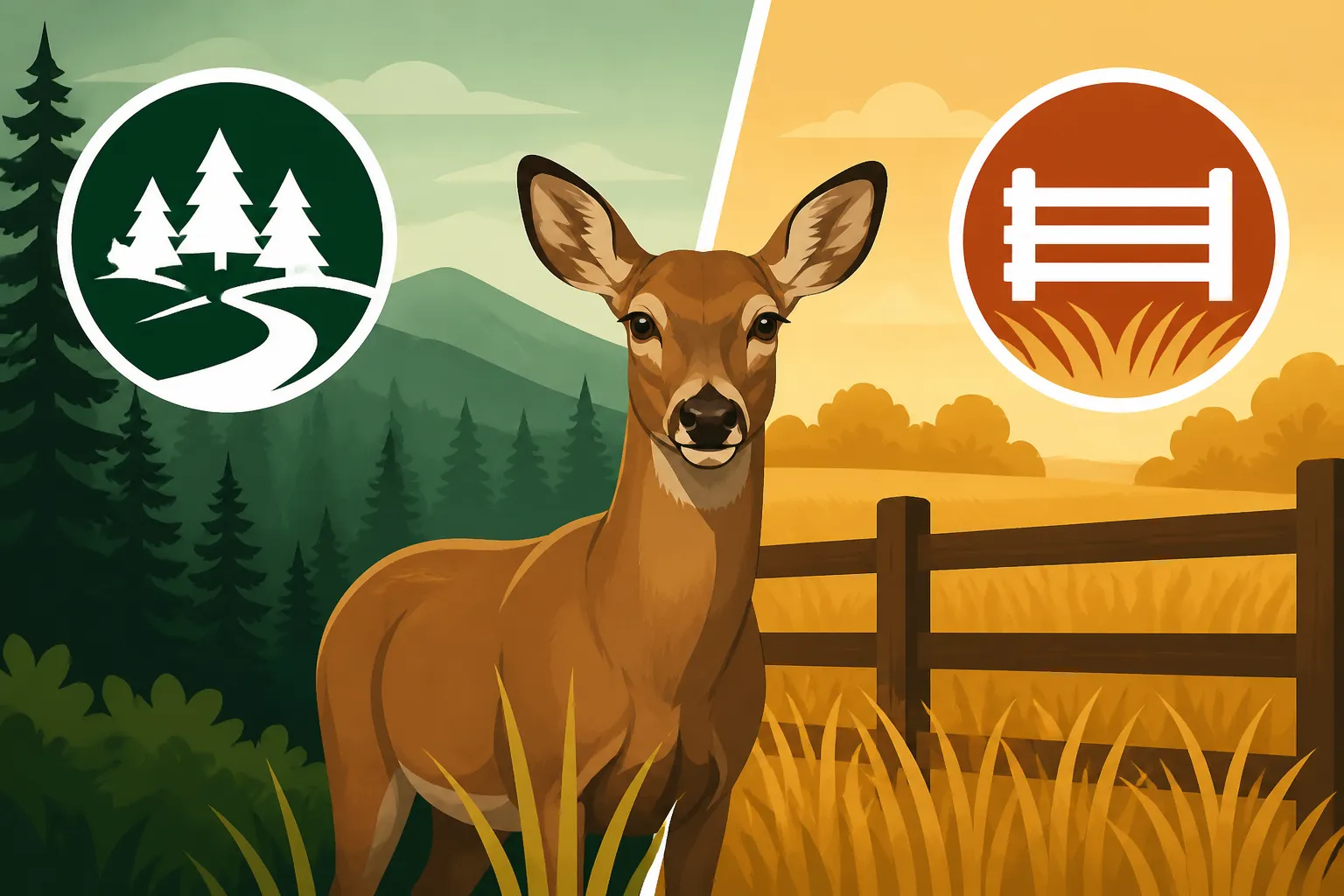
| Feature | Public Land Antlerless Tags | Private Land Antlerless Tags |
|---|---|---|
| Availability | Often limited, competitive drawing/lottery in many DMUs. | Generally over-the-counter, easier to acquire. |
| Purchase Method | Application period, usually July, through DNR e-License or retailer. | Over-the-counter, often from July until quota filled/season ends. |
| Cost | Varies (often similar to regular antlerless tag cost). | Varies (often similar to regular antlerless tag cost). |
| Land Type Validity | ONLY valid on public lands within the specified DMU. | ONLY valid on private lands within the specified DMU. |
| Hunter Pressure | Can be higher, especially in popular areas. | Generally lower, more control over hunting experience. |
| CWD Zones | May have increased availability, special regulations apply. | May have increased availability, special regulations apply. |
| Required Access | No specific permission needed beyond tag validity for public land. | Requires explicit landowner permission to hunt private property. |
| Season Duration | Follows statewide antlerless seasons within the DMU. | Follows statewide antlerless seasons, sometimes extended in some areas. |
Disclaimer
Please remember that hunting regulations, seasons, and tag requirements in Michigan are subject to change. Always consult the most current Michigan DNR Hunting Digest or visit the official DNR website before heading into the field. This guide is intended for informational purposes only and should not be considered a substitute for official legal documentation.