Michigan Deer Management Units
Michigan's deer hunting rules can feel incredibly complex, often leaving even seasoned hunters scratching their heads trying to decipher all the regulations. One of the biggest sources of this confusion often revolves around the state's Deer Management Units, or DMUs. Figuring out what they are, why they exist, and how they directly impact where you can hunt and what tags you need is crucial. This guide will demystify Michigan's Deer Management Units, explaining their purpose, how they affect your hunting strategy, and where to find the essential information you need to hunt successfully and legally across the state.
Understanding Michigan's Deer Management Units (DMUs)
If you've spent any time looking at Michigan's deer hunting regulations, you've undoubtedly stumbled upon the term "DMU." It’s not just some bureaucratic acronym; it's a fundamental part of how the Michigan Department of Natural Resources (DNR) manages our state's diverse deer herd. Think of DMUs as geographically defined zones, each with its own set of rules tailored to the specific ecological and social factors of that area.
What Exactly is a DMU?
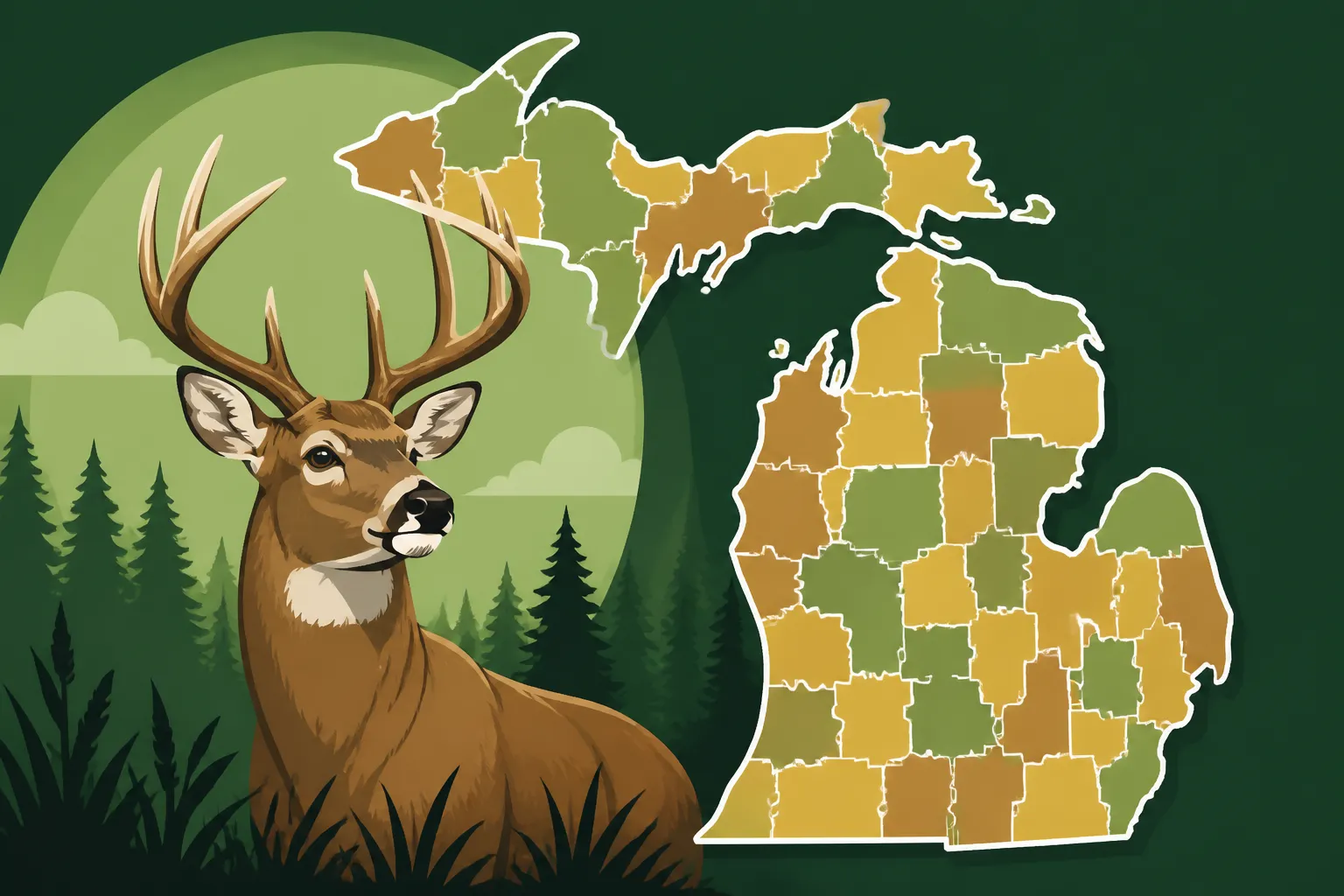
At its core, a Deer Management Unit is a specific geographical area that the Michigan DNR uses to manage deer populations. These aren't arbitrary lines on a map; they are carefully drawn boundaries, often following county lines, major highways, or significant natural features like rivers. Each DMU has distinct goals for deer population levels, harvest strategies, and sometimes even specific regulations regarding antlered or antlerless deer. For instance, what might be perfectly legal and common practice in DMU 487 in the Northern Lower Peninsula could be a violation in DMU 045 in the Southern Lower Peninsula. It’s all about localized management, recognizing that a "one-size-fits-all" approach simply doesn't work for a state as ecologically diverse as Michigan.
These units allow wildlife biologists to focus their efforts and tailor their approaches based on local conditions. Factors like habitat quality, winter severity, agricultural damage, human population density, disease prevalence, and even hunter access can vary wildly from one end of the state to the other. Without DMUs, trying to manage deer statewide would be like trying to drive a nail with a sledgehammer – imprecise and often damaging. It's a system designed to be responsive, allowing the DNR to make adjustments to harvest quotas and regulations on a regional basis rather than enacting blanket rules that might not serve the best interests of the deer herd or the hunting community in every part of Michigan.
Why We Have DMUs in Michigan
The primary reason for Michigan's DMU system is scientific deer herd management. Our state is vast, stretching from the rugged wilderness of the Upper Peninsula down to the agricultural plains of the southern Lower Peninsula. The deer population density, habitat types, food sources, and even the pressures from urban development and human-wildlife conflict vary dramatically across these regions. A booming deer herd in southern Michigan farm country, potentially causing significant crop damage, requires a different management approach than a recovering herd in the deep snow country of the western U.P., which might be struggling after a series of harsh winters.
DMUs allow the DNR to set specific objectives for each area. For example, in DMUs with high deer populations and ample habitat, the goal might be to maintain a stable, healthy herd through generous antlerless harvest opportunities. Conversely, in areas where deer numbers are lower due to severe winters or limited habitat, the goal might be to allow the herd to grow by limiting antlerless tags or implementing antler point restrictions to protect younger bucks. This localized control is also crucial for managing diseases like Chronic Wasting Disease (CWD) and Bovine Tuberculosis (TB), allowing the DNR to implement targeted testing requirements, carcass movement restrictions, and specific harvest strategies in affected zones, rather than burdening the entire state with these strict measures. It’s about being precise and impactful with management decisions.
How DMUs Are Delineated
The process of delineating DMUs is a complex one, involving biological data, geographical features, and administrative practicality. Most DMU boundaries follow readily identifiable lines on a map, which is a huge benefit for hunters trying to figure out which unit they're in. Often, these are county lines, making it relatively straightforward to determine your DMU if you know what county you're hunting in. Other times, major highways or interstates serve as boundaries, or even large rivers and lakes. This reliance on easily recognizable features is intentional, designed to minimize confusion for hunters in the field. Imagine trying to hunt a DMU with an invisible, squiggly line running through a cedar swamp – it would be a nightmare!
For instance, you might find a DMU that encompasses several entire counties, while another might be defined by a series of roads and rivers within a single county to address a very localized issue. The goal is to create units that are biologically meaningful, allowing for effective data collection and management actions, but also practical for hunters to understand and adhere to. When the DNR updates DMU boundaries, which happens periodically, they conduct extensive public outreach and consider input from hunters and landowners. They weigh factors like deer herd movements, habitat contiguity, and the social acceptance of regulations within those areas. Tools like the Michigan's Mi-HUNT Map are invaluable for visualizing these boundaries.
Impact of DMUs on Your Hunting Season
Understanding DMUs isn't just an academic exercise; it directly dictates how you plan, license, and execute your deer hunt in Michigan. The regulations you face and the opportunities you have are almost entirely defined by the specific DMU you choose to pursue deer in. This means that failing to check the DMU regulations for your hunting spot can lead to lost opportunities or, worse, unintended violations.
Antler Point Restrictions (APRs) by DMU
One of the most significant impacts of DMUs on Michigan deer hunting is the implementation of Antler Point Restrictions (APRs). APRs are rules that require antlered deer to have a certain number of antler points on one side (typically three or four points) to be legally harvested, primarily designed to protect younger bucks and allow them to mature. The crucial point here is that APRs are not statewide; they are applied selectively to specific DMUs or groups of DMUs. This means that in one DMU, you might be able to harvest any antlered buck with at least one antler three inches long, while in an adjacent DMU, that same buck would be illegal if it didn't meet the APRs.
This localized application allows the DNR to address specific herd dynamics and hunter preferences. For example, in many parts of the Northern Lower Peninsula and portions of the U.P., APRs are in place over large regions to improve buck age structure and provide hunters with more opportunities to see and harvest older bucks. You can dive deeper into these specific rules by checking out Michigan Antler Point Restrictions by DMU. However, in other DMUs, particularly in southern Michigan where deer populations are high and agricultural damage is a concern, APRs might be absent to encourage higher antlered buck harvest pressure. Always, always check the current year's hunting guide for the specific DMU you intend to hunt. It's a critical step that cannot be overlooked, lest you pass on a perfectly legal deer or, conversely, harvest one that doesn't meet the local criteria.
Antlerless Tag Quotas and Availability
Beyond APRs, DMUs play an absolutely pivotal role in determining the availability and quotas for antlerless deer tags. These tags are crucial for managing overall deer populations, especially in areas where herd numbers are high and need to be reduced or maintained. Unlike antlered deer licenses, which are generally valid statewide for one antlered deer (unless APRs apply), antlerless licenses are specific to a particular DMU and often a specific land type (public or private). The number of antlerless tags issued for each DMU, and the periods in which they can be used, are directly determined by the DNR based on their management objectives for that unit.
The allocation of antlerless tags varies wildly. In some DMUs, especially those in highly agricultural areas or where CWD is present, antlerless tags might be abundant, even unlimited for private land, and available over several different hunting seasons. This is done to encourage hunters to take more does and reduce the overall deer population, mitigating crop damage or helping to control disease spread. In contrast, DMUs in more remote, forested areas with lower deer densities might have very limited antlerless tag quotas, requiring hunters to apply in a lottery system just for a chance to draw one. You can find more specific details on obtaining these tags in Michigan Antlerless Deer Licences. This system ensures that harvest pressure on antlerless deer is applied precisely where it's needed most, preventing over-harvest in areas with struggling populations while providing ample opportunity where deer numbers are robust.
Special Regulations and Season Dates
While the general statewide deer season dates provide a framework, DMUs can also have specific nuances regarding season dates and special regulations. These are less common than APRs or antlerless tag variations but are incredibly important to be aware of. For instance, some DMUs might have extended antlerless seasons, early antlerless firearm seasons, or special late-season opportunities designed to meet specific management goals. A prime example is the management of CWD, where DMUs within CWD Management Zones might have altered season dates, expanded harvest opportunities, or specific carcass transportation rules that differ from those in unaffected DMUs.
Furthermore, specific hunting methods or weapon restrictions might occasionally be tied to certain DMUs, although this is less common for deer statewide compared to the broader "Limited Firearm Zone" distinction in the Lower Peninsula. Hunters might also find special rules pertaining to baiting and feeding, which vary by DMU based on disease prevalence. For instance, where CWD has been detected or is deemed a high risk, baiting is typically prohibited to prevent the unnatural congregation of deer, which can facilitate disease transmission. Always check the official Michigan Hunting and Trapping Digest for the latest regulations pertaining to your specific DMU. This is where the rubber meets the road; your hunting success and legality depend on precise knowledge of these localized rules.
Navigating DMUs with Tools and Resources
Understanding the concept of DMUs is one thing, but actually navigating them in the field and planning your hunt requires reliable tools and resources. Thankfully, the Michigan DNR, along with third-party developers, provides several excellent options to help hunters visualize these boundaries and understand the regulations.
Using the Mi-HUNT Map to Locate DMUs
The Michigan DNR's Mi-HUNT map is arguably the single most important online resource for understanding DMUs and planning your hunt on public land in Michigan. This interactive web-based mapping tool allows you to zoom in on any area of the state and visualize a wealth of information, including DMU boundaries. It’s a game-changer for anyone trying to figure out where they can legally hunt. You simply select the "Deer Management Units" layer, and the boundaries pop up, clearly labeled with their respective DMU numbers. This is critical when you're scouting a new area or hunting close to a county line that also serves as a DMU boundary.
But Mi-HUNT offers so much more than just DMU lines. You can overlay layers for different types of public land (State Forest, State Game Areas, National Forests), private land parcels, designated trails, and even habitat types. This comprehensive view helps you not only identify your DMU but also assess the potential hunting quality of an area. Before I head out, I always spend time on Mi-HUNT, not just for DMU info but to also identify good access points, potential bedding areas, and overlooked pockets of cover. It's truly an indispensable tool, and you can learn more about its functionalities in Using the Michigan Mi-HUNT Map. There's no excuse to be guessing which DMU you're in when this resource is freely available.
Leveraging Technology like GoHunt and OnX
While Mi-HUNT is fantastic for public land in Michigan, many hunters also turn to more advanced mapping applications like OnX Hunt or GoHunt for even greater detail, especially when considering private land or wanting to overlay more nuanced data. These apps bring the power of detailed mapping right to your smartphone or GPS device, making it incredibly easy to see DMU boundaries in real-time while you're in the field. GoHunt, for example, is a powerful platform that allows hunters to access detailed maps, research units, and even apply for draws in various states. While its primary focus might be Western big game, it also provides excellent mapping and regulatory information for Michigan, making it a valuable tool for understanding DMU boundaries and how they interact with property lines.
These applications allow you to download maps for offline use, which is a lifesaver in remote areas of Michigan where cell service is spotty or non-existent. You can pinpoint your exact location relative to a DMU line, ensuring you’re always hunting legally. They also offer layers for private property ownership, recent satellite imagery, topographic maps, and even specific habitat features. Being able to see DMU boundaries alongside private land ownership information can be crucial for understanding Finding Your Michigan Deer Management Unit and navigating complex landscapes, helping you identify potential areas where you might seek permission to hunt on private land while still adhering to the correct DMU regulations. The investment in such an app is often quickly recouped by the confidence and precision it brings to your hunting.
DNR Resources and Local Offices
Beyond digital maps, the Michigan DNR offers a wealth of traditional resources and direct contact points for hunters seeking information about DMUs. The annual Michigan Hunting and Trapping Digest is your absolute bible. This printed (and online PDF) publication outlines all the regulations, including detailed maps of DMU boundaries, antler point restriction zones, and antlerless quota information. Always grab a copy or download the latest version, as regulations can change from year to year. Treat it as your definitive guide; highlight sections, mark pages, and keep it handy.
If you have specific questions that aren't clearly answered in the digest or on the Mi-HUNT map, don't hesitate to reach out to a local DNR office. Wildlife biologists and conservation officers are excellent resources. They often have an intimate knowledge of the local DMUs, herd conditions, and specific challenges or opportunities that might not be apparent from a general map or regulation book. Calling ahead or stopping by can provide invaluable, localized insights that could make or break your hunt, especially when dealing with nuanced situations like specific land access rules or disease surveillance zones within a DMU. It's always better to ask than to guess and risk a violation.
DMUs and Habitat/Herd Management
The DMU system isn't just about telling hunters what they can or can't do; it's a critical tool for the long-term health and sustainability of Michigan's deer herd. These units allow the DNR to implement targeted management strategies for specific challenges, ensuring that conservation efforts are effective and data-driven.
Chronic Wasting Disease (CWD) Zones and DMUs
Chronic Wasting Disease (CWD) is a persistent and devastating neurological disease affecting deer, elk, and moose, and it’s a major concern for Michigan hunters. The DMU system is absolutely central to how the DNR manages and monitors CWD in our state. When CWD is detected in a deer, the DNR establishes specific CWD Management Zones, which are often defined by DMU boundaries or groups of DMUs. Within these zones, special regulations are implemented to slow the spread of the disease and monitor its prevalence. These regulations can include mandatory deer check stations, increased antlerless harvest opportunities, specific carcass transportation restrictions, and a ban on baiting and feeding.
Understanding which DMU you're hunting in is paramount for CWD compliance. If you harvest a deer in a CWD-positive DMU, you might be required to submit its head for testing, and you'll definitely need to be aware of the rules about transporting the carcass out of that specific DMU. For instance, you generally can't transport a whole deer carcass from a CWD-affected DMU across state lines or even into unaffected DMUs within Michigan, with only specific parts (deboned meat, clean skull, hide) being allowed. These rules are tough, but they're there for a reason – to protect the broader deer herd. Always consult Michigan CWD Rules and Test Sites and Michigan Carcass Transport Restrictions for the latest information on these critical regulations.
Bovine TB Areas and Special Rules
Similar to CWD, Bovine Tuberculosis (bTB) is another significant wildlife disease that the DMU system helps manage in Michigan, though its impact is more localized. Bovine TB is a bacterial disease that can affect deer, cattle, and other mammals, and it has been present in a specific area of Michigan's northeast Lower Peninsula for many years. Within the DMUs designated as the "Bovine TB Zone," the DNR implements specialized management strategies aimed at reducing the deer population to limit the potential for disease transmission to livestock. This often means very liberal antlerless deer quotas, extended hunting seasons, and mandatory testing of harvested deer in specific areas.
If you're hunting in a DMU within the Bovine TB Zone, you'll find that antlerless tags are typically very easy to obtain, often over-the-counter or even unlimited for private land. The DNR actively encourages hunters to take as many antlerless deer as possible in these areas to keep deer densities low. Furthermore, specific testing requirements for harvested deer might be in place, and hunters often have opportunities to assist with disease surveillance efforts. While the Bovine TB issue is concentrated in certain DMUs, it's a perfect example of how the DMU system allows for highly targeted disease management strategies that would be impractical or unnecessary to apply statewide. Knowing your DMU here is about contributing to public health and the health of both wild and domestic animals.
Balancing Hunter Opportunity and Herd Health
Ultimately, the DMU system is a constant balancing act between providing ample hunting opportunity and ensuring the long-term health and sustainability of Michigan's deer herd. The DNR's wildlife biologists use a vast array of data – harvest reports, population surveys, winter severity indexes, habitat assessments, disease monitoring, and even hunter feedback – to inform their decisions for each DMU. This data-driven approach allows them to make informed adjustments to antler point restrictions, antlerless quotas, and season structures on a unit-by-unit basis.
For instance, if harvest data shows a consistent decline in antlered buck age structure in a particular DMU, the DNR might consider implementing or adjusting APRs to allow more young bucks to survive. Conversely, if deer populations are consistently exceeding habitat carrying capacity in another DMU, leading to increased vehicle collisions or agricultural damage, the DNR will likely increase antlerless tag availability. This dynamic management system aims to optimize the deer resource for everyone: healthy deer populations, quality hunting opportunities, and minimized human-wildlife conflicts. It's a testament to adaptive management, always seeking that sweet spot where hunters are happy, and the deer herd thrives.
Planning Your Hunt Based on DMUs
Armed with a better understanding of what DMUs are and how they operate, you're now in a much stronger position to plan your Michigan deer hunt effectively. This isn't just about avoiding legal trouble; it's about maximizing your chances of success and having a truly rewarding experience in the field.
Choosing a DMU for Specific Hunting Goals
Before you even buy a license, you need to think about your hunting goals. Are you primarily after an antlered buck with a specific antler characteristic? Are you looking to fill your freezer with venison, meaning antlerless tags are a priority? Or are you simply looking for a less crowded public land experience? Your answers to these questions should heavily influence which DMU you focus on.
For example, if harvesting a mature, antlered buck is your top priority, you might research DMUs that have robust Antler Point Restrictions in place, as these are often designed to improve buck age structure. You can often find information on Michigan Deer Population Estimate and Best Michigan Counties for Big Bucks which can further help you identify promising DMUs. Conversely, if your goal is primarily to harvest antlerless deer for meat, you'll want to target DMUs with high antlerless quotas, especially those in agricultural areas or CWD zones where tags are more readily available. Hunters seeking solitude might explore DMUs with vast tracts of public land, such as those in the Upper Peninsula or the Northern Lower Peninsula, even if deer densities are lower. The key is aligning your personal goals with the opportunities and regulations present within specific DMUs.
Scouting and Adaption within Your Chosen DMU
Once you've identified a promising DMU, the real work begins: scouting. Even within a single DMU, habitat, deer behavior, and hunting pressure can vary significantly. Use resources like the Mi-HUNT map and tools like GoHunt or OnX to identify specific public land parcels or private land opportunities within your target DMU. Look for areas with diverse habitat, natural funnels, potential food sources (like oak ridges or agricultural fields), and thick cover for bedding. Pay close attention to any areas that might offer a refuge from hunting pressure, as these can be goldmines, especially on heavily hunted public land. Checking out Scouting Michigan Public Land Before Season can provide excellent strategies for this.
Remember that deer are constantly adapting to pressure and changing conditions, so your scouting needs to be ongoing. If you're hunting in a DMU with significant hunting pressure, you might need to adjust your tactics, perhaps walking further from access points or targeting overlooked cover. Conversely, in a less-pressured DMU, deer might be more predictable. Always be ready to adapt. If you're struggling to find deer in one spot within your DMU, be prepared to move and explore other promising areas. The DMU just sets the stage; your boots on the ground and observational skills write the story of your hunt.
Purchasing the Correct Licenses and Tags
This is where all your DMU research culminates. After identifying your target DMU and understanding its specific regulations, you need to ensure you purchase the correct licenses and tags. In Michigan, you'll start with a Base License, which allows you to hunt small game and serves as the foundation for purchasing deer hunting licenses. For deer, you'll then need a Deer License or a Deer Combo License. A standard Deer License typically grants you one antlered deer tag. The Deer Combo License gives you two deer tags: one for an antlered deer (subject to APRs in your DMU) and one for either an antlered or antlerless deer, depending on the season and DMU rules. Remember that if you plan to harvest an antlerless deer, you'll likely need an additional Antlerless Deer License, which must be purchased for a specific DMU and often for a specific land type (public or private).
It's critical to double-check that the DMU number on your antlerless license matches the DMU you intend to hunt. Buying the wrong DMU tag means that deer is not legal, even if you are in the correct DMU for hunting in general. This is a common mistake that can be easily avoided with careful planning. You can explore all the options and costs at Michigan Hunting Licences and What They Cost and Michigan Deer Licence and Combo Options. Don't wait until the last minute to buy your licenses, especially if you need a specific antlerless tag, as quotas can sell out in popular DMUs. A little preparation goes a long way in ensuring a legal and successful Michigan deer season.
Comparing Michigan Deer Management Units (Sample)
To illustrate the diversity among DMUs, here's a simplified comparison of a few hypothetical examples. Remember, specific regulations can change annually, so always consult the current Michigan Hunting and Trapping Digest.
| DMU Number | Geographic Region | General Character | Antler Point Restrictions (APRs) | Antlerless Tag Availability | CWD/TB Status | Primary Management Goal |
|---|---|---|---|---|---|---|
| 001 | Southern Lower Peninsula | Agricultural/Suburban, High Deer Density | Generally None (Any Buck) | Very High/Unlimited Private | CWD Surveillance Zone | Population Reduction/Disease Mitigation |
| 123 | Northern Lower Peninsula | Forested/Mixed Use, Moderate Deer Density | 3-Point Rule on One Side (Mandatory) | Moderate (Lottery System) | Low Risk | Improve Buck Age Structure/Stable Herd |
| 350 | Upper Peninsula | Remote Forested, Lower Deer Density | 3-Point Rule on One Side (Voluntary) | Limited (Very Restricted) | Low Risk | Herd Growth/Protection |
| 487 | Northeast Lower Peninsula | Forested/Farm Mix, Moderate Deer Density | Generally None (Any Buck) | High (Over-the-Counter) | Bovine TB Zone | Population Reduction/Disease Mitigation |
Disclaimer
The information provided in this guide is for general informational purposes only and is not intended as legal advice. Hunting regulations in Michigan are subject to change annually and can be complex. Always consult the official Michigan Department of Natural Resources (DNR) Hunting and Trapping Digest or the DNR website for the most current and accurate regulations before engaging in any hunting activities. Failure to do so could result in fines or other penalties.