Which Michigan Counties Have CWD
It's incredibly frustrating when you're just trying to enjoy a peaceful hunt, and suddenly a complex issue like Chronic Wasting Disease (CWD) throws a wrench into your plans. The rules feel like they're constantly changing, and just figuring out where CWD even is in Michigan can feel like a full-time job. This guide is here to cut through the confusion and give you a clear, realistic picture of which Michigan counties have confirmed CWD, what that means for your hunt, and how you can navigate these challenges with confidence.
Understanding the Shadow of Chronic Wasting Disease in Michigan
Chronic Wasting Disease (CWD) isn't just another buzzword in the hunting community; it's a serious neurological disease affecting deer, elk, and moose. It's caused by abnormal proteins called prions, and unfortunately, it's always fatal for the animals that contract it. For us hunters, it brings a whole new layer of responsibility and concern, not just for the health of our deer herd, but also for our own practices and the future of hunting in our beloved Michigan.
The presence of CWD has definitely changed the landscape for many of us. Gone are the days when you could just throw up a bait pile anywhere and not worry about it. Now, we're asked to be more vigilant, to understand complex regulations, and to participate in surveillance efforts. It can feel like a lot to keep track of, especially when you're already juggling work, family, and trying to carve out precious time in the woods. But understanding what CWD is and how it spreads is the first step in being part of the solution and continuing to enjoy hunting in Michigan responsibly.
What is Chronic Wasting Disease?
Let's break it down simply: CWD is a transmissible spongiform encephalopathy (TSE), similar to mad cow disease. It's not a bacterial or viral infection; it's caused by misfolded prions. These prions accumulate in the brain and nervous tissue of infected animals, slowly leading to neurological degeneration. Animals become emaciated, exhibit abnormal behavior, drool excessively, and eventually die. The scary part? These prions are incredibly resilient. They can persist in the environment—in soil, plants, and even water—for years after an infected animal has died, potentially infecting other deer.
The spread happens through direct contact between deer, but also indirectly through contaminated environments. Deer often congregate, especially around food sources or during breeding season, which increases the likelihood of transmission. This environmental persistence is a big reason why baiting and feeding bans are often implemented in CWD zones, because concentrating deer can accelerate the spread. It's a tough pill to swallow for many hunters who have relied on baiting for generations, but it's a measure aimed at protecting the herd in the long run.
Why Michigan Hunters Need to Care
Beyond the obvious concern for the health of our deer herd, CWD impacts us directly. First, there are the regulations. Areas with CWD detections often see changes in Michigan Baiting and Feeding Rules, mandatory testing requirements, and restrictions on carcass movement. These rules can be confusing and might require a change in how you plan your hunt. Nobody wants to be on the wrong side of the law, especially when you're trying to do the right thing.
Secondly, there's the question of meat safety. While there's currently no scientific evidence of CWD transmitting to humans, the Centers for Disease Control and Prevention (CDC) and other health organizations recommend against consuming meat from CWD-positive animals. This means if you harvest a deer in a CWD zone, getting it tested is crucial. Imagine the disappointment of putting in all that effort, harvesting a magnificent animal, only to find out it has CWD and you can't confidently put that meat on your table. It’s a real concern for families who rely on venison for sustenance.
Lastly, CWD poses a long-term threat to Michigan's deer population. A healthy, robust deer herd is vital for our hunting heritage, our ecosystems, and even our local economies. Allowing CWD to spread unchecked could decimate local deer populations, fundamentally altering the hunting experience for future generations. That's why understanding and participating in mitigation efforts, even if they're inconvenient, is so important. For more on the broader issue, check out our guide on Chronic Wasting Disease in Michigan.
Pinpointing CWD Hot Zones: Which Michigan Counties Are Affected?
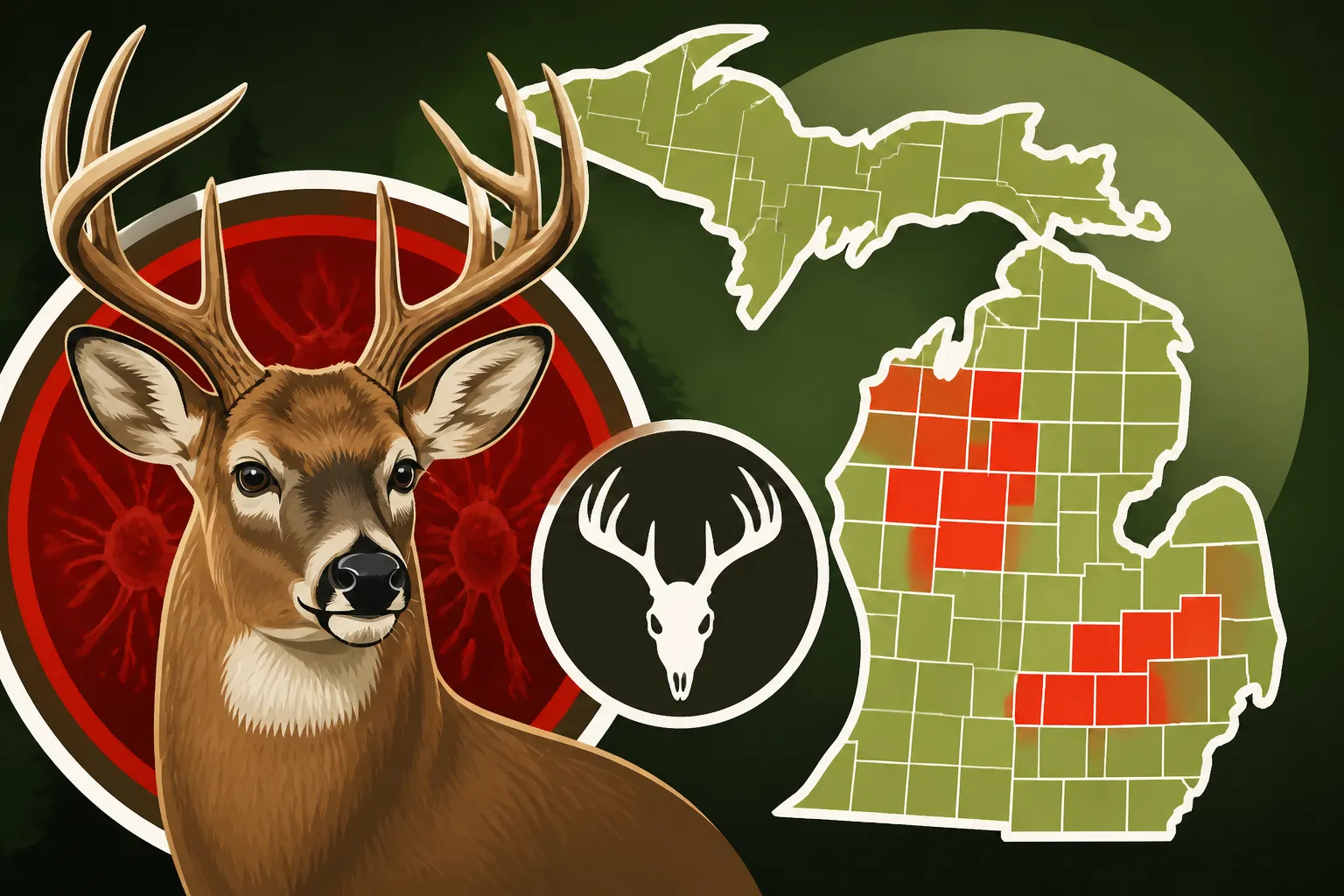
Navigating the ever-evolving map of CWD detections in Michigan can feel like trying to hit a moving target. The Michigan Department of Natural Resources (DNR) works tirelessly to track the spread, but new positive detections can shift boundaries and introduce new regulations almost overnight. As of my last check, CWD has primarily been detected in deer from Michigan's Lower Peninsula, specifically concentrated in the south-central region.
It's important to understand that when the DNR talks about "CWD counties," they often refer to a broader management zone that extends beyond the exact location of a positive deer. This is because deer move, and the goal is to contain the disease before it establishes a wider foothold. Always double-check the latest maps and regulations on the Michigan DNR website, as these zones can be updated annually or even mid-season. Tools like GoHunt can also be invaluable for keeping up with these dynamic regulations and understanding specific county restrictions right from your phone.
Confirmed CWD Counties in Michigan
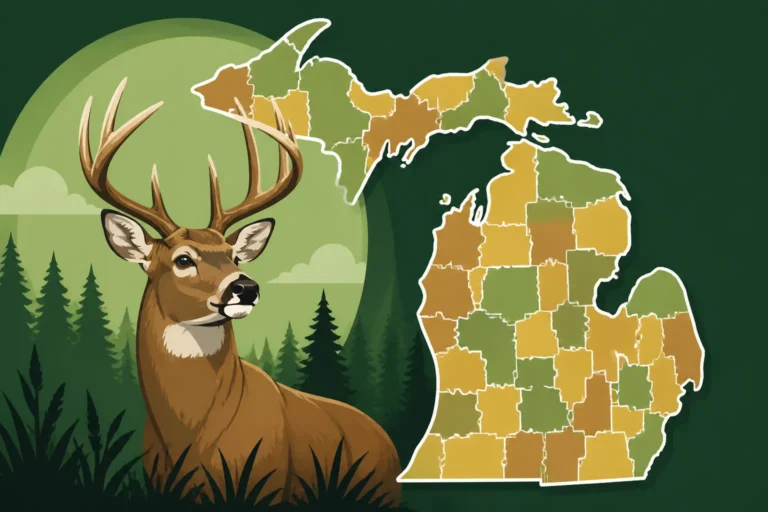
Historically, the first CWD positive deer in Michigan's free-ranging herd was detected in 2015 in Meridian Township, Ingham County. Since then, the disease has popped up in a number of surrounding and nearby counties. Here's a look at the core group of counties that have seen confirmed CWD cases in wild deer and are typically part of a CWD Management Zone:
- Jackson County: Has seen multiple detections and is a central point of the current CWD management efforts.
- Kent County: Another significant area with ongoing CWD surveillance and detections, particularly in the western Lower Peninsula.
- Ionia County: Situated between Kent and other core areas, Ionia has also had confirmed CWD cases.
- Montcalm County: Northeast of Kent and Ionia, Montcalm has also been a hotspot for detections.
- Clinton County: East of Ionia, Clinton County is part of the established CWD zone.
- Ingham County: The site of the initial discovery, it continues to be a CWD management area.
- Eaton County: Bordering Ingham and Jackson, Eaton has also had CWD positive deer.
- Hillsdale County: Located in the southern tier, Hillsdale has had CWD detections and is actively managed.
- Lenawee County: Also in the southern tier, Lenawee has seen CWD activity.
- Branch County: Another southern county that has had CWD detections.
- Calhoun County: Situated in the south-central area, Calhoun is part of the CWD management zone.
It's crucial to remember that this list isn't exhaustive and CWD detections are ongoing. The DNR continually updates its CWD map. Counties like Gratiot, Isabella, and Mecosta have also had detections or are part of expanded surveillance zones due to their proximity to known CWD areas. These are the places where hunters really need to be extra diligent about checking regulations and getting their harvested deer tested.
Navigating CWD Management Zones and Regulations
The DNR doesn't just list counties; they define specific CWD Management Zones, each with its own set of rules. These zones typically fall into categories:
- Core CWD Zone: This is the immediate area where CWD has been confirmed in multiple wild deer. These zones have the most stringent regulations, often including mandatory CWD testing periods, year-round baiting and feeding bans, and strict carcass movement restrictions.
- CWD Surveillance Zone: These are areas surrounding the Core CWD Zone, where CWD has not yet been detected or has only had isolated cases. The DNR conducts enhanced surveillance here, meaning they might ask hunters to voluntarily submit deer heads for testing, and baiting/feeding bans are usually in effect.
The regulations can be quite specific, down to townships or even sections within a county. For instance, even if a county is listed as having CWD, the regulations might only apply to certain parts of it. This is where using a detailed mapping app, perhaps one with a GoHunt overlay showing CWD zones, can save you a lot of headache. Always check the DNR website's interactive map or their most current hunting digest addendums to ensure you are compliant with the specific rules for your hunting location. Our article on Michigan CWD Rules and Test Sites offers more granular detail on what to expect.
Here’s a simplified breakdown of common regulations in CWD zones:
| Regulation Type | Core CWD Zone | CWD Surveillance Zone |
|---|---|---|
| Baiting & Feeding | Banned year-round | Banned year-round |
| Carcass Movement | Highly restricted, often requiring deboning | Restricted, generally cannot move out of zone |
| Deer Testing | Mandatory during specific periods | Voluntary, but strongly encouraged |
| Antlerless Tags | Often increased availability to reduce herd | Standard availability, may be increased |
| DMR Restrictions | Standard | Standard |
Remember, these are general guidelines. The exact details, including specific dates for mandatory testing, can change. The overarching goal of these regulations is to limit the spread of CWD by reducing deer congregation and preventing the movement of potentially infected carcasses or parts. It's a challenging balance between managing disease and maintaining hunting opportunities, and sometimes it feels like they don't quite get it right.
The Evolution of CWD in Michigan
When CWD was first discovered in Michigan, it sent shockwaves through the hunting community. For years, we'd watched neighboring states grapple with it, hoping it would somehow bypass us. But it didn't. Where CWD Was First Found in Michigan (Ingham County in 2015) marked a turning point. Initially, the DNR focused on depopulation efforts around the detection site, hoping to eliminate the disease before it could spread. However, as more positive deer were found, often miles away from initial detections, it became clear that CWD was more widespread than initially thought.
The map of affected counties has grown and shifted since 2015. What started as a localized issue has expanded, albeit slowly, across the south-central Lower Peninsula. This expansion isn't necessarily rapid, but it's persistent, often popping up in new areas due to natural deer movement or potentially human-assisted movement of infected animals or parts. This is why vigilance and hunter participation in testing are so critical. Each new detection helps the DNR understand the disease better and adapt its management strategies. This also directly affects our Michigan Deer Harvest Trends as regulations shift.
Hunter Participation: Your Role in CWD Management
As Michigan hunters, we're not just spectators in the fight against CWD; we're on the front lines. Our actions, from getting deer tested to understanding carcass movement rules, directly impact the success of CWD management efforts. It can feel like a burden, another thing to add to an already busy hunting season, but our collective participation is genuinely what makes a difference in protecting Michigan's deer herd.
The DNR relies heavily on hunters to provide samples for CWD testing. Without these samples, they can't accurately map the disease's spread or understand its prevalence. This makes every hunter who submits a deer head a vital contributor to the future of hunting in Michigan.
Where and How to Get Your Deer Tested
If you hunt in or near a CWD management zone, getting your harvested deer tested is often mandatory during specific periods, or at least highly recommended. The good news is the DNR has made efforts to make this process as accessible as possible, even if it still takes a little planning.
- DNR Deer Check Stations: These are staffed locations, often at state game areas or field offices, where DNR staff can take biological samples (brain stem and lymph nodes) from your deer. They'll ask for your harvest information and provide you with a unique sample number so you can check results online later. These are usually open during peak hunting seasons, especially the firearm season.
- Self-Serve Drop Boxes: In many CWD management zones, the DNR provides 24/7 self-serve drop boxes. These are typically large coolers or bins where you can leave a deer head. You'll need to fill out a provided tag with your contact info, harvest location (down to township and section if possible), and license details. Make sure you follow the instructions carefully to ensure your sample is processed correctly.
- Participating Taxidermists and Processors: Some local taxidermists and meat processors in CWD zones are authorized by the DNR to collect samples. This can be a very convenient option if you're already taking your deer there. Always confirm with your chosen business if they participate in the CWD surveillance program.
Regardless of how you submit your sample, make sure to keep track of your sample number. You can usually check the results online through the DNR's CWD testing results page, which typically takes a few weeks. Our detailed guide on Michigan CWD Testing for Hunters provides even more information on this process.
The Importance of Hunter Cooperation
We get it – adding CWD testing to your post-harvest routine isn't always convenient. It might mean an extra stop, a bit more paperwork, or waiting longer for your meat. But your cooperation is absolutely paramount for several reasons:
- Accurate Data: Every submitted head provides crucial data points for the DNR, helping them understand where CWD is, how fast it's spreading, and how prevalent it is in certain areas. This data drives management decisions.
- Early Detection: The sooner CWD is detected in a new area, the better the chances of containing it. Hunter-submitted samples are often the first indication that the disease has spread.
- Informed Management: Without sufficient data, the DNR would be flying blind, leading to less effective management strategies. Your samples help ensure that policies are based on real-world information.
- Protecting Your Food Source: Ultimately, CWD threatens the very deer we hunt and consume. By participating, you're helping to ensure that venison remains a safe and healthy food source for Michigan families.
Think of it as community stewardship. We all love Michigan hunting, and protecting it means we all have a part to play. Many hunters use apps like GoHunt to mark their harvest location, which helps when filling out those DNR forms. Every piece of information helps the DNR in their ongoing Michigan Wildlife Disease Monitoring.
Staying Informed with DNR Resources and Tools
The DNR understands that keeping up with CWD can be a lot. They provide a wealth of resources, and it's up to us to utilize them:
- Michigan DNR Website: This is your primary source for the most current CWD maps, regulations, and testing information. They usually have a dedicated CWD section with FAQs and contact details.
- DNR Hunt Fish App: This mobile app can provide a quick reference to regulations, and some versions may show CWD zone boundaries.
- Hunting & Trapping Digest: Always consult the latest digest, and any in-season updates or addendums, as CWD rules can change.
- GoHunt: While not a Michigan-specific DNR app, platforms like GoHunt often integrate state regulations and can be customized to show property lines and other features that help you navigate specific zones with confidence. Knowing where you are relative to a CWD boundary is critical, and a robust mapping system can be a lifesaver.
Staying informed means you can hunt confidently, knowing you're following the rules and doing your part for the health of Michigan's deer herd. If you ever see a deer acting strangely – disoriented, unusually thin, or excessively drooling – it's important to know how to respond. Our guide on Reporting a Sick Animal in Michigan provides crucial steps.
Hunting in CWD-Affected Areas: Strategies and Precautions
Hunting in a CWD-affected area adds a layer of complexity, but it doesn't mean you have to give up on your passion. It simply requires adapting your strategies and taking extra precautions. For many of us, hunting isn't just a hobby; it's a deep connection to nature and a way of life. We're not going to let CWD take that away, but we will adapt.
The changes in regulations, particularly the baiting bans, force us to become better, more natural hunters. It pushes us to focus on understanding deer movement, natural food sources, and sanctuary areas – skills that ultimately make us more effective and ethical hunters.
Carcass Movement Restrictions: What You Need to Know
One of the most significant changes for hunters in CWD zones involves carcass movement. Because CWD prions are concentrated in the brain, spinal cord, and lymphatic tissues, moving an entire deer carcass from an infected zone into a non-infected zone is generally prohibited. This is designed to prevent humans from inadvertently spreading the disease to new areas.
If you harvest a deer in a CWD management zone, here's what you can typically take out of that zone:
- Deboned Meat: All meat must be removed from the bone.
- Cleaned Skull Plate and Antlers: The skull plate must be cleaned of all brain matter and tissue.
- Hides and Capes: As long as no nervous tissue (like brain or spinal cord) is attached.
- Teeth: For taxidermy or trophy purposes.
What you generally cannot take out of a CWD zone:
- Whole Carcasses: Unless you're taking it directly to a licensed processor or taxidermist within the CWD zone.
- Spinal Columns, Brains, or Lymph Nodes: These must be left within the CWD zone, often disposed of in designated landfills or through specific DNR instructions.
These rules can be a hassle, especially if you hunt far from home or prefer to process your own deer. It might mean deboning your deer in the field, which requires some planning and appropriate gear. Consider having a good set of field-dressing knives, game bags, and a cooler ready. Our guide on Michigan Carcass Transport Restrictions offers a deeper dive into these regulations.
Safe Meat Handling and Processing
Even if your deer tests negative for CWD, practicing safe meat handling is always a good idea, especially in CWD areas. If you choose to consume venison from a CWD-positive deer (which is not recommended by health agencies), proper processing is crucial.
Here are some general tips:
- Wear Gloves: Always wear latex or rubber gloves when field dressing and processing your deer.
- Minimize Contact: Try to minimize contact with the brain, spinal cord, and lymph nodes.
- Debone Meat: Remove all meat from the bone, and avoid sawing through the spinal column or skull.
- Sanitize Tools: Thoroughly clean all knives, saws, and processing surfaces with a bleach solution (e.g., 50% bleach, 50% water) after use.
- Dispose of High-Risk Parts Properly: Brain, spinal cord, eyes, spleen, and lymph nodes should be double-bagged and disposed of in household trash destined for a landfill, or according to DNR guidelines for CWD zones. Do not discard them in the woods.
If you're hunting in a CWD zone, it's a good idea to process your deer within that zone if possible, especially if you're not planning to debone it immediately. Many local processors are well-versed in CWD protocols.
Adapting Your Hunting Strategies for CWD Zones
The presence of CWD and its associated regulations, like baiting bans, fundamentally change how many of us hunt. But this isn't necessarily a bad thing! It pushes us to become more attuned to natural deer behavior and movements. For a comprehensive look at hunting without bait, refer to our article on Hunting Without Bait in the Lower Peninsula.
- Focus on Natural Food Sources: Instead of bait, concentrate on identifying and hunting natural food sources like acorn flats, preferred browse, or agricultural fields. Deer still need to eat, and they'll concentrate where the best natural food is available.
- Scouting is King: With baiting out, scouting becomes even more critical. Spend time before the season using tools like GoHunt to identify funnels, bedding areas, and travel corridors. Look for fresh sign like rubs, scrapes, and tracks. Our guide on Scouting Michigan Public Land Before Season offers excellent strategies.
- Hunt Cover and Funnels: Deer will still move between bedding and feeding areas, often using thick cover and natural funnels to do so. Identify these pinch points on maps or in person, and set up your stands or blinds accordingly.
- Watch for Abnormal Behavior: Be extra vigilant for any deer showing signs of CWD. While you can't diagnose CWD in the field, reporting unusually acting deer to the DNR is important.
- Consider Herd Reduction: In some CWD areas, the DNR encourages hunters to harvest more antlerless deer to help manage the population density, which can theoretically slow disease transmission. This might mean taking antlerless tags you typically wouldn't have considered. Filling an Michigan Antlerless Deer Licences might not be as exciting as a big buck, but it's part of doing your part.
Hunting in CWD areas is a challenge, but it's one we can face together. By staying informed, participating in testing, and adapting our strategies, we can continue to enjoy the Michigan woods and contribute to the health of our deer herd.
Disclaimer
The information provided in this article regarding Chronic Wasting Disease (CWD) and associated regulations is intended for general guidance only. CWD management zones, testing protocols, and carcass movement restrictions are subject to change by the Michigan Department of Natural Resources (DNR) at any time. It is the responsibility of every hunter to consult the most current Michigan Hunting and Trapping Digest, the Michigan DNR website, or contact the DNR directly for the most up-to-date and specific regulations for their hunting location. Always prioritize safety and legal compliance.