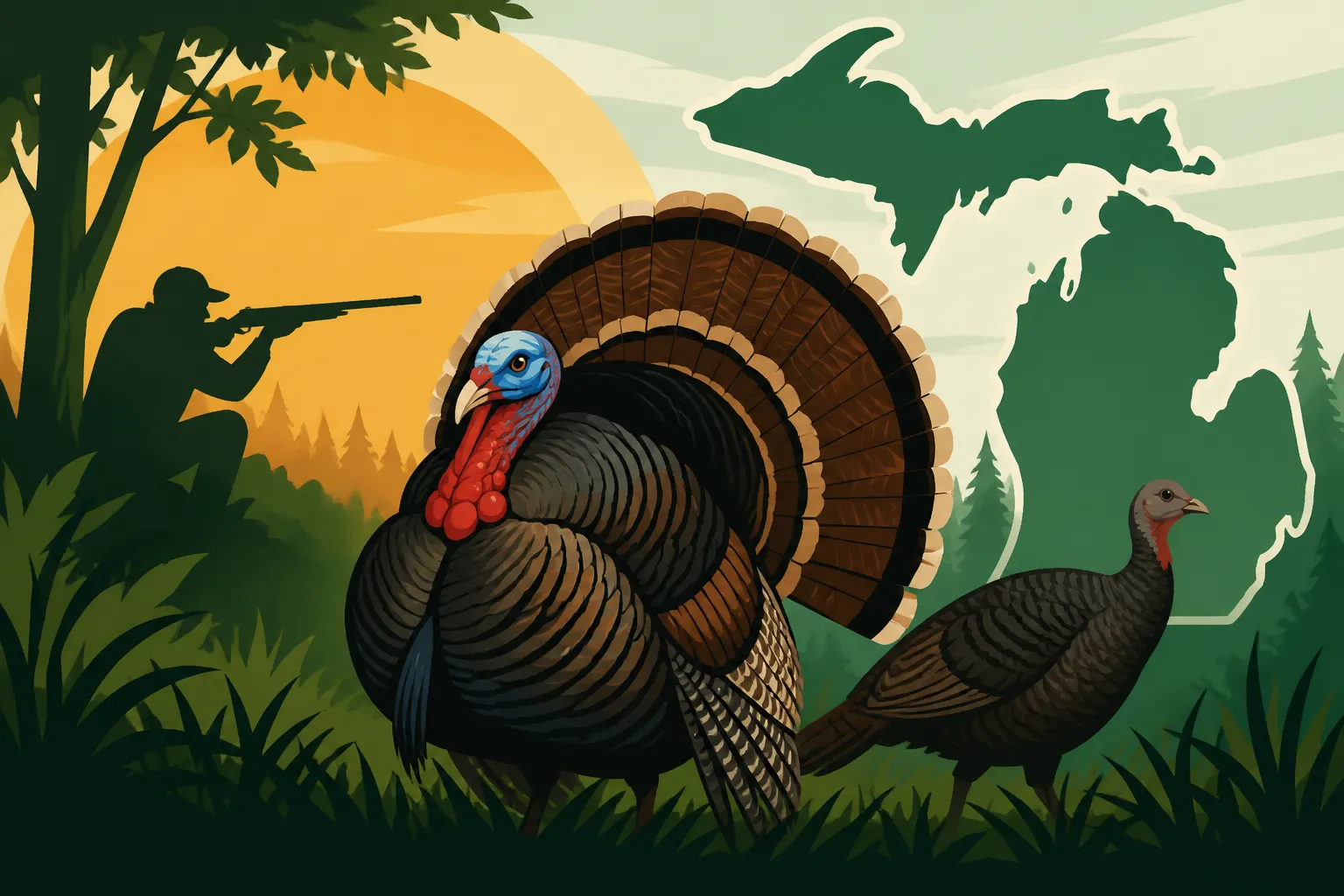
Wild Turkeys in Michigan
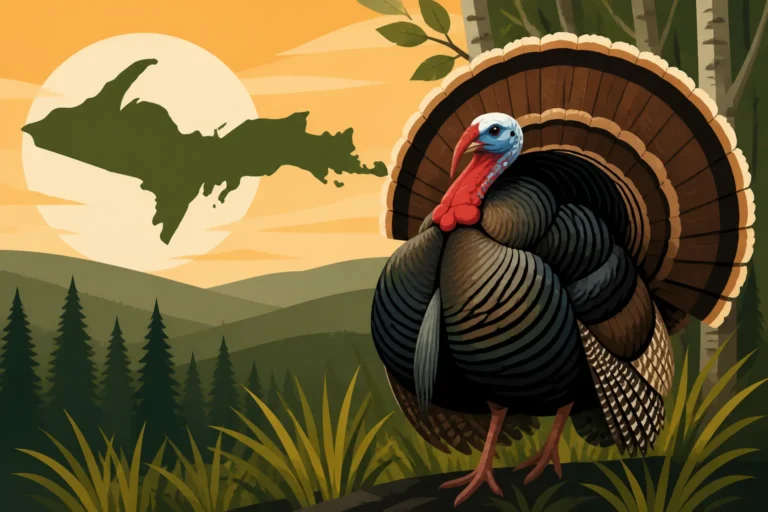
Few experiences in the Michigan woods rival the heart-stopping thunder of a gobbler hammering at dawn, especially when you’ve poured hours into scouting and calling. But for many years, the thought of hearing that sound in Michigan was just a dream, as wild turkeys were nearly extirpated from our state. This guide is dedicated to exploring the incredible comeback story of Michigan’s wild turkey population, providing you with everything you need to know about where they live, how their numbers are managed, and practical strategies for a successful hunt.
The Resurgent Story of Michigan's Wild Turkeys
It's hard to imagine now, with robust turkey populations practically statewide, but there was a time when wild turkeys were all but gone from Michigan. Their story is one of perseverance, dedicated conservation, and a testament to what thoughtful management can achieve. Understanding this history helps us appreciate the hunting opportunities we have today.
A Near Extinction and Remarkable Comeback
Originally, wild turkeys thrived in Michigan's old-growth forests, particularly in the southern Lower Peninsula. However, relentless deforestation for agriculture and logging in the 19th and early 20th centuries, combined with unregulated hunting, led to their near disappearance. By the early 1900s, wild turkeys were considered extirpated from Michigan, a truly disheartening loss for our state's biodiversity and hunting heritage. It felt like an irreversible blow, leaving generations of hunters to only imagine what it would be like to chase these magnificent birds.
The turning point came in the 1950s when the Michigan Department of Natural Resources (DNR) began efforts to reintroduce wild turkeys. Early attempts involved releasing pen-raised birds, which, predictably, failed to establish self-sustaining populations. These birds lacked the survival instincts of their wild counterparts. It wasn't until biologists started trapping truly wild turkeys from established populations in other states, primarily Pennsylvania and Missouri, and releasing them into suitable Michigan habitats that success began to materialize. This change in strategy, focusing on wild-trapped birds, proved to be the crucial difference, laying the groundwork for the future.
The Power of Habitat Management and Translocations
The success of turkey reintroductions wasn't just about moving birds; it was fundamentally tied to parallel efforts in habitat restoration and careful management. As Michigan's forests began to recover from the intense logging era, large tracts of suitable mixed hardwood and conifer forests, along with agricultural lands, started to provide the necessary cover, roosting sites, and diverse food sources that turkeys need to thrive. The DNR strategically released turkeys into these improving habitats, creating new strongholds from which the birds could expand their range naturally.
Over several decades, thousands of wild turkeys were trapped from thriving populations within Michigan and then translocated to new areas of the state where populations were sparse or non-existent. This internal translocation program was incredibly effective in spreading turkeys into every corner of the Lower Peninsula and significantly boosting numbers in parts of the Upper Peninsula. These efforts weren't just about increasing numbers; they were about establishing genetically robust, healthy populations capable of weathering Michigan's challenging winters and bouncing back year after year. It's a prime example of sustained conservation paying huge dividends for hunters and wildlife enthusiasts alike.
Current Status of Michigan's Turkey Population
Today, Michigan boasts an incredibly healthy and widespread wild turkey population, estimated to be well over 200,000 birds. They can be found in nearly all 83 counties, from the agricultural fields of the southern Lower Peninsula to the vast timberlands of the Upper Peninsula. This widespread distribution offers incredible hunting opportunities across diverse landscapes, something that would have seemed impossible just a few generations ago. The birds have adapted incredibly well, utilizing everything from dense cedar swamps to open oak ridges.
The DNR continuously monitors turkey populations through various methods, including hunter harvest surveys, brood surveys in the summer, and direct observation. These efforts help biologists gauge flock health, reproductive success, and overall population trends, ensuring that hunting seasons and quotas are set sustainably. While local fluctuations can occur due to severe winters or changes in habitat, the overall trend for wild turkeys in Michigan remains remarkably positive. This robust population is a testament to the hard work and foresight of those who championed their return. If you're looking for specifics, you can dive deeper into the Michigan Turkey Population Estimate to see the data for yourself.
Where Michigan Turkeys Roam
One of the most exciting aspects of turkey hunting in Michigan is the sheer diversity of landscapes where you can find these birds. From the thick forests of the Upper Peninsula to the rolling farmlands downstate, turkeys have adapted to a wide array of habitats. Knowing what to look for can drastically improve your chances of locating a gobbler.
Habitat Preferences Across the State
Wild turkeys are generalists when it comes to habitat, but they do have clear preferences. They thrive in areas that offer a mosaic of different cover types: mature hardwoods for roosting and foraging for acorns, open fields or clearings for strutting and bug consumption, and dense brushy areas or conifer stands for thermal cover and nesting. This variety provides them with everything they need throughout the year, from food to shelter from predators and the elements.
In Michigan, this often translates to areas with a mix of oak-hickory forests, which are crucial for mast production, intermingled with agricultural fields or old logging cuts that provide insects and grit. They also favor areas with water sources and dense undergrowth for concealment. Identifying these mixed-use landscapes on a map, perhaps with a tool like GoHunt, can be a game-changer when you're scouting. The edges where these different habitat types meet are often prime turkey real estate, as they can quickly move from open feeding areas to dense cover.
Regional Strongholds: From U.P. Timber to Southern Farmland
Michigan's diverse geography leads to distinct turkey habitats. In the southern Lower Peninsula, you'll find turkeys heavily utilizing woodlots interspersed with vast agricultural fields of corn, soybeans, and wheat. Here, turkeys often roost in mature oaks or cottonwoods along river bottoms and feed in the crop fields, especially after harvest. Hunting in these areas often involves setting up on field edges or in timber fringes where birds travel between roosts and feeding grounds. You can learn more about Turkey Tactics for Southern Michigan Farms if this describes your hunting area.
As you move north into the central and northern Lower Peninsula, the landscape shifts to more extensive state and national forests. Here, turkeys rely heavily on mixed hardwood forests, pine plantations, and reverting aspen cuts. They might be found scratching for acorns on a sunny ridge or seeking shelter in a thick cedar swamp. In the Upper Peninsula, the challenges of deeper snow and harsher winters mean turkeys are concentrated in areas with good winter cover, often large tracts of conifer forest, especially cedar and hemlock stands, near areas with available food. The Turkeys in the Upper Peninsula article provides a detailed look at this unique environment. The density might be lower in some parts of the U.P., but finding a gobbler there is a truly rewarding experience.
Finding Turkeys on Public Land
Michigan is blessed with vast amounts of public land, offering ample opportunity for turkey hunters. However, these areas can also see significant hunting pressure. To consistently find turkeys, it's crucial to look beyond the obvious spots. State forests, state game areas, and national forests all hold turkeys, but successful hunters often seek out overlooked pockets. This means walking a bit further, exploring areas off the beaten path, or studying maps for less accessible tracts.
When scouting public land, look for indicators like open ridges with mature oaks, which are ideal for roosting and foraging. Pay attention to areas where dense thermal cover (like conifer stands) meets more open hardwood or field edges. River bottoms and creek drainages often provide excellent travel corridors and diverse vegetation. Using mapping tools to identify these features and then doing boots-on-the-ground scouting before the season, as detailed in Scouting Michigan Public Land Before Season, can give you a significant advantage. Remember, turkeys on public land can be very call-shy, so finding their preferred travel routes and roosting areas is often more effective than just blindly calling.
Michigan Turkey Population Dynamics
Understanding the ups and downs of turkey populations is vital for both hunters and conservationists. While Michigan's turkey numbers are generally robust, they aren't static. Several factors play a significant role in determining how many birds we see year to year and what management strategies are put in place.
Factors Influencing Flock Health: Weather, Predation, and Food
Wild turkey populations are dynamic, influenced by a complex interplay of environmental factors. Weather, particularly during nesting and brood-rearing periods, is a primary driver. Cold, wet springs can significantly reduce poult (young turkey) survival rates, leading to fewer birds in the fall and potentially impacting the following spring's gobbler population. Michigan's notoriously unpredictable weather patterns mean that some years are boom years, and others are a bit tougher.
Predation also plays a role, with coyotes, bobcats, raccoons, and opossums all preying on eggs, poults, and even adult birds. While predation is a natural part of the ecosystem, abnormally high predator numbers in specific areas can suppress turkey populations. Food availability, particularly mast crops like acorns and beechnuts, can influence turkey conditioning and survival through harsh winters. A poor mast year, combined with deep snow, can stress birds, making them more susceptible to disease or winter mortality. The DNR keeps a close eye on these factors to inform their management decisions.
Poult-to-Hen Ratios and What They Mean
One of the key metrics biologists use to assess the reproductive success and overall health of a turkey population is the poult-to-hen ratio. This ratio is calculated by observing hens with broods during the summer months and counting how many poults are accompanying each hen. A high poult-to-hen ratio indicates a successful nesting season and good poult survival, suggesting a strong recruitment of young birds into the population.
Conversely, a low poult-to-hen ratio signals a poor reproductive year, often due to unfavorable weather, high predation on nests, or low food availability during crucial periods. These ratios are collected through volunteer surveys and DNR field staff observations, providing critical data points for long-term population trend analysis. A consistently low ratio over several years might prompt a review of season lengths or bag limits in specific areas to protect the breeding stock, although this has rarely been necessary in Michigan thanks to careful management.
Michigan's Turkey Harvest Numbers and Trends
Michigan's wild turkey harvest numbers are an important indicator of both population health and hunter participation. Each year, thousands of hunters take to the woods during the spring and fall seasons, and their success is meticulously tracked by the DNR. Typically, spring seasons see higher success rates, largely due to gobblers being more vocal and responsive during breeding season.
The Michigan Spring Turkey Harvest Numbers show robust success rates, reflecting the healthy population. While harvest numbers can fluctuate slightly from year to year based on weather and bird behavior, the overall trend has been consistently strong. This data, combined with poult-to-hen ratios and other biological surveys, helps the DNR determine appropriate harvest quotas and ensure that hunting remains sustainable. For example, the state issues Michigan Turkey Licence Quotas for different units, ensuring that the number of hunters doesn't put undue pressure on local populations. This careful monitoring ensures that future generations will also have the opportunity to chase Michigan gobblers.
Understanding Michigan's Turkey Seasons and Regulations
Michigan offers some fantastic turkey hunting opportunities, but navigating the seasons, zones, and permit processes can sometimes feel a bit complex. It's crucial to understand the rules to ensure a legal and enjoyable hunt.
Spring Turkey Season: Zones, Permits, and Application Process
Michigan's spring turkey season is arguably the most popular, offering hunters the chance to call in a strutting gobbler. The state is divided into specific turkey hunting units (Management Units or TMUs), and within those, various hunt periods (often labeled as "licenses" by the DNR) are available. These hunt periods specify the dates you can hunt and are often limited in number to manage pressure and harvest.
To participate in most spring hunts, you typically need to apply for a limited-quota license through a drawing system. Applications are usually submitted well in advance, often in January or February. If unsuccessful in the drawing, hunters often have a chance to purchase leftover licenses, which become available on a first-come, first-served basis, providing a second chance to get out into the woods. Some areas, particularly Unit ZZ, offer unlimited licenses later in the season, allowing more flexibility. Always check the current year's hunting digest for specific application dates, unit boundaries, and hunt periods. The GoHunt app can be a handy tool for keeping track of these important dates and regulations.
Fall Turkey Season: Opportunities and Different Approaches
While spring gets most of the glory, Michigan's fall turkey season offers a completely different, and for many, equally rewarding, experience. Fall turkey hunting is often less about calling to a lovesick gobbler and more about locating flocks, breaking them up, and then calling them back together. This can be an incredibly effective, albeit challenging, tactic.
Fall seasons typically run for several weeks, with specific units open to hunting. Licenses are generally over-the-counter and are not part of the spring drawing, making access easier. Hunters often focus on food sources, like acorn flats or harvested crop fields, as turkeys are actively foraging to fatten up for winter. Decoy use can still be effective, especially if you're trying to reassemble a scattered flock. It’s a great way to put some lean, delicious turkey meat in the freezer, and with fewer hunters afield, it can be a more peaceful hunting experience than the spring rush.
Licensing, Bag Limits, and Reporting Requirements
Beyond securing your specific hunt period license, all Michigan turkey hunters must possess a valid base hunting license. This foundational license allows you to hunt small game and is a prerequisite for purchasing any additional species licenses, including turkey. It's a key part of Michigan's overall hunting license structure.
Bag limits for turkey vary by season. In spring, hunters are typically allowed one bearded turkey per license. This means you can only tag a tom (gobbler) or a jake (young male turkey). In the fall, the bag limit is usually one turkey of any sex. Always verify the current year's digest for exact regulations, as they can sometimes change. After a successful harvest, reporting your kill is mandatory in Michigan. This usually involves validating your tag immediately after the kill and then reporting the harvest to the DNR online or via their app within a specified timeframe, often 72 hours. This reporting provides essential data for population management. For any Leftover Turkey Licences in Michigan or other licensing questions, the DNR website is your best resource.
Essential Tactics for Hunting Michigan Turkeys
Michigan turkeys, especially on public land, can be notoriously wary. Success often comes down to a blend of careful scouting, strategic setup, and knowing when and how to call. There's no single "secret," but rather a collection of refined approaches that increase your odds.
Roost Hunting and Morning Setups
For many spring turkey hunters, the dawn approach to a known roosting area is the quintessential experience. Turkeys typically fly down from their roosts shortly after first light, often landing in an open area to stretch, preen, and survey their surroundings before heading to feed. The key here is to locate a roost tree or general roosting area the evening before your hunt. This often involves listening for evening gobblers or scouting for droppings and feathers under large trees, particularly mature oaks or pines.
Once you’ve identified a potential roost, your morning setup is critical. You want to get into position well before fly-down, ideally 45-60 minutes before legal shooting light, without alerting the birds. Position yourself strategically between the roost and where you anticipate the birds will land or strut, making sure you have good concealment and a clear shot lane. A common mistake is setting up too close, risking spooking the birds. As the light breaks, subtle tree yelps or soft clucks can often get a response, but be careful not to overcall before the birds are on the ground. For more on this, check out Calling a Michigan Gobbler Off the Roost.
Run-and-Gun and Mid-Day Strategies
Not every morning hunt goes as planned. Birds might fly down and head in the opposite direction, or they might simply go quiet. This is where the "run-and-gun" strategy comes into play, particularly effective on public land where birds are pressured and can travel significant distances. This involves covering ground, stopping periodically to call aggressively (yelps, cuts, gobbler yelps) from different locations, and then listening intently for a response. If you get a reply, quickly assess the situation and try to get closer before setting up.
Mid-day hunting, often overlooked by many hunters who pack up after the morning rush, can be incredibly productive, especially when birds are done breeding and searching for food. Turkeys might become more vocal and less wary as the day progresses. Focus on areas between known roosts and feeding areas, or along travel corridors. This is a great time to move quietly, locate birds scratching in the leaves, and then try to set up and call them in. Patience is key during these slower hours, and being mobile allows you to adapt to changing turkey behavior. Understanding Run-and-Gun Turkey Tactics on State Land can really boost your mid-day success.
Calling a Michigan Gobbler Off the Roost
The moment a gobbler sounds off from the roost is pure adrenaline. Your calling strategy in these early moments can make or break the hunt. The goal is to sound like a hen ready to come to him, but not too eager. Start with soft, realistic tree yelps as light begins to break. If he gobbles, respond with a series of clucks and soft yelps, as if you're still on the limb. The key is to make him believe you're a hen on the roost, making him want to fly down to you.
Once he flies down, your calling should transition to ground calls: clucks, purrs, and short yelp sequences. The trick is to only call enough to keep him interested and heading your way. Overcalling is a common mistake, as it can make a tom suspicious or simply make him wait for you to come to him. If he hangs up, try subtle clucks and purrs, or even go silent for a bit. Sometimes, the sound of a hen moving away can be enough to push him over the edge. Setting up against a large tree, as suggested in Setting Up Against a Big Oak, offers great concealment while allowing you to call effectively.
Decoy Use and Placement
Decoys can be incredibly effective tools for turkey hunting, especially for drawing in wary gobblers the last 50-100 yards. The visual cue of a hen (or jake) can often overcome a tom's natural caution. Most hunters opt for a single hen decoy or a jake/hen combination. The jake decoy can be particularly good at drawing in dominant gobblers who see it as a challenger.
Placement is critical. Always set your decoys facing away from your position, ideally 15-20 yards from where you expect the shot to occur. This encourages the gobbler to approach the decoy head-on, presenting a broadside shot as he passes your setup or circles. For safety, avoid placing decoys between yourself and other hunters, especially on public land. Realistic, lifelike decoys often work best, as pressured birds can be very discerning. Be sure to check out Turkey Decoys That Work on Pressured Birds for more detailed advice on selection and setup. Remember to always use hunter orange when carrying decoys to and from your hunting spot.
Gear and Prep for Michigan Turkey Hunters
Being prepared with the right gear can make all the difference in a Michigan turkey hunt, from battling unpredictable weather to effectively calling in a wary tom. Thoughtful planning before the season even opens sets the stage for success.
Shotguns, Chokes, and Ammunition
When it comes to firearms, a 12-gauge shotgun is the most common choice for turkey hunting, offering a good balance of range and pattern density. Many hunters also successfully use 20-gauge shotguns, especially those looking for a lighter setup or for younger hunters. The key isn't just the gauge, but the choke and ammunition combination. A full or extra-full choke is almost universally recommended to achieve the tight, dense patterns needed for clean head and neck shots on turkeys.
Modern turkey loads, often featuring dense shot materials like tungsten super shot (TSS), have revolutionized effective ranges. These specialized loads allow for tighter patterns and more energy at longer distances compared to traditional lead shot. However, they are also more expensive. Whichever ammunition you choose, it's absolutely crucial to pattern your shotgun before the season. Shoot at various distances (20, 30, 40 yards) at a turkey head target to see how your specific gun, choke, and load perform. Knowing your effective range prevents crippling birds and ensures ethical shots.
Clothing, Footwear, and Essential Accessories
Michigan's spring weather is famously unpredictable. One day it can be warm and sunny, the next cold and rainy, even snowy. Layering is your best friend. Start with a moisture-wicking base layer, add an insulating mid-layer (fleece or synthetic down), and top it with a waterproof and windproof outer layer, ideally in camouflage. Always pack rain gear, even if the forecast looks clear. Comfortable, waterproof boots are non-negotiable, especially when navigating dewy fields, muddy trails, or shallow swamps. Look for boots with good ankle support for traversing uneven terrain.
Beyond your shotgun and attire, a few essential accessories can make your hunt smoother. A comfortable turkey vest is invaluable for carrying calls, water, snacks, extra shells, and a seat cushion. Various turkey calls (mouth, slate, box) are a must, along with a pair of binoculars for spotting birds from a distance. A rangefinder is helpful for confirming shot distances, especially with decoys. Don't forget bug spray for ticks and mosquitoes, a headlamp for walking in and out in the dark, and a small first-aid kit. And of course, your valid Michigan hunting license and turkey tags.
Scouting and Pre-Season Preparation
Successful turkey hunting in Michigan often begins long before opening day. Pre-season scouting is paramount to understanding where birds are roosting, feeding, and strutting. Start by studying maps – topographical maps reveal terrain features, while aerial maps show habitat types like hardwood ridges, open fields, and thick cover. Utilize tools like the Mi-HUNT map from the DNR, or commercial apps like GoHunt that integrate various land ownership and habitat layers, to identify promising areas.
Once you have potential spots, conduct boots-on-the-ground scouting. Look for fresh turkey sign: droppings, tracks in soft soil, dusting bowls, and scratch marks in leaf litter. Listen for gobblers at dawn and dusk to locate roosting areas. Pay attention to food sources, such as oak ridges for acorns or fields for waste grain and insects. Scouting also helps you identify potential setup locations, clear shooting lanes, and plan quiet entry and exit routes. The more you know about the birds' patterns before the season starts, the less guesswork there will be on opening morning. This kind of preparation is detailed in articles like Scouting Michigan Public Land Before Season.
Common Challenges and Solutions for Michigan Turkey Hunters
Turkey hunting in Michigan is incredibly rewarding, but it certainly has its fair share of challenges. From dealing with heavily pressured birds to the whims of Mother Nature, encountering difficulties is part of the experience. Knowing how to adapt can be the difference between a frustrating morning and a successful one.
Dealing with Pressured Birds and Public Land Crowds
Michigan's public lands offer fantastic opportunities, but they can also come with significant hunting pressure, especially on opening day and during peak weekends. Pressured birds quickly become wary of aggressive calling and human presence. If you're hunting public land, expect other hunters to be out there, and factor that into your strategy. The sound of multiple callers or too much human activity can shut down even the hottest gobbler.
The solution often involves working harder and thinking smarter. First, try to find less accessible areas. This might mean walking further from main roads or exploring overlooked corners that most hunters bypass. Early season scouting, as we've discussed, is crucial for finding these hidden gems. Second, use lighter, more subtle calling. Instead of loud yelps and cuts, try soft clucks, purrs, and quiet hen yelps. Sometimes, silence is your best call. Let the gobbler do the work, and position yourself in his natural travel path. Consider hunting later in the day, after the initial morning rush, or on weekdays when pressure is typically lower. Setting up on less-traveled forest roads or clearings can be productive.
When Michigan Gobblers Go Quiet
It's a familiar scenario: the birds were gobbling their heads off on the roost, but once they hit the ground, they go completely silent. This can happen for a variety of reasons, including encountering other turkeys, being "henned up" (meaning they have real hens with them), or simply shutting down due to predator presence or hunting pressure. When a gobbler goes quiet, it can be incredibly frustrating, but it doesn't mean the hunt is over.
Your first step should be to wait it out. If he was hot a few minutes ago, he might just be surveying his surroundings or working with a hen. Try a soft cluck or purr after 10-15 minutes of silence. If still no response, you have two main options: become mobile or stay put and wait for him to move naturally. If you decide to move, be very stealthy. Use terrain features and dense cover to advance, stopping frequently to call softly and listen. If he's henned up, sometimes the best tactic is to imitate an aggressive hen or a jake to draw him away from his real hens. Patience and adaptability are your greatest assets when the woods go silent.
Weather Woes: Rain, Wind, and Cold
Michigan weather is notoriously fickle, and spring turkey season is no exception. Hunters often face everything from warm, sunny days to cold, driving rain, and even late-season snow. Each presents its own set of challenges, but with the right gear and tactics, you can still find success. Rain, especially a light drizzle, can sometimes make turkeys more responsive to calls as ambient noise is reduced. However, heavy rain can dampen their spirits and make them seek shelter in dense cover. Focus on areas with good overhead cover during downpours, like pine plantations. Keeping your calls dry is essential; a wet slate call won't make a sound.
Wind is perhaps the most challenging weather factor. It makes it incredibly difficult to hear distant gobblers and carries your calls (and scent) erratically. On windy days, focus on protected areas like valleys, depressions, or the lee side of ridges. Move closer to the birds, as you'll need to be within a shorter distance to hear them. Call louder and more frequently, but try to use natural pauses in the wind. Cold weather simply demands more layers, hand warmers, and insulated footwear to stay comfortable and focused for extended periods. Table 1 below summarizes typical weather conditions and their effects on turkey behavior:
| Weather Condition | Turkey Behavior | Hunter Adaptation |
|---|---|---|
| Clear/Sunny | Active, vocal, strutting frequently. | Focus on open fields, strut zones. Call aggressively. |
| Light Rain/Drizzle | Often more vocal, less wary. Seek light cover. | Use waterproof calls. Hunt edges of thickets. |
| Heavy Rain/Storm | Seek dense cover, less vocal, less active. | Hunt dense conifer stands, use very soft calls. |
| High Wind | Hard to hear, seek sheltered areas. Less vocal. | Hunt valleys, lee sides of ridges. Move closer, call louder. |
| Cold Snap | Focused on feeding, slower movement. Less vocal. | Scout food sources. Dress warmly, longer sits. |
Conservation and Future of Michigan Turkeys
The incredible comeback of the wild turkey in Michigan is a conservation success story that continues to this day. Ensuring their healthy future requires ongoing effort, both from state agencies and individual hunters.
DNR Management Efforts and Research
The Michigan DNR plays a crucial role in maintaining and enhancing the state's wild turkey population. Their work involves continuous monitoring through various surveys, including brood surveys, hunter harvest reports, and banding programs. This data allows biologists to assess population trends, identify areas of concern, and make informed decisions about season structures, bag limits, and management strategies. They focus on balancing hunting opportunities with the long-term health of the turkey resource.
Beyond population monitoring, the DNR also engages in habitat management initiatives. This includes working with landowners to promote beneficial forest and agricultural practices, conducting prescribed burns to enhance understory vegetation, and managing state lands to create the diverse mosaic of habitats that turkeys thrive in. Research into disease prevalence, such as Lymphoproliferative Disease (LPD) or Avian Pox, also helps the DNR understand potential threats to the population and implement strategies to mitigate risks, ensuring the birds remain healthy.
Hunter's Role in Turkey Conservation
As hunters, we are intrinsically linked to the health of the wild turkey population. Our license fees directly fund the conservation and management efforts undertaken by the DNR, making us direct contributors to the continued success of the species. Beyond financial contributions, ethical hunting practices are paramount. This includes adhering to all regulations, accurately reporting harvests, and making clean, ethical shots to avoid wounding birds.
Furthermore, hunters can contribute by participating in voluntary surveys, such as the summer turkey brood survey, which provides invaluable data to biologists. Being observant in the woods and reporting any signs of sick or injured wildlife to the DNR also aids in early detection of potential health issues within the population. Respecting private land, picking up trash, and educating new hunters about ethical practices all reinforce our role as stewards of this incredible resource.
The Long-Term Outlook for Michigan's Wild Turkeys
The long-term outlook for wild turkeys in Michigan remains overwhelmingly positive. Thanks to dedicated conservation efforts, adaptable management strategies, and the continued support of the hunting community, Michigan's turkey population is robust and resilient. While local populations might experience fluctuations due to weather events or habitat changes, the statewide trend suggests a stable and thriving future for these magnificent birds.
Challenges will always exist, from habitat fragmentation in certain areas to potential disease outbreaks, but the lessons learned from their incredible comeback provide a strong foundation for addressing future issues. Michigan's wild turkeys are a symbol of successful wildlife conservation, offering cherished hunting traditions and abundant wildlife viewing opportunities for generations to come. It’s a remarkable legacy that we all have a part in sustaining.
Disclaimer
Please remember that hunting regulations, season dates, and license requirements can change. Always consult the most current Michigan Department of Natural Resources (DNR) hunting digests and regulations before planning any hunting activity. This article is intended for informational purposes only and should not be considered a substitute for official DNR publications.