Wolves and Predators in Michigan
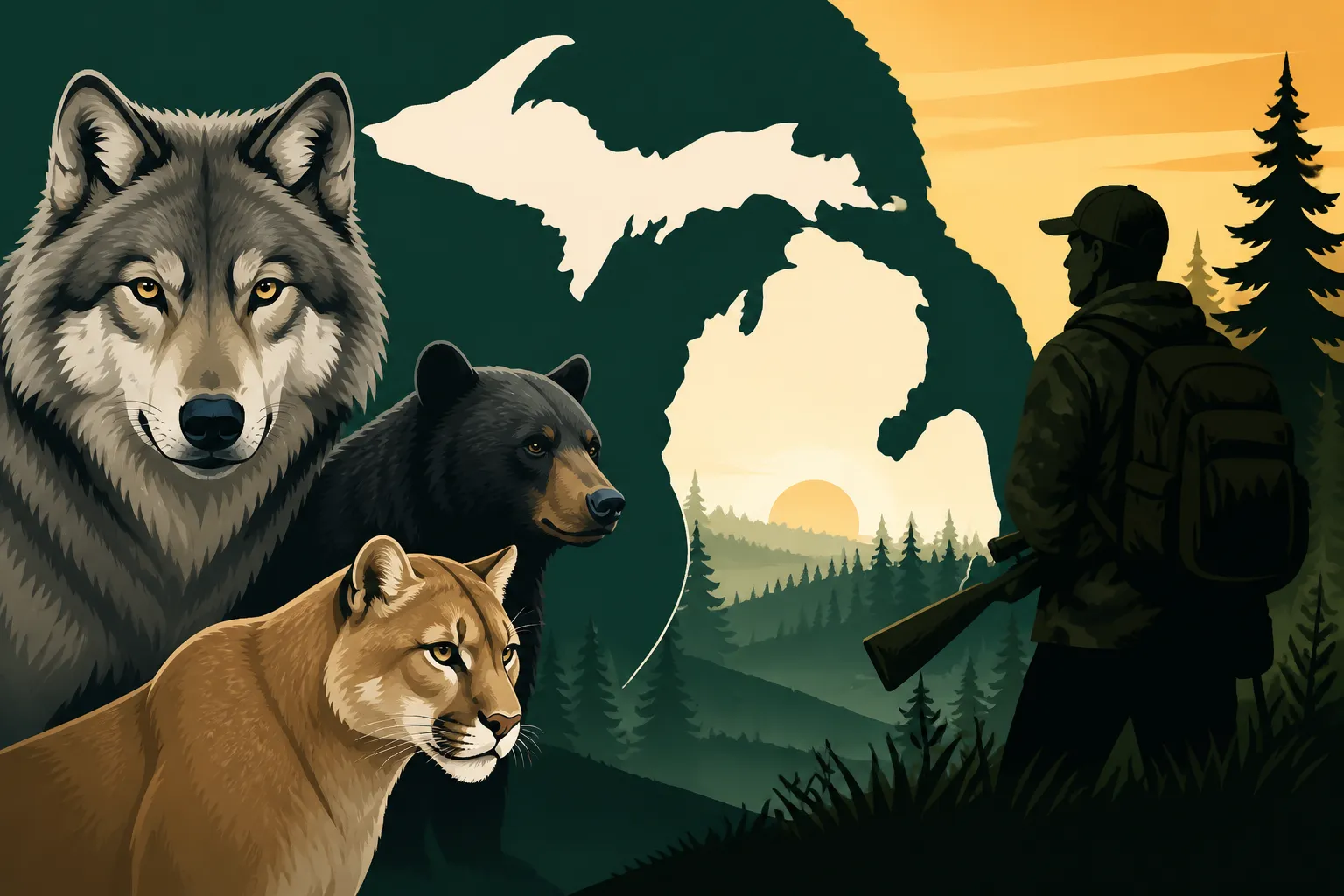
Michigan's wild landscapes are alive with more than just the iconic whitetail deer; they're also home to a fascinating array of predators, from the legendary wolf to the ever-present coyote. For many hunters, understanding these animals and their role in the ecosystem can feel like deciphering a complex puzzle, often fueled by rumors, strong opinions, and valid concerns about their impact on game populations. This comprehensive guide aims to cut through the noise, offering a clear, factual, and deeply informative look at Michigan's most significant predators, their behavior, management, and how they interact with the state's diverse wildlife and hunting traditions.
Michigan's Wolf Population: A Complex Story of Return
The return of gray wolves to Michigan's Upper Peninsula (U.P.) is one of the most compelling wildlife conservation stories of our time, but it's also one fraught with ongoing debate and differing perspectives. These incredible canids, once extirpated from the state, have re-established a strong foothold, bringing both ecological balance and management challenges.
From Extirpation to Recovery
For generations, wolves were seen as a threat to livestock and game, leading to aggressive eradication efforts across much of North America, including Michigan. By the early 20th century, wolves were essentially gone from Michigan, leaving a void in the ecosystem. However, with the protection offered by the Endangered Species Act in the 1970s and a natural dispersal from a growing population in Wisconsin and Minnesota, wolves slowly began to reappear in the U.P.
The first confirmed breeding pair in Michigan since the 1950s was documented in 1989 in the central U.P. From there, their numbers steadily climbed, expanding their range across much of the vast northern forests. This natural recolonization was a testament to the resilience of wildlife and the importance of habitat connectivity. The U.P.'s expansive timberlands, rugged terrain, and abundant prey base proved to be ideal for their resurgence.
Current Population Status and Range
Today, the Michigan Department of Natural Resources (DNR) conducts regular wolf surveys, typically in winter when tracking conditions are best, to estimate the population. While exact numbers fluctuate, recent estimates indicate a healthy and stable population, primarily concentrated in the Upper Peninsula. These animals are powerful, intelligent, and highly social, typically living in packs that can range from a few individuals to more than a dozen.
Their primary food source in Michigan is white-tailed deer, particularly during winter when deer are more vulnerable. They also prey on moose, beaver, and smaller mammals, demonstrating their opportunistic nature. The range of wolves now covers almost the entire Upper Peninsula, from the vast expanses of the western U.P. to the eastern reaches, including areas like Drummond Island. However, while sightings have occurred, a self-sustaining population has not been established in the Lower Peninsula, where habitat fragmentation and human density are much higher. Understanding their core habitat is crucial for anyone trying to decipher game movement in the U.P., and tools like those offered by GoHunt can sometimes help analyze historical animal movements relative to large, undisturbed forest tracts where wolves are prevalent.
The Ongoing Debate Over Management
The recovery of the wolf population in Michigan has undeniably been a conservation success, but it has also ignited intense discussions and legal battles regarding their management. On one side are conservation groups and many wildlife enthusiasts who advocate for continued strong protection, emphasizing the ecological benefits wolves bring as apex predators, helping to regulate deer populations and improve herd health by culling weaker animals.
On the other side are farmers, some rural residents, and many hunters who express concerns about livestock depredation, perceived impacts on deer numbers, and safety. They argue for more active management, including regulated hunting or trapping seasons, to control population growth and mitigate conflicts. The legal status of wolves has frequently shifted between state and federal protection, leading to periods when delisting allowed for state management plans, and then relisting returned them to federal oversight. This ongoing tug-of-war highlights the complex social, economic, and ecological considerations involved in managing a species like the gray wolf in a populated landscape. It's a prime example of why topics like Michigan's Wolf Hunting Status remain so contentious and subject to change.
Coyotes: The Adaptable Omnivores of Michigan
Often misunderstood and sometimes reviled, the coyote (Canis latrans) is arguably Michigan's most widespread and adaptable predator. From the dense forests of the Upper Peninsula to the sprawling suburbs of Detroit, coyotes have successfully carved out a niche, proving their resilience and intelligence.
Understanding Coyote Behavior and Distribution
Coyotes are incredibly intelligent and opportunistic canids, making them adept at surviving in almost any environment. They are typically smaller than wolves, weighing between 20-50 pounds, with a lean build, bushy tail, and pointed ears. Their fur can vary in color from grizzled gray to reddish-brown. Unlike wolves, which often rely on large pack structures, coyotes are more flexible, operating alone, in pairs, or in small family groups, depending on food availability and habitat.
Their diet is incredibly diverse, making them true omnivores. While they will certainly prey on deer fawns, small game like rabbits and rodents, and domestic pets, they also consume a significant amount of carrion, insects, fruits, and berries. This broad diet is a key factor in their success and widespread distribution throughout all 83 counties of Michigan. They are masters of stealth and evasion, often operating under the cover of darkness, which is why most people only hear their distinctive yips and howls rather than seeing them. Understanding their vocalizations and movements can be crucial for hunters, as their presence can indicate a certain level of prey activity or even influence how deer move through an area.
Coyotes and Deer Fawn Predation
One of the most significant concerns for deer hunters, especially in the Lower Peninsula, is the impact coyotes have on deer fawn survival. While adult, healthy deer are generally too fast and powerful for a lone coyote, newborns are highly vulnerable. Coyotes are known to be significant predators of fawns, particularly in the first few weeks of life when fawns are bedding down alone and relying on camouflage.
Studies have shown that fawn predation by coyotes, alongside black bears and bobcats in certain areas, can be a major factor limiting deer recruitment in some regions, especially when deer numbers are already stressed by other factors like severe winters or poor habitat. However, it's a complex equation. While coyotes certainly kill fawns, a healthy deer population can often withstand a certain level of predation. The actual impact often depends on the density of both coyotes and deer, the quality of fawning cover, and the presence of other predators. Many hunters use their Scouting Michigan Public Land Before Season efforts to look for coyote sign, not just deer, to gauge the pressure on fawns in a specific area.
Hunting Coyotes in Michigan
For hunters, coyotes present a unique opportunity and challenge. Michigan has a continuous open season for coyote hunting year-round, making them a popular target for those looking to hone their calling and tracking skills outside of deer season. There are no bag limits, and hunters can use various methods, including calling, baiting (where legal for other species), and trapping (with appropriate licenses).
Calling coyotes, using distress calls or howls, is a particularly engaging method that requires skill and patience. Success often depends on understanding coyote behavior, wind direction, and setting up strategically. Many hunters also participate in night hunting, which is legal in Michigan with specific regulations, adding another dimension to the pursuit. Hunting coyotes can be a rewarding way to spend time outdoors, contribute to local deer management goals, and provides exhilarating hunting action. Information on specific regulations can be found on the Michigan Coyote Hunting Season Rules page, which outlines legal methods and requirements.
Bobcats: Elusive Felines of the North
The bobcat (Lynx rufus) is Michigan's wild native cat, a creature of stunning beauty and stealth that epitomizes the wildness of the state's northern forests. Known for its tufted ears, short "bobbed" tail, and distinctive spotted coat, this elusive hunter is a prized animal for both trappers and a challenge for those who seek to observe them in their natural habitat.
Bobcat Ecology and Habitat Preferences
Bobcats are medium-sized felines, typically weighing between 15 and 35 pounds, making them larger than a domestic cat but much smaller than a cougar. Their preferred habitats include dense forests with thick undergrowth, swampy areas, and rocky outcrops, which provide excellent cover for hunting and raising young. In Michigan, they are found primarily in the Upper Peninsula and the northern Lower Peninsula, where these types of remote, wild habitats are more prevalent.
They are primarily solitary animals, highly territorial, and mostly nocturnal or crepuscular (active at dawn and dusk). Their diet consists mainly of small mammals such as rabbits, hares (especially snowshoe hares), rodents, and birds. They are ambush predators, relying on their keen senses of sight and hearing, coupled with incredible stealth, to stalk and pounce on unsuspecting prey. Their powerful hind legs allow for impressive leaps, crucial for capturing agile prey. The presence of dense cover and a healthy small game population is key to finding areas where bobcats thrive.
Michigan Bobcat Management and Harvest
Michigan actively manages its bobcat population through regulated hunting and trapping seasons, recognizing them as a valuable furbearer and game species. The state is divided into management units, and specific quotas and season dates are established annually based on population surveys and scientific data. Most bobcat hunting and trapping opportunities are found in the Upper Peninsula and the northern regions of the Lower Peninsula, reflecting their distribution.
Hunters often pursue bobcats with the aid of dogs, which can track and tree the cats, while trappers utilize snares and foothold traps. The harvest numbers are carefully monitored by the DNR to ensure sustainable populations. For those fortunate enough to draw a tag, pursuing a bobcat is an experience that demands deep woods knowledge, patience, and skill. Successfully harvesting a bobcat is a significant achievement, a testament to the hunter's prowess in challenging terrain. Details on these specific regulations, including permit requirements and season dates, can be found by researching Bobcat Hunting in the Upper Peninsula, which often has the most robust opportunities.
Spotting Bobcat Sign
While seeing a bobcat in the wild is a rare treat, finding their sign can be more common for diligent outdoorsmen. Look for tracks in snow or mud; their paw prints are typically round with no claw marks visible (unlike canids), and they often register four toes. Scat can also indicate their presence, often segmented and containing fur or bone fragments from their prey.
Bobcats also leave territorial markings, such as scratch posts on trees, particularly conifers, where they sharpen their claws. These marks are often higher off the ground than a domestic cat's. Dense thickets, cedar swamps, and areas with high rabbit or hare populations are prime locations to search for bobcat activity. Any hunter spending time in areas like Michigan cedar swamps for deer may inadvertently come across signs of these secretive felines. Learning to interpret these subtle cues can enrich your time in the woods, even if you don't carry a bobcat tag.
Black Bears: Apex Predators and Opportunists
Michigan's black bear (Ursus americanus) population is a cherished part of the state's wilderness, especially in the northern regions. While often portrayed as shy forest dwellers, black bears are powerful omnivores that play a significant role in the ecosystem, sometimes acting as predators of other game species.
Bear Predation on Deer and Other Game
Black bears are primarily opportunistic feeders, with their diet largely consisting of berries, nuts, roots, insects, and carrion. However, they are also formidable predators, especially when it comes to young ungulates. In Michigan, black bears are significant predators of deer fawns, particularly during the spring and early summer months when fawns are born.
A bear will often opportunistically stumble upon a bedded fawn, or actively seek them out using its incredibly keen sense of smell. This predation, along with that from coyotes, can influence fawn survival rates, especially in areas where bear densities are high. While they rarely take adult deer, they are certainly capable of doing so, particularly if an adult deer is injured or vulnerable. Bears also prey on moose calves in the U.P., and are known to raid nests for bird eggs or consume smaller mammals if the opportunity arises. Understanding this aspect of their diet is crucial for a complete picture of What Biologists Say Limits U.P. Deer numbers, as it's rarely just one factor.
Coexisting with Michigan Black Bears
As bear populations have grown and expanded, particularly into the northern Lower Peninsula, interactions with humans have become more frequent. Coexisting with black bears requires understanding their behavior and taking preventative measures to avoid conflicts. The vast majority of bear encounters are harmless, as bears are generally wary of humans.
However, bears are highly food-motivated, and habituation to human food sources can lead to problems. This means properly storing food and garbage, securing bird feeders, and cleaning grills, especially when camping or residing in bear country. During Michigan Black Bear Hunting seasons, hunters utilize baiting (where legal) to attract bears, demonstrating how powerful food attractants can be. The DNR actively works to educate the public on bear-safe practices to minimize negative interactions and ensure that both humans and bears can safely share Michigan's wild spaces.
Bear Population Trends and Management
Michigan boasts a healthy and growing black bear population, estimated to be around 10,000-12,000 animals, primarily concentrated in the Upper Peninsula and the northern half of the Lower Peninsula. The DNR manages the population through regulated hunting seasons, with a permit-based system to control harvest levels and ensure sustainability. Hunters must apply for bear permits in specific Bear Management Units (BMUs), and a preference point system is used for drawings.
This careful management allows for both a recreational hunting opportunity and a tool to keep bear populations at ecologically and socially acceptable levels. The DNR conducts ongoing research and surveys, including track counts and den surveys, to monitor population trends and health. This data-driven approach is essential for maintaining a balance between a thriving bear population and the interests of other wildlife species and human communities.
Other Notable Predators and Scavengers
While wolves, coyotes, and bobcats often grab the headlines, Michigan's wild places are home to a host of other fascinating predators and scavengers that play vital, albeit sometimes less direct, roles in the ecosystem. From elusive big cats to industrious forest dwellers and soaring raptors, each contributes to the intricate web of life.
The Elusive Michigan Cougar
Perhaps no animal sparks more mystery and debate in Michigan than the cougar (Puma concolor), also known as mountain lion or puma. Historically present in Michigan, cougars were extirpated by the early 20th century. However, in recent decades, there have been increasing confirmed sightings, primarily in the Upper Peninsula, often captured on trail cameras or through tracks.
The Michigan DNR has documented these sightings, confirming the presence of individual cougars in the state. The prevailing scientific understanding is that these are likely transient males dispersing from established populations in western states, rather than a breeding population. So far, there's no evidence of a breeding population in Michigan, which would require both males and females establishing territories and successfully reproducing. While their impact on deer populations is currently considered negligible due to their low numbers, their presence fascinates and reminds us of the wildness that still exists in Michigan's remote corners. Hunters should be aware of what Cougar Confirmations in Michigan entail, primarily for identification purposes and reporting.
Fishers and Martens: Forest Hunters
Two smaller but equally formidable predators of Michigan's northern forests are the fisher (Pekania pennanti) and the American marten (Martes americana). Both are members of the weasel family, known for their long, slender bodies, short legs, and incredible agility.
Fishers are larger, dark-furred animals known for their fierce demeanor and unique ability to prey on porcupines. Their diet also includes snowshoe hares, squirrels, and small rodents. Martens are smaller, typically lighter in color with an orange-yellow throat patch, and are highly arboreal, preying on tree squirrels, red squirrels, mice, and birds. Both species were historically impacted by habitat loss and unregulated trapping but have made significant comebacks due to conservation efforts and regulated trapping seasons. They play an important role in controlling small mammal populations and are indicators of healthy, mature forest ecosystems. Their presence adds another layer of natural predation, even if their impact on primary game species like deer is indirect.
Avian Scavengers and Opportunistic Predators
The sky above Michigan's wild lands is also patrolled by powerful avian predators and scavengers. Bald eagles, once endangered, now soar commonly over Michigan's waterways and forests. While primarily fish-eaters, eagles are opportunistic and will readily consume carrion, especially during winter. They can also prey on waterfowl, small mammals, and even fawns if the opportunity arises, making them part of the natural culling process.
Common ravens, with their deep croaking calls, are highly intelligent and widespread scavengers throughout the Upper Peninsula and northern Lower Peninsula. They quickly locate carcasses, consuming carrion and playing a crucial role in nutrient recycling. They will also opportunistically prey on eggs and nestlings of other birds. Great horned owls, powerful nocturnal hunters, take a variety of prey from rodents and rabbits to waterfowl and even smaller fawns. These birds of prey and scavengers, while not always targeting game animals directly, contribute significantly to the overall predator-prey dynamics, cleaning up the landscape and impacting smaller game species.
Predator-Prey Dynamics and the Michigan Hunter
Understanding the intricate dance between predators and their prey is fundamental to appreciating Michigan's diverse ecosystems and becoming a more informed hunter. It's not a simple equation of "more predators equal fewer deer"; rather, it's a dynamic, ever-changing relationship influenced by a myriad of factors.
Natural Cycles and Ecosystem Health
Predator and prey populations are intrinsically linked, often rising and falling in complex cycles. When prey populations are abundant, predator numbers tend to increase, and vice versa. This natural regulation is a hallmark of healthy ecosystems. Apex predators like wolves can play a crucial role in maintaining the health and vigor of herbivore populations, such as deer and moose, by targeting sick, old, or weak individuals. This "culling" can reduce the spread of disease and improve the overall genetic fitness of the prey herd.
For example, in the Upper Peninsula, the health of the Upper Peninsula Versus Lower Peninsula Deer herd is influenced not just by hunting pressure and habitat, but also by the presence of wolves and bears, which can keep deer populations more resilient against disease. Rather than viewing predators as solely detrimental, it's more accurate to see them as integral components that ensure the long-term sustainability of the entire ecological community. When considering the Michigan Deer Population Estimate, wildlife biologists factor in predator impact as part of a larger picture of mortality.
Impact on Deer and Small Game Populations
While the ecological benefits of predators are clear, their impact on specific game populations, especially deer, remains a significant point of discussion among hunters. There's no denying that predators remove individual deer from the population, particularly fawns. In localized areas, especially those with poor habitat, severe winters, or high predator densities, this predation can be substantial and can contribute to lower deer numbers.
However, it's rare for predators alone to be the sole limiting factor for a healthy deer population. Habitat quality, food availability, weather severity (especially winter in the U.P.), and human hunting pressure often exert a more widespread influence. For small game like rabbits and grouse, predators such as coyotes, bobcats, fishers, and various raptors are constant threats. Hunters of Grouse and Woodcock Hunting in Michigan know that raptor and mammalian predator populations ebb and flow and impact their success rates. Hunters observing this impact often look for areas with better cover or different habitat types where prey might have an advantage.
Hunter Strategies in Predator-Rich Areas
For Michigan hunters, acknowledging the presence of predators means adapting strategies and understanding the bigger picture. Instead of viewing predators as "competition," consider how their presence might influence game movement and behavior.
- Deer: In areas with high wolf or coyote populations, deer may be more vigilant, move more frequently, or utilize different bedding areas than in areas with less predator pressure. They might also funnel through tighter cover or use swamps more extensively. Understanding Hunting Michigan Swamp Edges for Deer can be even more critical in these areas, as swamps offer sanctuary from predators.
- Small Game: For rabbit or grouse hunters, areas with dense cover that protect small game from aerial and terrestrial predators can be key to success.
- Scouting: During your Scouting Michigan Public Land Before Season trips, don't just look for deer sign; also look for coyote tracks, wolf scat, or bear rubs. This can give you a more complete understanding of the pressures in an area.
- Calling: Predator calling, particularly for coyotes, is a great way to participate in local management and can provide exciting hunting opportunities while also potentially reducing pressure on fawns.
- Respecting the Ecosystem: Ultimately, understanding and respecting the role of predators is part of being a well-rounded and ethical hunter. They are not simply "vermin" but integral parts of the wild systems we cherish.
The complex interplay between predators and prey is a natural phenomenon that shapes the very landscape of Michigan's hunting grounds. By educating ourselves and adapting our approaches, we can continue to enjoy rich and diverse hunting experiences in this remarkable state.
Summary of Michigan's Key Predators
| Predator Species | Primary Range in Michigan | Main Prey Species | Hunting/Trapping Season (General) | Noteworthy Characteristics |
|---|---|---|---|---|
| Gray Wolf | Upper Peninsula | White-tailed Deer, Moose, Beaver | Currently Federally Protected | Apex predator, pack hunter, highly controversial management |
| Coyote | Statewide | Fawns, Rabbits, Rodents, Carrion | Year-Round Hunting/Trapping | Highly adaptable, opportunistic omnivore, widespread |
| Bobcat | U.P. & Northern L.P. | Snowshoe Hares, Rabbits, Rodents | Regulated Hunting/Trapping | Elusive, solitary, excellent stealth hunter, spotted coat |
| Black Bear | U.P. & Northern L.P. | Fawns, Berries, Nuts, Insects | Regulated Permit Hunting | Opportunistic omnivore, significant fawn predator, dens in winter |
| Fisher | U.P. & Northern L.P. Forests | Porcupines, Hares, Squirrels | Regulated Trapping | Aggressive, agile, known for unique porcupine predation |
| American Marten | U.P. & Northern L.P. Forests | Squirrels, Mice, Birds | Regulated Trapping | Arboreal, slender, thrives in mature conifer forests |
| Cougar | Primarily U.P. (transient) | Deer (if present) | No Open Season (protected) | Extremely rare, elusive, no breeding population confirmed |
| Bald Eagle | Statewide (near water) | Fish, Waterfowl, Carrion | Protected | Opportunistic predator/scavenger, impressive eyesight |
| Great Horned Owl | Statewide | Rodents, Rabbits, Birds | Protected | Powerful nocturnal hunter, broad diet, keen hearing |
| Common Raven | U.P. & Northern L.P. | Carrion, Eggs, Small Animals | Protected | Highly intelligent scavenger, social, large range |
Disclaimer
The information provided in this guide is for general informational purposes only and is subject to change. Hunting regulations, seasons, and wildlife management policies are dynamic and can be updated by the Michigan Department of Natural Resources (DNR). Always consult the most current Michigan Hunting and Trapping Digest or the official Michigan DNR website for the latest and most accurate regulations before planning any hunting or trapping activity. Adherence to all local, state, and federal laws is the responsibility of the individual.