How Long a Deer Herd Takes to Recover
It's disheartening to witness a dip in deer numbers, whether you’re seeing fewer tracks on your usual hunting routes or noticing a general scarcity of deer across larger landscapes. When conditions turn tough—be it a brutal Michigan winter, an unexpected disease outbreak, or habitat changes—many of us wonder, "How long will it really take for the deer herd to recover?" This guide aims to pull back the curtain on the complex dynamics of deer population recovery in Michigan, offering a realistic look at the timelines and factors at play.
The Complex Web of Factors Affecting Deer Recovery
Deer populations are incredibly resilient, but they’re also incredibly sensitive to a myriad of environmental pressures. It’s never just one thing that impacts a herd; it’s a delicate balance of intertwined elements, and when that balance is disrupted, recovery can be a long and winding road.
The Winter's Cruelty and Its Lingering Effects
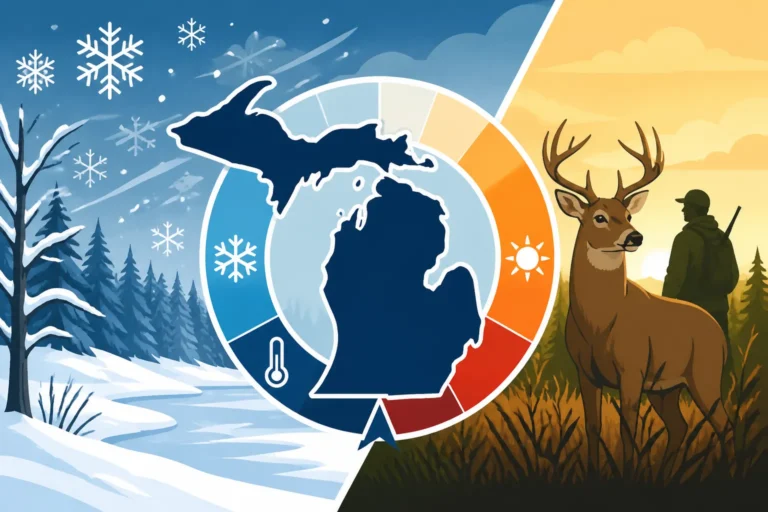
Michigan winters, especially in the rugged Upper Peninsula, can be absolutely brutal. We’ve all seen the news reports and heard the stories from camps about how harsh a winter can be. When snow piles deep, often measured in feet rather than inches, and temperatures plummet for extended periods, deer face immense stress. It’s not just about surviving the cold; it’s about expending huge amounts of energy just to move, let alone find enough browse to sustain themselves.
The impact isn't just immediate mortality, though that certainly happens, especially to fawns and older, weaker deer. A truly severe winter drains the reserves of surviving does. This can dramatically affect their health and, critically, their reproductive success in the following spring. Does that are starving don't have the energy to conceive or carry healthy fawns to term. Even if they do, those fawns are often born weaker and less likely to survive their first few months. This is why the data behind the Winter Severity Index and What It Means is so important; it’s a direct indicator of the stress our deer herds are under, and it offers clues about potential future population trends. When you hear about How Many Deer the Upper Peninsula Lost after a particularly harsh season, understand that it's a multi-year setback, not just a single year's challenge.
Disease Outbreaks: A Silent Threat to Deer Populations
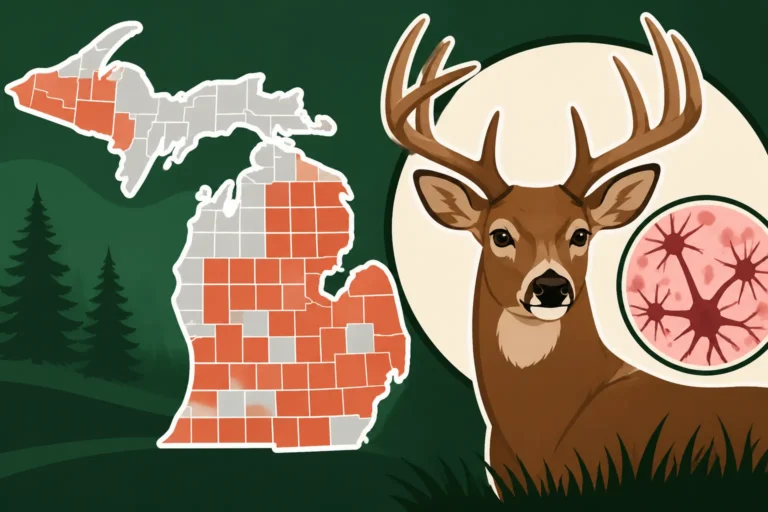
Beyond the weather, diseases present a formidable challenge to deer herd recovery. We're constantly grappling with the realities of Chronic Wasting Disease in Michigan, a persistent and fatal neurological disease that can decimate localized deer populations over time. But CWD isn't the only concern. Bovine Tuberculosis (bTB) in specific areas of the state and even Epizootic Hemorrhagic Disease (EHD) in warmer, drier years can cause significant, rapid die-offs.
These diseases don't just kill individuals; they weaken the overall genetic fitness and reproductive potential of the survivors. For diseases like CWD, the pathogens can persist in the environment for extended periods, making full eradication nearly impossible in affected areas. This means any "recovery" often occurs within the shadow of continued disease pressure, forcing ongoing, adaptive management strategies. Recovery from disease can be particularly challenging because it's not just about numbers bouncing back; it's about managing the disease itself to prevent future outbreaks or widespread transmission. Understanding Michigan Carcass Transport Restrictions is one way hunters can help limit the spread.
Habitat Quality and Food Availability: The Foundation of Recovery
A deer herd is only as healthy and resilient as its habitat allows. If food sources are limited due to factors like overbrowsing, poor forest management practices, or even severe weather events like late frosts that kill off new growth, recovery will inherently be slower. Deer need diverse forage throughout the year, but particularly in late winter and early spring to regain strength after the lean months.
Conversely, areas with abundant, high-quality forage and ample cover—especially thermal cover for winter—can dramatically speed up recovery. These areas provide the necessary nutrition for survival, healthy fawn production, and overall herd vigor. Good habitat means does can carry twins and triplets more consistently, and fawns have a better chance of making it through their critical first year. Programs like the Habitat Work on Michigan State Forest are crucial because they directly impact the land's ability to support a healthy deer population. Without the right food and shelter, even a low deer population will struggle to grow. For hunters considering their own small-scale interventions, developing Food Plots Instead of Bait on private land can contribute positively to local forage availability.
Predation Pressure and Its Role in Herd Dynamics
While often debated, predation by coyotes, bobcats, and even black bears (especially on newborn fawns) can suppress deer numbers, particularly when the herd is already at low levels due to other factors. In areas where winter mortality is high or disease has taken a toll, predation can act as a "maintenance" factor, keeping numbers from rising as quickly as they might otherwise.
It's important to understand that predators rarely cause a deer population crash in Michigan, but they can certainly slow a recovery. This pressure is amplified when other factors like habitat degradation or harsh winters have already weakened the deer, making them more vulnerable. It’s a natural part of the ecosystem, but its impact is more pronounced when the prey base is already compromised.
Hunting Pressure and Harvest Management: Our Direct Influence
This is perhaps where we, as hunters, have the most direct and immediate influence on deer herd recovery. Over-harvesting antlerless deer, especially in the wake of a tough winter or a disease outbreak, can severely impede a herd's ability to rebound. The Michigan Department of Natural Resources (DNR) uses antlerless quotas and special seasons (or the lack thereof) to manage deer populations, aiming to strike a balance between hunter opportunity and herd health.
Understanding the regulations for specific Deer Management Units is crucial. If the DNR reduces antlerless tags in your area, it’s usually for a good reason—they’re trying to give the herd a break and allow it to grow. Making conscious decisions in the field, like passing on does when the numbers feel low, or focusing your efforts on harvesting mature bucks, can collectively contribute to a faster recovery. Hunter cooperation with these management efforts is vital for the long-term health of our deer resource.
Understanding Typical Recovery Timelines in Michigan
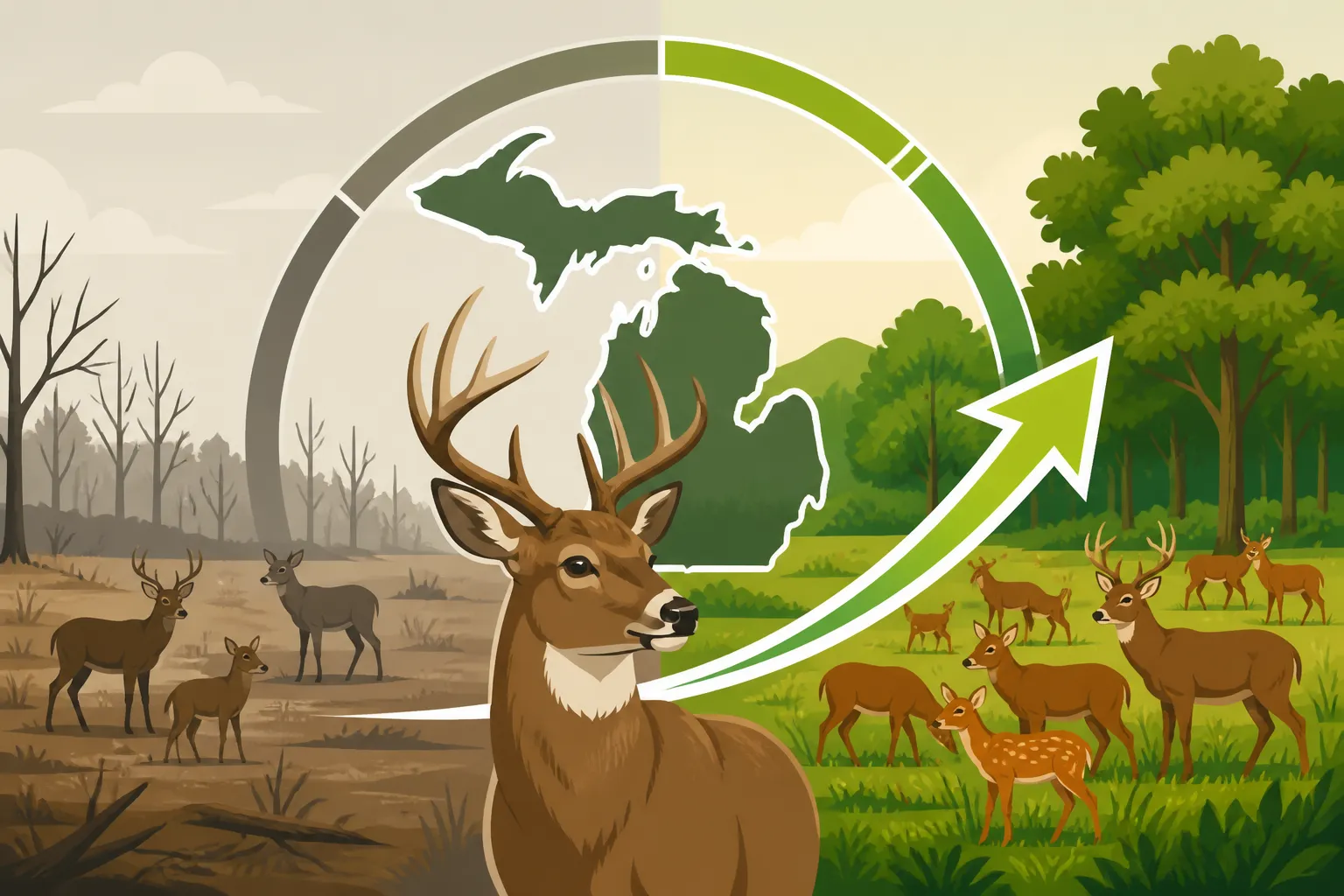
So, how long does it actually take? There’s no single, simple answer, as it truly depends on the severity of the challenge and the specific conditions of the area. However, we can generally categorize recovery into a few different timelines based on typical Michigan scenarios.
Short-Term Bounces: When Things Look Up Quickly (1-3 Years)
In ideal conditions—think a string of mild winters, no major disease outbreaks, and excellent habitat—a deer herd can show significant signs of recovery within just 1 to 3 years. Does are prolific breeders. When they are healthy and well-fed, they often have twins and sometimes even triplets. If fawn survival is high, which often correlates with good conditions, you’ll see a noticeable bump in the population relatively quickly.
This kind of rapid bounce is often observed in smaller, localized pockets of deer range where specific conditions have improved, or after a very minor, localized dip. Hunters in these areas might feel like the deer are "back" after just a season or two. This is the best-case scenario and a testament to the deer's natural reproductive capacity when conditions align.
Medium-Term Rebound: The Gradual Climb (3-7 Years)
For larger areas affected by a moderately tough winter, a localized EHD outbreak that doesn’t persist, or a slight decline due to increased hunting pressure, a full return to previous population numbers typically takes anywhere from 3 to 7 years. This timeframe allows multiple generations of does to mature and contribute significantly to the fawn crop. It also gives bucks a chance to age, which can lead to a healthier buck age structure and more mature animals on the landscape, especially in areas with antler point restrictions.
During this period, hunters will likely start seeing more deer, and the overall population trend will be positive, but they might not yet see the sheer number of mature animals they remember from peak years. This is a period of steady growth, and while the hunting might still be challenging, the signs of recovery are clearly there. Keeping an eye on Michigan Deer Harvest Trends can give you a clue as to how your local herd is progressing. GoHunt resources can also help you analyze historical harvest data for your chosen hunting areas.
Long-Term Reconstruction: The Toughest Roads to Recovery (7+ Years)
Then there are the severe, widespread events that necessitate a much longer road to recovery, often 7 years or more. This includes scenarios like multiple consecutive harsh Upper Peninsula winters that drastically reduce deer numbers year after year, or the establishment of a persistent disease like CWD across a wide region. In these situations, the biological carrying capacity of the land might even be temporarily reduced due to prolonged overbrowsing, or the social tolerance for deer numbers might shift.
These are the truly challenging scenarios where patience is tested to its limits, and adaptive management strategies become absolutely critical. It might require significant adjustments to hunting regulations, intensive habitat work, and widespread hunter cooperation. The recovery might be less about returning to old numbers and more about establishing a new, healthier equilibrium for the long haul. This is where understanding the true impact of situations like How Many Deer the Upper Peninsula Lost becomes crucial, recognizing that a full bounce-back isn't a quick fix.
An Illustrative Table of Recovery Timelines
To help visualize these different recovery scenarios, here’s a quick overview of how various factors can influence a deer herd's rebound in Michigan:
| Factor Affecting Recovery | Impact on Herd | Typical Recovery Timeline (Michigan) | Hunter's Role |
|---|---|---|---|
| Mild Winter/Good Fawn Crop | Rapid Increase | 1-3 years (local bounce) | Enjoy success, continue ethical harvest |
| Moderate Winter/Drought | Short-term dip | 3-7 years (gradual rebound) | Consider reduced antlerless harvest, focus on ethics |
| Severe Winter/Deep Snow | Significant mortality | 7+ years (slow, difficult recovery) | Prioritize antlered harvest, support habitat work |
| Localized Disease (EHD) | Acute, local dip | 2-5 years (if contained) | Report sick deer, adjust harvest locally |
| Persistent CWD/TB | Chronic decline | Decades (complex, ongoing management) | Test deer, follow regulations, habitat work, vigilance |
| Poor Habitat Quality | Slow growth | Ongoing (unless addressed) | Habitat improvement, advocacy for better management |
The Hunter's Role and Management Strategies in Recovery
As hunters, we are often the first to notice changes in the deer herd, and we have a significant role to play in supporting its recovery. Our actions, both in the field and through our advocacy, can either hinder or help the deer populations we cherish.
Smart Harvest Decisions: Becoming Part of the Solution
The most direct and immediate way hunters can influence recovery is through their harvest choices. During periods when deer numbers are noticeably down, opting to pass on does, or at least limiting antlerless harvest even when tags are available, can make a meaningful difference. This gives more does a chance to reproduce and contributes to rebuilding the breeding stock. Of course, always prioritize ethical shot placement and efficient game recovery, regardless of herd status.
Beyond individual choices, paying attention to DNR regulations regarding antlerless permits in your local Deer Management Units is key. If permits are reduced, it's a clear signal from wildlife biologists that they believe the herd needs a break. Making smart, informed decisions helps ensure that our passion for hunting remains sustainable.
Supporting and Engaging in Habitat Improvement Efforts
Remember, habitat is the foundation of a healthy deer herd. Supporting or actively participating in habitat improvement projects is one of the most impactful long-term strategies for recovery. This could mean advocating for responsible timber management practices that create diverse forage and cover, planting native food sources instead of relying on traditional bait piles, or engaging in brush clearing to promote new growth.
On Michigan's vast public lands, resources like the Mi-HUNT map can help you identify areas where habitat work is ongoing or where you might want to focus your own efforts to find productive ground. Whether it's clearing an old logging trail to encourage new browse or understanding how different forest cuts affect deer movement, our collective effort in improving the land benefits all wildlife.
Vigilance and Cooperation in Disease Monitoring
Being vigilant about reporting sick or dead deer to the DNR is absolutely vital, especially in areas with known or suspected disease presence like Chronic Wasting Disease in Michigan. Hunter participation in CWD testing (where required or requested) provides crucial data that informs management decisions and helps track the spread of the disease. This isn't just about protecting the herd; it's about safeguarding the future of hunting.
Understanding and adhering to regulations, such as Michigan Carcass Transport Restrictions, plays a critical role in preventing the accidental spread of diseases to new areas. Our cooperation with these science-based measures is a cornerstone of responsible wildlife management.
Cultivating Patience and Adaptability
Sometimes, the most challenging, yet most important, thing a hunter can do is to be patient and adapt their expectations. When deer numbers are low, hunting will naturally become more difficult. This might mean adjusting your tactics, perhaps shifting from sitting over a food source to becoming proficient at Still-Hunting Michigan Cedar Swamps or learning to read subtle signs in big timber.
It's about appreciating the health and resilience of the herd, even if it means fewer deer in the immediate future. The cycles of nature are powerful, and while we can influence them, we can't always dictate their pace. Trusting the science-based management of the DNR and adapting our personal hunting approaches ensures we remain engaged and effective members of the conservation community. GoHunt provides a lot of analytical data that can help you understand the long-term trends and make informed decisions on when and where to apply pressure.
Advocacy, Education, and Community Engagement
Finally, one of the most powerful tools we have is our voice. Engage with the Michigan DNR, conservation organizations like the Michigan United Conservation Clubs (MUCC), and fellow hunters. Educate yourself and others on the nuances of herd health, the challenges faced by specific populations, and the science that underpins management decisions. By fostering an informed and collaborative community, we can collectively work towards healthier, more resilient deer herds for generations to come.
Disclaimer
This article is for general informational purposes only and does not constitute professional advice. Laws, prices and regulations vary by location and change over time. Consult a qualified professional for guidance on your specific situation.