Michigan Wildlife Disease Monitoring
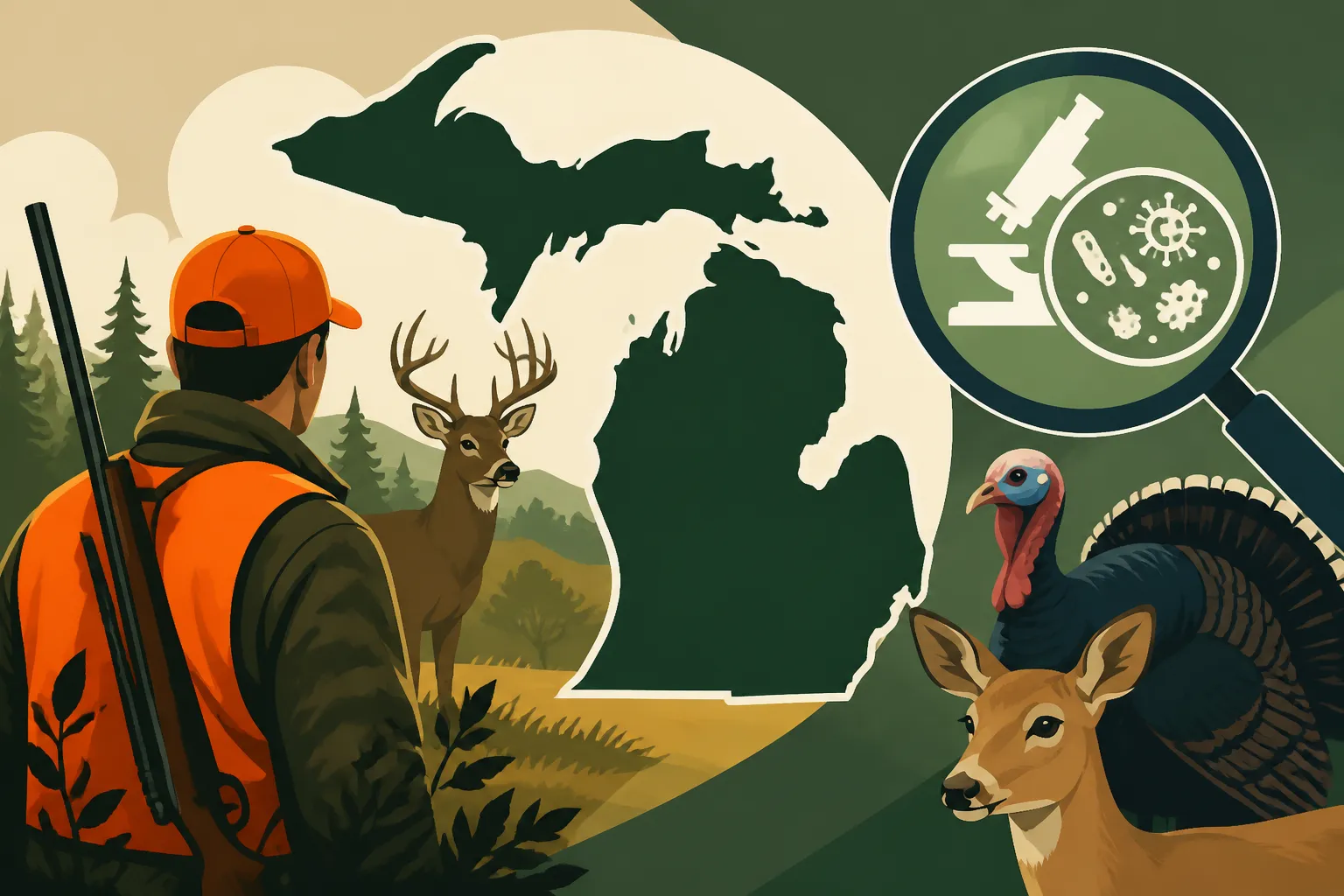
It's a tough pill to swallow when you've invested time, effort, and passion into a Michigan hunting season, only to worry about the health of the game you're pursuing. Whether it's deer, elk, or even waterfowl, the specter of wildlife disease can cast a shadow over what should be an exciting time in the woods or on the water. This guide is here to shed light on how Michigan actively monitors wildlife diseases, what that means for you as a hunter, and how you can play a vital role in keeping our cherished wild populations healthy for generations to come.
Why Wildlife Disease Monitoring Matters to Hunters
For many of us, hunting isn't just a hobby; it's a deep connection to nature and a way of life. The health of the animals we pursue directly impacts that connection, both in terms of ethical harvest and the quality of the meat we bring home. When diseases become prevalent, it doesn't just affect the animals; it affects every one of us who steps into Michigan's wild places.
Protecting the Health of Deer and Other Game
Imagine stepping into your favorite patch of Michigan woods, only to find the deer herd noticeably reduced or showing signs of illness. It's a hunter's nightmare. Diseases like Chronic Wasting Disease (CWD) or Bovine Tuberculosis (bTB) aren't just abstract threats; they can decimate local populations, altering herd dynamics and making hunting significantly more challenging. When Michigan monitors these diseases, it's not just about counting sick animals; it's about understanding population health, identifying trends, and implementing strategies to mitigate spread. This work is crucial for maintaining the healthy, robust game populations we all desire, ensuring there are animals to pursue year after year. It's about preserving the very essence of our hunting heritage.
Ensuring Safe Consumption of Wild Game
One of the most fundamental reasons we hunt, beyond the experience itself, is to put natural, lean protein on our tables. But what happens when there's concern about the safety of that meat? The thought of harvesting an animal that might be carrying a disease transmissible to humans, or one that simply makes the meat unsafe to eat, is deeply unsettling. This is where active monitoring really proves its worth. By understanding which diseases are present, where they are, and what their potential impacts are, Michigan wildlife agencies can provide clear guidelines and recommendations to hunters. This might involve advising specific butchering practices, recommending testing, or even suggesting avoiding certain areas. The peace of mind that comes from knowing the meat is safe for your family is invaluable, and monitoring is the backbone of that assurance.
The Hunter's Role as a Citizen Scientist
You, the hunter, are truly the boots on the ground. You spend countless hours in remote areas, observing wildlife behavior and looking for signs that others might miss. This makes you an invaluable first line of defense in wildlife disease monitoring. When you notice an animal acting strangely, or find a carcass that looks out of place, your report can be the critical first step in detecting a new disease outbreak or understanding the spread of an existing one. It's not just about taking a deer; it's about contributing to the broader health of the ecosystem. Many times, the earliest signs of disease are spotted by observant hunters who know what a healthy animal looks like. Embracing this role means actively participating in conservation, making your hunting experiences even more meaningful.
Key Wildlife Diseases Monitored in Michigan
Michigan's wildlife, like any population, faces a range of health challenges. The state focuses significant resources on monitoring specific diseases that pose the greatest threats to animal populations, human health, or both. Understanding these key diseases helps hunters be better informed and more effective partners in surveillance.
Chronic Wasting Disease CWD
Ah, CWD. Just mentioning those three letters can send a shiver down a Michigan hunter's spine. It's a neurological disease affecting deer, elk, and moose, and it's always fatal. What makes CWD particularly insidious is its ability to persist in the environment for years, even after an infected animal is gone. It spreads through prions, abnormal proteins, and can be transmitted through direct animal-to-animal contact or indirectly through contaminated soil or vegetation. Michigan has been battling CWD for a while now, and its presence has led to significant changes in hunting regulations, especially concerning carcass movement and baiting. The state maintains active surveillance, primarily through hunter-submitted deer heads in specific areas, to track its spread and prevalence. This helps dictate where enhanced testing efforts are needed and informs management decisions. You can learn more about its impact in Chronic Wasting Disease in Michigan.
Bovine Tuberculosis bTB
For decades, Bovine Tuberculosis has been a persistent challenge in Michigan, primarily concentrated in a specific region of the northeastern Lower Peninsula. This bacterial disease is concerning because it affects deer and can also be transmitted to cattle, posing a significant threat to agricultural livestock. The disease can cause lesions in the lungs and other organs, which can sometimes be detected during field dressing. Michigan's monitoring efforts for bTB are rigorous, involving intensive surveillance in affected areas through sampling of hunter-harvested deer and targeted removals. The goal is to understand the prevalence and geographic extent of the disease to minimize its impact on both wild deer and domestic animals. This unique challenge in our state is thoroughly explored in Bovine Tuberculosis in Michigan Deer.
Epizootic Hemorrhagic Disease EHD and Blue-Tongue BT
Unlike CWD or bTB, which are chronic issues, Epizootic Hemorrhagic Disease (EHD) and Blue-Tongue (BT) tend to manifest as acute, often localized outbreaks. These viral diseases are transmitted by tiny biting midges, often called "no-see-ums." Outbreaks typically occur in late summer or early fall, especially during periods of drought, which can concentrate deer around dwindling water sources where midges also thrive. Symptoms can include fever, swelling of the head, neck, and tongue, and hemorrhages. Deer often seek water to cool off, and many affected animals are found dead near water bodies. While devastating to local deer populations when they occur, these diseases usually don't have long-term impacts on the overall statewide herd, as deer often develop immunity after exposure. Monitoring these outbreaks helps assess localized mortality and informs hunters about potential impacts in specific areas.
Other Diseases and Emerging Threats
Beyond the major deer diseases, Michigan monitors a host of other potential threats to its diverse wildlife. For instance, avian diseases are a constant concern, especially with migratory waterfowl. Avian Influenza in Michigan Birds can occasionally emerge, posing risks to bird populations and sometimes even humans. Similarly, diseases like mange, discussed in Mange in Michigan Coyotes and Foxes, can affect furbearers and predators, impacting their health and populations.
The state's wildlife health specialists are always on alert for emerging diseases or changes in existing disease patterns. This vigilance involves not only responding to observed symptoms but also proactive surveillance for novel pathogens that could cross over from other regions or species. It's a continuous, dynamic process of observation, testing, and response, all aimed at protecting the integrity of Michigan's wildlife.
How Michigan Monitors Wildlife Diseases
The effort to monitor wildlife diseases in Michigan is a complex, multi-faceted operation, relying on both scientific methods and the keen observations of the public. It's a partnership between state agencies, laboratories, and most importantly, hunters.
Active Surveillance: Testing and Sampling Efforts
Michigan employs a robust system of active surveillance, which means wildlife biologists and technicians are out in the field, specifically looking for diseases. For deer, this often involves strategic sampling. In CWD surveillance areas, for example, the state frequently requests hunters to submit the heads of harvested deer for testing. Special drop-off points or designated collection sites are set up during hunting seasons to make this process as convenient as possible. Hunters who participate in these efforts are providing crucial data. Knowing where to take your deer for testing is key, and resources like Michigan CWD Testing for Hunters are invaluable.
Beyond hunter submissions, the state also conducts targeted removals of deer in certain areas to get a more comprehensive picture of disease prevalence, especially in zones with known disease outbreaks. This direct sampling allows for precise data collection that helps map the spread and intensity of diseases. Once collected, samples are sent to specialized laboratories where pathologists and technicians analyze them for the presence of various pathogens. This intricate lab work is the scientific backbone of understanding wildlife disease in Michigan.
Passive Surveillance: Hunter and Public Reporting
While active sampling is critical, it simply can't cover every acre of Michigan's vast wilderness. This is where passive surveillance, driven by the public and especially hunters, becomes absolutely indispensable. You are the eyes and ears of the state's wildlife monitoring efforts. If you see a deer, elk, or any other wild animal acting strangely, appearing emaciated, exhibiting abnormal growths, or found dead under unusual circumstances, that information is vital.
Reporting a sick animal isn't just a good deed; it's a direct contribution to wildlife management. The DNR provides clear channels for reporting these observations. When you're out hunting and notice something amiss, don't hesitate to report it. You can find out exactly how in Reporting a Sick Animal in Michigan. Tools like the Michigan DNR's own Hunt Fish App or platforms like GoHunt can help hunters stay updated on the latest news and directives from the DNR regarding disease management and provide easy access to reporting tools. Your immediate, detailed observations can trigger further investigation, potentially identifying a new disease hot spot or preventing further spread.
Data Analysis and Management Decisions
All the samples collected, all the reports submitted, none of it matters without careful analysis. Once data comes in from both active and passive surveillance, it's compiled, mapped, and scrutinized by wildlife health experts. They look for patterns, assess prevalence rates, and determine the geographic spread of diseases. This scientific interpretation directly informs management decisions.
For example, if CWD prevalence rates rise in a particular Deer Management Unit (DMU), it might lead to changes in antler point restrictions, antlerless quotas, or even localized carcass movement rules. Similarly, data on bTB or EHD helps pinpoint areas where hunter awareness needs to be heightened. The DNR regularly publishes harvest reports and disease updates, providing transparency to the public. Understanding how to interpret this information, often found in resources like Reading a Michigan Harvest Report, allows hunters to make informed decisions about where and how they hunt. Ultimately, the data guides efforts to protect both the health of the wildlife and the integrity of the hunting experience in Michigan.
What Hunters Can Do to Help and Stay Informed
As hunters, we have a profound responsibility to be part of the solution when it comes to wildlife disease. Our actions, both in the field and in how we stay informed, can make a real difference in the health of Michigan's wild game populations.
Best Practices for Field Dressing and Carcass Handling
The way you handle an animal after the shot is crucial, especially in areas where diseases like CWD or bTB are present. Minimizing the spread starts with careful field dressing. Wear gloves, and avoid cutting through the spine or brain if you're in a CWD-positive area, as these tissues contain the highest concentrations of prions. When possible, remove only the meat and edible organs, leaving the brain, spinal cord, and other non-edible parts at the kill site, especially if you're in a disease management zone. This helps to confine any potential contaminants to the immediate area.
For transportation, be aware of carcass movement restrictions, which can be very stringent in certain parts of Michigan to prevent the spread of diseases. These rules dictate which parts of an animal can be moved out of a specific area and typically involve deboneing the meat or leaving the skull cap and antlers separated. You can find detailed guidance on these vital regulations in Michigan Carcass Movement Rules. Proper disposal of any remaining carcass parts, like burying them or taking them to an approved landfill, is also important to prevent environmental contamination.
Recognizing Signs of Disease in the Field
Being an observant hunter means knowing what a healthy animal looks like and being able to spot abnormalities. While many diseases have subtle symptoms, some are quite visible:
- CWD: Emaciation (the "wasting away"), excessive drooling, stumbling, lack of coordination, listlessness, drooping ears, and an overall dull coat. These signs often appear in the late stages of the disease.
- bTB: Abscesses or lesions in the lymph nodes of the head and neck, on the lungs, or other internal organs. These are often discovered during field dressing.
- EHD/BT: High fever, swelling of the head, neck, tongue, and eyelids, hemorrhages on the heart or other organs, and rapid death. Deer are often found near water.
- Mange: Hair loss, thickened skin, and crusty lesions, particularly on coyotes or foxes.
If you observe an animal with any of these symptoms, especially if it appears unafraid of humans, it's best not to harvest it. Instead, document your observation and report it to the DNR immediately. Your careful observation is a cornerstone of Michigan's disease monitoring.
Staying Up-to-Date on Regulations and Recommendations
Wildlife disease management is a dynamic field; regulations, affected areas, and recommendations can change. It's your responsibility as a hunter to stay informed. Regularly check the official Michigan DNR website for the latest updates on CWD, bTB, and other wildlife health concerns. Pay close attention to county-specific or DMU-specific rules that might affect where you hunt or how you handle your harvest.
Many hunter-focused platforms, like GoHunt, provide aggregated information and news, making it easier to follow evolving regulations and locate testing sites. The Michigan DNR also offers tools like The Michigan DNR Hunt Fish App, which can be a valuable resource for accessing current regulations and reporting observations from the field. Staying informed also includes understanding general regulations like Michigan Baiting and Feeding Rules, as baiting can sometimes concentrate animals and potentially facilitate disease transmission. By proactively seeking out this information, you contribute to a more informed and responsible hunting community, ultimately benefiting Michigan's wildlife.
Here's a quick reference table for some key wildlife diseases in Michigan:
| Disease | Primary Species Affected | Key Symptoms | Hunter Action & Concern |
|---|---|---|---|
| Chronic Wasting Disease (CWD) | Deer, Elk, Moose | Emaciation, drooling, stumbling, listlessness | Report sick animals; Test harvested deer in CWD zones; Follow carcass movement restrictions; Avoid baiting. |
| Bovine Tuberculosis (bTB) | Deer | Abscesses/lesions in lymph nodes, lungs, organs | Report sick animals; Inspect harvested deer for lesions; Follow regulations in bTB zone. |
| Epizootic Hemorrhagic Disease (EHD) & Blue-Tongue (BT) | Deer | Fever, swelling of head/tongue, hemorrhages, sudden death near water | Report clusters of dead deer; usually localized, not long-term population impact. |
| Avian Influenza (AI) | Waterfowl, Wild Birds | Neurological signs, sudden death, respiratory distress | Report sick/dead birds; Use caution when handling birds; Cook meat thoroughly. |
| Mange | Coyotes, Foxes | Hair loss, thickened skin, crusty lesions | Report severely affected animals; generally not a human health concern from consumption. |
Disclaimer
This article is for general informational purposes only and does not constitute professional advice. Laws, prices and regulations vary by location and change over time. Consult a qualified professional for guidance on your specific situation.