Michigan’s Black Bear Population
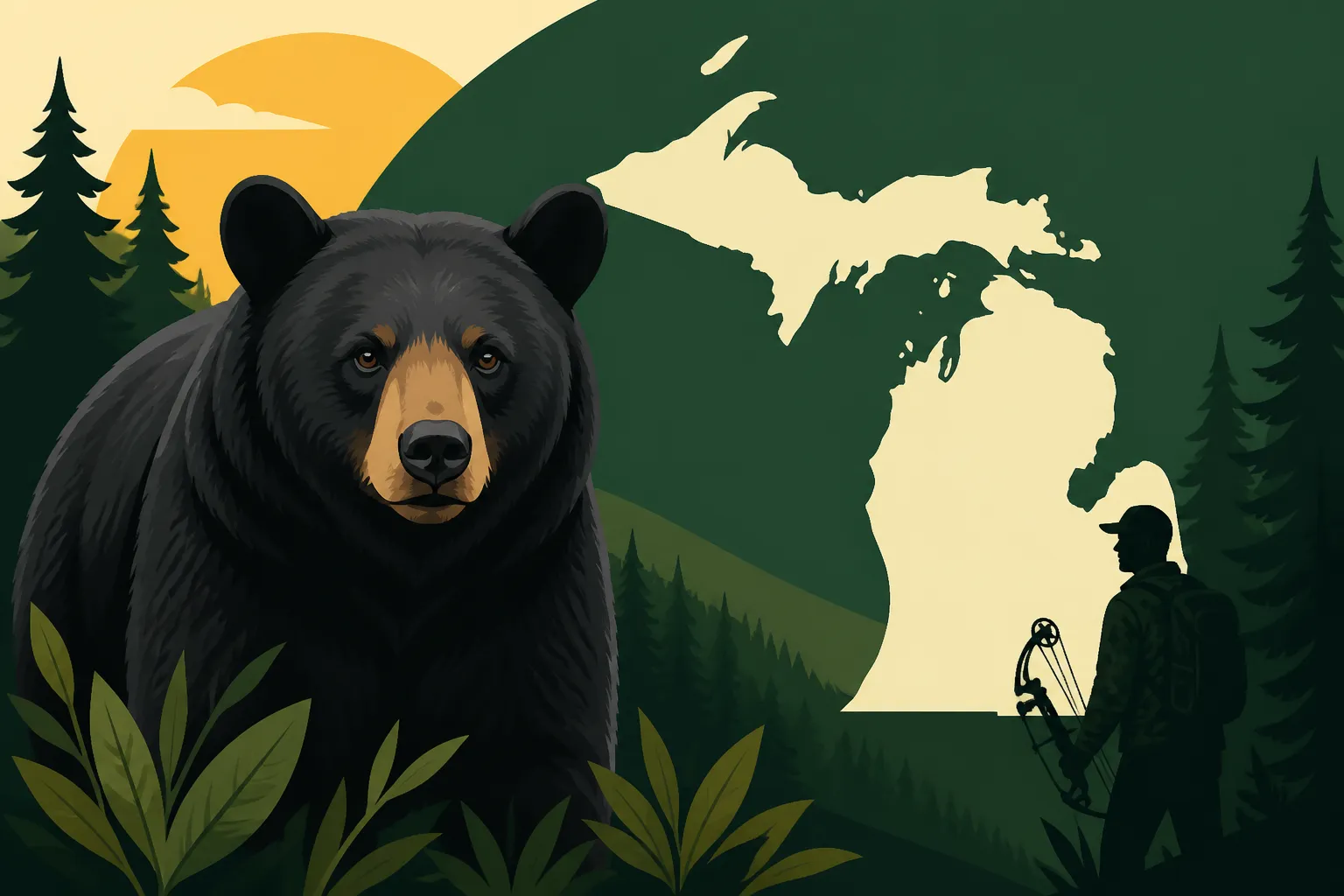
It can be quite unnerving to share the woods, or even your backyard, with a creature as powerful and intelligent as a black bear. For many Michigan residents and hunters, understanding these fascinating animals goes beyond just knowing they're out there; it's about appreciating their place in our ecosystem, learning how to coexist, and for some, participating in their management through regulated hunting. This comprehensive guide will peel back the layers on Michigan's black bear population, exploring their numbers, where they roam, their fascinating habits, and how we manage this incredible species for the benefit of both bears and people.
Understanding Michigan's Black Bear Presence
Michigan is home to a robust and healthy black bear population, a testament to effective wildlife management and diverse habitats. These animals are iconic symbols of our wild spaces, from the sprawling forests of the Upper Peninsula down to the more fragmented woodlands of the northern Lower Peninsula. But their presence isn't just about pretty pictures; it's a dynamic relationship with the land and the people who live here.
Where Michigan Black Bears Live
When most folks think of black bears in Michigan, their minds immediately go to the vast, wild expanses of the Upper Peninsula. And they'd be right! The U.P. is indeed the stronghold for Michigan's black bear population, with dense forests, abundant wetlands, and plenty of remote areas where bears can thrive largely undisturbed. Counties like Iron, Baraga, Marquette, and Ontonagon often boast the highest densities, offering prime bear habitat. These areas provide the diverse food sources, denning sites, and cover that bears need to survive and raise their young.
However, it’s a common misconception that bears are only found up north. The northern Lower Peninsula also supports a significant and growing bear population. Areas particularly rich in bear activity include the Huron-Manistee National Forest and other large blocks of state forest land, especially north of a line roughly from Ludington across to Bay City. Counties such as Oscoda, Montmorency, Alpena, and Otsego are known for their healthy bear populations. While the habitat might be a bit more fragmented than in the U.P., these northern Lower Peninsula bears have adapted well to a landscape that includes more agricultural interfaces and human development. It's not uncommon to hear of bear sightings even closer to more populated areas, especially during spring and fall when food sources might be less abundant or bears are on the move.
The Current Black Bear Population Estimate
Michigan's black bear population isn't just thriving; it's been on a steady upward trend for decades. The Michigan Department of Natural Resources (DNR) works diligently to monitor these numbers through various methods, including harvest data, den studies, and population modeling. As of recent estimates, Michigan's black bear population is considered to be well over 10,000 animals, with the vast majority residing in the Upper Peninsula.
Specifically, the U.P. accounts for approximately 90% of the state's total bear population, often hovering around 9,000 to 10,000 individuals. The northern Lower Peninsula, while home to fewer bears, has seen a consistent increase, with estimates now in the range of 2,000 to 3,000 bears. This growth has allowed the DNR to manage hunting opportunities in both peninsulas, ensuring that populations remain healthy and sustainable while also addressing potential conflicts with humans. The steady population numbers are a testament to sound wildlife management principles and the resilience of Michigan's wild lands. These healthy populations are crucial not just for hunting, but for the overall ecological balance of our state's diverse forests.
Black Bear Biology and Behavior
To truly understand Michigan's black bears, it helps to delve into their natural history, habits, and the annual rhythms that govern their lives. They are creatures of incredible adaptability and intelligence, perfectly suited to the diverse Michigan landscape.
Diet and Foraging Habits
Black bears are omnivores, which means their diet is incredibly varied, reflecting what's available throughout the seasons. This adaptability is a key reason for their success. In spring, after emerging from their dens, bears are often on the lookout for fresh green vegetation like skunk cabbage, grasses, and emergent forbs. They'll also actively seek out carrion from winter-killed deer or other animals. As spring turns to summer, their diet shifts to focus heavily on berries – think wild strawberries, blueberries, raspberries, and serviceberries. They'll also feast on insects like ants and their larvae, which are a surprising source of protein. Bears are incredibly efficient at tearing apart rotting logs to get at grubs and beetle larvae.
By late summer and into fall, their diet becomes critically important for putting on the fat reserves needed for hibernation. This is when hard mast, like acorns and beechnuts, becomes a primary food source. If it's a good mast year, bears will gorge themselves, sometimes spending hours in a single oak or beech stand. They'll also consume late-season berries, apples, and agricultural crops like corn, if available. This time of year is when conflicts with humans can sometimes spike, as bears are driven to consume as many calories as possible, sometimes leading them into yards or farm fields. Understanding these dietary needs helps explain why bears are found in certain areas at certain times and why Late-Season Food Sources for Whitetails are often also critical for bears.
Denning and Reproduction Cycles
The annual cycle of a black bear revolves heavily around their denning period and reproduction. Typically, bears enter their dens in late fall or early winter, often in November or December, depending on food availability and weather conditions. These dens can be surprisingly simple – a hollow log, a rock crevice, a brush pile, or even just a depression under a fallen tree. It's not a true hibernation in the sense that their body temperature doesn't drop as dramatically as, say, a groundhog, but their metabolism slows significantly. They don't eat, drink, or defecate during this time, relying solely on their fat reserves.
Most cubs are born in the den in late January or early February. They are incredibly tiny, blind, and helpless at birth, weighing only about half a pound. The sow (female bear) will typically have 1-3 cubs, though twins are most common in Michigan. She nurses them through the remainder of the denning period, and by the time they emerge in spring, usually in April or May, the cubs are much larger and more mobile, weighing several pounds. Cubs stay with their mother for about 1.5 years, sometimes even longer, learning essential survival skills like foraging, climbing, and avoiding danger. This means a sow typically breeds every other year, as she needs that time to raise her cubs to independence before she can become pregnant again. This two-year reproductive cycle is a crucial factor in the overall dynamics of Michigan's bear population.
Seasonal Movements and Activity
Black bears are creatures of routine but can also exhibit significant seasonal movements driven by food availability and reproductive needs. In spring, after emerging from their dens, bears are often found near wetlands or low-lying areas where early vegetation is greening up. Males, or boars, will often range widely in search of food and, as spring progresses into early summer, in search of receptive females. This is when you might see a boar cover dozens of miles in a few days.
During summer, their movements become more localized to areas with abundant berries and insect populations. Females with cubs tend to have smaller home ranges, staying within areas that offer good cover and reliable food sources. As fall approaches and hard mast begins to drop, bears will concentrate in oak and beech ridges, or move towards agricultural fields to feed on corn and other crops. This pre-denning gorging period is known as hyperphagia, and it's when they put on most of their annual weight. These seasonal shifts mean that a bear found in one location in May might be miles away by October. Hunters planning their seasons often consult maps and scouting tools like those offered by GoHunt to identify potential travel corridors and feeding areas, anticipating these seasonal movements to locate bears. Knowing where bears might be can greatly influence how you approach Scouting Michigan Public Land Before Season.
Black Bear Management in Michigan
Managing a large, charismatic species like the black bear requires a delicate balance of science, public input, and adaptive strategies. The Michigan Department of Natural Resources (DNR) employs a robust framework to ensure healthy bear populations while minimizing conflicts with humans.
Population Monitoring Techniques
The DNR uses several sophisticated methods to keep tabs on Michigan's black bear population. One primary method involves analyzing harvest data. Every bear harvested by a hunter provides valuable information, including sex, age (determined by a tooth sample), and location of harvest. Over time, this data helps biologists understand age structures, reproductive rates, and overall population health within specific management units. When you report a harvested bear, that information isn't just a formality; it's a vital piece of the conservation puzzle.
Another critical component is den studies. Biologists locate bear dens, often with the help of radio-collared bears, and visit them during the winter. This allows them to count cubs, assess the health of the sow and her offspring, and collect biological samples. These studies provide direct insights into cub production, survival rates, and the general condition of Michigan Bear Denning Behaviour. Additionally, various non-invasive methods, such as hair snare surveys (where bears leave hair samples on barbed wire, allowing for DNA analysis), and observational data from citizens and other wildlife professionals, contribute to a comprehensive understanding of bear numbers and distribution.
Michigan Bear Management Units (BMUs)
Michigan's bear population is managed not as a single entity, but through a system of distinct geographic areas known as Bear Management Units (BMUs). These units are designed to reflect different habitat types, bear densities, and human population levels across the state. There are numerous BMUs in both the Upper and Lower Peninsulas, each with its own specific management objectives. For example, some BMUs might have a higher population density and therefore a higher harvest quota, while others might be managed for slower growth or to maintain a lower density due to proximity to human settlements.
This localized approach allows the DNR to tailor management strategies to the unique conditions of each region. It ensures that hunting pressure is distributed appropriately and that resources for addressing human-bear conflicts can be targeted effectively. Understanding these units is crucial for hunters, as their success in drawing a license and the specific regulations they must follow depend entirely on which BMU they apply for. You can find detailed maps and descriptions of all the Michigan Bear Management Units on the DNR's website.
| Bear Management Unit (BMU) | General Location | Typical Bear Density | Primary Habitat Type |
|---|---|---|---|
| Baraga East | Western UP | High | Mixed Hardwood, Conifer Swamps |
| Baraga West | Western UP | High | Mixed Hardwood, Conifer Swamps |
| Carney | Central UP | Moderate-High | Mixed Forest, Agricultural Edge |
| Drummond Island | Eastern UP Island | Low-Moderate | Island Forest, Wetlands |
| Gwinn | Central UP | Moderate-High | Mixed Forest, Pine Plantations |
| Newberry | Eastern UP | Moderate | Conifer Swamps, Pine Forests |
| Red Oak | Northern Lower Peninsula | Moderate-High | Mixed Hardwoods, Pine Stands |
| Baldwin | Northern Lower Peninsula | Moderate | Mixed Pine-Hardwood, Farmland |
| Gladwin | Northern Lower Peninsula | Low-Moderate | Mixed Forest, Agricultural |
| Amasa | Western UP | High | Remote Hardwoods, Wetlands |
| Bergland | Western UP | High | Large Forest Blocks |
| Ontonagon | Western UP | High | Primarily Forest |
Note: This table provides general characteristics; specific densities and habitat can vary within units.
The Role of Harvest Quotas
A cornerstone of Michigan's black bear management is the annual establishment of harvest quotas. Each year, DNR biologists, using all the population data collected, recommend a specific number of bear licenses to be issued for each BMU. This quota is carefully calculated to allow for a sustainable harvest that keeps the bear population healthy and within desired management goals for that specific unit. The goal is to allow hunters to pursue bears without negatively impacting the overall population trend.
These quotas are not static; they can change from year to year based on population estimates, cub production, habitat conditions, and even public input. For example, if a BMU's population is trending higher than desired, the quota might increase. Conversely, if there are concerns about population stability, the quota might be reduced. This adaptive management approach ensures that bear hunting remains a responsible and effective tool for population control, helping to maintain ecological balance and mitigate human-bear conflicts. Hunters play a direct role in this management process, not just by participating in the harvest, but also by providing crucial data through mandatory reporting.
Interactions Between Bears and Humans
As Michigan's black bear population has grown, particularly in the northern Lower Peninsula, so too have the opportunities for interactions – and sometimes conflicts – between bears and humans. Understanding how to coexist safely is paramount for both people and bears.
Avoiding Bear Encounters Around Cabins and Camps
One of the most common frustrations for people living or recreating in bear country is the potential for nuisance bears around homes, cabins, and campsites. Bears are incredibly smart and driven by their stomachs; if they find an easy food source, they will exploit it. This often means they’ll associate humans with food. The absolute best way to avoid these encounters is to eliminate attractants. This means securing all garbage in bear-proof containers or storing it indoors until pickup day. Bird feeders, especially suet and sunflower seeds, are major attractants and should be taken down from April through November. Pet food should never be left outside, and outdoor grills should be cleaned thoroughly after each use.
For campers, the rules are even more critical. All food, toiletries, and anything with a scent should be stored in bear-resistant canisters, hung from a tree (at least 10 feet high and 4 feet from the trunk), or locked inside a hard-sided vehicle. Never keep food in your tent. The smell of bacon from breakfast or a candy bar wrapper can be enough to draw a curious bear right into your campsite. By taking these simple precautions, you not only protect yourself and your property, but you also protect the bears, preventing them from becoming habituated to human food and potentially leading to more serious conflicts.
What to Do If You Encounter a Bear
Even with all the precautions, you might still find yourself face-to-face with a black bear in Michigan. It can be a startling experience, but knowing how to react can make all the difference. First and foremost, remain calm. Most black bears are more afraid of you than you are of them and will flee if given the chance. Do not run; running can trigger a chase response. Instead, stand your ground, make yourself look as large as possible (raise your arms, wave them slowly), and make noise. Talk in a firm, confident voice, or shout if necessary. The goal is to convince the bear that you are not prey and that it should leave.
If the bear doesn't immediately retreat, slowly back away while continuing to face the bear. Avoid direct eye contact, as this can be perceived as a challenge. If a bear approaches, especially if it stands on its hind legs, it's usually just curious or trying to get a better scent of you. This is not typically an aggressive act. If a bear makes a bluff charge (running at you and then stopping abruptly), stand your ground and continue to make noise. In the extremely rare event that a black bear actually makes physical contact or attacks, fight back aggressively. Use anything at your disposal – sticks, rocks, your fists – and aim for the bear's face and eyes. While black bear attacks are exceedingly rare, especially unprovoked ones, being prepared can save your life.
Understanding Bear Damage to Property and Crops
When bears and humans live in close proximity, property damage and crop depredation can become significant issues. These incidents often arise when natural food sources are scarce, or when bears have learned to associate human dwellings or agricultural areas with easy meals. Bears can cause extensive damage to cornfields, apple orchards, and berry patches. They'll also break into sheds, garages, or even homes if they smell food, causing structural damage. Livestock, particularly beehives, are also a tempting target for bears due to the honey and protein-rich larvae.
Farmers and property owners facing these issues often work with the DNR to implement deterrents. Electric fencing is a highly effective way to protect beehives, gardens, and small fields. Loud noises, scare tactics, and removing attractants are also crucial. The DNR may issue permits to remove nuisance bears in severe cases, but the primary focus is always on preventing the behavior in the first place. These efforts are part of a broader strategy to maintain social tolerance for bears and reduce economic losses for landowners. It's a tricky balance, but one that's essential for long-term coexistence.
Michigan Black Bear Hunting Trends
Black bear hunting is a deeply rooted tradition in Michigan, and it plays a vital role in the state's comprehensive wildlife management strategy. Understanding the historical context and current trends of bear harvests helps us appreciate its significance.
Historical Bear Harvest Numbers
Looking back at Michigan's black bear harvest history reveals a fascinating story of conservation and evolving management. For decades, bear populations were lower than they are today, and hunting regulations reflected that. As early as the mid-20th century, harvest numbers were relatively modest, and the season structures were different. As science-based management became more sophisticated and habitat improved in many areas, the population began to rebound. This allowed for an increase in the number of available licenses and a corresponding rise in the annual harvest.
In the Upper Peninsula, bear hunting has always been a significant pursuit, reflecting the higher bear densities. In the Northern Lower Peninsula, hunting opportunities were more limited historically, but as that population grew, so did the harvest quotas. The DNR has meticulously tracked these numbers, allowing biologists to see the long-term impact of various regulations and environmental factors. This historical data is crucial for setting current and future harvest goals, ensuring that hunting remains sustainable and ethical. Analyzing Michigan Bear Harvest Trends over the years provides invaluable insights into the health and distribution of the bear population.
Recent Trends and Success Rates
In recent years, Michigan's black bear hunt has continued to be a highly sought-after opportunity, with consistent harvest numbers. The total annual harvest typically fluctuates between 1,500 and 2,000 bears statewide, with the vast majority coming from the Upper Peninsula. While the U.P. has more licenses and higher bear densities, the success rates can still be challenging. Bear hunting is not an easy endeavor; it requires significant scouting, patience, and knowledge of bear behavior.
Success rates vary considerably by BMU and by hunting method. Hunters who utilize bait, a common practice in Michigan, often have higher success rates compared to those who still-hunt or spot-and-stalk. Overall success rates for the entire state usually fall in the 20-30% range, making it a challenging but rewarding hunt. For instance, in the 2023 season, the preliminary harvest numbers showed another strong year, reflecting a stable and healthy population. These consistent trends allow the DNR to continue offering a quality hunting experience while ensuring the long-term viability of the bear population. When planning a hunt, many use tools like GoHunt to research success rates by BMU and understand the draw odds for specific units.
Impact of Hunting on Population Dynamics
Regulated hunting is not just a recreational activity; it's a critical tool in modern wildlife management, and this is especially true for Michigan's black bear population. Hunting helps maintain bear populations at levels that are both healthy for the bears themselves and acceptable to human communities. Without hunting, bear numbers could grow unchecked in certain areas, potentially leading to overpopulation, increased disease transmission, and more frequent human-bear conflicts.
By removing a set number of bears each year through hunting, the DNR can manage population density, age structure, and even sex ratios in specific BMUs. For instance, selective harvesting can help to manage male-to-female ratios, which can influence reproductive success. Hunting also helps to distribute bears more evenly across the landscape, reducing pressure on localized food sources. This scientific approach ensures that the bear population remains resilient, genetically diverse, and capable of adapting to environmental changes. It's a testament to the idea that responsible hunting is, in fact, conservation in action, contributing directly to the long-term health of our wildlife resources.
Applying for a Michigan Bear License
Getting a Michigan bear license is not as simple as walking into a store and buying one. It's a limited-entry draw system, designed to manage harvest pressure and provide a fair chance for all applicants.
The Preference Point System Explained
Michigan utilizes a preference point system for its limited bear licenses. This system is designed to reward loyalty and persistence, giving applicants who have applied for more years (and therefore accumulated more points) a better chance of drawing a license. Here's how it works: for every year you apply for a bear license and are unsuccessful, you earn one preference point. The more points you have, the higher your odds of drawing a license in a future year. It’s not a guarantee, but it significantly increases your chances.
When the DNR conducts the draw, applicants with the most preference points are typically drawn first. This means that if you're serious about hunting bear in Michigan, especially in the more popular BMUs, it's wise to apply every year, even if you don't plan to hunt that specific year. Just applying for a preference point (which costs a small fee) keeps you in the running and builds your equity for a future hunt. This system aims to provide an equitable opportunity over time, preventing new applicants from immediately drawing tags in highly desired units while also ensuring that dedicated hunters eventually get their chance. If you want to know more about this, look up Michigan Bear Preference Points.
Application Deadlines and Drawing Results
Missing a deadline for a limited draw hunt is one of the most frustrating experiences a hunter can face! For Michigan's black bear hunt, the application period typically opens in the spring, usually in May, and closes in early June. It's absolutely crucial to pay attention to these dates and submit your application on time. You can apply online through the Michigan DNR website or via the Michigan DNR Hunt Fish App, which makes the process quite convenient. When applying, you'll need to select your desired BMUs, ranking them in order of preference. You can also opt to apply for a preference point only.
Once the application period closes, the DNR conducts the drawing. The results are typically released in late June or early July. Successful applicants are usually notified directly, and the results are also posted on the DNR website. It's a moment of eager anticipation for thousands of Michigan hunters! If you are successful, you then need to purchase your actual bear license by a specific deadline, usually in August, before the season begins. Make sure to double-check all these dates annually, as they can shift slightly from year to year.
Non-Resident Considerations
Michigan's black bear hunt is open to non-residents, but there are a few important considerations. First, non-resident licenses typically come with a higher price tag than resident licenses. While the application process is largely the same, including participation in the preference point system, the draw odds can sometimes feel even tougher for non-residents, especially in the most popular BMUs. This is because a certain percentage of licenses are often allocated to residents first, though non-residents still have a fair opportunity within their pool.
Non-residents should carefully research the draw odds for their preferred BMUs using tools like those found on GoHunt, which often break down data by resident and non-resident categories. Building up preference points is even more vital for non-residents who hope to draw a tag in a prime unit. Additionally, non-residents should factor in travel, lodging, and other logistical costs when planning their hunt. Despite the challenges, many non-residents successfully draw Michigan bear tags each year and enjoy a fantastic hunting experience in our beautiful state.
Challenges and Conservation Concerns
While Michigan's black bear population is currently healthy and thriving, it's not without its challenges. Conservation efforts are ongoing to address potential threats and ensure the long-term viability of this iconic species.
Habitat Fragmentation and Loss
One of the most persistent, albeit slow-moving, threats to black bears, especially in the Lower Peninsula, is habitat fragmentation and loss. Bears require large, contiguous blocks of forestland to thrive, providing them with food, cover, and denning sites. As human development expands – with new roads, subdivisions, and agricultural expansion – these large forest blocks can be broken up into smaller, isolated patches.
This fragmentation can limit a bear's ability to move freely, find mates, and access diverse food sources. It can also increase the likelihood of human-bear encounters, as bears are forced into closer proximity with people. While Michigan has vast tracts of public land, particularly in the Upper Peninsula and northern Lower Peninsula state forests, the cumulative effect of development can still put pressure on bear habitats. Conservation efforts often focus on land acquisition, establishing wildlife corridors, and implementing zoning regulations that consider wildlife needs to mitigate these impacts. These efforts ensure areas for bears, and other game animals like deer, to move freely, improving opportunities for hunters to pursue Deer Drives on Michigan State Land or other methods that rely on natural travel paths.
Disease and Other Mortality Factors
Like all wildlife populations, Michigan's black bears are susceptible to various diseases and other mortality factors beyond hunting. While specific large-scale disease outbreaks haven't historically been a major issue for Michigan bears, the DNR constantly monitors for potential threats. For instance, diseases like sarcoptic mange, which affects canids and sometimes bears, can occur in localized populations. Additionally, the broader health of the ecosystem, including the presence of parasites and other pathogens, is always a consideration.
Beyond disease, other forms of non-hunting mortality contribute to bear population dynamics. Vehicle collisions, particularly in areas where highways cut through prime bear habitat, can be a significant source of mortality. Poaching, though illegal and rare, also occurs. Additionally, severe weather events, especially during denning, can impact cub survival rates. The DNR's ongoing monitoring programs are designed to detect any unusual spikes in non-hunting mortality, allowing them to investigate and implement management actions if needed.
Climate Change Impacts
The long-term effects of climate change pose an uncertain but potentially significant challenge for Michigan's black bear population. Bears are highly adapted to their current northern temperate environments, and changes in climate could disrupt their established life cycles and food sources. For example, shifts in weather patterns could alter the timing or abundance of crucial fall mast crops like acorns and beechnuts. If these food sources become less reliable, bears could struggle to put on enough fat reserves for successful denning and cub production.
Warmer winters could also impact denning behaviors, potentially leading bears to emerge earlier or later than usual, which could put them out of sync with natural food availability. Changes in snow cover could affect their ability to travel or locate den sites. While bears are incredibly adaptable, rapid or dramatic climate shifts could stress the population over time. Research is ongoing to better understand these potential impacts, and adaptive management strategies may need to be developed to help the bear population cope with a changing climate.
The Future of Michigan's Black Bear Population
Looking ahead, the future of Michigan's black bear population appears promising, largely due to continued dedication to scientific management, conservation, and the support of the hunting community.
Collaborative Conservation Efforts
One of the strengths of wildlife management in Michigan is the collaborative effort between various stakeholders. The DNR leads the charge, but they work closely with federal agencies, academic institutions, non-profit conservation organizations, and private landowners. For example, groups like the Michigan Bear Hunters Association play a crucial role in advocating for sound management practices, participating in public input processes, and contributing to conservation efforts. Universities conduct vital research that informs management decisions.
Private landowners who manage their forests for timber and wildlife also contribute significantly to providing quality bear habitat. These partnerships help pool resources, share expertise, and foster a broader sense of stewardship for Michigan's black bears. From habitat enhancement projects to public education campaigns on bear safety, these collaborative efforts are essential for ensuring that future generations can also experience the thrill of having a healthy bear population in Michigan's wild places.
Research and Data Collection
The future of Michigan's black bear population hinges on continued, robust scientific research and data collection. Wildlife management is not a static endeavor; it requires constant monitoring, evaluation, and adaptation. The DNR continuously invests in studies that examine bear genetics, cub survival rates, dispersal patterns, and the impacts of various management strategies. New technologies, such as GPS collars that provide real-time movement data, are always being incorporated to gain deeper insights into bear ecology.
This ongoing research helps biologists refine population models, identify emerging threats, and make informed recommendations for hunting quotas and habitat management. It's a never-ending cycle of learning and applying that knowledge to ensure the best possible outcomes for the species. Hunters, by diligently reporting their harvests and sometimes even participating in citizen science initiatives, contribute directly to this critical data collection effort.
The Importance of Hunter Involvement
Michigan hunters are not just participants in the bear hunt; they are vital conservation partners. The revenue generated from bear license applications and sales directly funds bear research, management programs, and habitat improvement projects. Without the financial contributions from hunters, many of these essential conservation initiatives would not be possible.
Beyond finances, hunters also serve as the "eyes and ears" on the ground. They are often the first to notice changes in wildlife populations, habitat conditions, or potential issues like disease. Their observations provide valuable anecdotal data that can prompt further investigation by biologists. Moreover, the hunting community has a vested interest in maintaining healthy bear populations, ensuring that this resource remains available for generations to come. From advocating for habitat preservation to participating in public meetings, the involvement of Michigan hunters is indispensable to the ongoing success story of the state's black bears. Their passion ensures that future hunters will still be able to engage in Michigan Black Bear Hunting and experience the unique challenges and rewards it offers.
Disclaimer
Please remember that hunting regulations and wildlife management practices are subject to change. Always consult the most current Michigan Department of Natural Resources (DNR) hunting digests and regulations before planning any hunting activities. This article is intended for informational purposes only and should not be considered legal advice.