Hiawatha National Forest Hunting
Many Michigan hunters dream of truly wild places, and few areas embody that dream more than the Upper Peninsula's vast expanses of public land. But finding a specific, accessible, and productive spot within such a huge landscape can feel overwhelming. This guide will walk you through what to expect when hunting Michigan's Hiawatha National Forest, offering practical advice and insights to help you navigate its unique challenges and opportunities.
Embracing the Challenge: An Introduction to Hiawatha National Forest Hunting
Hunting in the Hiawatha National Forest isn't just about bagging game; it's about immersing yourself in Michigan's rugged, untamed wilderness. This sprawling national forest offers a profound sense of solitude and adventure that's hard to find elsewhere in the state. However, that wildness comes with its own set of challenges, demanding more preparation and self-reliance than hunting closer to populated areas.
Size and Scope of the Hiawatha
The Hiawatha National Forest is a massive tract of public land, covering nearly a million acres across the central and eastern Upper Peninsula. It’s not one continuous block, but rather a patchwork of federal land interspersed with state forests, private holdings, and small towns. This vastness means incredible diversity, from dense conifer swamps and towering hardwood ridges to sprawling wetlands and stretches of Great Lakes shoreline. You could spend a lifetime exploring its corners and still discover new spots. This scale is both its greatest asset and its biggest navigational challenge.
Imagine standing at the edge of a timber sale, looking into a seemingly endless expanse of mixed forest. The sheer volume of cover means that game animals, especially deer and bear, have ample room to roam and remain hidden. Hunters who thrive here aren't just looking for a quick hunt; they're looking for a genuine wilderness experience. They appreciate the quiet crunch of fallen leaves underfoot, the crisp scent of pine, and the rare opportunity to be truly alone with nature. It's a place where patience and persistence are rewarded, not just with a successful harvest, but with unforgettable memories of the wild.
Unique Habitat Features and Their Impact
The Hiawatha's landscape is heavily influenced by its proximity to the Great Lakes and its glacial history. You'll find everything from vast cedar swamps that serve as critical deer wintering yards to dry, sandy ridges supporting stands of pine and oak. Mixed hardwood forests, dominated by maple, birch, and aspen, provide essential food sources like acorns and browse, while clear-cuts and regenerated aspen stands create ideal habitat for ruffed grouse and young deer. These varied habitats mean different hunting strategies and species specific to each area.
For example, a dense cedar swamp, while challenging to penetrate, can be a magnet for deer, especially as winter approaches. These areas provide thermal cover and a consistent food source when other browse becomes scarce. Understanding Upper Peninsula Deer Yarding and Winter Movement is crucial here. Conversely, higher, drier ground with mature oaks might be a hotspot during the early archery season when acorns are falling. The ever-present Great Lakes also shape the ecosystem, bringing unique waterfowl opportunities along bays and inlets, and influencing weather patterns that can shift game behavior dramatically. Being able to read the land and identify these distinct habitat types will be a key to success in the Hiawatha.
Deer Hunting Strategies in the Hiawatha National Forest
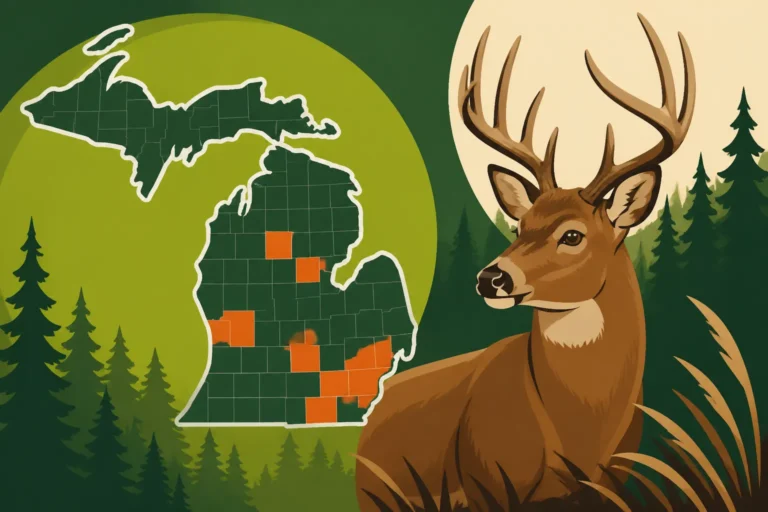
Deer hunting is, without a doubt, a primary draw for many heading into the Hiawatha. However, it's a different game than hunting the agricultural lands of southern Michigan. Deer densities can be lower, and the expansive timber means deer have far more places to hide. Success here hinges on understanding the nuances of big woods deer movement and employing smart, adaptable scouting and hunting tactics.
Understanding Big Woods Deer Movement
Unlike farm country deer that might pattern around specific food plots or agricultural fields, deer in the Hiawatha often move across larger territories, influenced by natural food sources, bedding areas, and thermal cover. Hardwood ridges offer acorns in the fall, while swamp edges provide both browse and security. Deer will utilize these varied habitats throughout the seasons, but their core movements are often dictated by the need for cover and shelter, especially during severe U.P. winters. They'll follow subtle terrain features like old logging roads, creek bottoms, and changes in timber type that offer easy travel or concealment.
During the rut, bucks might travel considerable distances to check scrapes and scent posts along these natural corridors. Knowing Hunting the Michigan Rut in November becomes critical here. It's not uncommon to cut tracks on a two-track road in the morning that weren't there an hour before, indicating a deer moving through a vast area rather than just a small woodlot. Paying attention to these travel patterns, and understanding how they relate to the prevailing wind and thermal currents in the hilly terrain, is more important than focusing on a single, isolated feeding spot. Your scouting efforts should be aimed at finding these broad movement corridors rather than specific feeding areas.
Scouting and Stand Placement for Hiawatha Whitetails
Scouting in the Hiawatha is paramount, and it often involves covering a lot of ground. Since deer densities can be lower, you're looking for consistent sign: rubs, scrapes, heavy travel corridors, and bedding areas. Don't be afraid to walk deep into the woods, far from easy access points, as this is often where the most undisturbed deer sign will be found. The Mi-HUNT map from the Michigan DNR and digital mapping tools like onX Hunt are indispensable for pre-season scouting, allowing you to identify potential funnels, swamps, and habitat changes from your couch. Scouting Michigan Public Land Before Season is a year-round commitment here.
When it comes to stand placement, think about pinch points in the vastness. This could be a narrow strip of hardwoods between two expansive cedar swamps, a bench along a steep ridge, or a bottleneck created by an old beaver flowage. Security cover is key. Deer often bed in the thickest, nastiest cover they can find – dense conifer stands, blowdowns, or a thicket of young growth. Your stand should be positioned to intercept deer moving between these bedding areas and more open feeding locations, always considering wind direction and your entry and exit routes. Hanging a stand deep in the woods, along a subtle ridge or an old logging trail, can put you right in the path of a cruising buck.
Hunting Upland Birds and Small Game in Hiawatha's Diverse Habitats
Beyond deer, the Hiawatha National Forest offers fantastic opportunities for upland birds and small game, particularly ruffed grouse and woodcock. The varied timber types and management practices create ideal habitat, drawing hunters who appreciate the flush of a bird dog or the challenge of still-hunting through thick cover.
Grouse and Woodcock Coverts
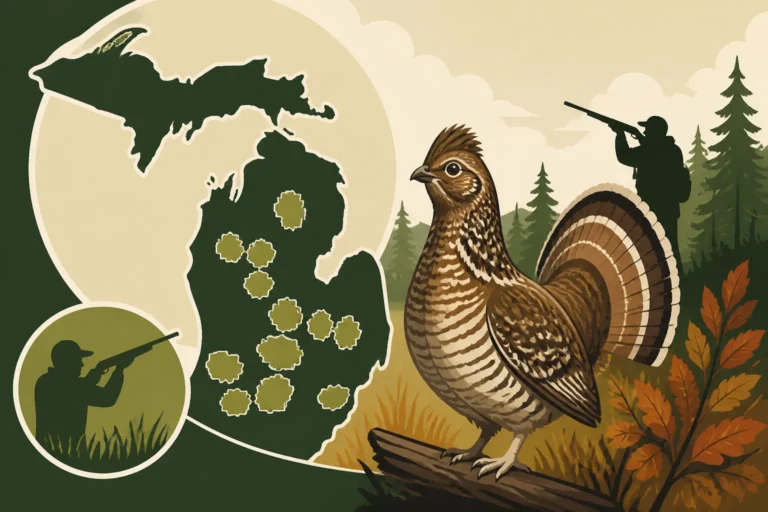
The Hiawatha is a true grouse hunter's paradise. Extensive aspen regeneration from timber sales creates dense young coverts that are perfect for these iconic birds. Look for areas that have been cut within the last 5 to 20 years, where the aspen is thick and provides ample food and protection. These are often easy to spot on satellite imagery, or you might find them by just driving a two-track and seeing the distinct change in forest type. Grouse Hunting Michigan Aspen Cover is a classic U.P. pursuit.
Woodcock, often found alongside grouse, prefer wetter, brushier habitats, particularly alder runs along creeks, stream bottoms, or the edges of beaver ponds. These migratory birds stage in these moist, dense areas before their southward migration. Timing is everything for woodcock, as their flights can vary year to year. When hunting for either species, a good bird dog can be invaluable for finding birds and retrieving them in the thick cover. If you're without a dog, still-hunting slowly and pausing frequently to listen for flushes or movement can be surprisingly effective. Don't overlook the potential for a double bag when you find a prime covert with both species present.
Rabbit and Squirrel Hotspots
While grouse and woodcock get a lot of attention, the Hiawatha also holds healthy populations of snowshoe hares and cottontail rabbits, as well as gray and fox squirrels. Snowshoe hares are found in the northern reaches, particularly in dense conifer swamps and thick cedar stands, where their white winter coats provide camouflage in the snow. Running Beagles on Michigan Snowshoe Hares is a popular winter activity for many U.P. hunters. Hunting them often involves walking slowly through the thick stuff, flushing them from their hiding spots, or utilizing small packs of beagles.
Squirrels, on the other hand, are often found in the mature hardwood forests, especially where oak and beech trees are present. Look for evidence of their feeding – chewed nuts, cuttings, and leaf nests high in the branches. A still-hunt on a quiet fall morning, with an eye to the treetops and an ear for the telltale chatter, can yield a delicious meal. These small game opportunities offer a chance to stay active and engaged throughout the season, even when the deer aren't moving.
Bear and Waterfowl: Other Opportunities in the Hiawatha
The Hiawatha National Forest isn't just for deer and upland birds. It also offers excellent opportunities for black bear and various waterfowl, each requiring distinct approaches and knowledge of specific regulations. These hunts often demand a higher level of commitment and specialized gear but can be incredibly rewarding.
Bear Hunting in Hiawatha's Wilds
The Upper Peninsula is Michigan's prime bear hunting territory, and the Hiawatha National Forest is a significant part of that. Bear populations are robust, and the vast, dense forests provide ideal habitat for them. Most bear hunting in Michigan involves baiting or the use of hounds, and the Hiawatha offers ample public land for both. Michigan Black Bear Hunting can be a long process, from applying for tags to scouting and setting up bait sites. If you plan to bait, understanding the rules, securing bait, and consistently refreshing it before the season opens is crucial.
Hunters often seek out remote areas away from high traffic to establish bait sites, drawing bears away from human activity. Look for areas with a mix of swamp, dense cover, and natural food sources like berries or acorns. For those who prefer a spot-and-stalk approach or hunting over natural food sources, careful scouting for fresh tracks, scat, and overturned logs is key. A good optic is critical for spotting bears in the low light of dense timber. Remember, bear hunting requires a special permit, and preference points are often necessary to draw a tag in the U.P.
Waterfowl Hunting on Great Lakes Edges and Inland Waters
While less commonly associated with national forests, the Hiawatha's extensive shoreline along Lake Superior, Lake Michigan, and various inland lakes and rivers provides unique waterfowl hunting opportunities. Saginaw Bay, though not strictly Hiawatha, is a great example of the Great Lakes draws. You can find everything from puddle ducks in small, secluded ponds and beaver flows to diving ducks on the larger bays and lakes. Great Lakes Waterfowl Hunting in Michigan can be exhilarating but also demanding, often requiring specialized equipment like layout boats and large decoy spreads.
Inland, smaller lakes and flowages within the national forest can hold good numbers of wood ducks, mallards, and various other species, especially during the early season. Jump-shooting small rivers or setting up a few decoys on a quiet backwater can be very effective. Along the Great Lakes, finding sheltered bays or points where ducks congregate during migration is key. Safety on big water is paramount, especially when facing unpredictable Great Lakes weather. A diligent scout using a mapping app like onX Hunt can identify potential staging areas, sheltered coves, and ideal access points, saving valuable time and effort come hunting day.
Navigating and Accessing the Vast Hiawatha Landscape
The sheer size and wild nature of the Hiawatha National Forest mean that navigation and access are significant considerations. Unlike smaller state game areas, you can easily get turned around if you're not prepared. Understanding how to use maps, GPS, and manage vehicle access is crucial for a safe and successful hunt.
The Indispensable Role of Maps and GPS Tools
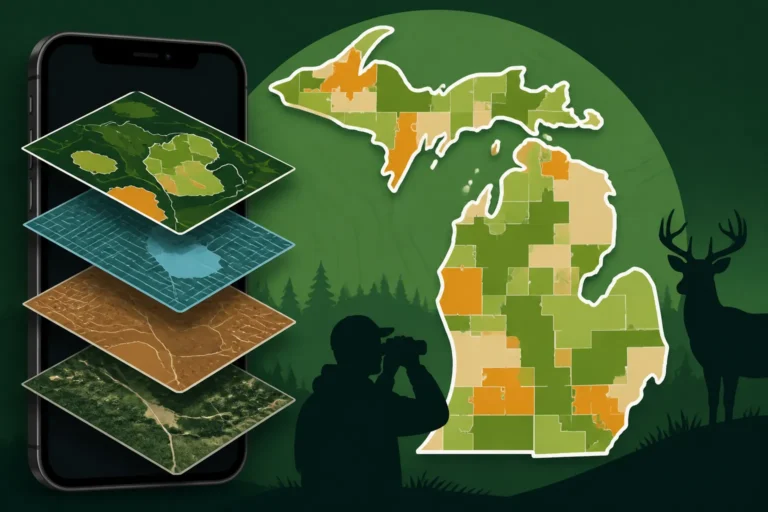
In the Hiawatha, a reliable navigation system isn't just a convenience; it's a necessity. Traditional paper maps are a great backup, but a modern GPS unit or a smartphone app like onX Hunt is truly invaluable. These tools allow you to pinpoint your exact location, track your movement, mark waypoints for stands or game sign, and, most importantly, clearly delineate public versus private land boundaries. When you're deep in the woods, knowing you're still on public ground is a huge stress reliever.
Before you head out, spend time with your chosen mapping tool. Download offline maps, mark potential access points, identify areas of varied habitat, and look for terrain features that could funnel deer. onX Layers for Michigan Land Status can show you not just federal land, but also state lands, private parcels, and even forest roads that might not appear on older maps. Knowing the elevation changes and contour lines can help you predict wind thermals and identify potential bedding areas or travel routes. Always carry a power bank for your phone or extra batteries for your GPS unit; the remote nature of the Hiawatha means a dead battery can quickly turn an inconvenience into a serious problem.
Vehicle Access and Foot Travel Considerations
Much of the Hiawatha National Forest is accessible via a network of gravel roads, two-tracks, and designated forest roads. However, many of these roads are seasonal, especially in winter when heavy snow can render them impassable. Always check road conditions, especially if you plan to access remote areas in the late season. Four-wheel drive is often recommended, and sometimes essential, for navigating the rougher two-tracks. Be prepared for Snow and Two-Track Access in the U.P. as the weather shifts.
| Game Species | Primary Hiawatha Habitat | Typical Hunting Strategy |
|---|---|---|
| White-tailed Deer | Mixed hardwoods, cedar swamps, clear-cut edges | Still-hunting, stand hunting on travel corridors/swamp edges |
| Black Bear | Dense conifer thickets, berry patches, oak ridges | Baiting, spot-and-stalk, hound hunting |
| Ruffed Grouse | Young aspen stands (5-20 years old) | Walking slowly with dog, still-hunting through cover |
| Woodcock | Alder runs, moist thickets near water | Walking slowly with dog, focusing on migration timing |
| Snowshoe Hare | Dense cedar swamps, conifer thickets | Pushing thick cover, running beagles |
| Squirrel | Mature oak and beech stands | Still-hunting, sit-and-wait near mast trees |
| Waterfowl | Great Lakes bays, inland lakes, beaver flows | Decoying, jump-shooting, layout hunting (big water) |
Once you've driven as far as you can, foot travel becomes the primary method of hunting. Be prepared for long walks, sometimes through very rugged terrain, including swamps, dense brush, and rocky uplands. Sturdy, waterproof boots are non-negotiable, and layering your clothing is essential for adapting to changing weather. When deep in the forest, consider how you will extract a harvested animal. A deer cart might work on an old two-track, but dragging a deer out of a thick cedar swamp is a Herculean task. Planning for this logistical challenge is just as important as the hunt itself.
Understanding Rules and Regulations for Hiawatha National Forest
Hunting in any national forest comes with a specific set of rules and regulations that can differ from state land or private property. It's crucial to be aware of these to ensure a legal and ethical hunt, protecting both yourself and the resource. Ignoring them can lead to fines, loss of privileges, and even contribute to area closures.
General National Forest Hunting Rules
While Michigan's general hunting laws apply in the Hiawatha, there are often additional rules specific to federal lands. For instance, while permanent tree stands are often prohibited on state land, some national forest districts might have slightly different stipulations – though temporary stands that are removed daily or after the season are generally acceptable. Treestand Setups in Michigan Hardwoods require careful consideration of public land rules. Always check with the specific Hiawatha National Forest District office for the most up-to-date and localized regulations before you hunt.
Camping regulations can also vary. Dispersed camping (camping outside of designated campgrounds) is often allowed, but there might be restrictions on length of stay, fire regulations, or locations. Understanding these rules is essential if you plan a multi-day backcountry hunt. Additionally, rules regarding off-road vehicles (ORVs) on forest roads are strict; only designated trails are open to ORV use. Respecting these rules helps minimize environmental impact and maintains access for all users.
Specific Local Regulations and CWD Concerns
Beyond general federal rules, be aware of any Michigan-specific regulations that impact the Hiawatha. This includes antler point restrictions (APRs) by DMU, if applicable, and rules regarding baiting and feeding. Currently, baiting is banned across much of the Lower Peninsula due to Chronic Wasting Disease (CWD) concerns, and the Upper Peninsula has its own set of Michigan Baiting and Feeding Rules. Always consult the current Michigan Hunting and Trapping Digest to confirm the latest regulations for the specific area of the Hiawatha you plan to hunt.
CWD is a serious concern, and Michigan has specific carcass movement restrictions in place, particularly when transporting deer out of CWD surveillance areas. While the Hiawatha is not currently a CWD hotspot, rules can change. Be informed about Michigan CWD Rules and Test Sites and be prepared to comply with any requirements for carcass transport or mandatory testing. Wearing Michigan Hunter Orange Rules during firearm seasons is also a universal requirement that applies across all public lands, including the Hiawatha. Staying current on all regulations is a responsibility every ethical hunter shoulders, ensuring that the wild traditions of Michigan hunting can continue for generations to come. For specific regulations and localized advice, checking the U.S. Forest Service website for the Hiawatha and using detailed digital mapping tools like GoHunt or onX Hunt for land status are excellent starting points.
Disclaimer
This article is for general informational purposes only and does not constitute professional advice. Laws, prices and regulations vary by location and change over time. Consult a qualified professional for guidance on your specific situation.