Michigan Deer Herd Size
Navigating the ever-changing landscape of Michigan's deer population can feel like trying to hit a moving target – one year they seem to be everywhere, the next you're wondering where they've all gone. Hunters often grapple with questions about deer density, health, and what factors truly influence the number of whitetails across our diverse state. This guide will dive deep into understanding Michigan's deer herd size, breaking down the regional differences, the complex forces at play, and how these numbers directly impact your hunting success and management efforts.
Understanding Michigan's Overall Deer Population Dynamics
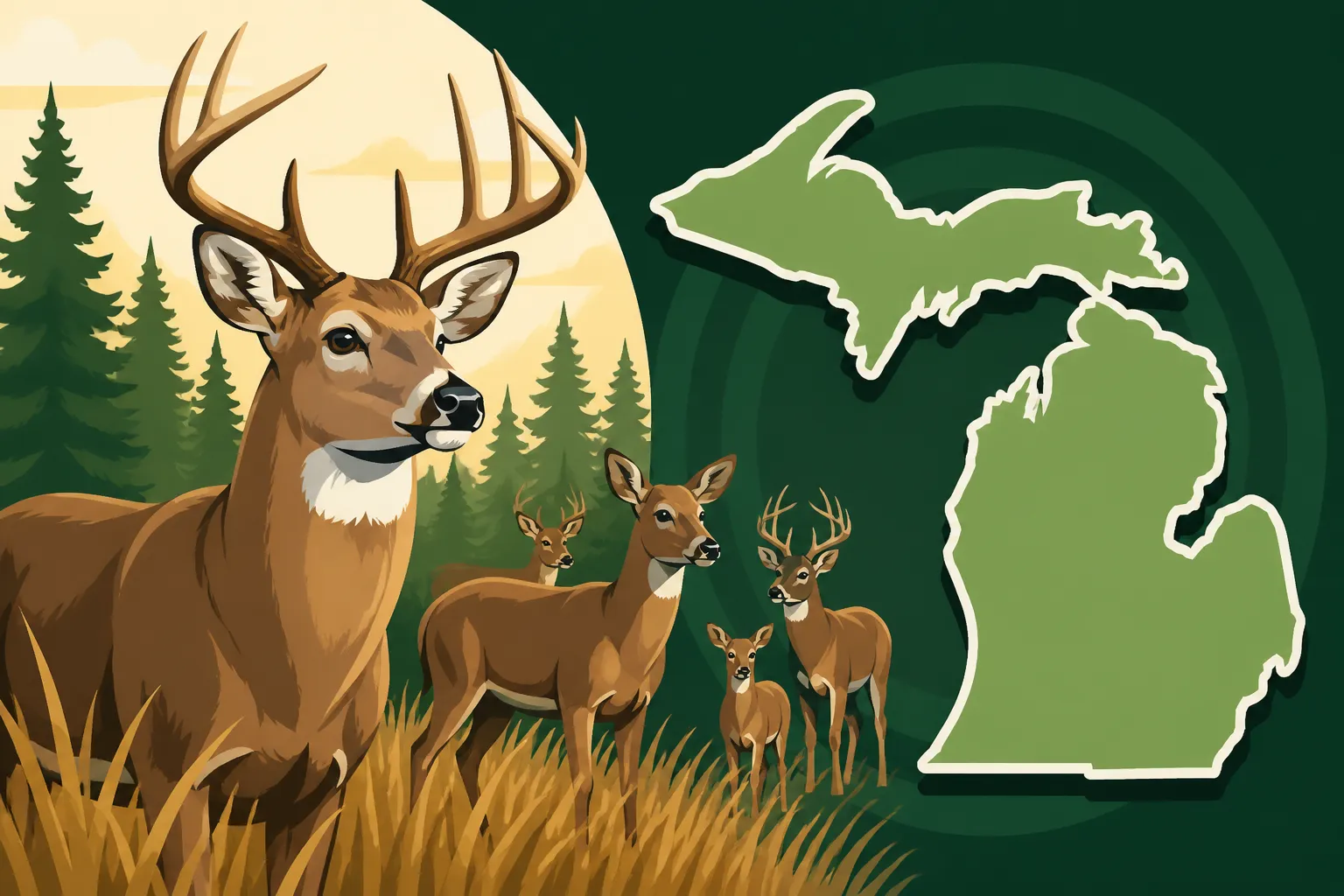
Michigan is a big state, and our deer herd is just as varied as our landscapes, from the thick cedar swamps of the Upper Peninsula to the sprawling farmlands of the southern Lower Peninsula. It’s not a single, monolithic entity, but rather a collection of localized populations, each responding to different pressures and opportunities. When we talk about the overall Michigan deer herd size, we’re looking at a broad estimate, a snapshot that captures the general health and abundance of whitetails across millions of acres. This figure isn't just a number; it represents the culmination of countless biological factors, management decisions, and environmental shifts that impact every hunter's season.
For hunters, understanding this big picture is crucial. A robust state-wide population often translates to better hunting opportunities, but it doesn't always guarantee deer in your favorite woodlot. Conversely, a slight dip in the statewide average might not mean a barren forest if local conditions are favorable. The Michigan Department of Natural Resources (DNR) works tirelessly to collect data, from harvest reports to aerial surveys and winter severity indexes, all to gauge the pulse of the herd. These efforts help them make informed decisions about antlerless quotas, season structures, and other management strategies designed to keep our deer healthy and sustainable for future generations of hunters.
The dynamics are constantly in flux. Weather patterns, especially severe winters, can have a profound impact, particularly in the northern reaches of the state. Habitat changes, whether from logging, urban sprawl, or agricultural practices, also play a huge role. Diseases like Chronic Wasting Disease (CWD) and Bovine Tuberculosis (TB) are constant threats that necessitate close monitoring and proactive management to prevent widespread herd declines. It's a complex equation, and every piece of data helps paint a clearer picture for hunters and wildlife managers alike. If you're looking for more specific information, the Michigan Deer Population Estimate is a valuable resource that can provide granular data on herd trends.
Regional Variations in Michigan's Deer Population
It’s easy to talk about Michigan’s deer herd as one entity, but that would be a disservice to the dramatic differences between the Upper Peninsula, the northern Lower Peninsula, and the southern Lower Peninsula. Each region presents its own unique set of challenges and opportunities for deer, leading to distinct population densities and health profiles. As a hunter, recognizing these regional nuances is key to understanding what to expect in your hunting area.
The Upper Peninsula: The Land of Feast or Famine
Ah, the U.P.! It's a wild, rugged place, and its deer herd truly reflects that. Historically, the Upper Peninsula has been known for lower deer densities compared to the rest of the state, primarily due to harsher winters and more extensive timberland. When we have a mild winter, deer numbers can rebound beautifully, offering great hunting. But those notorious U.P. winters, with their deep snow and prolonged cold, can be brutal. Deer yard up in cedar swamps, and if the snow is too deep for too long, survival becomes a real struggle. Just a few consecutive severe winters can decimate local herds, something many U.P. residents and hunters have experienced firsthand.
Beyond the weather, the habitat itself influences deer numbers. Vast tracts of mature timber, while beautiful, offer less browse than younger, regenerating forests. Logging practices and forest management can create crucial food sources, but they're often spread out. Predators, particularly wolves, also play a more significant role in the U.P. compared to the Lower Peninsula. Hunters often ponder, Do Wolves Drive Michigan Deer Numbers?, a question that sparks much debate. All these factors contribute to the often lower, and more variable, deer numbers you might encounter while Hunting the Michigan Upper Peninsula for Deer.
Northern Lower Peninsula: A Blend of Wilderness and Growth
The northern Lower Peninsula (NLP) sits in a fascinating middle ground. It shares some of the U.P.'s characteristics, like large state forests and seasonal challenges, but also benefits from milder winters and increasing habitat diversity. Deer numbers here can be quite strong, especially in areas with a mix of regenerating timber, small agricultural plots, and natural browse. Winter severity still matters, but it's generally less extreme than across the bridge. However, areas with less diverse habitat can still see lower densities.
What's particularly interesting in the NLP is the continuous habitat evolution. Many areas that were once cut-over or agricultural are now regrowing, providing excellent deer cover and food. This means that deer populations can be locally robust, especially where food and cover meet. It's not uncommon to find areas with impressive numbers, while other nearby tracts might be sparser. This variability makes Scouting Michigan Public Land Before Season absolutely essential if you’re hunting the NLP. Knowing where the food sources are, how deer are using cover, and what other factors influence their movement will be critical.
Southern Lower Peninsula: Agriculture and High Density
The southern Lower Peninsula (SLP) is a different beast entirely. Dominated by agricultural land, this region consistently boasts the highest deer densities in the state. Vast fields of corn, soybeans, and alfalfa provide an endless buffet for whitetails, allowing them to grow larger and reach higher population numbers. Winters are generally milder, meaning fewer deer succumb to starvation or exposure, leading to higher fawn recruitment and survival rates. It's no wonder that many of the state's biggest bucks come from this region; the nutrition is simply top-notch. For an in-depth look, check out Why Southern Michigan Grows Bigger Bucks.
However, even in the SLP, high deer numbers come with their own set of challenges. Crop damage can be significant, leading to frustration for farmers. Diseases like CWD, though present in other regions, are a particular concern in high-density areas where deer interactions are more frequent. The sheer number of deer also means hunting pressure is often higher, especially on private land. Hunters here often focus on securing access to good private ground, or diligently scouting the limited public land available. Understanding Michigan Antler Point Restrictions by DMU is also incredibly important here, as these rules often aim to improve buck age structure in areas with high deer populations.
No matter where you hunt in Michigan, GoHunt offers tools that can help you understand the nuances of specific hunt units, providing valuable insights into deer densities and harvest data that might not be immediately apparent.
Factors Influencing Deer Herd Fluctuation
Michigan's deer herd doesn't stay static. It's a living, breathing population that constantly expands and contracts based on a multitude of environmental, biological, and human-driven factors. Understanding these dynamics is crucial for both hunters and conservationists who want to ensure healthy, sustainable deer numbers for the long haul. It's not just about counting deer; it's about understanding the why behind the numbers.
The Role of Winter Severity and Habitat
There’s no denying it: Michigan winters can be brutal, especially for deer. Deep snow, prolonged cold temperatures, and limited food resources can dramatically impact deer survival, particularly fawns and older animals. In the Upper Peninsula, a severe winter can truly reset the deer population, as discussed in What Severe Winters Do to Michigan Deer. Deer expend tremendous energy just to stay warm and move through deep snow, often relying on dense conifer swamps (deer yards) for shelter. If these yards are disturbed or food within them is scarce, the consequences can be dire.
Habitat availability and quality are equally vital. Deer are a browse species, meaning they feed on twigs, leaves, and young plants. Areas with a diverse mix of forest ages, clearcuts, and regenerating timber often provide the best food and cover. Agriculture, as seen in the southern Lower Peninsula, provides a superabundance of high-quality forage. When habitat is fragmented by development or becomes mature and lacks understory growth, deer numbers can decline even without severe winters. Active forest management, including timber harvests, is often critical for creating the young, nutritious growth that deer thrive on.
Disease, Predation, and Human Influence
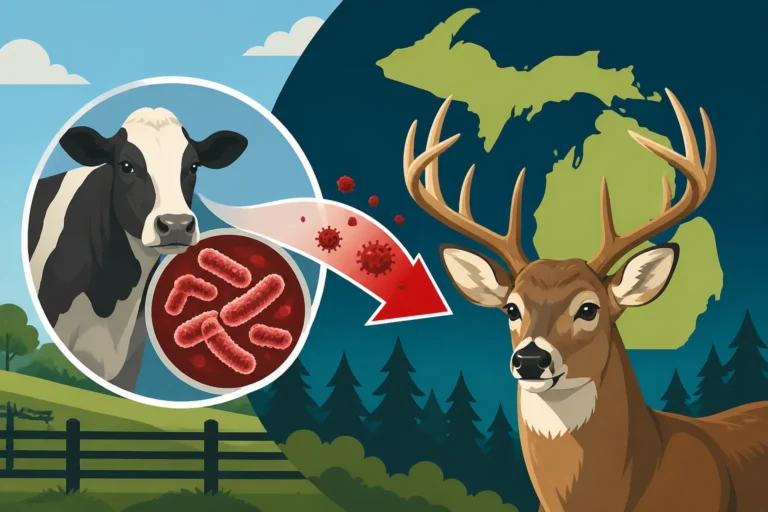
Unfortunately, Michigan's deer herd faces several serious health threats that can impact local and regional populations. Chronic Wasting Disease (CWD) is a persistent and growing concern, particularly in the Lower Peninsula. This neurological disease is always fatal to deer, and its presence can lead to increased harvest quotas in affected Deer Management Units (DMUs) to control its spread. Understanding Chronic Wasting Disease in Michigan is vital for all hunters. Bovine Tuberculosis (TB) is another disease that has historically affected deer in specific areas of the northeastern Lower Peninsula, requiring specialized management efforts. EHD (Epizootic Hemorrhagic Disease) can also cause localized die-offs during late summer and early fall, particularly during drought conditions.
Predation is another natural factor. While coyotes are widespread across Michigan and primarily impact fawns, wolves in the Upper Peninsula can certainly impact local deer numbers, especially during harsh winters when deer are concentrated in yards and more vulnerable. It’s a complex ecological balance, and the impact of predators is often debated among hunters and biologists.
Finally, human influence, particularly hunting regulations, plays a monumental role. Antler Point Restrictions (APRs), antlerless quotas, and season lengths are all tools used by the DNR to manage deer populations. These regulations are designed to balance herd health, hunter opportunity, and agricultural damage. For example, specific antlerless quotas in certain DMUs are a direct response to deer population levels and local issues. The Michigan Deer Harvest Trends provide a clear picture of how these factors, along with hunter participation, influence annual take-home numbers. Knowing these regulations, and actively participating in the harvest, is how hunters contribute directly to herd management.
DNR Deer Population Monitoring and Management Strategies
One of the most frequently asked questions I hear from fellow hunters is, "How does the DNR even know how many deer there are?" It's a fair question, especially when you're sitting in your stand seeing fewer deer than you hoped. The truth is, estimating the size and health of Michigan's deer herd is a monumental undertaking, and it relies on a combination of scientific methods and invaluable input from hunters like us. The goal isn't just to count deer, but to understand population trends, health metrics, and how various factors are impacting our whitetails.
The Science Behind the Numbers
The Michigan DNR employs several techniques to estimate deer numbers and assess population health. One of the primary methods is through harvest reporting. Every deer a hunter successfully takes provides a data point. When you report your deer harvest, you're not just complying with regulations; you're contributing to a massive dataset that helps biologists understand harvest rates, buck-to-doe ratios, and even general health based on age and antler development. This information, combined with extensive historical data, allows for projections and models of herd dynamics.
Beyond harvest data, biologists utilize various surveys. Aerial surveys, often conducted in winter over specific regions (especially the U.P.), provide direct counts of deer in yarding areas. While challenging, these surveys offer a direct look at deer concentrations. Roadside surveys, pellet-group counts, and deer health checks (especially in CWD surveillance areas like those detailed in Michigan CWD Rules and Test Sites) also provide crucial pieces of the puzzle. They look at fawn recruitment rates, average weights for age classes, and disease prevalence. All of this information is fed into sophisticated population models, allowing biologists to make informed estimates about total herd size, recruitment, and mortality rates. This detailed approach helps us understand everything from the overall Michigan Deer Population Estimate to the nuances of Buck Age Structure Under Michigan APRs.
Adapting Management for a Healthy Future
Based on these comprehensive data sets, the DNR develops and adjusts its deer management strategies. This isn't a "set it and forget it" process; it's dynamic and responsive to current conditions. For example, if harvest data shows a decline in a particular region, or winter severity indices point to high mortality (especially after a harsh U.P. winter like one where The 111 Days of Deep Snow in the U.P. had a major impact), antlerless quotas might be reduced in subsequent seasons to allow the herd to rebound. Conversely, if numbers are high and causing significant agricultural damage or increasing disease risk, antlerless opportunities might be increased.
Michigan's Antler Point Restrictions (APRs) are another prime example of a management strategy aimed at influencing herd structure, particularly the age of bucks. By protecting yearling bucks, APRs allow more deer to reach older age classes, theoretically leading to more mature bucks in the herd. Disease management is also critical. Areas with confirmed CWD or TB have specific regulations regarding carcass movement (Michigan Carcass Transport Restrictions) and testing requirements to limit the spread of these diseases.
Ultimately, effective deer management is a collaborative effort. It relies on sound science, adaptive strategies, and the cooperation of Michigan hunters. Every decision, from the dates of Michigan Deer Seasons and Tags to the specifics of Hunting Deer Without Bait in Michigan, is part of a larger plan to ensure that future generations can continue to enjoy the rich tradition of deer hunting in our beautiful state.
| Region | Typical Deer Density (Relative) | Key Influencing Factors | Common Hunter Experience | Management Focus |
|---|---|---|---|---|
| Upper Peninsula | Lower, more variable | Severe winters, wolf predation, vast timberland | Challenging, rewarding, fewer deer per square mile | Winter range protection, habitat improvement |
| Northern Lower Pen. | Medium to High | Moderate winters, diverse habitat, regenerating cuts | Good opportunities, balance of wilderness and some agriculture | Habitat diversity, localized herd health |
| Southern Lower Pen. | Highest | Abundant agriculture, mild winters, less predation | Consistent encounters, higher pressure, larger antler potential | Crop damage mitigation, CWD monitoring, age structure |
Disclaimer
This article is for general informational purposes only and does not constitute professional advice. Laws, prices and regulations vary by location and change over time. Consult a qualified professional for guidance on your specific situation.